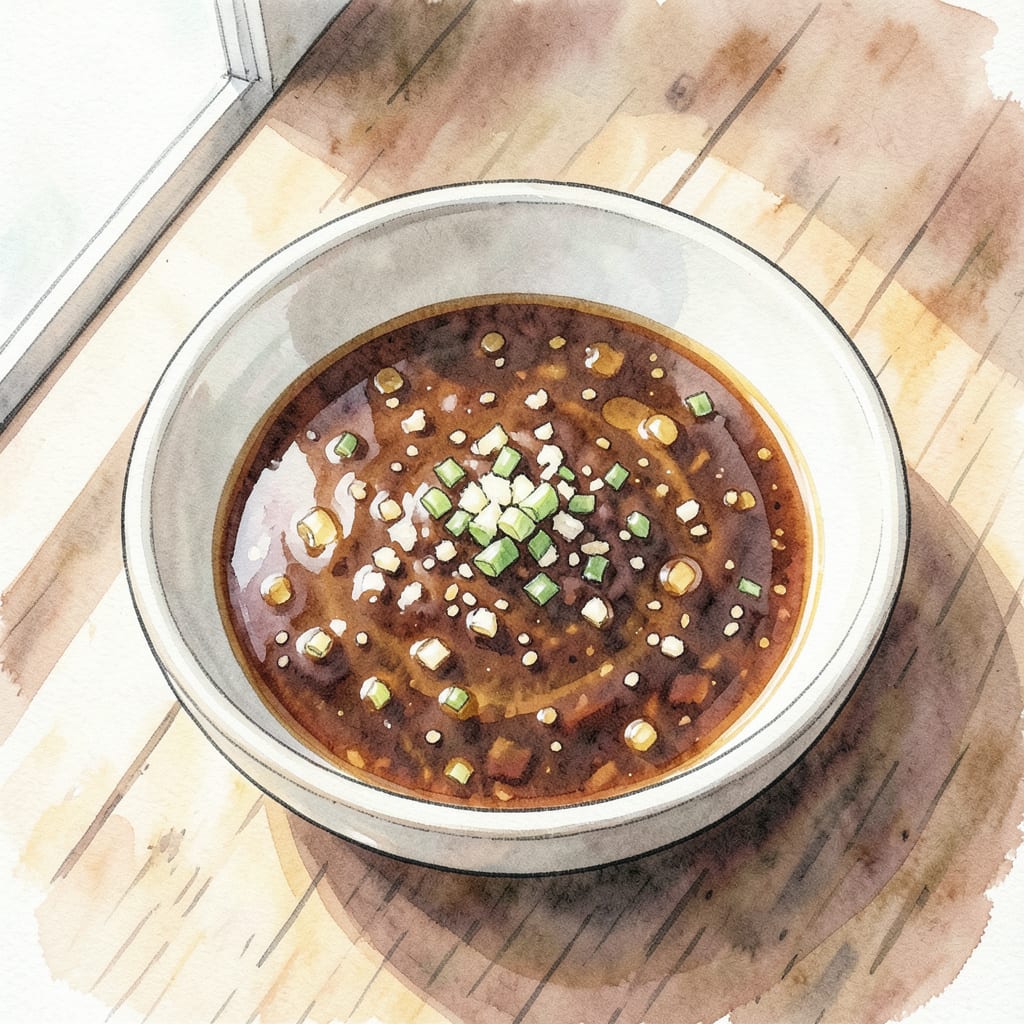
I’ve perfected my oyster sauce recipe through years of experimenting with different ingredient ratios and cooking techniques. This umami-rich condiment is a game-changer for any dish that needs depth and complexity.
Making oyster sauce from scratch is surprisingly easy and requires just a few ingredients. With this recipe, you’ll be able to create a delicious and authentic oyster sauce that’s perfect for stir-fries, marinades, and more.
Ingredients for Oyster Sauce
Gather these essential ingredients to create your own authentic oyster sauce at home easily.
| Ingredient | Amount | Notes |
|---|---|---|
| Oyster Extract 🦪 | 1 cup | Or 2 cups fresh oysters |
| Soy Sauce 🌶️ | ½ cup | Low-sodium preferred |
| Rice Vinegar 🍋 | ¼ cup | White or rice vinegar |
| Sugar 🍮 | 2 tbsp | Brown or white sugar |
| Cornstarch 🌾 | 2 tbsp | Mixed with water |
| Sesame Oil 🫒 | 1 tsp | Toasted for depth |
| Garlic Cloves 🧄 | 4 cloves | Minced or pressed |
| Ginger 🌿 | 2 tbsp | Fresh grated ginger |
[recipe_ingredient_scaler]
For the oyster extract, you can use fresh oysters if you’re feeling fancy. Look for freshly shucked at your local fish market or use high-quality oyster extract. If using fresh oysters, blend them with a bit of water until smooth, then strain. Soy sauce is crucial here—low-sodium Kikkomor or Pearl River Bridge are solid choices. The rice vinegar adds brightness; don’t skip it.
No sesame oil? Avocado oil or grapeseed work as substitutes, though you’ll lose some depth. For ginger, grate it fresh or use pre-minced from a jar in a pinch. If you prefer a thicker sauce, increase the cornstarch slurry by another tablespoon. The garlic can be adjusted to taste—some like it strong, others more subtle.
Store your homemade oyster sauce in an airtight glass container in the fridge. It keeps for up to 6 months. If it thickens too much, just whisk in a bit of water. You can also freeze it in ice cube trays for long-term storage—thaw in the fridge when needed.
Step-by-Step Instructions for Oyster Sauce
Here’s the method to create this umami-rich condiment with ease and confidence.
Step 1: Prepare the Aromatics and Cornstarch
Start by mincing the 4 cloves Garlic Cloves and grating 2 tbsp Ginger. I like to use a microplane for the ginger as it creates a fine, even texture that incorporates beautifully into the sauce. In a small bowl, mix the 2 tbsp Cornstarch with a splash of water until smooth—this slurry will help thicken your sauce to the perfect consistency.
Having these elements ready before you start cooking makes the process smoother and more efficient. The aroma of fresh garlic and ginger will already start to tantalize your senses, giving you a preview of the complex flavors to come.
Step 2: Combine Liquid Ingredients and Sugar
In a medium saucepan, combine 1 cup Oyster Extract, 0.5 cup Soy Sauce, 0.25 cup Rice Vinegar, and 2 tbsp Sugar. Whisk these ingredients together until the sugar has dissolved completely. I prefer using a flat whisk as it reaches into the corners of the pan and ensures everything is well incorporated.
The mixture will have a deep, rich color and an intense aroma. As you whisk, you’ll notice how the different components start to meld together, creating a harmonious balance of flavors.
Step 3: Simmer and Thicken the Sauce
Place the saucepan over medium heat and bring the mixture to a gentle simmer. Once it’s simmering, reduce the heat to low and let it cook for 5-7 minutes, stirring occasionally, until it thickens to your liking. You’ll know it’s ready when it coats the back of a spoon and has a glossy sheen.
Stir in the prepared garlic and ginger, followed by the cornstarch slurry. Continue to simmer for another 2-3 minutes until the sauce reaches your desired thickness. The mixture will continue to thicken as it cools, so it’s better to err on the slightly thinner side.
Step 4: Finish with Sesame Oil and Cool
Remove the saucepan from the heat and stir in 1 tsp Sesame Oil. This adds a subtle nutty flavor and enhances the overall aroma of the sauce. I like to use toasted sesame oil as it provides a deeper, more complex flavor profile.
Transfer the oyster sauce to a clean glass jar and let it cool to room temperature. As it cools, the flavors will continue to meld together, resulting in a richer, more complex sauce. Store it in the refrigerator to prolong its shelf life.
Storing and Reheating This Dish
Refrigerator Storage Tips
Store your homemade oyster sauce in an airtight glass container immediately after it cools to room temperature. I prefer using glass jars with tight-fitting lids to maintain freshness. The refrigerator is ideal for short-term storage, keeping the sauce fresh for up to 6 months. ❄️
Freezer Storage for Longevity
For longer storage, consider freezing your oyster sauce. Pour the cooled sauce into ice cube trays – this makes it easy to thaw only what you need. Once frozen, transfer the cubes to a freezer-safe bag or container and store for up to 1 year. Label with the date and contents.
Reheating Techniques
When you’re ready to use your stored oyster sauce, gentle reheating is key. For refrigerated sauce, simply warm it in a saucepan over low heat, stirring constantly. If the sauce has thickened, whisk in a small amount of water or broth to achieve the desired consistency. For frozen cubes, thaw overnight in the refrigerator first.
Quality Check After Storage
Before using stored oyster sauce, give it a quick sniff and taste test. If it smells off or has an unusual color, it’s best to discard it. Properly stored sauce should retain its deep, rich flavor and aroma. If you notice separation, a quick whisk usually resolves this.
Tips for Maintaining Flavor
To preserve the complex flavors of your oyster sauce, avoid repeated heating and cooling cycles. Instead, portion it into smaller containers before freezing. This way, you can thaw and use only what you need, maintaining the sauce’s quality and flavor profile.
Container Selection Matters
Choose containers that are truly airtight to prevent flavor contamination and oxidation. Glass containers with rubber seals are excellent for both refrigerator and freezer storage. Avoid using containers that may absorb odors or transfer flavors to your precious oyster sauce.
Nutrition Facts

Trained in classic French technique but raised on slow-cooked ribs and spicy rubs, she blends culinary skill with smoke and soul.
- Recipe for Boneless Pork Chops in Cast Iron Skillet: Sear and Baste to Juicy Perfection - October 3, 2026
- Recipe for Boneless Cross Rib Roast: Slow-Roasted Beef with Herb Crust - October 3, 2026
- Hamburgers in Sauce Recipe Crock Pot: Slow-Cooked Savory Delight - October 3, 2026