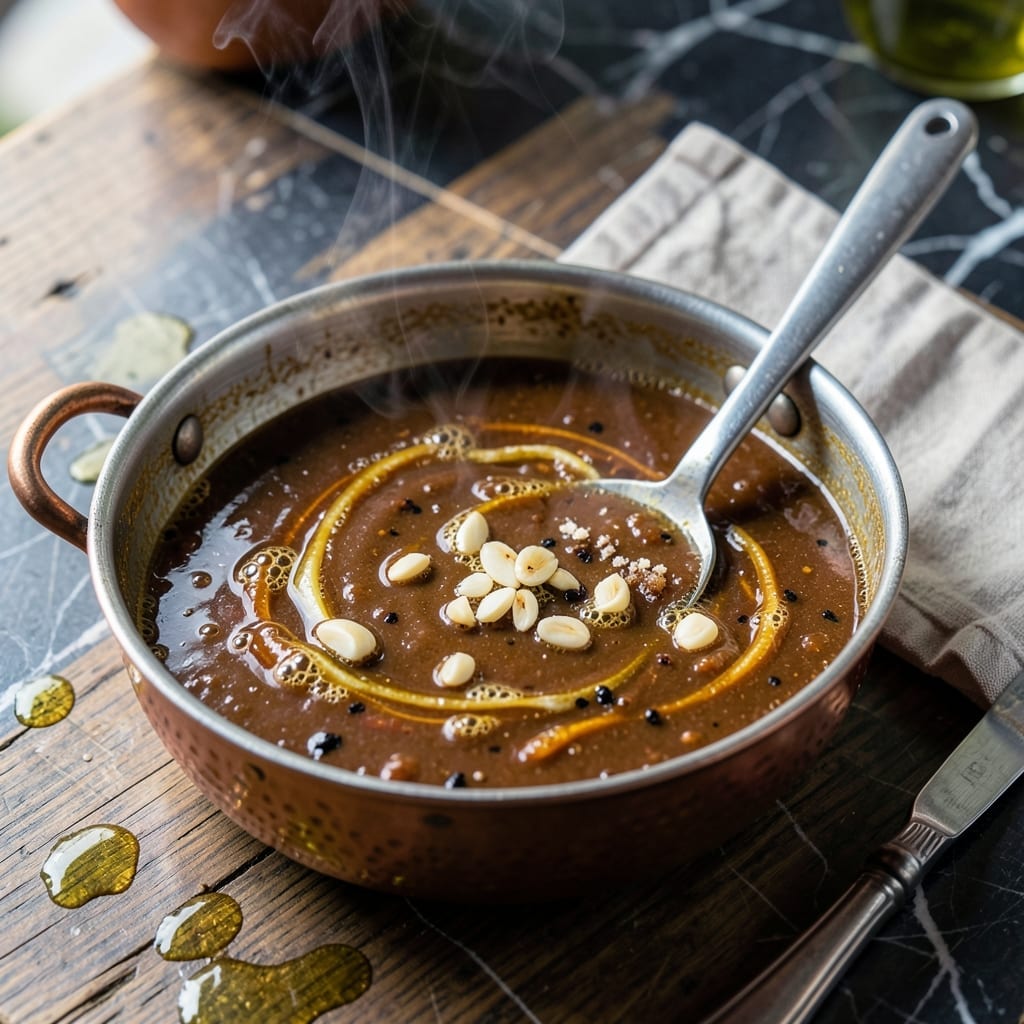
This tangy, balanced sauce proves you don’t need tamarind to achieve authentic pad thai flavor. A simple blend of lime juice, fish sauce, and palm sugar creates the perfect sweet-savory-tangy combination that defines this classic dish.
The key lies in the precise ratio of ingredients—too much lime overpowers, while too little fish sauce leaves it flat. Palm sugar adds depth, but brown sugar works in a pinch without sacrificing authenticity.
What you’ll get is a versatile sauce that clings beautifully to rice noodles, coating every strand with bold, complex flavor. It’s quick to make and stores well, so you can have pad thai-ready sauce on hand anytime.
Use it as a base for stir-fries, a marinade, or even a dipping sauce. Here’s how to make it perfectly every time.
Ingredients for Pad Thai Sauce Recipe No Tamarind
Eight ingredients bring bold, tangy pad thai flavor without tamarind. Simple and authentic.
| Ingredient | Amount | Notes |
|---|---|---|
| Fresh Lime Juice 🍋 | ½ cup | About 4-6 limes, freshly squeezed |
| Vegan Fish Sauce 💧 | ⅓ cup | Use soy sauce alternative |
| Palm Sugar 🍚 | ⅓ cup | Or light brown sugar |
| Rice Vinegar 💧 | 2 tbsp | For balance and tang |
| Water 💧 | 2 tbsp | To thin sauce as needed |
| Garlic Cloves 🧄 | 2 cloves | Minced for depth |
| Fresh Ginger 🌿 | 1 tbsp | Grated, for warmth |
| Red Pepper Flakes 🌶️ | ½ tsp | Adjust for heat |
[recipe_ingredient_scaler]
The vegan fish sauce is the backbone here. Red Boat or Ocean’s Halo make solid plant-based versions you can find at Whole Foods or Thrive Market. Palm sugar adds that signature depth—look for it in Asian markets or the international aisle (the hard blocks, not the granulated stuff). Limes should be fresh and juicy, none of that bottled juice. Trader Joe’s usually has good ones in season.
No palm sugar? Light brown sugar at a 1:1 ratio works without missing a beat. For the vegan fish sauce, soy sauce plus a splash of lime gets you 80% there in a pinch. Fresh ginger is ideal, but ground ginger at one-third the amount works if you’re desperate. The rice vinegar is non-negotiable though—it keeps the sauce from being cloying. And yes, you really do need to mince the garlic.
This keeps like a dream. Fridge for 2-3 weeks in a sealed jar, or freeze for 6 months in ice cube trays. The flavors actually deepen over time (worth the wait). Stir well before using—sugar settles at the bottom.
Why You’ll Love This Recipe
- No-Fuss Mixing: I just whisk the lime juice, vegan fish sauce, and palm sugar with water—no cooking, no fuss.
- Zingy Sweet Balance: The lime and palm sugar hit that perfect tangy-sweet spot that makes pad thai sing.
- Meal Prep Hero: I batch this sauce Sunday night and drizzle it over noodles all week.
- Pantry Staples: Everything comes from my shelf—no hunting for tamarind paste at the last minute.
Step-by-Step Instructions for Pad Thai Sauce No Tamarind
Here’s how I create a perfectly balanced sauce with bright, tangy flavors every time.
Step 1: Bloom the Aromatics in the Base
In a small saucepan over medium heat, combine the 0.5 cup Fresh Lime Juice, 0.33 cup Vegan Fish Sauce, and 0.33 cup Palm Sugar. Stir constantly with a silicone spatula until the palm sugar begins to dissolve completely.
This is where the magic starts. The heat helps the palm sugar break down evenly, while the vegan fish sauce begins to mellow slightly. You’ll notice the mixture taking on a glossy sheen as it warms—this means the sugar is fully incorporated.
Step 2: Add the Tangy and Spicy Elements
Once the sugar is dissolved, add the 2 tbsp Rice Vinegar, 2 cloves Garlic Cloves (minced), 1 tbsp Fresh Ginger (grated), and 0.5 tsp Red Pepper Flakes. Stir well to distribute the aromatics evenly throughout the liquid.
The rice vinegar brightens the sauce immediately, while the garlic and ginger release their fragrant oils into the warm liquid. You’ll smell the transformation as the kitchen fills with that classic Thai aroma. Let this simmer for 2-3 minutes to meld the flavors.
Step 3: Thin and Adjust Consistency
Pour in the 2 tbsp Water and stir to combine. This helps achieve the perfect sauce consistency—not too thick, not too thin. The water also helps balance the intense flavors, creating that signature Pad Thai sauce texture.
Taste and adjust the seasoning if needed. If it’s too sharp, a pinch more palm sugar can help. If it needs more depth, a splash more vegan fish sauce does the trick. The sauce should taste bright, tangy, and slightly sweet with a gentle heat from the red pepper flakes.
Step 4: Cool and Thicken Slightly
Remove the sauce from heat and let it cool to room temperature. As it cools, you’ll notice it thickens slightly—that’s exactly what we want. The flavors will continue to develop and harmonize during this time.
Transfer the cooled sauce to a clean jar or bottle. It will keep in the refrigerator for up to 2 weeks. The flavors actually improve after a day as everything marries together. When ready to use, give it a good stir to redistribute any settled spices.
Pro Tips For Making Pad Thai Sauce Recipe No Tamarind
- Dissolve Palm Sugar First: Heat the palm sugar with water over low heat until fully dissolved before adding other ingredients—I learned this the hard way after ending up with grainy sauce.
- Use Fresh Lime Only: Bottled lime juice won’t cut it; fresh lime gives that bright, sharp tang that balances the vegan fish sauce perfectly.
- Balance Before Serving: Taste and adjust the ratio of lime to palm sugar last—sometimes it needs an extra squeeze or a touch more sweetness to hit the right note.
- Warm the Vinegar: Take the rice vinegar out of the fridge 10 minutes early; cold vinegar can make the sauce separate instead of blending smoothly.
Regional Styles of This Dish
Bangkok Street Style
In the heart of Thailand, this sauce often includes 1 extra tbsp of palm sugar for a sweeter profile. Vendors balance it with freshly squeezed lime juice from morning markets. I like to add 1 minced shallot for authentic depth.
Northern Thai Twist
The northern regions use less fish sauce and more fermented soybean paste for umami. This version is earthier and less salty. I substitute 1 tbsp of miso for a similar effect in my kitchen.
Southern Spicy Kick
Southern Thailand amps up the heat with fresh Thai chilies instead of flakes. They also add 1 tbsp of pineapple juice for a fruity note. This variation pairs perfectly with seafood pad thai. 🌶️
Isaan Regional Flavor
In Isaan, they often use pork fat instead of oil to bloom aromatics. The result is a richer, more unctuous sauce. I mimic this by using 1 tsp of coconut oil for a plant-based version.
Central Thailand Balance
Central regions prefer a perfect 1:1:1 ratio of sour, sweet, and salty. This is what most Western palates recognize as classic pad thai. I find this the easiest to replicate at home with lime, palm sugar, and fish sauce.
Vegan Bangkok Adaptation
For a plant-based version, Bangkok street vendors use soy sauce and mushroom sauce instead of fish sauce. The flavor is slightly different but still delicious. I use coconut aminos for a similar depth. 💛
Nutrition Facts
Frequently Asked Questions
Can I use regular sugar instead of palm sugar?
Yes, light brown sugar works perfectly at a 1:1 ratio. It lacks palm sugar’s caramel depth but delivers the right sweetness. For best results, dissolve it completely in the warm liquid.
How do I adjust the sauce if it’s too sour?
Balance the acidity by adding more palm sugar in 1 tsp increments. Taste after each addition until the tang mellows to your preference.
What can I use if I don’t have rice vinegar?
Apple cider vinegar makes a fine substitute. Use the same 2 tbsp amount, as its mild tang won’t overpower the other flavors.
How long does homemade sauce keep?
Stored in an airtight container, it stays fresh in the fridge for 2-3 weeks. The flavors actually improve after 24 hours as they meld together.

Trained in classic French technique but raised on slow-cooked ribs and spicy rubs, she blends culinary skill with smoke and soul.
- Recipe for Boneless Pork Chops in Cast Iron Skillet: Sear and Baste to Juicy Perfection - October 3, 2026
- Recipe for Boneless Cross Rib Roast: Slow-Roasted Beef with Herb Crust - October 3, 2026
- Hamburgers in Sauce Recipe Crock Pot: Slow-Cooked Savory Delight - October 3, 2026