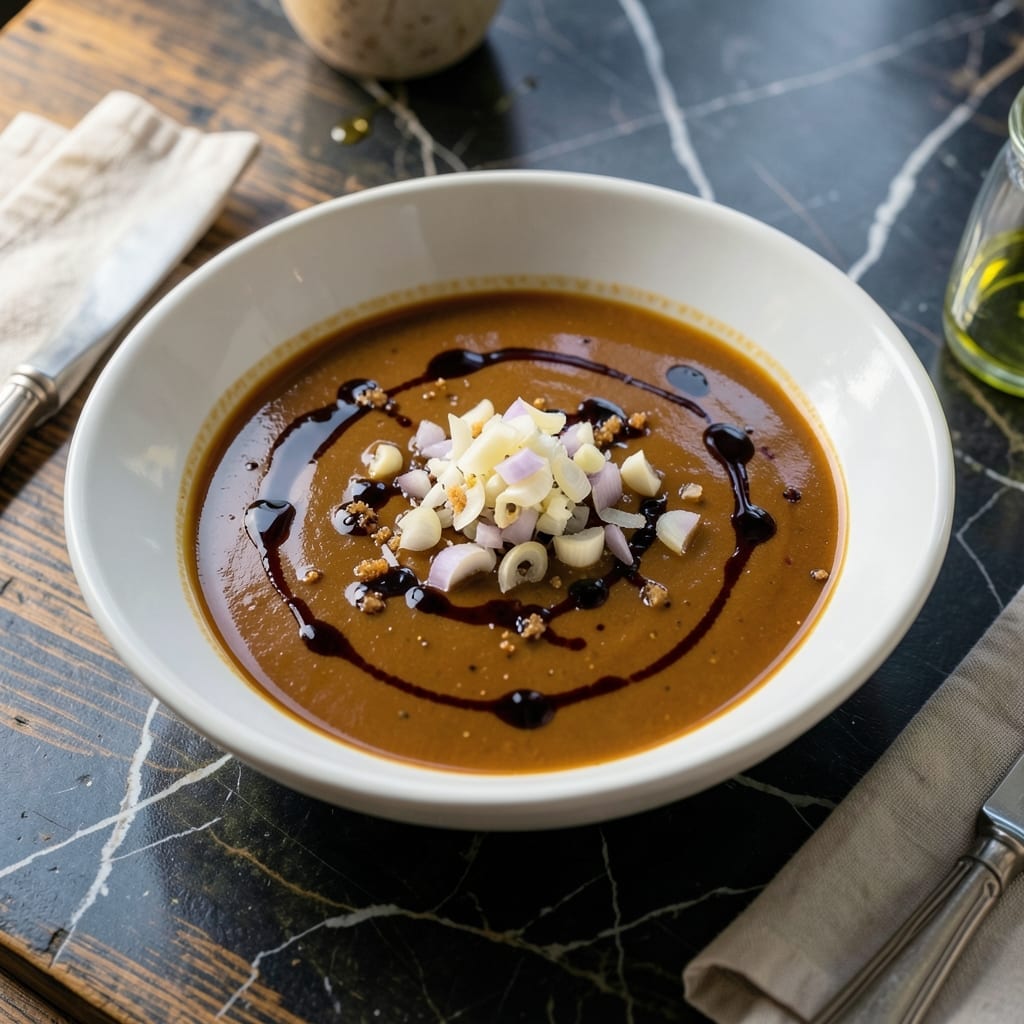
Achieving authentic pad thai flavor without fish sauce is absolutely possible with the right balance of tangy and sweet elements. This sauce captures the traditional taste using tamarind as the foundation.
The key lies in combining tamarind paste with palm sugar and soy sauce to create that signature authentic flavor profile. A touch of rice vinegar adds the necessary brightness that fish sauce typically provides.
This version maintains the complex sweet-sour balance that makes pad thai so addictive. The sauce comes together in minutes and keeps well in the refrigerator for up to two weeks.
Use it exactly as you would traditional pad thai sauce, tossing it with rice noodles and your choice of proteins and vegetables. The result will surprise even purists.
Ingredients for Pad Thai Sauce Recipe Without Fish Sauce
Nine simple ingredients create that authentic sweet-sour balance you expect from pad thai.
| Ingredient | Amount | Notes |
|---|---|---|
| Tamarind Paste 🌿 | ½ cup | Seedless, pure pulp preferred |
| Palm Sugar 🍚 | ⅓ cup | Or substitute brown sugar |
| Soy Sauce 🥫 | ⅓ cup | Use tamari for gluten-free |
| Rice Vinegar 💧 | 3 tbsp | White rice vinegar ideal |
| Garlic Cloves 🧄 | 4 cloves | Minced for depth of flavor |
| Shallot 🧅 | 1 whole | Finely minced for aroma |
| Lime Juice 🍈 | 2 tbsp | Freshly squeezed essential |
| Chili Flakes 🌶️ | ½ tsp | Adjust for heat preference |
| Water 💧 | ¼ cup | To thin sauce consistency |
[recipe_ingredient_scaler]
Tamarind is non-negotiable here—look for seedless paste at Asian markets or the international aisle. Swin Cash & Carry has great bulk options if you’re near one. Palm sugar adds that caramel depth, but light brown sugar works in a pinch (just add a touch of molasses). The soy sauce should be good-quality—Kikkoman or San-J are reliable. Don’t skip the rice vinegar; it’s what gives the brightness fish sauce usually provides.
No tamarind paste? Lime juice plus brown sugar gets you 70% there—just know it won’t have that deep, fruity funk. Skip the fish sauce substitutes (like Worcestershire) since they often contain anchovies. For a sweeter profile, add a bit more palm sugar. For extra tang, bump up the lime. The chili flakes can be swapped for sriracha or fresh Thai chilies if you want more heat.
Sauce keeps 2 weeks in the fridge in a sealed jar. For longer storage, freeze in ice cube trays—perfect single-serving portions. The flavors meld after a day, so make it ahead if you can. Stir before using, as the sugar may settle.
Why You’ll Love This Recipe
- 5-Minute Mix: I just dump tamarind, palm sugar, soy, vinegar, and garlic in a pan and it’s done before the noodles boil.
- Sweet-Tangy Punch: That first hit of tamarind and palm sugar gives this sauce a bright, balanced flavor that beats store-bought every time.
- Stir-Fry Sidekick: I batch it Sunday, then toss with noodles, tofu, or chicken any night of the week for a quick dinner.
- Pantry Hero: All the ingredients live in my cupboard for months, so I can make this whenever a craving hits.
Step-by-Step Instructions for Pad Thai Sauce Without Fish Sauce
This method ensures authentic flavor balance with tamarind as the star of your sauce.
Step 1: Bloom Aromatics in the Base
In a small saucepan over medium heat, combine the 0.5 cup Tamarind Paste and 0.25 cup Water. Stir constantly as the mixture warms, breaking up any clumps in the tamarind until it forms a smooth, thick paste.
This step softens the tamarind’s intensity and prevents lumps in your finished sauce. Watch for the mixture to darken slightly and become glossy—this indicates the tamarind is properly hydrated and ready for the next additions.
Step 2: Build Sweet and Savory Foundation
Add the 0.33 cup Palm Sugar and 0.33 cup Soy Sauce to the tamarind mixture. Reduce heat to medium-low and stir continuously for 3-4 minutes until the palm sugar completely dissolves.
The sauce will begin to thicken slightly as the sugar melts. You’re looking for a consistent, syrupy texture without any graininess. This combination creates the perfect sweet-salty base that defines authentic Pad Thai flavor.
Step 3: Add Brightness and Depth
Stir in the 3 tbsp Rice Vinegar, 4 cloves Garlic Cloves, and 1 whole Shallot. Maintain the medium-low heat and cook for an additional 2-3 minutes, stirring frequently to prevent the garlic from burning.
The vinegar will brighten the sauce immediately, while the garlic and shallot infuse their aromatic qualities. You’ll notice the sauce becoming more complex and fragrant as these ingredients meld together. Keep the heat gentle to avoid caramelizing the sugars too quickly.
Step 4: Finish with Acid and Heat
Remove the sauce from heat and stir in the 2 tbsp Lime Juice and 0.5 tsp Chili Flakes. The lime juice will make the sauce thin slightly and add the essential tang that balances the sweetness.
Taste and adjust the chili flakes if you prefer more heat, but remember the flavor will intensify as the sauce cools. Let the sauce sit for 5 minutes to allow the flavors to fully marry before using. The finished sauce should be thick enough to coat the back of a spoon but still pourable.
Pro Tips For Making Pad Thai Sauce Recipe Without Fish Sauce
- Bloom the Garlic: Cook minced garlic in a little oil for 30 seconds until fragrant before adding liquids—I learned this the hard way after tasting raw garlic chunks in my first few batches.
- Dissolve Palm Sugar: Mix palm sugar with 2 tablespoons of warm water before combining with other ingredients; it prevents grainy texture in the finished sauce.
- Balance the Tamarind: Tamarind can overpower, so start with 1 tablespoon paste, taste, then add more—my grandmother swore by this, and she was right.
- Simmer, Don’t Boil: After combining all ingredients, keep the heat low and simmer for 3-4 minutes; boiling makes the sauce too thin and can separate the flavors.
Pro Cooking Tips for Perfect Results
Tamarind Technique
Always use seedless tamarind paste for smooth texture. I find Swin Cash & Carry has the best quality at bulk prices. Warm it with water first to soften the intensity and prevent lumps. 🌡️
Sugar Dissolving
Add palm sugar to warm tamarind mixture over medium-low heat. Stir constantly for 3-4 minutes until fully dissolved. Palm sugar burns easily, so keep the heat gentle and patient.
Balance Check
After adding rice vinegar, taste and adjust. If too sweet, add 1 tsp lime juice. If too sour, add 1 tsp palm sugar. The perfect balance should make your lips pucker slightly.
Garlic Control
Cook minced garlic and shallot just until fragrant—about 2 minutes. Burnt garlic turns bitter and ruins the sauce. Remove from heat immediately if you smell it browning.
Final Consistency
The sauce should coat a spoon but still be pourable. If too thick, thin with 1-2 tbsp water. Let it rest 5 minutes before using to let flavors meld. 💡
Pro Storage
Use glass jars for storage—they don’t absorb odors. The sauce keeps 2 weeks refrigerated. For longer storage, freeze in ice cube trays for perfect portions.
Nutrition Facts
Frequently Asked Questions
What can I use instead of tamarind paste?
Mix equal parts lime juice and brown sugar as a quick substitute. It won’t have the same depth, but adds the essential tang. For better results, blend in 1 tsp of tomato paste for complexity.
How do I adjust the sweetness?
Start with the recipe’s 1/3 cup palm sugar, then taste. Add more sugar in 1 tsp increments until balanced. Remember palm sugar is less sweet than white sugar.
Can I make this sauce ahead of time?
Yes! The sauce keeps 2 weeks refrigerated in an airtight container. Flavors actually improve after 24 hours as they meld together.
Why is my sauce too thin?
Simmer uncovered for 2-3 minutes to reduce. If still thin, mix 1 tsp cornstarch with water and stir in. The sauce should coat a spoon lightly.

Trained in classic French technique but raised on slow-cooked ribs and spicy rubs, she blends culinary skill with smoke and soul.
- Recipe for Boneless Pork Chops in Cast Iron Skillet: Sear and Baste to Juicy Perfection - October 3, 2026
- Recipe for Boneless Cross Rib Roast: Slow-Roasted Beef with Herb Crust - October 3, 2026
- Hamburgers in Sauce Recipe Crock Pot: Slow-Cooked Savory Delight - October 3, 2026