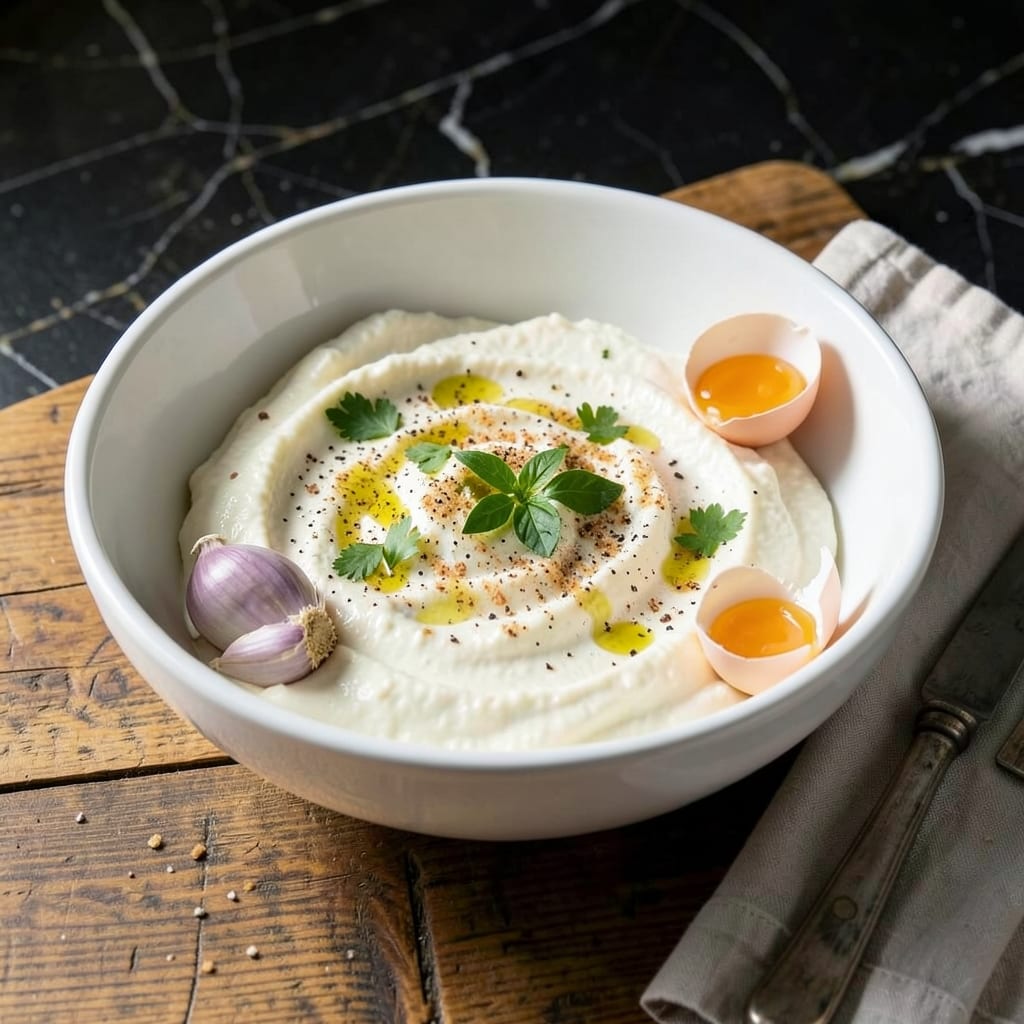
This ricotta filling transforms lasagna from good to extraordinary with its light yet creamy texture that holds up perfectly between layers. The secret lies in balancing rich ricotta with just enough egg to bind without becoming dense.
I developed this mixture after testing countless variations to achieve the ideal consistency—smooth enough to spread easily, structured enough to maintain distinct layers. Fresh herbs and parmesan add depth while keeping the focus on that signature creamy base.
What you get is a filling that bakes up tender and slightly set, with a delicate richness that complements rather than overpowers the other lasagna components. The egg ensures it holds together beautifully when sliced.
Use this as your go-to base for any lasagna variation, knowing it will deliver consistent, restaurant-quality results every time.
Ingredients for Recipe for Ricotta Filling for Lasagna
Eight ingredients create that light, creamy lasagna filling you have been dreaming about.
| Ingredient | Amount | Notes |
|---|---|---|
| Whole-Milk Ricotta Cheese 🧀 | 2 cups | Drained overnight for thickness |
| Parmesan Cheese 🧀 | 1 cup | Freshly grated from wedge |
| Large Eggs 🥚 | 2 whole | Room temperature, lightly beaten |
| Fresh Basil Leaves 🌿 | ¼ cup | Finely chopped for even distribution |
| Fresh Parsley Leaves 🍃 | ¼ cup | Finely chopped, flat-leaf variety |
| Garlic Cloves 🧄 | 3 cloves | Minced to paste consistency |
| Sea Salt 🧂 | 1 tsp | Fine grain for even seasoning |
| Black Pepper 🌶️ | ½ tsp | Freshly ground for best flavor |
| Nutmeg 🌰 | ¼ tsp | Freshly grated preferred |
[recipe_ingredient_scaler]
The ricotta is the foundation, so splurge on whole-milk from a trusted brand like BelGioioso or Calabria. Draining it overnight (just line a colander with cheesecloth) transforms it from watery to luscious. For the Parmesan, skip the pre-grated—it’s coated in anti-caking agents that mute flavor. Fresh herbs are non-negotiable; dried simply won’t give that bright, fresh pop you’re after.
No fresh herbs? Dried basil and parsley at one-third the amount works in a pinch, but add a splash of lemon juice to brighten it up. Out of nutmeg? A pinch of ground allspice mimics its warmth. If your ricotta is extra watery, add an extra egg to help bind it. The garlic can be adjusted to taste—three cloves gives a gentle background, but four or five won’t overpower if you love that punch.
This filling keeps beautifully in the fridge for 2 days before assembling lasagna. Once layered, bake immediately or refrigerate up to 24 hours. Freeze the filling alone for 3 months—perfect for making lasagna on demand (thaw overnight in the fridge).
Why You’ll Love This Recipe
- Five-Minute Mix: I just dump ricotta, Parmesan, eggs, and herbs in one bowl—no pre-cooking, no fuss.
- Bright Herb Pop: The fresh basil and parsley give it that garden-fresh zing that dried herbs can’t touch.
- Freezes Like a Dream: I’ll double the batch, freeze half, and pull it out for last-minute lasagna nights.
- Stretches Further: A single tub of ricotta turns into enough filling for a 9×13 pan, feeding my whole crew without breaking the bank.
Step-by-Step Instructions for Ricotta Filling for Lasagna
Here’s the method I use to create a light yet rich ricotta base that layers beautifully.
Step 1: Prepare and Drain the Ricotta
Start with the 2 cups Whole-Milk Ricotta Cheese that’s been drained overnight. I like to transfer it to a fine-mesh strainer lined with cheesecloth and let it sit in the refrigerator for at least 12 hours to remove excess moisture. This step transforms the ricotta from watery to thick and spreadable.
You’ll notice the texture changes dramatically—what began as a loose, milky cheese becomes dense and almost dough-like. This ensures your filling won’t make the lasagna soggy during baking. Give it a final gentle press with a spatula to remove any last drops of liquid before mixing.
Step 2: Combine Cheeses and Seasonings
In a large mixing bowl, combine the drained ricotta with the 1 cup Parmesan Cheese. I always use freshly grated from a wedge—it melts more smoothly than pre-grated and has a sharper, more authentic flavor that cuts through the richness of the ricotta.
Add the 1 tsp Sea Salt, 0.5 tsp Black Pepper, and 0.25 tsp Nutmeg. The nutmeg is subtle but essential—it adds a warm depth that complements the other flavors. Stir these together until just combined, being careful not to overmix and make the ricotta grainy.
Step 3: Incorporate Eggs and Aromatics
Make a well in the center of the cheese mixture and add the 2 whole Large Eggs. I use room temperature eggs because they blend more evenly into the ricotta. Gently fold them in with a spatula until no streaks of egg remain visible.
Now add the 3 cloves Garlic Cloves minced to a paste, 0.25 cup Fresh Basil Leaves, and 0.25 cup Fresh Parsley Leaves, both finely chopped. The garlic paste distributes more evenly than minced cloves, while the fresh herbs add bright, green notes that balance the richness. Fold everything together until just uniform—you want visible flecks of herb, not a green purée.
Step 4: Check Consistency and Adjust
The filling should be thick but still spreadable, like a very stiff batter. If it seems too loose after mixing, let it sit for 10 minutes—the ricotta will absorb some of the moisture from the eggs and herbs. If it’s still too thin, you can add a bit more Parmesan to thicken it.
Taste and adjust seasoning if needed, though remember the flavors will intensify slightly during baking. The filling should taste balanced on its own—slightly salty, with a hint of nutmeg warmth and fresh herb brightness. This is your foundation for a creamy, well-seasoned lasagna layer.
Pro Tips For Making Recipe For Ricotta Filling For Lasagna
- Drain the Ricotta: I learned this the hard way—whole-milk ricotta can be watery, so drain it in a fine-mesh sieve for 15-20 minutes before mixing to prevent a soggy lasagna.
- Grate Fresh Parmesan: Pre-shredded Parmesan has anti-caking agents that make the filling grainy; a quick grate of fresh Parmesan melts smoothly and tastes richer.
- Temper the Eggs: Mix the eggs lightly in a separate bowl first, then slowly stir in a spoonful of warm ricotta before combining everything—this keeps them from scrambling when they hit the cheese.
- Chop Herbs Fine: Basil and parsley can be stringy if left whole, so mince them well for even distribution and a better texture in every bite.
Health Benefits of This Recipe
Protein Powerhouse
This filling packs a serious protein punch with 28 grams per serving from the ricotta and eggs. Protein is essential for muscle repair and keeps you feeling full longer. I love that it delivers this benefit without heavy meat.
Calcium Rich
Ricotta and parmesan make this a calcium powerhouse, providing about 40% of your daily needs per serving. This mineral is crucial for strong bones and teeth, especially important as we age. 💪
Healthy Fats
The whole-milk ricotta provides healthy fats that help your body absorb fat-soluble vitamins like A, D, E, and K. These fats also contribute to that wonderful creamy texture we all love in lasagna.
Vitamin Boost
You’ll get a good dose of vitamin A from the eggs and cheese, plus vitamin K from the fresh herbs. Vitamin A supports vision and immune function, while K is vital for blood clotting.
Low Carb Option
With only 4 grams of carbs per serving, this filling is perfect for low-carb diets. The carbs come mostly from the lactose in the cheese, making it a great choice for those watching their carb intake.
Fresh Herb Benefits
The fresh basil and parsley add more than flavor—they’re packed with antioxidants and vitamin C. These herbs also have anti-inflammatory properties, adding a healthy boost to your meal. 🌿
Nutrition Facts
Frequently Asked Questions
Can I use low-fat ricotta instead of whole-milk?
Low-fat ricotta works but produces a less creamy texture. For best results, stick with whole-milk or add an extra egg to compensate. The fat content contributes to that luscious mouthfeel we’re after.
How long can I store the filling before using it?
You can refrigerate the mixture in an airtight container for up to 2 days before assembling. For longer storage, freeze for up to 3 months and thaw overnight in the fridge.
Why does my filling turn out watery?
Watery filling usually means the ricotta wasn’t drained properly. Always drain it overnight in cheesecloth for the thickest consistency. If in a hurry, press it between paper towels for 30 minutes.
Can I make this without eggs?
Eggs help bind the filling, but you can omit them. The texture will be softer, and the layers might not hold as well. Add 2 tablespoons flour or breadcrumbs to help stabilize it.

Trained in classic French technique but raised on slow-cooked ribs and spicy rubs, she blends culinary skill with smoke and soul.
- Recipe for Boneless Pork Chops in Cast Iron Skillet: Sear and Baste to Juicy Perfection - October 3, 2026
- Recipe for Boneless Cross Rib Roast: Slow-Roasted Beef with Herb Crust - October 3, 2026
- Hamburgers in Sauce Recipe Crock Pot: Slow-Cooked Savory Delight - October 3, 2026