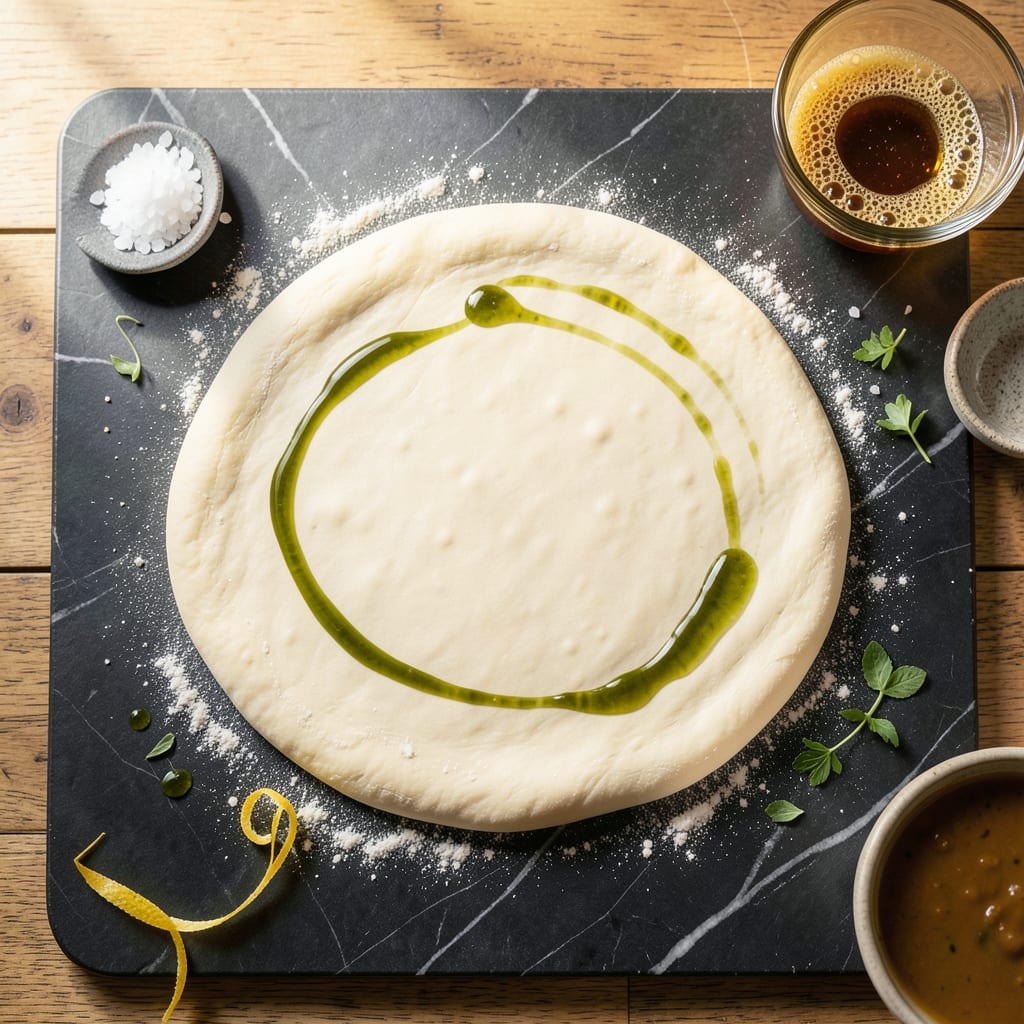
This no-fail pizza dough delivers a homemade crust with professional results every time. The method combines traditional techniques with modern convenience, ensuring a perfect base for your favorite toppings.
What sets this recipe apart is its reliability. With just a few simple ingredients and straightforward steps, you’ll achieve a dough that’s soft, elastic, and ready to rise. No special equipment is required—just your hands and a little patience.
The result is a golden, chewy crust that holds up to sauces and toppings without becoming soggy. Whether you prefer a thin crust or a thicker base, this dough adapts beautifully to your style.
Ideal for weeknight dinners or weekend gatherings, this recipe makes homemade pizza accessible to everyone. Follow the steps carefully for the best results.
Ingredients for Pampered Chef Pizza Dough
Simple pantry staples create this foolproof homemade pizza base with professional results every time.
| Ingredient | Amount | Notes |
|---|---|---|
| Bread Flour 🌾 | 3 ½ cups | Plus extra for dusting |
| Instant Yeast 🍞 | 2 ¼ tsp | One packet, active dry works too |
| Granulated Sugar 🍚 | 1 tsp | Feeds the yeast activation |
| Kosher Salt 🧂 | 1 ½ tsp | Diamond Crystal preferred |
| Olive Oil 🫒 | 2 tbsp | Extra-virgin for richness |
| Warm Water 💧 | 1 ¼ cups | 110-115°F for yeast |
| Cornmeal 🌽 | ¼ cup | For dusting pizza peel |
| Semolina Flour 🌾 | 2 tbsp | Optional for extra crisp |
| Honey 🍯 | 1 tsp | Optional for sweetness |
| Garlic Powder 🧄 | ½ tsp | Optional for flavor boost |
[recipe_ingredient_scaler]
The flour is non-negotiable here. King Arthur Bread Flour is my go-to for its high protein content—gives that chewy texture you want. Yeast needs to be fresh (check the expiration date), and instant yeast skips the blooming step. Warm water should feel like bathwater—not hot enough to kill the yeast. Pampered Chef fans swear by their dough whisk for mixing, but a wooden spoon works fine too.
No bread flour? All-purpose flour plus 1 tbsp vital wheat gluten per cup gets you close. Out of yeast? This isn’t a no-yeast recipe, so grab some from the store. Olive oil can be any neutral oil in a pinch, but extra-virgin adds flavor. The cornmeal prevents sticking (semolina adds crunch if you’ve got it). Skip the honey if you’re strict vegetarian—sugar works the same for the yeast.
Dough rises best in a warm spot—turn on your oven light for a makeshift proofing box. Keeps 3 days in the fridge or freezes beautifully for 1 month. Let it come to room temp before shaping for easiest handling.
Why You’ll Love This Recipe
- No-Fuss Mixing: I just dump the bread flour, yeast, sugar, and salt in a bowl—no proofing, no waiting, just add olive oil and water.
- Crisp Yet Tender: That olive oil gives it a rich flavor, while the bread flour makes the crust chewy inside but perfectly crisp on the edges.
- Endless Topping Options: I’ve used it for classic margherita, loaded veggie, and even dessert pizzas with cinnamon sugar. It handles everything.
- Makes Two Balls: Honestly, I always double the batch—one for dinner, one for the freezer. Saves me a trip to the store next week.
Step-by-Step Instructions for Homemade Pizza Dough
Here’s my no-fail method for achieving the perfect pizza crust every time.
Step 1: Activate the Yeast for Maximum Rise
In a small bowl, combine the 1.25 cups Warm Water with the 1 tsp Granulated Sugar and 1 tsp Honey. Stir until dissolved, then sprinkle the 2.25 tsp Instant Yeast over the surface. Let it sit for 5-7 minutes until foamy and bubbly—this visual cue confirms your yeast is alive and active.
I always check the water temperature with a thermometer to ensure it’s between 110-115°F. Too hot kills the yeast; too cold slows activation. The foam should look like the head on a freshly poured beer.
Step 2: Mix and Knead the Dough
In a large mixing bowl, combine the 3.5 cups Bread Flour and 1.5 tsp Kosher Salt. Make a well in the center and pour in the yeast mixture along with the 2 tbsp Olive Oil. Use a wooden spoon to stir until a shaggy dough forms.
Turn it out onto a lightly floured surface and knead for 8-10 minutes by hand until smooth and elastic. The dough should spring back when poked with a finger, indicating proper gluten development. If it’s sticky, add a sprinkle of bread flour, but don’t overdo it—wet dough makes better pizza crust.
Step 3: First Rise Until Doubled in Size
Lightly oil the mixing bowl and place the dough inside, turning to coat all sides. Cover with a damp kitchen towel and let rise in a warm, draft-free place for 1-2 hours, or until doubled in volume. I like to preheat my oven to 100°F, turn it off, and let the dough rise inside for consistent warmth.
You’ll know it’s ready when it’s puffy and an indent remains when you gently press it with a finger. This first rise develops flavor and creates those beautiful air pockets in your finished crust.
Step 4: Shape and Second Rise
Punch down the dough to release excess air, then divide it into 4 equal portions for individual pizzas. Roll each portion into a ball and place on a surface dusted with 0.25 cup Cornmeal to prevent sticking. For extra crispiness, I also sprinkle 2 tbsp Semolina Flour underneath each ball.
Optional flavor boost: Mix the 0.5 tsp Garlic Powder into the cornmeal before dusting. Cover loosely and let rest for 30 minutes. This second rise relaxes the gluten, making the dough easier to stretch and shape into a perfect round.
Step 5: Stretch and Prepare for Toppings
After the second rise, gently stretch each dough ball into a 12-inch round on your prepared surface. Use your knuckles to create a slightly thicker rim for the crust. The dough should be thin enough to see through slightly but thick enough to hold toppings without tearing.
If the dough resists stretching, let it rest for 5 minutes and try again. Once shaped, add your sauce and toppings immediately to prevent the crust from drying out. The cornmeal base ensures it will slide easily onto your preheated pizza stone or baking sheet.
Pro Tips For Making Pampered Chef Pizza Dough
- Warm the Water: Use water at 110°F—hotter kills yeast, colder slows activation. I learned this the hard way after a dough that refused to rise.
- Measure Flour Right: Spoon bread flour into your cup and level it off—scooping packs it down and adds 20% extra, making dense dough.
- Skip the Over-Kneading: Mix just until smooth, about 4-5 minutes. Overworking develops too much gluten, giving you a tough crust instead of chewy.
- Oil the Bowl Well: Use 1 tablespoon olive oil to coat the bowl before rising—this prevents sticking and makes punching down the dough way easier.
Creative Variations of This pampered chef pizza dough
Herb-Infused Dough
Add 1 tbsp dried Italian seasoning to the flour before mixing for an aromatic twist. I also love fresh rosemary—just finely chop 1 tbsp. The herbs infuse the crust with subtle flavor that pairs beautifully with any topping combination. 🌿
Whole Wheat Version
Replace 1.5 cups of bread flour with whole wheat flour for a nuttier, heartier crust. The dough will be slightly denser but packed with extra fiber. I find King Arthur White Whole Wheat works best for texture.
Cheesy Stuffed Crust
Roll ¼ cup shredded mozzarella into the edges before the final rise. When baked, it creates that irresistible gooey border everyone loves. Use low-moisture mozzarella to prevent sogginess in your perfect pizza base.
Garlic Parmesan Dough
Mix 2 tbsp grated Parmesan and ½ tsp garlic powder into the cornmeal before the second rise. This creates a flavorful, crispy bottom that adds depth to every bite. I always keep Kraft Parmesan on hand for this.
Thin Crust Adaptation
Divide the dough into 6 portions instead of 4 and roll each thinner. Bake at 475°F for 8-10 minutes for a crispy result. The key is rolling it paper-thin—almost translucent in spots. 🔥
Gluten-Free Option
Use 3 cups gluten-free all-purpose flour blend with 1 tbsp xanthan gum. The texture won’t be identical, but it still produces a delicious, sturdy crust. Let it rest for 20 minutes before shaping to improve elasticity.
Nutrition Facts
Frequently Asked Questions
Can I use all-purpose flour instead of bread flour?
Yes, but add 1 tbsp vital wheat gluten per cup of all-purpose flour. Bread flour’s higher protein creates better texture, but this substitution works in a pinch.
How do I know when the dough has risen enough?
It’s ready when it’s doubled in size and an indent remains when gently pressed. Typically takes 1-2 hours in a warm spot.
Can I make this dough ahead of time?
Store in the fridge for up to 3 days or freeze for 1 month. Let it come to room temperature before shaping for best results.
Why did my crust turn out dense?
Over-kneading or not letting it rise long enough can cause this. Knead just until smooth and allow it to rise until puffy.

Trained in classic French technique but raised on slow-cooked ribs and spicy rubs, she blends culinary skill with smoke and soul.
- Recipe for Boneless Pork Chops in Cast Iron Skillet: Sear and Baste to Juicy Perfection - October 3, 2026
- Recipe for Boneless Cross Rib Roast: Slow-Roasted Beef with Herb Crust - October 3, 2026
- Hamburgers in Sauce Recipe Crock Pot: Slow-Cooked Savory Delight - October 3, 2026