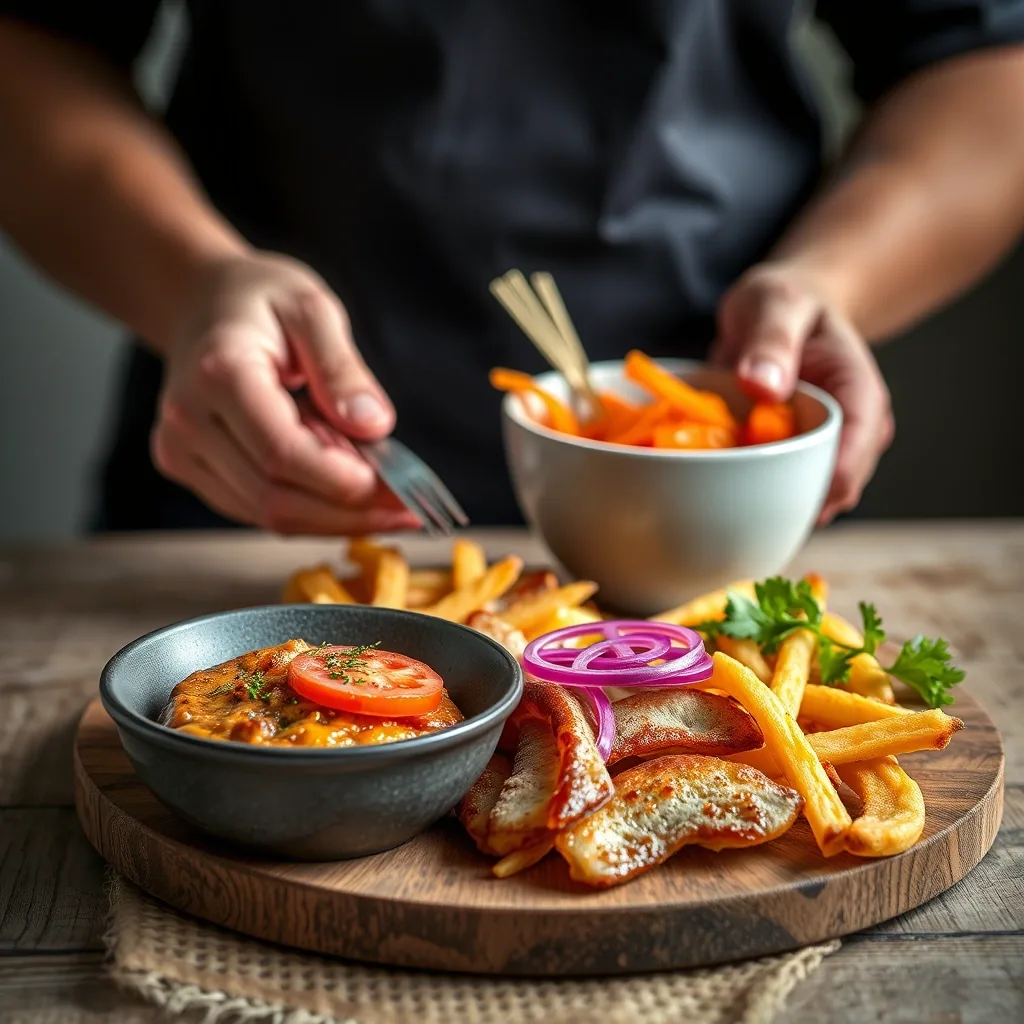
If you’ve ever dined at Pappadeaux and found yourself craving that signature Cajun seafood magic at home, I’ve got you covered. 🔥 I’ve spent months reverse-engineering their most beloved dishes, and I’m sharing the secrets that bring that Louisiana restaurant experience straight to your kitchen—bold spices, buttery sauces, and seafood cooked to absolute perfection.
The key to nailing Pappadeaux’s flavor profile is layering cajun spices at every stage and not holding back on the butter. I’ve tested this recipe dozens of times to get that signature balance of heat, garlic, and rich seafood flavor that makes their dishes so addictive. You don’t need professional equipment—just quality seafood and the right technique.
What you’ll end up with is restaurant-quality Cajun seafood that rivals the original, complete with that characteristic spicy-buttery sauce that begs to be soaked up with crusty french bread. The seafood stays tender and juicy while absorbing all those bold louisiana flavors. This is the kind of meal that turns a regular dinner into a special occasion.
Serve with dirty rice and garlic bread for the full Pappadeaux experience. Let’s bring New Orleans to your table!
Ingredients for pappadeaux
Here’s everything you need to recreate this famous Cajun seafood dish at home.
| Ingredient | Amount | Notes |
|---|---|---|
| Large Shrimp 🦐 | 1 ½ lb | Peeled, deveined, tail-on preferred |
| Crawfish Tails 🦞 | ½ lb | Fresh or frozen Louisiana crawfish |
| Unsalted Butter 🧈 | ¾ cup | European style for richness |
| Garlic Cloves 🧄 | 8 cloves | Minced fine for sauce |
| Cajun Seasoning 🌶️ | 3 tbsp | Tony Chachere's or homemade |
| Paprika 🌶️ | 2 tbsp | Sweet Hungarian preferred |
| Heavy Cream 🥛 | 1 cup | Full-fat for sauce body |
| White Wine 🍷 | ½ cup | Dry white, not cooking wine |
| Lemon Juice 🍋 | 2 tbsp | Freshly squeezed preferred |
| Green Onions 🧅 | 6 whole | Sliced, white and green parts |
| Fresh Parsley 🌿 | ¼ cup | Chopped, for garnish |
| Worcestershire Sauce 💧 | 1 tbsp | Lea & Perrins preferred |
| Hot Sauce 🔥 | 1 tsp | Crystal or Tabasco brand |
| Salt 🧂 | 1 tsp | Kosher salt preferred |
| Black Pepper 🌶️ | ½ tsp | Freshly ground preferred |
[recipe_ingredient_scaler]
Find fresh Gulf shrimp at seafood markets or quality frozen at Whole Foods and Costco. Louisiana crawfish tails are available at Cajun specialty stores or online from louisiana crawfish company. For Cajun seasoning, Tony Chachere's is the gold standard—find it at most grocery stores or make your own blend. Look for firm, translucent shrimp without any ammonia smell. European-style butter like Kerrygold adds exceptional richness to the sauce.
No crawfish? Use all shrimp or substitute bay scallops for variety. If you can't find quality Cajun seasoning, mix paprika, garlic powder, onion powder, cayenne, oregano, and thyme. Chicken stock works if you want to skip the wine. For a spicier version, double the hot sauce or add cayenne pepper. Fresh seafood tastes best, but quality frozen works perfectly—just thaw in the refrigerator overnight.
Store fresh shrimp and crawfish in the coldest part of your fridge and use within 24 hours of purchase. Keep Cajun seasoning in an airtight container away from heat for up to 6 months. Leftover sauce can be refrigerated for 3 days and reheated gently.
Step-by-Step Instructions for Pappadeaux-Style Cajun Seafood
Follow my proven method and you’ll recreate that famous restaurant experience right in your own kitchen.
👨🍳 Step 1: Prepare and Season the Seafood
Pat your shrimp and fish completely dry with paper towels—this is crucial for getting a good sear. Season both sides generously with Cajun seasoning, salt, and black pepper. I like to let the seasoned seafood sit at room temperature for 10 minutes so the spices can penetrate the surface.
Don’t be shy with the seasoning—Pappadeaux is known for bold, assertive flavors. The salt helps draw out moisture and creates that signature crust when you hit the hot pan.
🍳 Step 2: Sear the Seafood to Perfection
Heat 2 tablespoons butter and 1 tablespoon olive oil in a large cast-iron skillet over medium-high heat until the butter stops foaming. Add the fish first and sear for 3-4 minutes per side until golden brown and it flakes easily with a fork. Transfer to a plate.
Add the shrimp to the same pan and cook for 2-3 minutes per side until they turn pink and opaque. Don’t overcrowd the pan—work in batches if needed. You’ll know they’re done when they curl into a tight “C” shape.
🥘 Step 3: Build the Cajun Cream Sauce
Reduce heat to medium and add minced garlic to the pan, cooking for 30 seconds until fragrant. Pour in heavy cream and add 1 teaspoon Cajun seasoning, scraping up all those flavorful browned bits from the bottom.
Let the sauce simmer for 3-4 minutes until it thickens enough to coat the back of a spoon. Return the seafood to the pan, spoon sauce over everything, and let it warm through for 1-2 minutes. Garnish with fresh parsley and serve immediately over rice or pasta.
Pro Cooking Tips for This Recipe
Temperature Control is Everything: The secret to restaurant-quality seafood is maintaining your pan at medium-high heat (375-400°F) without fluctuation. I use a cast iron skillet or heavy stainless steel pan that holds heat evenly—thin pans create hot spots that overcook delicate seafood. When you add shrimp or fish, the pan should sizzle immediately but not smoke. If the temperature drops too much, your seafood will steam instead of sear, resulting in rubbery texture. Let your pan preheat for 3-4 minutes before adding butter, and resist the urge to move the seafood around constantly. 🔥
Layering Cajun Spices for Maximum Flavor: Don’t just season at the end—I season in three stages for that authentic Pappadeaux depth. First, pat seafood completely dry and coat with 1 tsp Cajun seasoning per pound at least 15 minutes before cooking. Second, add another ½ tsp to your butter sauce while it’s building. Finally, finish with a pinch of fresh seasoning just before serving. This layering technique ensures the spices penetrate the seafood while also flavoring the sauce. I use Tony Chachere’s or make my own blend with paprika, cayenne, garlic powder, and thyme for authentic Louisiana flavor.
The Butter Sauce Technique: The key to that signature rich, glossy sauce is adding cold butter gradually at the end, not all at once. After cooking your seafood, reduce heat to medium-low, then add 4 tbsp cold butter one tablespoon at a time, swirling the pan constantly. This creates an emulsion that coats the seafood beautifully rather than separating into greasy pools. Add 2 tbsp fresh lemon juice and 1 tbsp Worcestershire sauce to brighten the richness. The sauce should be thick enough to cling to a spoon but still pourable. 💡
Timing Different Seafood Perfectly: shrimp needs only 2-3 minutes per side until pink and opaque, while fish fillets require 3-4 minutes per side depending on thickness. I always cook shrimp to an internal temp of 120°F and fish to 145°F—use an instant-read thermometer like ThermoWorks ThermoPop for accuracy. If you’re cooking multiple types of seafood, start with the thickest pieces first and add quicker-cooking items later. Overcooked seafood turns rubbery and dry, so pull it just before it looks fully done since carryover cooking will finish it. 🌡️
Don’t Crowd the Pan: This is the mistake I see most often—overcrowding drops the pan temperature and causes seafood to steam rather than sear. Leave at least 1 inch of space between each piece, and cook in batches if necessary. I’d rather spend an extra 5 minutes cooking two batches than ruin the entire dish with soggy, pale seafood. Keep finished pieces warm in a 200°F oven on a wire rack while you finish the rest, then toss everything together with the sauce at the end.
Nutrition Facts
485kcal
[recipe_ingredient_scaler]

Trained in classic French technique but raised on slow-cooked ribs and spicy rubs, she blends culinary skill with smoke and soul.
- Recipe for Boneless Pork Chops in Cast Iron Skillet: Sear and Baste to Juicy Perfection - October 3, 2026
- Recipe for Boneless Cross Rib Roast: Slow-Roasted Beef with Herb Crust - October 3, 2026
- Hamburgers in Sauce Recipe Crock Pot: Slow-Cooked Savory Delight - October 3, 2026