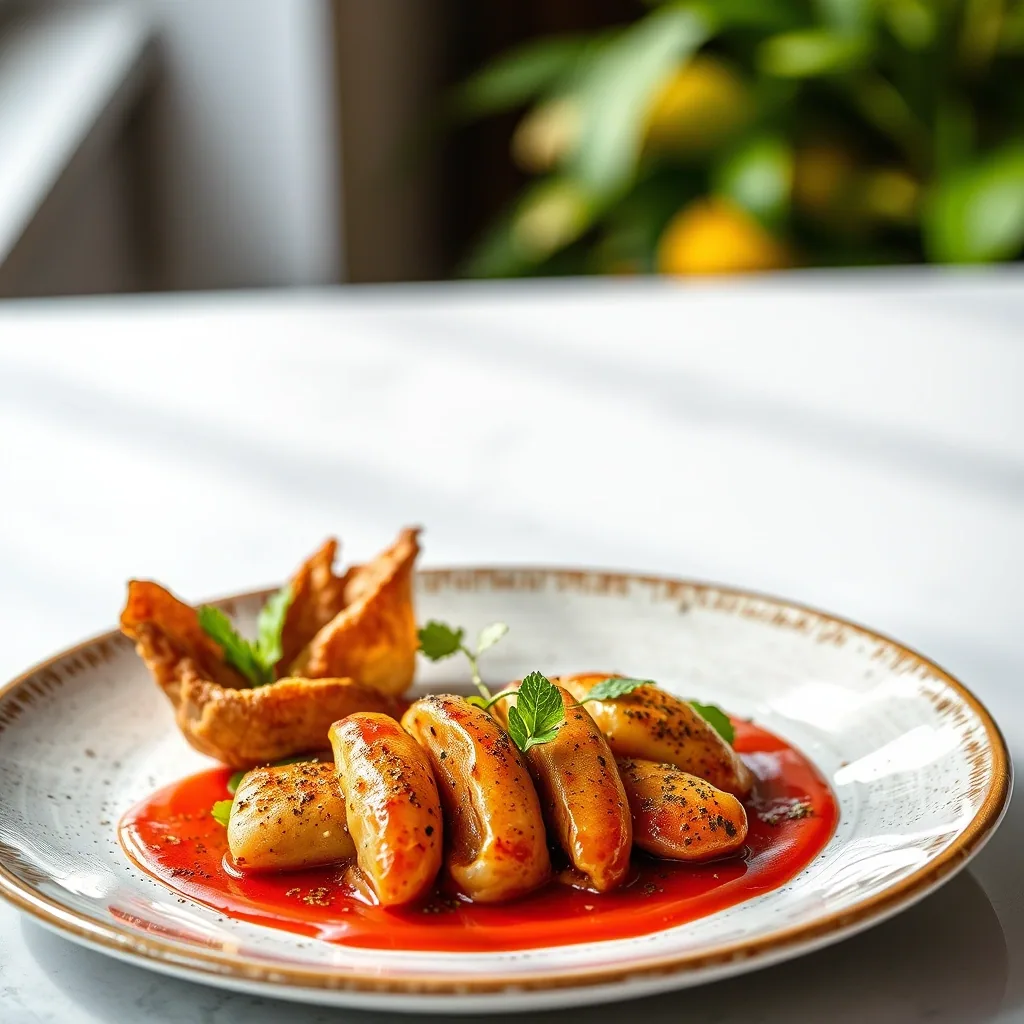
I’ve been obsessed with recreating Pei Wei’s teriyaki chicken at home ever since my last takeout order left me craving more. 💛 The good news? You can achieve that same glossy, caramelized perfection in just 30 minutes with ingredients you probably already have in your pantry.
What makes this copycat recipe special is the homemade teriyaki sauce that rivals the restaurant version—sweet, savory, and sticky enough to cling to every piece of chicken. I’ve tested this dozens of times to nail that signature char and tender texture that keeps you coming back for more.
By the time you’re done, you’ll have juicy chicken pieces coated in a glossy teriyaki glaze with perfectly crisp edges and restaurant-quality flavor. Serve it over steamed rice with stir-fried vegetables, and you’ve got a takeout-worthy meal without leaving your kitchen.
Let’s bring Pei Wei home tonight! ✨
Ingredients for pei wei teriyaki chicken
Here’s everything you need to recreate Pei Wei’s signature teriyaki chicken at home tonight.
| Ingredient | Amount | Notes |
|---|---|---|
| Chicken Breast 🍗 | 1 ½ lb | Boneless, skinless, cubed |
| Soy Sauce 🧂 | ½ cup | Low sodium preferred |
| Brown Sugar 🍯 | ⅓ cup | Light or dark both work |
| Honey 🍯 | 2 tbsp | Adds glossy finish |
| Rice Vinegar 💧 | 1 tbsp | For tangy balance |
| Garlic Cloves 🧄 | 3 cloves | Minced fresh |
| Fresh Ginger 🌿 | 1 tbsp | Grated fresh |
| Cornstarch 🌾 | 1 tbsp | For thickening sauce |
| Sesame Oil 🫒 | 1 tsp | Toasted for depth |
| Vegetable Oil 🫒 | 2 tbsp | For high heat cooking |
| Green Onions 🧅 | 2 whole | Sliced for garnish |
| Sesame Seeds 🌾 | 1 tbsp | Toasted for topping |
[recipe_ingredient_scaler]
Shop at Whole Foods or Asian markets for the best quality soy sauce—I recommend San-J or Kikkoman for authentic flavor. Fresh ginger is essential and available in most produce sections. Choose chicken breasts that are plump and pale pink, avoiding any with grayish tones. For honey, local farmers markets offer the best flavor if you have access.
Can't find rice vinegar? Substitute apple cider vinegar at half the amount. If you only have regular soy sauce, reduce the added salt since it's saltier than low-sodium. Fresh ginger can be replaced with ground ginger at one-third the amount. No cornstarch? All-purpose flour works but creates a slightly cloudier sauce.
Store leftover teriyaki chicken in an airtight container for up to 4 days. The sauce thickens as it cools, so reheat with a splash of water. Fresh ginger keeps for weeks wrapped in paper towels in the crisper drawer.
Step-by-Step Instructions for Pei Wei Teriyaki Chicken
Follow my proven method and you’ll recreate this restaurant favorite in just 30 minutes.
👨🍳 Step 1: Prepare and Marinate the Chicken
Cut boneless, skinless chicken breasts into 1-inch cubes for quick, even cooking. I like to trim off any excess fat or tendons first—this ensures tender bites in every piece. Place the chicken in a bowl and toss with 2 tablespoons cornstarch and a pinch of salt. The cornstarch creates a light coating that helps the teriyaki sauce cling beautifully and adds a subtle crispness when you sear the chicken.
Let the chicken sit for 10 minutes while you prep your vegetables and make the sauce. This brief rest allows the cornstarch to absorb moisture from the chicken, creating better texture when it hits the hot pan.
🍳 Step 2: Sear the Chicken Until Golden
Heat 2 tablespoons vegetable oil in a large skillet or wok over high heat until it shimmers. Add the chicken in a single layer (work in batches if needed—don’t crowd the pan) and cook undisturbed for 2-3 minutes until the bottom turns golden brown. Flip and cook another 2-3 minutes until cooked through and the internal temperature reaches 165°F.
I resist the urge to stir constantly—letting the chicken sit develops that caramelized crust that makes this dish special. Transfer the cooked chicken to a plate and set aside.
🥘 Step 3: Stir-Fry Vegetables and Combine
In the same skillet, add sliced bell peppers, onions, and broccoli florets. Stir-fry over high heat for 3-4 minutes until crisp-tender—the vegetables should still have a slight crunch. Pour in your homemade teriyaki sauce (soy sauce, mirin, brown sugar, garlic, and ginger) and bring to a simmer.
Return the chicken to the skillet and toss everything together for 1-2 minutes until the sauce thickens and glazes the chicken and vegetables with a glossy coating. The sauce should cling to every piece without pooling at the bottom. Serve immediately over steamed white rice and garnish with sesame seeds and sliced green onions.
Perfect Pairings for This Dish
Side Dishes: Steamed jasmine rice is the classic pairing—I use 2 cups cooked rice per serving to soak up all that glossy teriyaki sauce. For a healthier twist, cauliflower rice works beautifully and adds only 25 calories compared to regular rice’s 200 calories per cup. Stir-fried vegetables like snap peas, bell peppers, and broccoli add crunch and color—I toss them in 1 tbsp sesame oil with garlic for 3-4 minutes until crisp-tender. Edamame sprinkled with sea salt provides protein and a fun finger-food element that kids love. 🥗
Asian-Inspired Sides: Pei Wei’s signature fried rice makes an excellent companion—cook day-old rice in a hot wok with 2 beaten eggs, frozen peas, carrots, and 2 tbsp soy sauce. Their cucumber salad with rice vinegar dressing offers refreshing contrast to the sweet teriyaki glaze—I slice 2 English cucumbers thin and marinate them in 3 tbsp rice vinegar, 1 tsp sugar, and sesame seeds for 15 minutes. Spring rolls or pot stickers round out the meal perfectly, especially when dipped in extra teriyaki sauce or sweet chili sauce.
Beverage Pairings: Green tea (hot or iced) is my go-to drink—its slight bitterness balances the sweet teriyaki sauce beautifully. For beer lovers, a crisp Japanese lager like Sapporo or Asahi cleanses your palate between bites without overwhelming the dish. Sake works wonderfully too—I prefer a Junmai style served slightly chilled. For non-alcoholic options, sparkling water with lime or a light ginger ale complements the Asian flavors without adding heaviness. 🍺
Wine Suggestions: If you prefer wine, choose a slightly sweet Riesling or Gewürztraminer—the fruity notes harmonize with teriyaki’s sweetness while the acidity cuts through the richness. A light-bodied Pinot Noir with cherry flavors also works if you prefer red wine. Avoid heavy, oaky wines that compete with the sauce’s complex flavors. I’ve found that Oregon Rieslings pair particularly well with this dish. 🍷
Complementary Flavors: Add toasted sesame seeds and sliced green onions on top for nutty crunch and fresh bite—about 1 tbsp sesame seeds and 2 tbsp green onions per serving. A squeeze of fresh lime juice brightens the entire dish and adds acidity that balances the sweet sauce. For heat lovers, drizzle sriracha or sprinkle red pepper flakes to create sweet-spicy contrast. Pickled ginger on the side refreshes your palate between bites, just like at the restaurant.
Nutrition Facts
485kcal
[recipe_ingredient_scaler]

Trained in classic French technique but raised on slow-cooked ribs and spicy rubs, she blends culinary skill with smoke and soul.
- Recipe for Boneless Pork Chops in Cast Iron Skillet: Sear and Baste to Juicy Perfection - October 3, 2026
- Recipe for Boneless Cross Rib Roast: Slow-Roasted Beef with Herb Crust - October 3, 2026
- Hamburgers in Sauce Recipe Crock Pot: Slow-Cooked Savory Delight - October 3, 2026