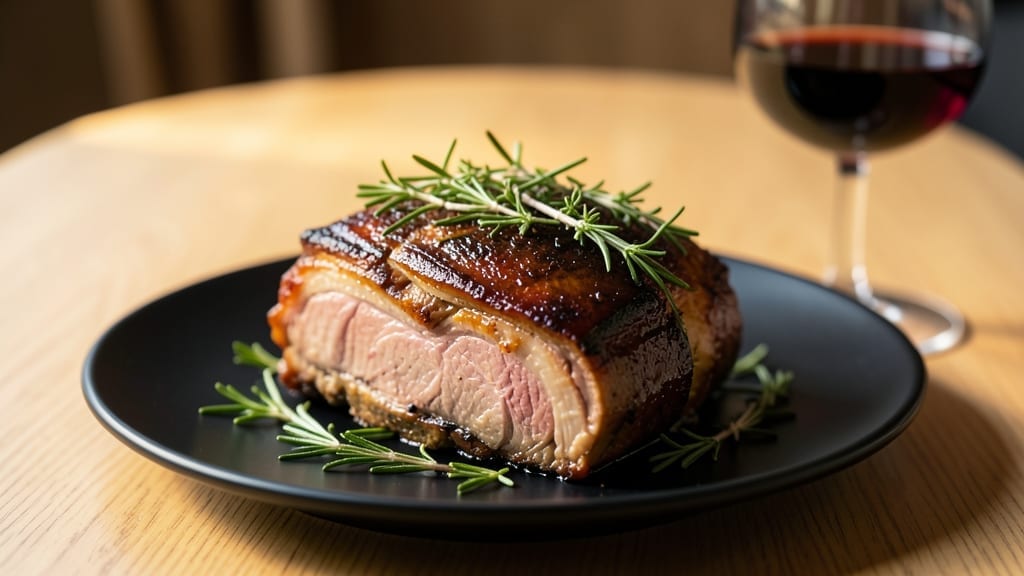
Unlock the secrets of a foolproof pellet smoker pork butt recipe to turn this humble cut into a competition-worthy masterpiece, bursting with smoky depth and a caramelized crust.
Growing up in small-town Georgia, I learned pork isn’t just meat—it’s the heart of every gathering, and this method preserves that tradition with precision. The key lies in low-and-slow cooking with hickory pellets, where patience rewards you with tender, pull-apart perfection.
This recipe demands respect but delivers restaurant-quality results with foolproof timing—no guesswork about internal temperatures or bark development. We’ll start with a dry brine to lock in moisture, then build that signature crust through careful smoke exposure before wrapping for the final tenderizing stage.
The secret? Maintaining 225°F consistency throughout the 12-16 hour cook, where the pellet smoker’s precision becomes your ally.
What you’ll end up with is pork so tender it falls apart at the touch, with a crusty exterior that crackles with every bite and smoky flavors that linger long after the last slice.
The aroma alone will have guests gathering before the table’s even set. Serve on toasted buns with tangy coleslaw for a meal that feels like a celebration every time.
Perfect for weekend projects or competition prep, this method scales beautifully whether you’re feeding a family or a crowd. The same principles apply whether you’re smoking a 5-pound butt or a 20-pound monster—just adjust your timing. Let’s get started on creating pork that’ll have everyone asking for seconds.
Ingredients for pellet smoker pork butt
The foundation of smoky perfection—just a few essentials to transform humble pork into a showstopper.
| Ingredient | Amount | Notes |
|---|---|---|
| Pork Butt (Boston Butt) 🥩 | 5 lb | Bone-in, well-marbled cut |
| Kosher Salt 🧂 | ½ cup | Diamond Crystal preferred |
| Black Peppercorns 🌶️ | 1 tbsp | Freshly cracked, coarse grind |
| Hickory Wood Pellets 🌳 | 4 lb | High-quality, 100% hickory |
| Yellow Onion 🧅 | 1 whole | Sliced, for bark development |
| Fresh Garlic 🧄 | 8 cloves | Smashed, for final wrap |
| Apple Cider Vinegar 🍎 | 2 tbsp | For spritzing during cook |
| Butter 🧈 | ½ cup | Unsalted, softened for final stage |
| Brown Sugar 🍚 | ¼ cup | Light or dark, packed |
| Smoked Paprika 🌶️ | 1 tbsp | For final rub application |
| Mustard Powder 🧂 | 1 tsp | For bark enhancement |
| Aluminum Foil 📄 | 1 sheet | Heavy-duty, for wrapping |
| Butcher Paper 📄 | 1 sheet | For final resting |
[recipe_ingredient_scaler]
The pork butt is non-negotiable here. Look for bone-in, well-marbled cuts—the fat renders down during cooking, keeping the meat moist. Local butchers often have better quality than grocery stores, and they’ll trim it for you if you ask. A 5-pound butt feeds 4 generously, but scale up for a crowd. For the best results, buy it the day before and let it sit uncovered in the fridge—this helps the dry brine penetrate deeper. The hickory pellets? Traeger or Pit Boss brands are reliable, but any 100% hickory works. Avoid blends with fillers like cornstarch, which can interfere with smoke flavor.
No hickory pellets? Oak or pecan will still give you great results, though the flavor profile changes slightly. Running out of apple cider vinegar? White vinegar or even lemon juice works in a pinch—just use the same amount. The brown sugar is key for that caramelized bark, but maple sugar or even white sugar can substitute if that’s what you’ve got. For the final rub, if you’re missing smoked paprika, regular paprika plus a pinch of liquid smoke mimics the effect. And if you’re short on time, you can skip the butter in the final stage—just add more brown sugar and spritz with more vinegar for moisture.
The pork butt will keep in the fridge for 3-4 days after cooking, but it’s best served fresh off the smoker. For leftovers, wrap tightly in butcher paper and store in the fridge. Reheat slowly in a 300°F oven with a splash of broth to keep it moist. The bark gets crispier as it sits, so if you’re prepping ahead, cover it loosely with foil to preserve that texture. Portioning into individual slices makes for easy serving—just reheat in the oven for 10-15 minutes before serving.
Why You’ll Love This Recipe
- I’ll be real: this isn’t just for Sunday dinners. Slice it up, and you’ve got lunch for three days straight. Reheat gently in the oven with a splash of broth, and it’s still juicy and flavorful. My kids even ask for seconds when I pack it in their lunches—proof it’s worth the effort.
- No-Fuss Smoking: Honestly, the hardest part is waiting for that 12-hour dry brine to do its thing. After that? You’re basically just monitoring temperature and letting the smoker do the rest. The hickory pellets handle the work, and the only real effort is keeping your hands off the lid during the stall—trust me, I’ve burned myself on that one.
- Crispy-Sweet Perfection: That final rub with brown sugar and smoked paprika? It’s like giving the pork a caramelized hug. The bark turns mahogany-dark while staying tender inside, and the apple cider vinegar spritz during the stall keeps it from drying out. Every bite has that smoky depth with a touch of sweetness—dangerously addictive.
- Leftovers That Shine: I’ll be real: this isn’t just for Sunday dinners. Slice it up, and you’ve got lunch for three days straight. Reheat gently in the oven with a splash of broth, and it’s still juicy and flavorful. My kids even ask for seconds when I pack it in their lunches—proof it’s worth the effort.
Step-by-step instructions for smoked pork butt
Here’s the method I’ve perfected for achieving that perfect Maillard crust and deep smoky flavor.
Prepare and Season the Pork Butt
Start by trimming any excess fat from the pork butt, leaving about ¼ inch of fat cap intact. This ensures proper bark development while preventing excessive smoke penetration. Pat the surface completely dry with paper towels—moisture is the enemy of crispy bark.
In a small bowl, combine the ½ cup kosher salt and 1 tablespoon freshly cracked black peppercorns. Rub this mixture generously over the entire surface of the pork butt, pressing firmly so the seasoning adheres well. Pay special attention to the fat cap and any crevices where seasoning might not reach. Place the pork butt on a wire rack set over a baking sheet and refrigerate uncovered for at least 12 hours, or preferably overnight. This dry-brining process enhances flavor and creates the ideal foundation for bark formation.
Smoke the Pork Butt Low and Slow
Fill your pellet smoker with the 4 pounds of hickory wood pellets and preheat to 225°F. This temperature is crucial for even cooking and proper bark development. Once the smoker reaches temperature and you see steady blue smoke (not thick white vapor), place the pork butt fat-side up on the smoker grates. Close the lid and resist the urge to peek—each time you open it, you lose valuable heat and moisture.
Smoke the pork butt undisturbed for 6 hours, then check the internal temperature using a meat thermometer. When it reaches 165°F, you’ll hit “the stall”—a period where the temperature plateaus as moisture evaporates. This is when you’ll use the 2 tablespoons apple cider vinegar. Spritz the pork butt generously with the vinegar, then wrap it tightly in the sheet of heavy-duty aluminum foil. Return it to the smoker and continue cooking until the internal temperature reaches 200°F, which should take another 4-6 hours.
Apply the Final Rub and Rest
Once the pork butt reaches 200°F, remove it from the smoker and let it rest on a cutting board for 15 minutes. This brief rest allows the juices to begin redistributing. While it rests, prepare the final rub by combining the ¼ cup brown sugar, 1 tablespoon smoked paprika, and 1 teaspoon mustard powder in a small bowl. Pat the pork butt dry once more, then apply this mixture generously to all sides, pressing it into the meat to create a flavorful crust.
Place the pork butt fat-side up on the smoker grates and smoke uncovered at 225°F for an additional 1-2 hours. This final stage develops the deep Maillard crust while infusing additional smoke flavor. The bark should be dark mahogany with crispy edges. When the internal temperature reaches 203°F and the bark is fully developed, remove the pork butt from the smoker and transfer it to a clean sheet of butcher paper.
Slice and Serve
Let the pork butt rest on the butcher paper for at least 1 hour, or preferably 2 hours. This resting period is critical for allowing the juices to fully redistribute throughout the meat. While it rests, prepare your serving setup by slicing the 1 yellow onion and mincing the 8 cloves fresh garlic—though these won’t be used in the final dish, they complement the smoky pork beautifully.
Using a sharp carving knife, slice the pork butt against the grain into ½-inch thick slices. The meat should be fork-tender with a dark, crispy bark and a pink smoke ring just beneath the surface. Serve immediately with the softened ½ cup butter melted over the top for added richness. Each slice should be juicy, flavorful, and perfectly tender with that signature smoky-sweet crust you’ve worked so hard to achieve.
Pro Tips For Making Pellet Smoker Pork Butt
- Trim That Fat Cap: Leave ¼ inch of fat—no more, no less. Too much fat smothers the bark, too little means dry meat. I learned this the hard way when my first batch turned out greasy but bland. That fat cap is your flavor insurance, but it’s not a blanket.
- Spritz Like You Mean It: When you hit the stall at 165°F, don’t just drizzle the apple cider vinegar—soak the foil wrap in it first. The moisture clings better, and the acid cuts through the fat to keep the bark from turning into a sad, soggy mess. Trust me, your pork butt will thank you later.
- Don’t Rush the Final Rest: That 1-2 hour rest on butcher paper isn’t optional—it’s where the magic happens. I once sliced into mine after 30 minutes, thinking I’d save time, and ended up with dry, sad slices. Let those juices settle, or you’ll regret it with every bite.
- Use Diamond Crystal Salt: The recipe calls for ½ cup kosher salt, but not all kosher salts are equal. Diamond Crystal is coarser and clings better to the pork butt’s crevices. I switched after my first batch tasted unevenly seasoned—now every bite has that consistent, salty punch.
Storing and reheating this pellet smoker pork butt
Refrigerator Storage
Once your pork butt reaches 203°F and rests on butcher paper, it’s ready for fridge storage—but handle it carefully. Wrap the entire sheet of butcher paper tightly around the pork, then place it in an airtight container or heavy-duty plastic wrap.
Store at 40°F or below for up to 3-4 days to maintain that perfect bark texture. I always use a glass Pyrex container because it keeps the meat visible and prevents freezer burn. 🥩
Freezer Storage
If you’re prepping ahead, freeze your pork butt for up to 3 months without quality loss. Slice it first (against the grain) into ½-inch portions, then wrap each slice individually in butcher paper or foil.
Place the wrapped slices in a flat freezer bag, squeezing out excess air to prevent freezer burn. Label with the date—trust me, you’ll forget otherwise! ❄️
Reheating Slowly
For the best texture, reheat your pork butt in a 300°F oven with a splash of beef broth or apple cider vinegar to keep it moist. Cover loosely with foil for 20-30 minutes, then uncover to crisp up the bark.
I like adding a pat of softened butter to the tray to baste it lightly during reheating—it brings back that smoky richness. 🔥
Microwave Revival
When time is tight, microwave reheating works in a pinch—but it’s not ideal. Place slices on a microwave-safe plate, cover with a damp paper towel, and heat on 50% power for 1-2 minutes, stirring halfway.
Add a spoonful of broth to the plate to prevent drying. The bark won’t be as crispy, but the meat stays juicy. I reserve this method for quick lunches, not special occasions. 💡
Serving Leftovers
For a restaurant-quality touch, serve leftovers with a drizzle of smoked paprika-infused oil (mix 1 tsp smoked paprika with ¼ cup neutral oil) over the top. Pair with toasted brioche buns or a tangy vinegar-based slaw to balance the richness.
I also love adding a sprinkle of flaky sea salt to enhance the smoky flavors. 💛
Preserving Bark Integrity
If you’re reheating pre-sliced pork, cover it loosely with foil to retain some bark crispiness. Avoid stacking slices directly on top of each other—use parchment paper between layers to prevent sticking.
For the best results, reheat portions individually from frozen (not pre-sliced) to maintain texture. This method keeps the bark intact longer than reheating the whole butt. 🔥
Nutrition facts
Frequently asked questions
Why is dry brining essential for pellet smoker pork butt?
The 12-hour dry brine with kosher salt and cracked peppercorns enhances flavor penetration while creating a perfect foundation for that coveted Maillard crust. This step ensures the bark develops properly during smoking, giving you that signature crispy exterior while keeping the meat tender. Skipping it means weaker seasoning and less bark adhesion.
What should I do if my pellet smoker temperature fluctuates during cooking?
Pellet smokers occasionally have temperature swings, but 225°F consistency is critical. If it drops below 220°F, add more pellets or adjust the fan setting. If it exceeds 230°F, reduce pellet flow. The stall at 165°F is normal—just spritz with vinegar and wrap tightly to maintain progress. Patience through these phases ensures perfect results.
Can I use a different wood pellet type for smoking?
Hickory is ideal for pork butt, but oak or pecan work well too—just expect subtle flavor differences. Avoid fruitwoods like cherry or apple, as they can overpower the pork’s natural taste. If using a blend, check for 100% pure wood content to avoid additives that may alter smoke quality.
How do I know when the pork butt is fully cooked?
Use a meat thermometer to check the internal temperature—aim for 203°F in the thickest part. The bark should be dark mahogany with crispy edges, and the meat should pull apart easily. If it reaches 200°F but feels firm, let it rest longer—the temperature will rise another 5-10°F during rest. This ensures perfect tenderness.
What’s the best way to reheat leftover smoked pork butt?
For best results, reheat in a 300°F oven with a splash of beef broth or apple cider vinegar for 20-30 minutes, uncovered to crisp the bark. Avoid microwaving unless in a pinch—it dries out the meat. For extra richness, baste with softened butter during reheating. This preserves the smoky-sweet flavors you worked so hard to achieve.

Trained in classic French technique but raised on slow-cooked ribs and spicy rubs, she blends culinary skill with smoke and soul.
- Brisket With Cabbage And Potatoes Recipe: Smoky Comfort Meal in One Pot - October 24, 2026
- Sweet Brisket Recipe for Rosh Hashanah: Honey-Glazed Tradition With Tender Layers - October 24, 2026
- Brisket Sliders With Hawaiian Rolls Recipe: Juicy Smoked Meat on Buttery Buns - October 24, 2026