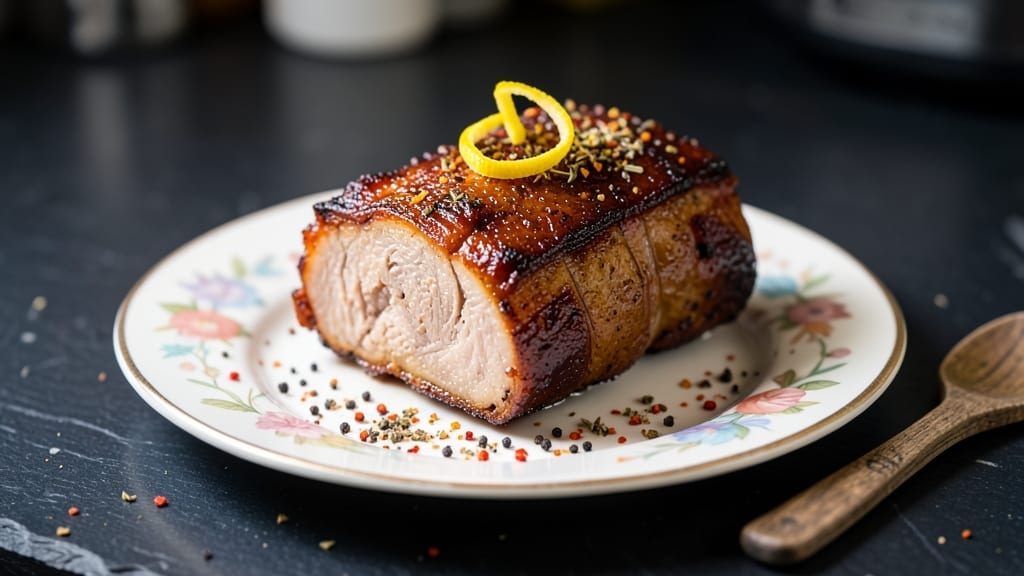
Master this pellet smoker rib roast recipe—where a bold, flavorful roast transforms into tender, smoky perfection through slow-cooked magic. The key lies in mastering the balance between low-and-slow heat and precise bark formation—something I perfected after years of experimenting in my backyard pit.
This rib roast recipe delivers restaurant-quality results with just 12 hours of hands-off smoking, making it ideal for weekend projects or special occasions.
The secret begins with a simple yet effective seasoning blend—coarse salt, black pepper, and a touch of smoked paprika—that creates a flavorful crust while allowing the natural beefy richness to shine through. Using hickory or cherry wood pellets adds that signature smoky depth without overpowering the meat.
The pellet smoker’s consistent temperature control ensures even cooking from edge to edge, eliminating the guesswork of traditional grilling.
By the time you pull this roast from the smoker, you’ll have a perfectly tender center with a dark, crackling bark that holds up to every bite. The internal temperature should reach 195°F for maximum tenderness, and resting it properly ensures juices redistribute for that foolproof result.
Serve with a simple au jus made from the pan drippings or alongside roasted root vegetables for a complete meal.
This method isn’t just about the end result—it’s about the experience. The aroma filling your kitchen as the smoke curls through the air is half the reward. Whether you’re feeding a crowd or treating yourself to a showstopping dinner, this pellet-smoked rib roast delivers on both flavor and technique.
Let’s get started on creating your masterpiece.
Ingredients for pellet smoker rib roast
Twelve ingredients create restaurant-quality pellet-smoked rib roast perfection in 12 hours.
| Ingredient | Amount | Notes |
|---|---|---|
| Bone-In Rib Roast (half beef rib section) 🥩 | 4 ½ lb | With ribeye cuts preferred |
| Coarse Kosher Salt 🧂 | 2 tbsp | Diamond Crystal preferred |
| Black Peppercorns 🌶️ | 1 tbsp | Freshly cracked, coarse |
| Smoked Paprika 🌶️ | 1 tbsp | For bark development |
| Hickory Wood Pellets 🪵 | 2 lb | Or cherry wood pellets |
| Apple Cider Vinegar 🍎 | 2 tbsp | For basting drizzle |
| Unsalted Butter 🧈 | ½ cup | Cubed for basting |
| Beef Stock 🥘 | 1 cup | For pan au jus |
| Fresh Rosemary 🌿 | 2 sprigs | For final garnish |
| Fresh Thyme 🌿 | 2 sprigs | For aromatics |
| Garlic Cloves 🧄 | 3 whole | Smashed for au jus |
| Butterfly Pepper 🌶️ | 1 tsp | For heat variation |
[recipe_ingredient_scaler]
The rib roast is your star—opt for a half beef rib section with visible fat marbling. Costco or ButcherBox deliver premium cuts, but local butchers often have better selection. Look for ribeye cuts (the more meat, the better) and avoid rib plates—they’re too lean. Trim excess fat (leave ¼-inch cap) for flavor without flare-ups. The Diamond Crystal kosher salt is non-negotiable for that perfect crust—regular table salt won’t dissolve evenly. Freshly cracked peppercorns add depth dried won’t match.
No hickory pellets? Cherry or pecan work equally well—just adjust smoke flavor preference. Short on time? Substitute 1 tbsp brown sugar with your smoked paprika for extra bark. The apple cider vinegar isn’t just for basting—it tenderizes and balances the smokiness. For au jus, use beef stock from Better Than Bouillon cubes if fresh isn’t available. Butterfly peppers add subtle heat, but skip them if you prefer classic smoky flavor—just add ½ tsp cayenne instead. The herbs are purely for garnish, but fresh thyme sprigs smell amazing while cooking.
Keep pellets dry in an airtight container—moisture ruins them. The roast rests 1 hour before slicing—this is non-negotiable for juiciness. Store leftovers in au jus for 5 days or freeze portions for 3 months. I always portion the au jus into ice cube trays—perfect for gravy later. The bark gets crispier as it cools, so wait 15 minutes before slicing. For extra smokiness, brush with leftover au jus before serving—trust me on this.
Why You’ll Love This Recipe
- Pellet Smoker Magic: That hickory smoke clinging to the rib roast? It’s like a flavor hug—no fancy marinades or hours of prep. Just a simple rub of salt, pepper, and smoked paprika, then let the smoker do the work while you sip a beer.
- Crispy Bark, Creamy Center: The bark from the smoked paprika and kosher salt? Chef’s kiss. But here’s the kicker: that same crispy edge melts into buttery tenderness inside. The garlic tucked into the meat and that butterfly pepper in the basting? Pure satisfaction.
- Leftovers That Last: Five days in the fridge, still tasting like Sunday dinner? Yes, really. Slice it up, toss it in au jus, and throw it on a bun for sandwiches or a skillet for breakfast hash. My kids even ask for seconds—no guilt, just good food.
- Weeknight Hero: Eight to nine hours on the smoker, but honestly? It’s set-and-forget. While the roast smokes, you’re prepping sides or unwinding. The au jus makes cleanup a breeze—just strain, simmer, and serve. No stress, all reward.
Step-by-step instructions for pellet smoker rib roast
Here’s how to transform your rib roast into smoky perfection with a deep bark and tender interior.
Prepare and Season the Rib Roast
Remove the rib roast from the refrigerator and pat it dry with paper towels, focusing on the ribeye side where the fat cap is thickest. This drying step is crucial for developing that crisp bark later. In a small bowl, combine the 2 tablespoons coarse kosher salt, 1 tablespoon freshly cracked black peppercorns, and 1 tablespoon smoked paprika. Rub this mixture all over the roast, pressing firmly so the spices adhere to the meat. Pay special attention to the bone side and edges.
Next, place the 3 garlic cloves near the center of the roast, tucking them into any crevices or the cavity if the roast has one. This ensures they’ll infuse the meat with their aromatic flavor during the smoke. Let the seasoned roast sit at room temperature for 30 minutes before smoking—this helps the meat cook more evenly and prevents temperature shock when it hits the smoker.
Set Up the Pellet Smoker
Fill the pellet hopper with the 2 pounds of hickory wood pellets and preheat the smoker to 225°F. Hickory provides a classic, medium-bodied smoke flavor that pairs beautifully with beef. Allow the smoker to stabilize for 15-20 minutes until you see steady, blue smoke with no white puffs—this indicates the pellets are burning cleanly and the temperature is consistent.
While the smoker heats up, prepare the basting mixture by melting the ½ cup unsalted butter in a small saucepan over low heat. Once melted, remove from heat and stir in the 2 tablespoons apple cider vinegar and 1 teaspoon butterfly pepper. This tangy, slightly spicy basting liquid will keep the meat moist and add depth of flavor. Keep the mixture warm until ready to use.
Smoke the Rib Roast Low and Slow
Place the seasoned rib roast on the smoker grates, bone-side down if possible, to help render the fat cap. Close the lid and maintain a consistent 225°F temperature. Smoke the roast for 8-9 hours, basting with the butter mixture every 90 minutes. I use a basting brush to apply a thin layer—this prevents the bark from becoming too soft while keeping the meat juicy.
During the last hour of smoking, add the 2 sprigs fresh rosemary and 2 sprigs fresh thyme to the smoker. The essential oils from these herbs will carry through the smoke and infuse the roast with their aromatic qualities. The internal temperature should reach 195-203°F by the end of this phase, at which point the meat will be fork-tender and pull apart easily.
Create the Au Jus and Rest the Roast
Once the roast reaches the target temperature, remove it from the smoker and transfer it to a cutting board. Tent loosely with aluminum foil and let it rest for 30 minutes. While it rests, prepare the pan au jus by placing the roast in a roasting pan or deep skillet. Pour the 1 cup beef stock around the roast and place it in a 350°F oven for 10 minutes to warm through the juices.
After resting, carefully remove the roast and slice it against the grain into ½-inch thick portions. Pour the pan au jus through a fine-mesh strainer into a saucepan and bring to a gentle simmer. Skim off any excess fat that rises to the surface, then return the sliced roast to the skillet to coat in the reduced au jus. Garnish each serving with additional rosemary sprigs and a sprinkle of cracked black pepper.
Pro Tips For Making Pellet Smoker Rib Roast
- Preheat Smoker Properly: That 15-20 minute wait for steady blue smoke isn’t optional—it’s how you avoid the bitter, acrid taste of burning pellets. I used to rush this, and my first two batches tasted like a campfire mishap. Let it stabilize first, even if you’re eager to start.
- Bone-Side Down First: Place the roast bone-side down on the grates to render that fat cap early. It’ll create a self-basting effect and give you a richer crust on the ribeye side later. Trust me, flipping it halfway through won’t save you—you’ll lose all that rendered goodness.
- Crack Those Peppercorns: Freshly cracked black peppercorns make a real difference in texture and flavor. Pre-grinding turns them into dust, which just sits on top. Use a mortar and pestle or a spice grinder—it’s worth the extra 30 seconds for that satisfying bite.
- Don’t Skip the Vinegar: The apple cider vinegar in the basting butter isn’t just for tang—it cuts through the richness and helps the smoked paprika stick to the meat. I used to leave it out, and the bark would always feel greasy instead of crisp. Stir it in, even if you’re not a fan of vinegar.
Make-ahead tips for pellet smoker rib roast
Pre-Smoke Prep
I always prep the night before if possible—this gives the rib roast time to come to room temperature naturally. Pat it dry thoroughly, especially the ribeye side, to maximize bark formation.
I like to trim excess fat to ¼-inch for safety, but leave enough fat cap to render and baste the meat.
Store the seasoning blend in a small container for easy access—just mix 2 tbsp Diamond Crystal kosher salt, 1 tbsp freshly cracked peppercorns, and 1 tbsp smoked paprika the morning of cooking. This saves time and ensures even distribution. 🔥
Pellet Prep Pro Tips
Never skip drying your pellets—keep them in an airtight container with a moisture absorber like silica packets. I use hickory pellets for classic flavor, but cherry works beautifully too—it adds a subtle sweetness.
Pre-soak pellets for 10 minutes if your smoker struggles with moisture control, but most modern pellet smokers don’t need this step. Always check your pellet hopper before starting—2 lbs should last the full 8-9 hours cook without refilling.
Make-Ahead Basting Sauce
Make your basting sauce the day before and refrigerate it in an airtight container. Melt ½ cup cubed butter with 2 tbsp apple cider vinegar and 1 tsp butterfly pepper, then let it cool completely.
Store it in the fridge until ready to use—this saves 15 minutes of prep time during your cook. The vinegar tenderizes as it sits, so your meat will be even more tender when you baste it every 90 minutes. 💫
Herb Infusion Hack
For maximum aroma infusion, bundle your 2 rosemary sprigs and 2 thyme sprigs with kitchen twine before adding them to the smoker. This keeps them intact and prevents them from falling into the meat.
Add them during the final hour of cooking so their essential oils carry through the smoke without overpowering. I also like to tie a few sprigs to the roast itself—this ensures the meat gets direct infusion. The result is a more complex, herb-forward flavor.
Au Jus Prep
Prepare your au jus ingredients ahead of time by smashing the 3 garlic cloves and storing them in a small bowl with the 1 cup beef stock. Keep this mixture refrigerated until you’re ready to warm it through in the oven.
I like to add a splash of 1 tbsp apple cider vinegar to the stock for extra depth—this balances the richness of the roast. The key is to keep everything organized so you can focus on the smoking process without scrambling during the final hour.
Serving Prep
Set your table and serving dishes before the roast even hits the smoker. Arrange your ½-inch thick slices on a warm platter, drizzle with au jus, and garnish with fresh herbs right after slicing.
I always keep a small bowl of au jus on the side for guests to add to their plates. This way, the roast rests properly while you finish plating—no rushing the final touches! The key is to have everything ready so you can enjoy the process without stress. ✨
Nutrition facts
Frequently asked questions
How do I ensure my pellet smoker rib roast gets a perfect bark?
Start by patting the roast dry thoroughly—especially the ribeye side—before seasoning. Use Diamond Crystal kosher salt and smoked paprika for even adhesion. Let it sit at room temperature for 30 minutes before smoking, then baste every 90 minutes with melted butter and apple cider vinegar. The bone-side-down placement helps render fat for that crispy crust.
Why is my pellet smoker struggling to maintain 225°F
?
Check your pellet hopper for moisture—damp pellets burn unevenly. Ensure your smoker’s fan is clean and the vents aren’t blocked. If needed, pre-soak pellets for 10 minutes to stabilize moisture. A pellet smoker should maintain 225°F consistently if the hopper is full and the pellets are dry. Most modern smokers handle this without issues, but occasional adjustments may be needed.
Can I use cherry wood pellets instead of hickory?
Cherry pellets add a subtle sweetness that pairs beautifully with beef. While hickory offers a classic, medium-bodied smoke, cherry enhances the natural sweetness of the roast. Both work well—just adjust your seasoning slightly if you prefer a milder smoke profile. The butterfly pepper in your basting sauce adds a nice contrast to either wood choice.
What if my roast reaches 195°F
but still feels tough?
Return it to the smoker for another 1-2 hours at 225°F until it reaches 203°F. Overly tough meat usually means it didn’t cook long enough. The 30-minute rest before slicing is also critical—this lets juices redistribute. If it’s still dry, consider adding a splash of beef stock to the au jus during the final 10-minute oven step.

Trained in classic French technique but raised on slow-cooked ribs and spicy rubs, she blends culinary skill with smoke and soul.
- Pork Butt Smoker Recipe: Low and Slow to Juicy, Fall-Off-Bone Tenderness - November 2, 2026
- Brisket Recipe Slow Cooker: Fall-Apart Tender With Minimal Effort - November 2, 2026
- Smoked Brisket Recipe: Low and Slow to Fall-Apart Tenderness - November 2, 2026