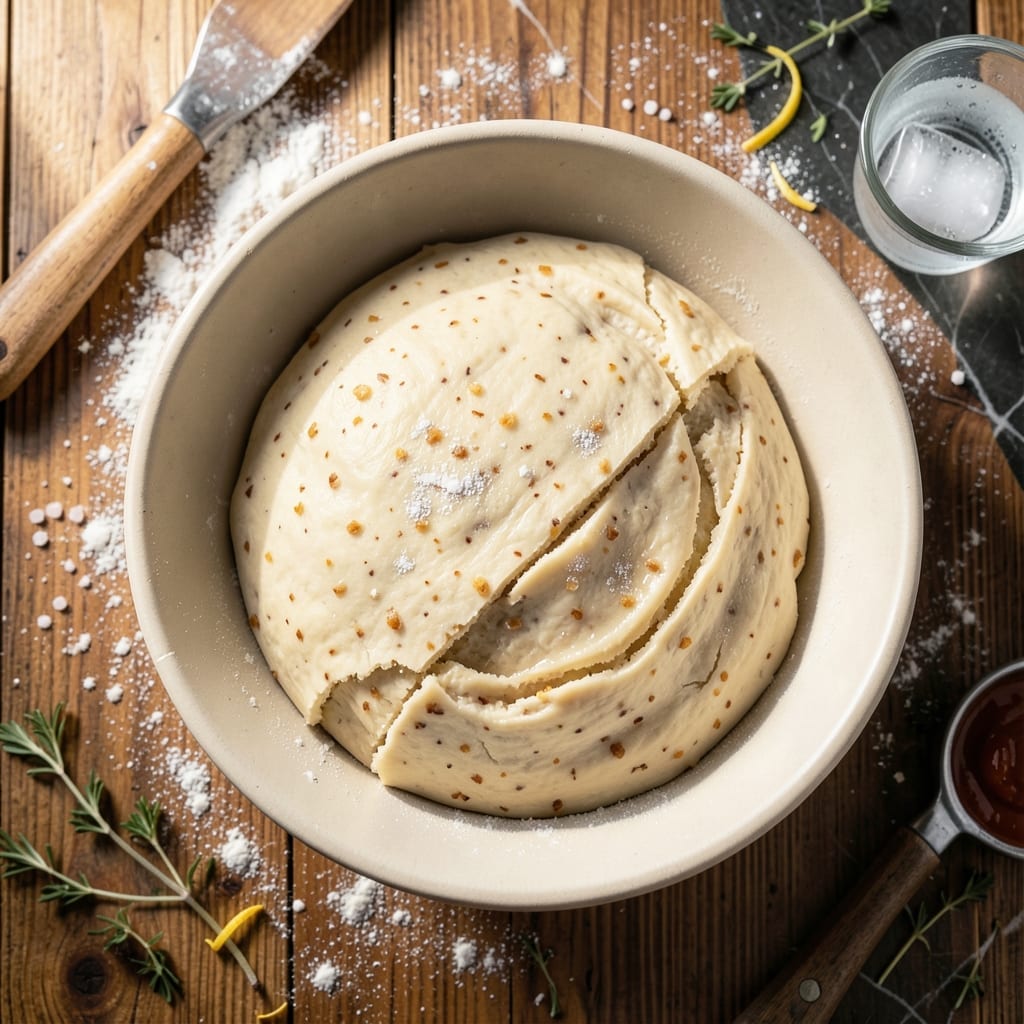
This lard-based crust delivers the flaky texture that made old-fashioned pies legendary. The method is straightforward yet precise, ensuring layers that shatter at the touch.
I’ve refined this approach over years of baking, perfecting the ratio of lard to flour for a crust that’s tender and rich. The key is keeping everything cold until it hits the oven.
Ingredients for Pie Crust Recipe with Lard
A few cold ingredients and precise ratios create that legendary flaky texture everyone remembers.
| Ingredient | Amount | Notes |
|---|---|---|
| All-Purpose Flour 🌾 | 2 ½ cups | Chilled for best texture |
| Lard 🧈 | ¾ cup | Leaf lard preferred for purity |
| Salt 🧂 | 1 tsp | Fine sea salt recommended |
| Ice Water 💧 | ¼ cup | Plus 1-2 tbsp as needed |
| Unsalted Butter 🧈 | ½ cup | Cold, cubed for flakiness |
| Sugar 🍚 | 1 tsp | Granulated, optional for sweet crusts |
| Apple Cider Vinegar 🍏 | 1 tsp | Enhances tenderness |
| Vodka 🍸 | 2 tbsp | Optional for extra flakiness |
[recipe_ingredient_scaler]
The lard is non-negotiable for authenticity. Leaf lard from a butcher gives the cleanest flavor—avoid hydrogenated shortening. King Arthur Flour or similar high-protein all-purpose works best. Chill your flour for 30 minutes before starting (the colder the better). For the butter, Plugrá or European-style has lower water content, which means fewer layers but better structure.
No lard? Shortening at a 1:1 ratio works but lacks depth. For a slightly healthier swap, coconut oil at 90% of the lard amount—just know it adds a mild coconut flavor. The vinegar can be omitted, but it tenderizes the gluten. If using vodka (a pro trick), don’t skip the water entirely—keep the total liquid at 6-8 tbsp. Sugar is optional, but a pinch balances savory pies.
The dough keeps in the fridge for 3 days or freezes for 3 months. Pre-portion into disks before freezing for easy roll-out later. Always work with cold dough—warm lard means a tough crust. Rest chilled dough 10 minutes before rolling to prevent shrinking.
Why You’ll Love This Recipe
- No-Fuss Dough: I mix the flour, lard, and ice water in one bowl—no chilling, no rolling nightmares, just ready-to-go crust in minutes.
- Buttery Crisp Edge: The lard and butter combo gives that flaky, golden crust that shatters just right with every bite.
- Holiday to Tuesday: I use this for Thanksgiving pies, but honestly, it’s just as good for a random weeknight chicken pot pie.
- Pantry Stable: Lard lasts forever in my cupboard, so I can whip this up without last-minute grocery runs.
Step-by-Step Instructions for Pie Crust With Lard
Master this technique for a perfectly flaky, tender crust with old-world richness and texture.
Step 1: Combine Dry Ingredients and Cold Fats
In a large mixing bowl, whisk together the 2.5 cups All-Purpose Flour, 1 tsp Salt, and 1 tsp Sugar until evenly distributed. The fine sea salt ensures even seasoning throughout the dough.
Add the 0.75 cup Lard and 0.5 cup Unsalted Butter (cubed and cold) to the flour mixture. Using a pastry cutter or your fingertips, work the fats into the flour until the mixture resembles coarse crumbs with some pea-sized pieces remaining. This creates the flaky layers that define a superior crust.
Step 2: Incorporate Liquid Ingredients Gradually
Create a well in the center of the flour-fat mixture. Add the 1 tsp Apple Cider Vinegar and 2 tbsp Vodka to the 0.25 cup Ice Water and stir to combine. The vinegar tenderizes the gluten, while the vodka adds flakiness without developing extra gluten.
Pour the liquid mixture into the well, using a fork to gently stir until the dough just begins to come together. If the mixture seems too dry, add 1-2 tbsp additional ice water as needed. Be cautious not to overmix—you want a shaggy, slightly crumbly dough at this stage.
Step 3: Shape and Chill the Dough
Turn the dough onto a lightly floured surface and gently press it together into a cohesive ball. Divide the dough into two equal portions and shape each into a disk about 1 inch thick. This makes rolling out easier later.
Wrap each disk tightly in plastic wrap and refrigerate for at least 1 hour (or up to 2 days). Chilling is critical—it relaxes the gluten, solidifies the fats, and prevents shrinking during baking. The dough should feel firm but pliable when ready to roll.
Step 4: Roll and Fit the Crust
On a floured surface, roll one disk into a circle about 12 inches in diameter and ⅛ inch thick. For a perfect fit, roll from the center outward, turning the dough occasionally to maintain an even shape.
Transfer the rolled dough to a 9-inch pie dish, pressing it gently into the bottom and sides. Trim the overhang to ½ inch and crimp the edges decoratively. For a pre-baked shell, chill for another 30 minutes before blind baking at 375°F for 15-20 minutes until lightly golden.
Pro Tips For Making Pie Crust Recipe With Lard
- Chill Your Lard: Cube the lard and freeze for 15 minutes before mixing—cold fat means flakier layers. I learned this the hard way after my first few crusts turned out dense.
- Use Ice-Cold Water: Fill a glass with ice water and measure from that, not the tap. Even slightly warm water can start melting the lard prematurely.
- Skip Overworking It: Mix just until the dough comes together—over-handling develops gluten, which makes the crust tough. Sounds weird, but it works.
- Rest the Dough: Let it sit wrapped in the fridge for at least 30 minutes before rolling. This relaxes the gluten and makes rolling easier—I skip this when I’m lazy, but the crust shrinks less when I don’t.
Storing and Reheating This pie crust recipe with lard
Refrigerator Storage
Wrap your dough disks tightly in plastic wrap or place in airtight containers to prevent drying. Store in the fridge at 40°F or below for up to 3 days. The cold keeps the lard firm, preserving those precious flaky layers. ❄️
Freezer Storage
For longer storage, freeze wrapped dough disks for up to 3 months. I recommend double-wrapping in plastic wrap and aluminum foil or using freezer-safe bags. Label with the date to track freshness.
Thawing Tips
Transfer frozen dough to the fridge and let it thaw overnight for best results. If you’re in a hurry, thaw at room temperature for 1-2 hours, but avoid microwaving, which can melt the lard unevenly.
Re-Rolling Chilled Dough
Let refrigerated dough rest at room temperature for 10-15 minutes before rolling. This softens it just enough to prevent cracking but keeps the lard cold. Lightly flour your surface to prevent sticking.
Pre-Baked Shell Storage
Once baked, cool the crust completely before storing. Wrap tightly and keep at room temperature for 1 day or freeze for up to 1 month. Re-crisp in a 350°F oven for 5-10 minutes before using.
Reheating Filled Pies
Warm filled pies in a 300°F oven for 15-20 minutes until heated through. Cover with foil if the crust browns too quickly. This revives the flakiness without drying out the filling. 🔥
Nutrition Facts
Frequently Asked Questions
Why use lard instead of butter in pie crust?
Lard creates a flakier texture because it has a higher melting point than butter. It also adds a rich, slightly savory depth that complements both sweet and savory fillings beautifully.
Can I substitute shortening for lard?
Yes, use the same amount by volume. Shortening behaves similarly but may lack lard’s distinct flavor. For best results, keep it cold like you would with lard.
How do I prevent the crust from shrinking?
Chill the dough thoroughly before rolling and avoid overworking it. Resting the dough in the pan for 30 minutes before baking also helps maintain its shape.
What’s the best way to blind bake this crust?
Prick the base with a fork, line with parchment, and fill with pie weights or dried beans. Bake at 375°F for 15-20 minutes until lightly golden.

Trained in classic French technique but raised on slow-cooked ribs and spicy rubs, she blends culinary skill with smoke and soul.
- Recipe For Fried Pork Chops In An Iron Skillet: Crispy Crust With Juicy Centers - October 3, 2026
- Recipe for Fully Cooked Spiral Ham: Sweet Glaze and Effortless Elegance - October 3, 2026
- Recipe for Cream of Rice: Silky Smooth Breakfast Comfort - October 3, 2026