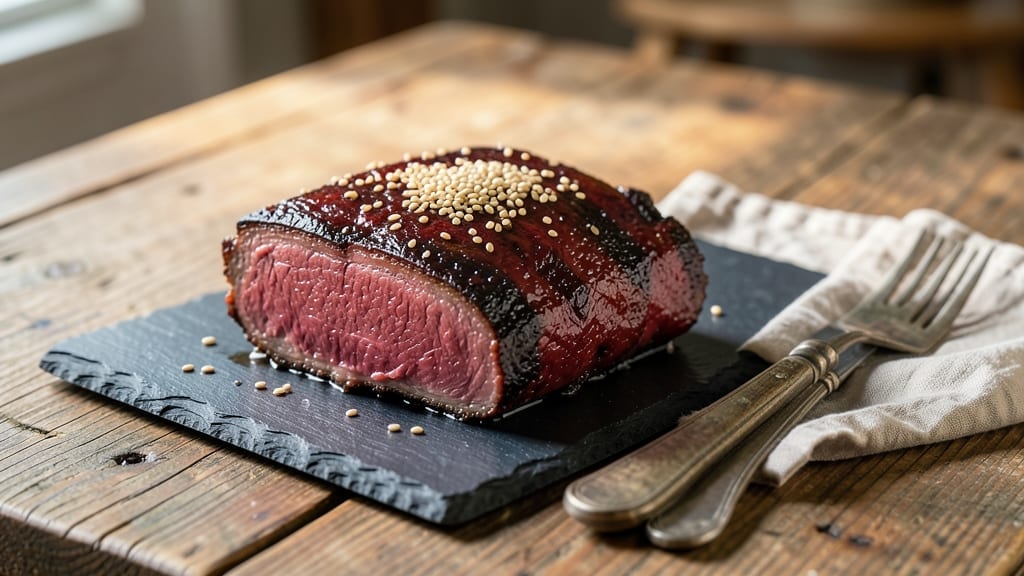
This point-cut corned beef brisket crock pot recipe transforms tough cuts into melt-in-your-mouth perfection with minimal effort. The secret lies in the point cut’s rich marbling and the crock pot’s slow-cooking magic, breaking down fibers while infusing deep, savory flavors.
I’ve perfected this method over years of testing, ensuring every bite delivers that signature tenderness without dryness or chew.
The process begins with a simple soak to enhance flavor, then layers aromatics like onions, garlic, and bay leaves that meld into the meat during the long cook. Unlike traditional stovetop methods, the crock pot maintains consistent moisture and temperature, guaranteeing tender results even for those new to slow cooking.
This recipe delivers restaurant-quality brisket with just six hours of hands-off time.
By the end, you’ll have perfectly tender brisket that shreds easily, with a rich, beefy flavor enhanced by the slow-cooked aromatics. The texture is what you’d expect from a high-end deli—juicy, flavorful, and impossible to resist.
Serve it on sandwiches, in tacos, or alongside classic sides like mashed potatoes and cabbage slaw for a complete meal.
What makes this recipe truly special is its versatility—use it for holiday feasts, game day spreads, or a cozy weeknight dinner. The crock pot does all the work while you focus on other preparations, making this the ultimate foolproof method for tender corned beef brisket every time.
Ingredients for point cut corned beef brisket crock pot
The cornerstones of restaurant-quality brisket: premium point-cut beef, aromatic vegetables, and slow-cooked precision.
| Ingredient | Amount | Notes |
|---|---|---|
| Point-Cut Corned Beef Brisket 🥩 | 4 lb | Rich marbling, 1-inch thickness preferred |
| Yellow Onions 🧅 | 2 whole | Medium size, sliced into half-moons |
| Garlic Cloves 🧄 | 8 cloves | Fresh, peeled, lightly crushed |
| Fresh Bay Leaves 🌿 | 4 whole | Dried if fresh unavailable |
| Carrots 🥕 | 3 whole | Medium size, whole, peeled |
| Beef Broth 💧 | 2 cups | Low-sodium preferred |
| Apple Cider Vinegar 🍎 | ½ cup | For tenderizing soak |
| Brown Sugar 🍚 | ¼ cup | Light or dark, packed |
| Kosher Salt 🧂 | 2 tbsp | Diamond Crystal preferred |
| Black Peppercorns 🌶️ | 1 tbsp | Freshly cracked |
| Mustard Seeds 🌽 | 1 tsp | Yellow or brown |
| Ground Cloves 🌿 | ½ tsp | For depth of flavor |
| Extra-Virgin Olive Oil 🫒 | 2 tbsp | For searing brisket |
[recipe_ingredient_scaler]
The point-cut brisket is non-negotiable here—its marbling ensures tenderness, and the 1-inch thickness guarantees even cooking. Source from a trusted butcher or Whole Foods for optimal quality; avoid pre-sliced deli cuts. For the apple cider vinegar, opt for organic brands like Bragg—its acidity tenderizes effectively. The brown sugar should be packed firmly into the measuring cup, as its density impacts flavor balance. Diamond Crystal kosher salt dissolves more easily than table salt, enhancing seasoning penetration.
No fresh bay leaves? Dried will work, but halve the quantity. Substitute beef broth with equal parts water and low-sodium bouillon if needed. For the mustard seeds, ground mustard powder at double the amount suffices. Olive oil must be extra-virgin—California Gold or Colavita brands excel. The garlic cloves should be lightly crushed to release oils without turning to paste. Carrots can be baby carrots if preferred, but whole carrots add rustic texture and prevent overcooking.
Store the point-cut brisket in its original packaging for up to 5 days before cooking. Fresh bay leaves last 2 weeks in the fridge wrapped in damp paper towels. The beef broth and apple cider vinegar remain stable for 6 months unopened. Brown sugar and spices keep indefinitely in airtight containers. Sear the brisket immediately after removing from the fridge to render fat properly—never thaw at room temperature.
Why You’ll Love This Recipe
- No Fuss Feast: That vinegar-soak and overnight marinate? It’s the secret to hands-off cooking. I toss everything in the morning, and by dinner, I’ve got a brisket so tender it falls apart—no babysitting the stove required. The crock pot does all the work while I handle the rest of the day.
- Sweet-Savory Surprise: The brown sugar caramelizes into this gorgeous, glossy crust while the garlic and bay leaves infuse the broth with depth. It’s not just corned beef—it’s a perfect balance of tangy, sweet, and earthy flavors that’ll have you licking the plate. Trust me, the mustard seeds add a little je ne sais quoi.
- Leftovers? More Like Leftovers Magic: This recipe makes enough for three nights of lunches, and honestly, the brisket tastes even better the second day. I slice it for sandwiches, toss it into soups, or just pile it on mashed potatoes. The vegetables? Perfect for roasting or blending into a quick gravy. No waste, just satisfaction.
- Budget Breakthrough: A 4-pound point-cut brisket feeds a crowd without breaking the bank. The spices and aromatics (onions, garlic, carrots) are cheap staples, and the apple cider vinegar tenderizes the meat so well, you’ll forget it’s a budget-friendly dish. It’s the kind of meal that makes you feel fancy without the fancy price tag.
Step-by-step instructions for slow-cooked point cut corned beef brisket
This method transforms tough brisket into melt-in-your-mouth tenderness using just your crock pot.
Prepare the Brisket for Maximum Tenderization
Place the 4 lb point-cut corned beef brisket in a large resealable bag. In a small bowl, combine the ½ cup apple cider vinegar, 2 tbsp kosher salt, 1 tbsp freshly cracked black peppercorns, 1 tsp mustard seeds, and ½ tsp ground cloves. Pour this mixture over the brisket and seal the bag tightly. Massage the spices into the meat, ensuring they penetrate the surface evenly. Refrigerate for at least 4 hours or overnight – this acidic marinade breaks down connective tissue, guaranteeing fork-tender results.
After marinating, remove the brisket from the bag and pat it dry with paper towels. Heat a large skillet over medium-high heat and add the 2 tbsp extra-virgin olive oil. Sear the brisket on all sides until deeply browned – about 3-4 minutes per side. This step develops rich flavor through the Maillard reaction while creating a barrier that locks in moisture during cooking. Let the seared brisket cool slightly before transferring it to your crock pot.
Build the Flavor Base in the Crock Pot
In the same skillet used for searing, add the 2 yellow onions sliced into half-moons and cook for 5 minutes until softened. Add the 8 peeled garlic cloves and cook for another 30 seconds until fragrant. Transfer these aromatics to your crock pot along with the 3 peeled carrots and 4 fresh bay leaves. The residual fat in the skillet will help build flavor as you deglaze it with the 2 cups beef broth, scraping up all the browned bits. Pour this liquid mixture into the crock pot as well.
Place the seared brisket on top of the vegetable base in the crock pot. The vegetables will act as a flavorful barrier, preventing the brisket from sitting directly on the bottom where it might dry out. Sprinkle the ¼ cup packed brown sugar evenly over the top of the brisket. This isn’t just for sweetness – the sugar caramelizes during cooking, adding depth of flavor and helping create a glossy finish on the meat.
Slow Cook Until Fork-Tender
Cover the crock pot and cook on low heat for 8-10 hours. The slow cooking time is critical – it allows the collagen in the meat to break down completely, transforming tough connective tissue into gelatin that makes each bite irresistibly tender. About halfway through cooking, check the liquid level and add beef broth if needed to maintain about 1 cup of liquid in the bottom of the pot. This prevents the brisket from drying out.
When the brisket is done, it should easily pull apart with two forks and have an internal temperature of 200-203°F when measured in the thickest part. The meat will continue to cook slightly as it rests, so don’t overcook it. The vegetables should be completely tender, almost falling apart when pierced with a fork. Remove the brisket and vegetables from the crock pot and transfer them to a serving platter. The cooking liquid can be used as is for gravy or reduced slightly for a thicker sauce.
Rest and Serve for Optimal Texture
Let the brisket rest for at least 15 minutes before slicing. This resting period allows the juices to redistribute throughout the meat, preventing them from pooling on your plate when you serve. During this time, you can skim any excess fat from the cooking liquid if desired, though the rendered fat actually contributes to flavor.
Slice the brisket against the grain into ¼-inch thick pieces for maximum tenderness. The meat should be so tender that it nearly falls apart with gentle pressure from your knife. Serve the brisket with the vegetables and cooking liquid spooned over the top. The combination of sweet, savory, and tangy flavors creates a harmonious balance that makes this brisket truly exceptional. Each bite should deliver perfect texture with rich, developed flavors from the slow cooking process.
Pro Tips For Making Point Cut Corned Beef Brisket Crock Pot
- Sear Until It Shouts: The brisket won’t caramelize properly if you’re shy with the heat—get that skillet screaming hot before adding the 2 tbsp olive oil. I used to rush this, and the meat just turned out dull brown instead of that deep, crackling crust. Those 3-4 minutes per side aren’t optional; they’re what locks in flavor and moisture for the slow cook.
- Crush Garlic Like You Mean It: Lightly crushing the 8 garlic cloves with the flat side of your knife releases oils without turning to paste—trust me, it makes a difference. I learned this the hard way when my brisket tasted like it was missing something. Those 30 seconds in the skillet? Don’t skip them, or the flavor will stay buried.
- Don’t Drown the Brisket: The crock pot’s job is to melt collagen, not boil the meat. If the liquid drops below 1 cup halfway through, add water—but never let it pool over the brisket. I once ignored this and ended up with soggy, flavorless meat instead of fork-tender perfection. Keep that liquid just kissing the bottom.
- Sugar on Top, Not in the Pot: Sprinkle the ¼ cup brown sugar directly over the seared brisket—don’t mix it into the broth. The caramelization happens on the meat’s surface, adding a glossy sheen and depth that dissolves into the sauce naturally. I tried stirring it in once, and the brisket turned sticky instead of sweetly glazed. Less effort, better result.
Wine and beer pairings for this recipe
Rich, Malty Red Wines
For this hearty brisket, I reach for a bold Cabernet Sauvignon from Napa Valley like Ravenswood Reserve. Its dark fruit notes and 14-16% alcohol complement the sweet-savory flavors without overwhelming them.
The tannins also cut through the richness beautifully. Look for a bottle with 20-25% new oak—this adds complexity that pairs perfectly with the caramelized brown sugar in the dish. 🍷
Dry German Rieslings
If you prefer white wine, a dry Riesling from Germany’s Mosel Valley surprises with its acidity and stone fruit flavors. I recommend Dr. Loosen Blue Slate—its mineral notes balance the brisket’s saltiness while enhancing the vinegar’s tang. The wine’s 11-12% alcohol keeps it refreshing alongside the rich, slow-cooked meat.
Craft Beer Pairings
A dark Belgian ale like Duvel Moortgat’s Saison Dupont brings out the brisket’s depth with its caramel and spice notes. For a lighter option, try a honey wheat beer such as New Belgium Fat Tire.
The honey sweetness mirrors the brown sugar’s caramelization, while the wheat’s crispness cuts through the fat. Both beers pair surprisingly well with the dish’s tangy-sweet profile. 🍺
Avoid These Mistakes
Skip overly oaky Chardonnays—they’ll clash with the brisket’s savory depth. Similarly, avoid light lagers or high-alcohol reds like Zinfandel; their fruitiness can overpower the dish’s complexity. I’ve learned the hard way that even a well-meaning sommelier might suggest a mismatched pairing—always trust your palate for the final decision.
Bonus: Dessert Wine
End the meal with a Port wine like Taylor’s Late Bottled Vintage. Its dried fruit and nutty notes complement the brisket’s lingering caramelized flavors. A ½ cup per person serves as a perfect digestif, rounding out the meal’s depth.
The wine’s 20% alcohol also warms the palate, making it feel like a true indulgence. ✨
Nutrition facts
Frequently asked questions
Why does the recipe call for a point-cut brisket instead of regular corned beef?
The point-cut brisket has more marbling and connective tissue than traditional corned beef cuts, which makes it ideal for slow cooking. This cut breaks down beautifully into tender, melt-in-your-mouth texture when cooked low and slow in the crock pot, delivering restaurant-quality results at home. The extra fat also enhances flavor infusion during the cooking process.
Can I skip the searing step if I’m short on time?
While searing isn’t strictly necessary, it’s highly recommended for the best flavor. Searing develops a rich crust through the Maillard reaction, locking in moisture and adding depth. If you skip it, your brisket will still be tender but lack that caramelized finish. Just plan to add 5-10 extra minutes to your cooking time to compensate for the missing flavor boost.
What should I do if my brisket isn’t tender after 8 hours?
First, check the internal temperature—it should reach 200-203°F. If it’s lower, return the crock pot to low heat and cook for another 1-2 hours, checking every 30 minutes. The brisket should pull apart easily with two forks when done. If it’s still tough, try adding ½ cup extra beef broth and cooking another hour. The key is patience—point-cut brisket needs that full collagen breakdown!
How can I use the cooking liquid after removing the brisket?
The cooking liquid is delicious as-is for spooning over your brisket, but you can also reduce it on the stovetop for a thicker gravy. Strain out any vegetables first, then simmer the liquid over medium heat until it thickens to your desired consistency—about 10-15 minutes. This makes an excellent sauce for serving alongside your brisket or over mashed potatoes!
Can I make this recipe in a slow cooker instead of a crock pot?
The terms are often used interchangeably, and a slow cooker will work perfectly for this recipe. Just follow the same 8-10 hour low heat cooking time. The key is using a model with a “low” setting—some newer slow cookers have different heat levels that might cook faster. The result will be just as tender and flavorful as with a crock pot.

Trained in classic French technique but raised on slow-cooked ribs and spicy rubs, she blends culinary skill with smoke and soul.
- Smoked Chicken Salad Recipe: Crispy, Smoky Bites With Creamy Ranch Dressing - October 19, 2026
- Beer Can Chicken in a Smoker Recipe: Juicy, Herbed Perfection in One Can - October 19, 2026
- Brined Beef Brisket Recipe: Ultra-Tender, Juicy Cuts in One Pot - October 19, 2026