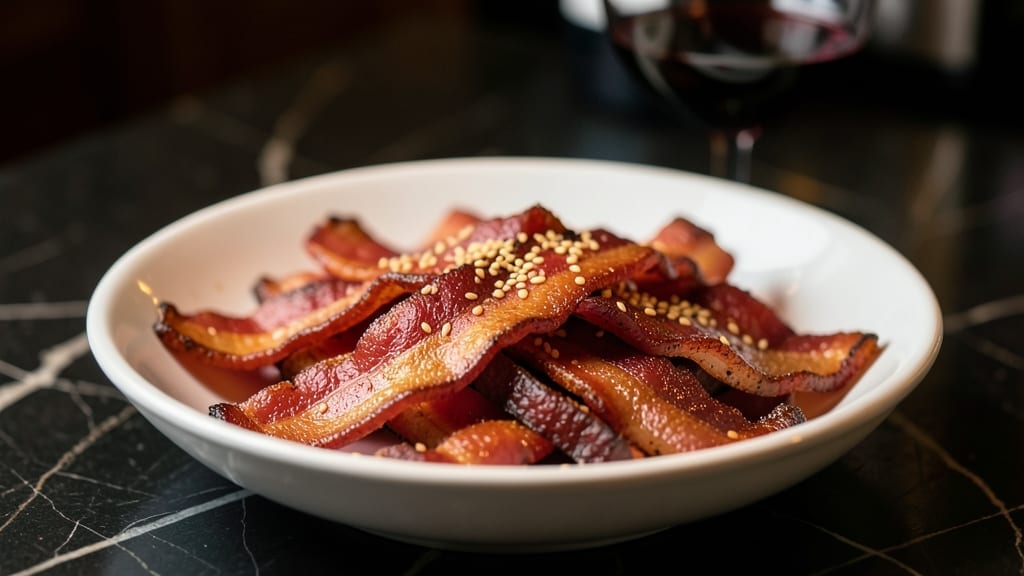
Transforming pork belly into smoky, crispy bacon in your smoker delivers restaurant-quality results with minimal effort. The key lies in precise temperature control and patience—this isn’t something you rush.
I learned the hard way that slow smoking creates that perfect balance between juicy meat and crackling edges, and once you master it, you’ll never buy store-bought bacon again.
This method requires just three essential steps: proper preparation, consistent low-and-slow smoking, and a final crisping phase. You’ll start with a thick-cut pork belly, score it carefully to ensure even cooking, then apply a simple dry rub that enhances the natural flavors without overpowering them.
The smoker does the heavy lifting at 225°F, transforming tough fat into tender, flavorful bacon over several hours.
By the time you’re done, you’ll have bacon that’s crispy enough to stand up to eggs or sandwiches but still juicy enough to satisfy even the most skeptical bacon lovers.
The aroma alone will have everyone gathering around your smoker, and the first bite will confirm why this method is worth the wait. Let’s get started on creating bacon that tastes like it came from a pitmaster’s table.
This recipe works equally well for breakfast or as a snackable appetizer—just adjust the cooking time based on your preferred thickness. The beauty of smoked pork belly bacon is its versatility, from crispy edges that crunch between your teeth to the melt-in-your-mouth centers that keep you coming back for more.
Here’s how to achieve it every time.
Ingredients for pork belly bacon recipe in smoker
Thick-cut pork belly and a handful of simple seasonings. Your smoker does the rest.
| Ingredient | Amount | Notes |
|---|---|---|
| Pork Belly 🥓 | 2 lb | Thick-cut, skin-on preferred |
| Coarse Kosher Salt 🧂 | 1 tbsp | For scoring and dry rub |
| Freshly Ground Black Pepper 🌶️ | 1 tsp | Lightly applied to pork belly |
| Brown Sugar 🍚 | 1 tbsp | Enhances caramelization |
| Smoked Paprika 🌶️ | 1 tsp | For smoky depth (optional) |
| Wood Chips (Hickory or Apple) 🌳 | 1 package | For smoker, soaked overnight |
| Apple Cider Vinegar 🍎 | 1 tbsp | Balances richness (for final glaze) |
| Olive Oil 🫒 | 1 tbsp | For scoring and crisping |
| Fresh Rosemary 🌿 | 2 sprigs | For aroma (optional) |
| Fresh Thyme 🌿 | 2 sprigs | For aroma (optional) |
| Butter (Unsalted) 🧈 | 2 tbsp | For final crisping (optional) |
[recipe_ingredient_scaler]
Pork belly is the star here, so thick-cut (1/2-inch or thicker) is a must—it gives you that perfect balance of crispy edges and juicy centers. Costco or your local butcher are the best places to find it. Look for pieces with good marbling—those white streaks of fat are what make it tender. If you’re scoring the belly yourself, use a sharp knife and cut through the fat, not the meat, to create diamond-shaped sections. This lets the smoke and seasonings penetrate deeper. I always grab extra because it’s so versatile—leftover bacon makes amazing sandwiches or breakfast hash.
No smoked paprika? Regular paprika plus a pinch of liquid smoke works in a pinch. Fresh herbs like rosemary and thyme add aroma, but if you don’t have them, skip it—this recipe still shines without them. For the wood chips, hickory gives bold smoke, while apple adds sweetness. Soak them overnight in water to keep your smoker from overheating. The butter at the end is optional but worth it—it adds richness and helps create that golden crust. If you’re short on time, a mix of olive oil and butter works too.
This bacon keeps beautifully—5 days in the fridge if stored in an airtight container, or 3 months in the freezer. For crispy edges, reheat in a 400°F oven for 5-10 minutes. The smoker method makes extra bacon a must—portion it into single-serving packages so you can grab and go. Leftovers reheat best in the oven or air fryer, not the microwave (it turns soggy). Trust me, you’ll want to make this twice—once for now, once for later.
Why You’ll Love This Recipe
- The contrast here is next-level: that crispy, mahogany bark from the smoker meeting the buttery, tender meat inside. The apple cider vinegar glaze ties it all together—sweet, smoky, and just a little tangy. Trust me, it’s the kind of bacon you’ll want on everything, even avocado toast.
- Smoker’s Secret Shortcut: Honestly, this isn’t some complicated process. Just score the pork belly in diamonds, slap on that simple rub of salt, brown sugar, and smoked paprika, then let the smoker do the heavy lifting for 4-5 hours. No fancy techniques—just patience and a little olive oil for crisping. Even my “I’ll just throw this together” mornings turn into something impressive.
- Crave-Worthy Crunch: The contrast here is next-level: that crispy, mahogany bark from the smoker meeting the buttery, tender meat inside. The apple cider vinegar glaze ties it all together—sweet, smoky, and just a little tangy. Trust me, it’s the kind of bacon you’ll want on everything, even avocado toast.
- Leftovers That Last: I make this once and it feeds my family for days. Five whole days in the fridge, or freeze it for months. Slice it up for breakfast, toss it in pasta, or crumble it into tacos. It’s that versatile. Plus, nothing says “I care” like pulling out homemade bacon for a weeknight dinner.
Step-by-step instructions for smoky crispy pork belly bacon
Transform thick-cut pork belly into irresistible bacon with smoky depth and perfect texture.
Prepare and Score the Pork Belly
Start by removing the pork belly from the fridge and letting it sit at room temperature for 30 minutes. This ensures even cooking. Pat the surface completely dry with paper towels—moisture is the enemy of crispy edges. Using a sharp knife, score the fat in a diamond pattern, cutting about ¼-inch deep. This creates channels for the rub to penetrate and allows the fat to render beautifully during smoking.
In a small bowl, mix together 1 tablespoon coarse kosher salt, 1 tablespoon brown sugar, 1 teaspoon smoked paprika, and 1 teaspoon freshly ground black pepper. Rub this mixture generously over the scored pork belly, pressing it into the cuts. For extra aroma, tuck 2 sprigs fresh rosemary and 2 sprigs fresh thyme under the skin on one side before sealing it back up. This step ensures the seasoning sticks and infuses the meat with flavor during the long cook.
Set Up the Smoker for Low and Slow Cooking
Soak 1 package wood chips (either hickory or apple) in water for at least 1 hour before using. Preheat your smoker to 225°F using these soaked wood chips. The smoke should be thin and blue—this indicates the right temperature and proper combustion. Place a water pan in the smoker to maintain moisture and prevent the pork belly from drying out during the long cook.
Once the smoker reaches 225°F and the smoke is steady, place the seasoned pork belly fat-side up on the smoker grates. The fat will render slowly, basting the meat and creating that signature crispy exterior. Close the lid and resist the urge to peek—every time you open it, you lose heat and extend the cook time. Smoke the pork belly for 4-5 hours, until the internal temperature reaches 160°F and the fat is golden and crisping along the edges.
Add the Final Glaze and Crisp
Remove the pork belly from the smoker and let it rest for 10 minutes. While it rests, brush the surface with a mixture of 1 tablespoon olive oil and 1 tablespoon apple cider vinegar. This glaze adds a tangy contrast to the rich pork and enhances browning. Return the pork belly to the smoker and increase the temperature to 275°F for 30-45 minutes, until the edges are deeply browned and crispy.
For an extra touch of luxury, brush the crisped edges with melted 2 tablespoons unsalted butter during the last 5 minutes of smoking. This step creates a rich, caramelized crust that seals in the juices and adds a buttery finish. The pork belly should be fork-tender with a deep mahogany bark. Let it rest for another 10 minutes before slicing to ensure the juices redistribute.
Slice and Serve
Slice the pork belly into ¼-inch thick slices, cutting against the grain for maximum tenderness. The result should be crispy, smoky edges with a juicy, melt-in-your-mouth center. Serve immediately with a side of pickled vegetables or a fresh salad to balance the richness. The combination of smoky wood chips, sweet brown sugar, and tangy vinegar creates a bacon that’s far more complex than traditional store-bought varieties.
This method guarantees crispy edges and juicy centers—the hallmark of perfectly smoked pork belly bacon. The key is patience: low and slow for tenderness, then a final crisp at higher heat. Enjoy the process, and don’t be afraid to experiment with different wood chips or herbs for unique flavor profiles.
Pro Tips For Making Pork Belly Bacon Recipe In Smoker
- Skip the Cold Start: Let that pork belly sit at room temperature for the full 30 minutes—yes, even if you’re impatient like me. I used to rush this and ended up with uneven cooking, where the edges crisped before the center was ready. Cold meat smokes slower, and you’ll waste time babysitting the temp gauge.
- Score Like a Pro: Cut those diamond patterns in the fat about ¼-inch deep, but don’t go wild—consistency matters. I learned this the hard way when I made some cuts too shallow (rub didn’t stick) and others too deep (fat leaked everywhere during smoking). A steady hand and a sharp knife make all the difference.
- Lock in the Smoke: Soak those wood chips for at least an hour—overnight is even better if you’re planning ahead. I was skeptical until I tried it: dry chips burn too fast, giving you a bitter, acrid smoke instead of that clean, steady blue haze you want at 225°F. Trust the process.
- Glaze Hot, Not Cold: Brush that olive oil and apple cider vinegar mix after the pork belly rests for 10 minutes—when it’s still warm but not piping hot. I used to slap it on right after removing it, and the glaze just pooled instead of caramelizing. A few minutes of patience = that perfect mahogany crust.
Pro cooking tips for perfect results
Mastering Temperature Control
I learned the hard way that 225°F is the magic number for this recipe—any higher, and you risk drying out the meat, while any lower means endless hours in the smoker. Invest in a reliable thermometer like Meater Plus to monitor both smoker and internal temperature simultaneously.
My first attempt with a cheap probe sent me into a panic when the pork belly hit 160°F but still felt rubbery—turns out, the probe was misplaced near the fat instead of the meat!
The Art of Scoring
Scoring the fat in a diamond pattern isn’t just decorative—it’s essential for even cooking and maximum flavor absorption. Use a sharp knife and cut ¼-inch deep through the fat layers only. I used to skip this step, assuming the smoker would handle everything, but the results were inconsistent.
That first time I scored properly, the bacon had perfect crispiness throughout. Pro tip: Score the fat side only—cutting into the meat can make it tough.
Wood Chip Wisdom
Hickory chips create bold, traditional smoke flavors, while apple chips add subtle sweetness that pairs beautifully with the brown sugar. Soak the chips for at least 1 hour (I often do it overnight) to prevent flare-ups.
I discovered this the hard way when my first batch of chips burned and left a bitter taste—never skip the soaking! For extra flavor, add 1-2 sprigs of fresh rosemary to the water when soaking the chips.
Basting Like a Pro
The fat that renders from the pork belly is liquid gold—it bastes the meat naturally during smoking. To enhance this process, I like to flip the pork belly halfway through (after about 2 hours) so both sides get equal exposure. This creates that beautiful mahogany bark on both sides.
Don’t worry about the fat getting too crispy—it’ll soften slightly during the final crisping phase. The key is patience: resist the urge to baste manually, as this can disrupt the natural rendering process.
Final Crisp Technique
The 275°F final crisp phase is where the magic happens—this is when you get those perfect, crackling edges. I’ve found that brushing with the olive oil and apple cider vinegar mixture twice during this phase (at 15 and 30 minutes) creates the best balance of crispiness and juiciness.
For that extra touch of luxury, the butter in the final 5 minutes makes all the difference. Trust me, it’s worth the wait to see that golden crust form!
Nutrition facts
Frequently asked questions
Why does my smoker bacon sometimes turn out dry?
Dry bacon often happens when the temperature gets too high or you peek too often. Stick to 225°F and avoid opening the smoker—every time you do, you lose heat and moisture. A water pan in the smoker keeps things humid, and scoring the fat properly ensures even rendering. I once forgot to add a water pan and ended up with tough bacon—don’t let that happen to you!
Can I skip the scoring step if I’m short on time?
Scoring isn’t just decorative—it helps seasoning penetrate and fat render evenly. Skipping it can lead to uneven crispiness. Cutting a ¼-inch deep diamond pattern through the fat (not the meat) creates perfect channels for smoke and flavor. Trust me, your bacon will thank you!
How do I know when the pork belly is done?
Check for an internal temperature of 160°F with a meat thermometer. The fat should also be golden and crisping along the edges. I learned the hard way that relying on visuals alone can fool you—always use a thermometer for perfect results. The fat will render beautifully, but the meat needs that precise temp!
What’s the best way to reheat leftover smoked bacon?
For crispy edges, reheat in a 400°F oven for 5-10 minutes. Avoid the microwave—it turns bacon soggy. I like to wrap slices in foil with a splash of water to keep them moist while reheating. This keeps that smoky flavor intact!
Can I use regular salt instead of kosher salt?
Yes, but measure carefully—kosher salt is flakier, so 1 tablespoon kosher salt = 1½ tablespoons table salt. Too much table salt can overpower the natural pork flavor. I always check the packaging for conversion rates to avoid mistakes!

Trained in classic French technique but raised on slow-cooked ribs and spicy rubs, she blends culinary skill with smoke and soul.
- Smoked Brisket Recipe: Low and Slow to Fall-Apart Tenderness - November 2, 2026
- Smoked Turkey Breast Recipe: Juicy Pink Center With Crispy Skin Every Time - November 2, 2026
- Leftover Smoked Pulled Pork Chili Recipe: Rustic Flavor Revival in One Pot - November 2, 2026