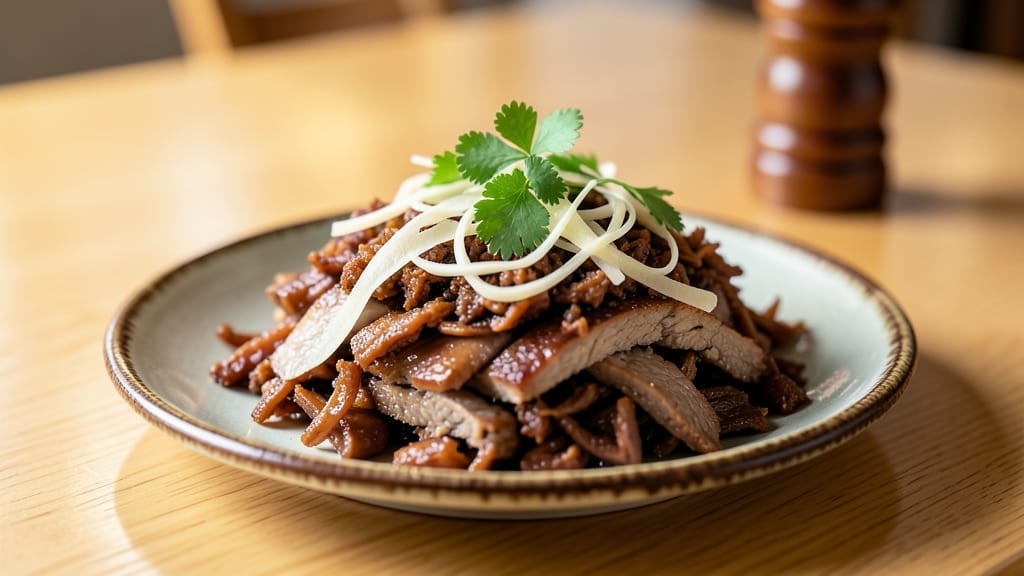
This pork carnitas recipe smoker turns tough pork shoulder into tender, smoky shreds—just like your favorite restaurant, but made in your backyard. The key lies in low-and-slow cooking with oak or hickory wood, where indirect heat breaks down collagen for that signature tender texture.
I perfected this method after years of experimenting, and it never fails to impress even smoker skeptics.
What sets this carnitas apart is the balance between crispy edges and juicy centers—a result of proper resting time and careful smoke control. Unlike traditional braised methods, smoking preserves natural moisture while infusing that unmistakable wood-fired aroma.
The process is simpler than it sounds: just season, smoke, shred, and serve, with minimal active work required.
By the time you’re done, you’ll have perfectly tender pork that practically falls apart at the touch, with a caramelized crust that adds depth to every bite. This versatile protein works in tacos, bowls, or burritos, and leftovers taste even better the next day.
The smoky flavor elevates simple sides like cilantro-lime rice or charred corn.
Whether you’re a seasoned pitmaster or new to smoking, this recipe adapts to your equipment—from pellet grills to offset smokers. The secret weapon is patience: let the pork work its magic while you handle the sides. Ready to master this crowd-pleaser?
Ingredients for pork carnitas recipe smoker
Smoky, tender pork carnitas made effortlessly in your smoker—just season, smoke, and serve.
| Ingredient | Amount | Notes |
|---|---|---|
| Pork Shoulder (Bone-In, Skin-On) 🐷 | 5 lb | Preferably center-cut, fat cap trimmed |
| Dry Mexican Oregano 🌿 | 2 tbsp | Mexican oregano preferred |
| Ground Cumin 🌿 | 2 tbsp | Toasted for deeper flavor |
| Garlic Powder 🧄 | 1 tbsp | Not garlic salt |
| Onion Powder 🧅 | 1 tbsp | Fresh ground preferred |
| Sea Salt 🧂 | 2 tbsp | Fine grain preferred |
| Black Pepper 🌶️ | 1 tbsp | Freshly ground preferred |
| Lime Juice 🍋 | ½ cup | Freshly squeezed, chilled |
| Honey 🍯 | ¼ cup | For glaze, optional |
| Oak or Hickory Wood Chips 🪵 | 1 lb | Soaked for 30+ minutes |
| Apple Cider Vinegar 🍎 | 2 tbsp | For basting, optional |
| Avocado Oil 🫒 | ¼ cup | High smoke point |
[recipe_ingredient_scaler]
The pork shoulder is your star player here. Center-cut bone-in gives you the best balance of fat and muscle, so it stays juicy while rendering down. I always buy mine from Costco or a local butcher—they cut it thicker, which is perfect for smoking. Trim just the excess fat cap (leave some for flavor) and pat it dry before seasoning. If you’re using a pellet grill, oak pellets are ideal—they give that classic smoky depth without overpowering. For offset smokers, hickory chips work great, but soak them first to avoid flare-ups.
No Mexican oregano? Dried Italian oregano at half the amount gets you close, but honestly, the flavor is different. Want to skip the honey glaze? Extra lime juice and a pinch of salt will still give you that tangy kick. The apple cider vinegar is optional but worth it for that restaurant-style tang—just brush it on during the last hour of smoking. If you don’t have avocado oil, peanut oil or grapeseed oil will work, but stick to high-smoke-point oils to avoid burning. And if you’re short on time, pre-soaked wood pellets are your friend—just toss them in the hopper and forget about them.
This pork is best served immediately after smoking, but honestly, it tastes even better the next day—just reheat gently in the oven or on the smoker. Keep it wrapped in foil at room temp for up to 2 hours before serving, or refrigerate for 4-5 days for meal prep. Freeze portions for up to 3 months—just thaw overnight in the fridge. The wood chips? Store them in an airtight container with a moisture absorber for 6-12 months. And if you’re prepping sides like cilantro-lime rice, make those first—they’ll be ready to toss with the carnitas while it rests.
Why You’ll Love This Recipe
- Smoker’s Secret Weapon: That dry-brining step? Honestly, it’s the reason I don’t stress about prep time. Just slap the spices on, toss it in the bag, and forget about it overnight. No chopping herbs, no mincing garlic—just dump those 2 tablespoons of Mexican oregano and cumin on the pork, and you’re golden.
- Crispy Magic Happens: The secret’s in that crispy edge. Smoke it low and slow, then finish with a quick sear in avocado oil, and boom—you’ve got that perfect contrast of tender meat and crackling bark. The toasted cumin and garlic powder? They make every bite sing.
- Feed a Crowd, No Stress: This recipe is my secret for game days or family dinners. Five pounds of pork shoulder feeds everyone—and the best part? It’s even better the next day. Reheat in the oven, toss it in a tortilla, and you’ve got tacos that’ll have your guests asking for the recipe.
- Budget-Friendly Luxury: I spend about $15 on the pork shoulder and spices, but it makes enough for meals all week. Plus, freezing portions means I can pull out carnitas for a lazy Sunday breakfast or a quick lunch without starting from scratch. That’s the kind of smart cooking I love.
Step-by-step instructions for smoky pork carnitas
Here’s how to transform that pork shoulder into irresistibly tender, smoky carnitas every time.
Prepare and Season the Pork Shoulder
Start by trimming any excess fat from the pork shoulder, leaving about ¼ inch of fat cap intact. This fat will render down and baste the meat during cooking. Pat the shoulder completely dry with paper towels—this step is crucial for developing that perfect crispy bark later.
In a small bowl, combine the 2 tablespoons dry Mexican oregano, 2 tablespoons ground cumin, 1 tablespoon garlic powder, 1 tablespoon onion powder, 2 tablespoons sea salt, and 1 tablespoon black pepper. Mix well to create your carnitas rub. Generously coat the pork shoulder with this spice mixture, pressing it into the meat so it adheres well. This ensures every bite will be packed with flavor.
Place the seasoned pork shoulder in a large resealable plastic bag and refrigerate for at least 4 hours, or ideally overnight. This dry-brining process allows the spices to penetrate deeply and the meat to develop a flavorful crust.
Set Up Your Smoker for Perfect Tenderness
Soak the 1 pound oak or hickory wood chips in water for at least 30 minutes before using. This prevents them from burning too quickly and creates better smoke. Fill your smoker with the soaked wood chips and preheat to 225°F. I’ve found this low-and-slow temperature is key to achieving that melt-in-your-mouth tenderness.
Once the smoker reaches the target temperature and you see clean, blue smoke (not thick white steam), place the pork shoulder fat-side up on the smoker grates. The fat will render down and baste the meat as it cooks, creating that irresistible crispy exterior. Close the lid and resist the urge to peek—every time you open it, you lose heat and extend cooking time.
Smoke Until Fork-Tender
Smoke the pork shoulder for about 6 to 8 hours, or until the internal temperature reaches 165°F. You’ll notice the meat will hit “the stall” around 160°F—this is when the temperature stops rising as moisture evaporates. Don’t be alarmed; this is normal and happens to all pork shoulders.
Here’s where the apple cider vinegar comes into play. When the pork reaches 165°F, remove it from the smoker and brush all sides with the 2 tablespoons apple cider vinegar. Return it to the smoker and continue cooking until the internal temperature reaches 203°F. This higher temperature ensures the collagen breaks down completely, resulting in that signature carnitas tenderness.
Shred and Glaze for Maximum Flavor
Once the pork reaches 203°F, transfer it to a cutting board and let it rest for 15 minutes. This resting period allows the juices to redistribute throughout the meat. Using two forks, shred the pork against the grain into bite-sized pieces. Discard any large fat chunks or connective tissue.
In a large bowl, combine the shredded pork with the ½ cup lime juice and ¼ cup honey. Toss everything together until the pork is evenly coated in the glaze. The acidity from the lime juice and sweetness from the honey create a perfect balance of flavors. Let the mixture sit for 10 minutes to allow the flavors to meld together.
Crisp Up the Carnitas
Heat a large skillet over medium-high heat and add the ¼ cup avocado oil. Once the oil is shimmering but not smoking, add the shredded pork in a single layer. Cook undisturbed for 3 to 4 minutes until the pork develops a golden-brown crust. This step is what transforms your tender pork into crispy, restaurant-quality carnitas.
Stir the pork occasionally to ensure all sides get crispy. You’ll know it’s done when the edges are golden brown and the pork is heated through. Serve immediately with your favorite toppings—crispy tortillas, fresh cilantro, diced onions, and a squeeze of lime make this dish complete.
Pro Tips For Making Pork Carnitas Recipe Smoker
- Trim the Fat Right: Leave that ¼-inch fat cap—it’s the self-basting secret—but shave off anything thicker. I used to over-trim, and the meat lost its moisture and bark. Trust me, the fat renders down into liquid gold during smoking.
- Toast Your Cumin: Dry-toast that 2 tablespoons of ground cumin in a skillet for 30 seconds before mixing it into your rub. The nutty aroma deepens instantly, and your carnitas will taste like you spent hours layering flavors instead of minutes.
- Don’t Rush the Stall: When the pork hits 160°F and the temp meter flatlines, don’t panic. That’s the stall, and fighting it by cranking heat will ruin the texture. Just wait—patience here means fork-tender meat later.
- Glaze While Warm: Toss the shredded pork with lime juice and honey right after resting, while it’s still piping hot. Cold meat soaks up the glaze like a sponge, and the flavors won’t meld properly. Think of it as a quick marinade—timing matters.
Troubleshooting your pork carnitas recipe smoker
Stuck at the Stall?
If your pork shoulder hits 160°F and refuses to budge past 165°F for over 2 hours, you’re experiencing the infamous “stall.” This is normal, but if it drags on too long, try wrapping the pork in heavy-duty aluminum foil after reaching 165°F.
This traps steam and helps it break through. I once left mine unwrapped for 3 hours at the stall—oops! The foil trick saved the day. 🔥
Overly Dry Meat?
If your carnitas turns out dry, you likely overcooked it past 203°F. Next time, pull it at 195°F and finish with a quick sear in the pan.
I learned this the hard way when my first batch hit 210°F—lesson learned! Always use a reliable thermometer like Meater Plus to avoid this.
Smoke Too Strong?
Thick, acrid smoke instead of clean blue smoke means your wood chips burned too fast. Soak them longer—45 minutes instead of 30—and use a mesh bag to contain them.
I once burned through 1.5 lbs of chips in an hour! Stick to oak or hickory for balance—mesquite can be too bold.
Fat Rendering Too Fast?
If your pork loses too much fat during smoking, trim the fat cap to ⅛ inch instead of ¼ inch. The fat should baste the meat, not drip away.
I once left it too thick, and by 4 hours, it was a grease fire waiting to happen. Keep an eye on that fat—it’s what makes carnitas irresistible!
Carnitas Not Crispy?
If your final sear doesn’t crisp up, increase the oil temperature to medium-high and cook in batches. Overcrowding steams instead of crisps. I once tried to sear 2 lbs at once—disaster! Use a cast-iron skillet and let it get hot enough to sizzle before adding pork.
Nutrition facts
Frequently asked questions
Why does my pork carnitas need to reach 203°F instead of just 165°F?
The extra cooking to 203°F breaks down collagen completely, creating that signature melt-in-your-mouth texture. This higher temperature transforms tough pork shoulder into tender, shreddable carnitas—just like professional versions! The 165°F mark is just the starting point before the final push.
Can I use a different type of wood for smoking?
Stick with oak or hickory for balanced smokiness—these woods complement the spices without overpowering. Mesquite can be too bold, while fruitwoods add sweetness that clashes with the tangy glaze. If you’re adventurous, try applewood for a milder sweetness, but save it for special occasions.
What if my smoker runs out of wood chips halfway through?
Keep a backup bag of soaked chips nearby! If you’re caught short, add pre-soaked pellets or even a few extra chips to maintain the 225°F temperature. Never let the heat drop below 200°F—it’ll stall the cooking progress. A second batch of chips ensures steady smoke without interruptions.
How do I prevent the pork from sticking to the smoker grates?
Place a foil sheet or aluminum foil tray under the pork shoulder to catch drippings. The fat will still render, but the meat won’t stick to the grates. If using a pellet grill, oil the grates lightly with avocado oil before placing the pork. This simple trick keeps everything moving smoothly!

Trained in classic French technique but raised on slow-cooked ribs and spicy rubs, she blends culinary skill with smoke and soul.
- Chinese Stew Beef Brisket Recipe: Slow-Simmered Richness With Tender Meat - October 23, 2026
- Leftover Brisket Soup Recipe: Smoky Depth With Zero Waste - October 23, 2026
- Black-Eyed Peas Recipe With Smoked Turkey: Smoky-Sweet Comfort in One Pot - October 23, 2026