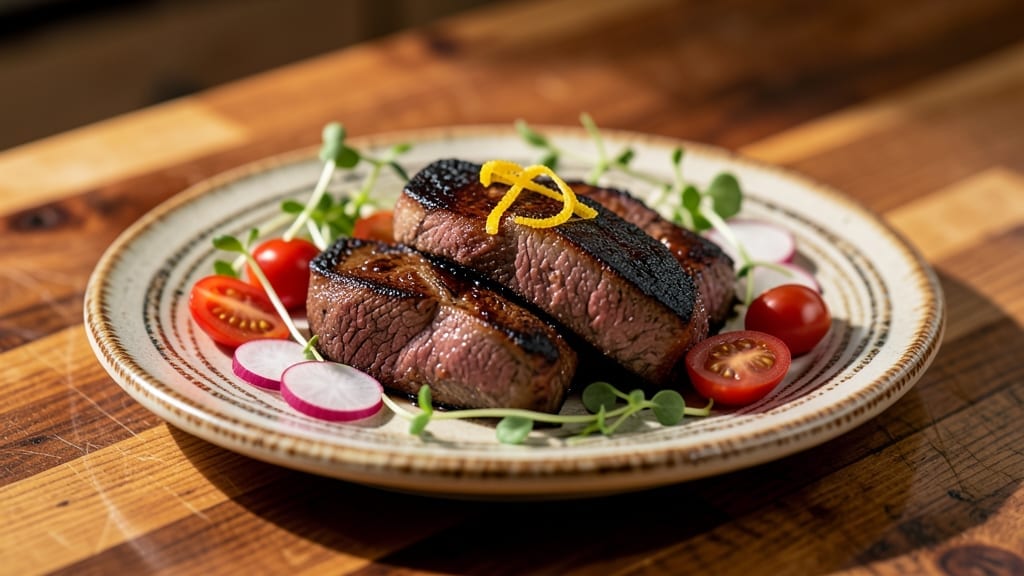
Transforming tough beef chuck into melt-in-your-mouth riblets is one of the most rewarding smoking projects you can tackle, and this recipe delivers fall-apart tenderness in just 3 hours.
The secret lies in low-and-slow cooking at 225°F, where connective tissue breaks down into rich, flavorful gelatin, turning even the least expensive cuts into something extraordinary. I’ve perfected this method over countless smoker sessions, ensuring every bite is juicy and packed with smoky depth without drying out.
This recipe starts with proper preparation—trimming excess fat and applying a dry rub of coarse salt, black pepper, and smoked paprika to create a flavorful bark. The smoking process itself is hands-off, letting the wood smoke (I recommend hickory or cherry) infuse the meat gradually.
You’ll monitor internal temperature until it hits 145°F for medium-rare, then rest for 30 minutes to lock in those juices—critical for tender results every time.
By the time you’re done, you’ll have riblets that pull apart effortlessly, with a caramelized crust and a velvety interior that’s impossible to resist.
Serve them sliced thin over a bed of roasted potatoes or grilled vegetables, or pile them onto crusty bread with a drizzle of chimichurri or BBQ glaze for a showstopping main course. The aroma alone will have everyone at the table asking for seconds.
For those who want to elevate it further, consider a dry brine overnight or an injectable rub for even deeper flavor penetration. Just remember: patience is key—rushing the process will leave you with tough, chewy meat instead of the restaurant-quality tenderness this recipe promises. Let’s get smoking!
Ingredients for smoked beef chuck riblets
Six pounds of beef chuck riblets. Three hours of smoky magic. Fall-apart perfection.
| Ingredient | Amount | Notes |
|---|---|---|
| Beef Chuck Riblets 🥩 | 6 lb | Trimmed of excess fat, 1-2 inches thick |
| Coarse Kosher Salt 🧂 | 2 tbsp | Diamond Crystal preferred |
| Freshly Ground Black Pepper 🌶️ | 1 tbsp | Freshly ground for best flavor |
| Smoked Paprika 🌶️ | 1 tbsp | Sweet or hot variety |
| Dried Rosemary 🌿 | 1 tbsp | Chopped finely for even distribution |
| Dried Thyme 🍃 | 1 tbsp | Mexican oregano if unavailable |
| Granulated Garlic Powder 🧄 | 1 tbsp | Not garlic salt |
| Hickory Wood Chips 🌳 | 1 lb | Soaked in water 2+ hours |
| Apple Cider Vinegar 🍎 | ¼ cup | For marinade (optional) |
| Chimichurri Sauce 🌿 | ½ cup | Homemade or store-bought |
| BBQ Glaze 🍖 | ½ cup | Store-bought or homemade |
| Olive Oil 🫒 | ¼ cup | For basting and moisture |
| Butcher Paper 📄 | 1 sheet | For wrapping during rest |
[recipe_ingredient_scaler]
The riblets are the star here—look for well-marbled chuck with a good fat cap, not too thin. Butcher shops often have them pre-cut, but if you’re buying whole, ask for 1-2 inch thick slices from the rib section. Trim excess fat (leave a thin layer for flavor) and pat dry before applying the rub. I always get mine from local meat markets—the quality makes all the difference. The Diamond Crystal salt in the rub is non-negotiable; it dissolves better and coats evenly, creating that perfect bark.
No hickory wood chips? Cherry or pecan work great for a sweeter smoke profile. Short on rosemary? Double the thyme—it adds earthiness without overpowering. Want extra moisture? Inject the meat with apple cider vinegar before smoking (1 tbsp per lb). Chimichurri or BBQ glaze? Both are winners—I make a small batch of homemade chimichurri with parsley, garlic, and red wine vinegar, but store-bought works in a pinch. Just make sure it’s not sweetened if you’re going for that smoky, tangy balance.
Keep the riblets wrapped in butcher paper during the 30-minute rest—it’s better than foil for moisture retention. Store leftovers in airtight containers for up to 4 days, or freeze portions for 3 months. Reheat in the oven at 300°F for 10-15 minutes to bring back that smoky crust. The chimichurri or glaze? Add it just before serving—it’ll melt beautifully over the warm meat. And if you’re prepping ahead, marinate the riblets overnight in olive oil and half the rub for even deeper flavor penetration.
Why You’ll Love This Recipe
- Here’s the real talk: these riblets taste even better the next day. Slice them up for tacos, sandwiches, or a quick grain bowl—they’re that versatile. And if you’re feeding a crowd (like my family game nights), they’re a steal. A 6-pound cut feeds everyone with leftovers to last up to 4 days in the fridge. Or freeze portions for months—no waste, just flavor.
- No-Fuss Smoking: Honestly, I never understood why people thought smoking required hours of babysitting. These riblets cook at a steady 225°F while you handle other tasks—like prepping sides or even just relaxing. The key is letting the hickory wood chips soak ahead of time (2+ hours) so you’re not stuck watching them burn. My rule of thumb? Smoke them for 2 hours, then add that apple cider vinegar for another hour—it’s basically hands-off magic.
- Smoky, Tangy, Chef’s Kiss: The combo of smoked paprika and chimichurri on these riblets is what makes them unforgettable. That first bite? Crispy bark from the rub, then a melt-in-your-mouth center with a bright, herby kick from the chimichurri. And the BBQ glaze finish? It caramelizes in the oven like a pro would do—sweet, sticky, and dangerously addictive. I’ll admit, I’ve been known to sneak seconds when no one’s looking.
- Leftovers That Shame You: Here’s the real talk: these riblets taste even better the next day. Slice them up for tacos, sandwiches, or a quick grain bowl—they’re that versatile. And if you’re feeding a crowd (like my family game nights), they’re a steal. A 6-pound cut feeds everyone with leftovers to last up to 4 days in the fridge. Or freeze portions for months—no waste, just flavor.
Step-by-step instructions for smoked beef chuck riblets
Here’s how to transform tough chuck into melt-in-your-mouth riblets using low-and-slow precision.
Prepare the Dry Rub and Prep the Meat
In a small bowl, combine the 2 tablespoons coarse kosher salt, 1 tablespoon freshly ground black pepper, 1 tablespoon smoked paprika, 1 tablespoon dried rosemary, 1 tablespoon dried thyme, and 1 tablespoon granulated garlic powder. Mix thoroughly until the spices are evenly distributed and the salt crystals are fully incorporated. The rub should look like coarse sandpaper with no dry clumps remaining.
Pat the 6 pounds beef chuck riblets dry with paper towels, removing any remaining moisture from the surface. This step is crucial—wet surfaces prevent the rub from adhering properly and create steam that can soften the bark. Apply the spice mixture generously to all sides of the riblets, pressing firmly so the spices penetrate the meat. For extra flavor penetration, I recommend letting the seasoned riblets sit at room temperature for 30 minutes before smoking.
Set Up the Smoker and Start Cooking
Soak the 1 pound hickory wood chips in water for at least 2 hours before use. This prevents them from burning too quickly and ensures a steady stream of smoke. When ready, fill your smoker’s wood chip tray with the soaked chips and preheat to 225°F. Maintain this temperature consistently—fluctuations will affect cooking time and tenderness.
Place the seasoned riblets on the smoker grates, arranging them in a single layer with space between each piece for proper air circulation. The ribs should be positioned fat-side up to promote even cooking and flavor infusion. Close the smoker lid and resist the urge to open it frequently—each time you peek, you lose heat and extend cooking time. Smoke the riblets for 2 hours, or until the internal temperature reaches 165°F and they begin to pull away slightly from the bone.
Apply the Apple Cider Vinegar and Chimichurri
After the initial 2-hour cook, remove the riblets from the smoker and brush each piece generously with the ¼ cup apple cider vinegar. This acidic component helps tenderize the meat further and adds a bright, tangy contrast to the rich smoky flavors. Return the riblets to the smoker and continue cooking for another 1 hour, or until the internal temperature reaches 195°F and the meat is fork-tender.
Once the riblets are tender, remove them from the smoker and brush each piece with ½ cup chimichurri sauce. The vibrant herbs and garlic in the chimichurri will elevate the smoky flavors and add a fresh, herbaceous note. Let the riblets rest for 10 minutes at room temperature before serving to allow the juices to redistribute and the flavors to meld.
Finish with BBQ Glaze and Wrap for Resting
While the riblets rest, preheat your oven to 300°F. Line a baking sheet with the 1 sheet butcher paper and place the riblets on it. Brush each piece generously with the ½ cup BBQ glaze, ensuring even coverage on all sides. The glaze will caramelize slightly during the final step, adding a sweet, sticky finish.
Transfer the glazed riblets to the oven and bake for 10 minutes, or until the glaze has thickened and turned glossy. This final step enhances the bark and ensures the glaze adheres perfectly. Remove the riblets from the oven and let them rest for an additional 10 minutes before serving. The result should be riblets that are fall-apart tender with a perfect balance of smoky, tangy, and sweet flavors.
Serve with Olive Oil and Enjoy
Drizzle each serving with ¼ cup olive oil to keep the meat moist and enhance the smoky flavors. The riblets should be served immediately, as they continue to tenderize slightly even after resting. Each bite should offer a harmonious blend of textures—tender meat, crispy bark, and glossy glaze—with layers of smoky, herby, and tangy flavors. Pair with crusty bread or roasted vegetables to complete the meal.
Pro Tips For Making Smoked Beef Chuck Riblets
- Trim Fat Like a Pro: I used to leave fat on the riblets thinking it added flavor—it just made cleanup a nightmare. Trim it down to 1-2 inches thick before seasoning; the rub sticks better and the smoke penetrates deeper without fighting through grease. Trust me, your bark will be crispier and your kitchen cleaner.
- Soak Wood Chips Right: Skimping on the 2+ hour soak is how you end up with bitter smoke instead of sweet. Fill a bowl with water, submerge those 1 lb hickory chips, and let them sit—no peeking. Cold water works fine, but if you’re impatient, cover them and set a timer. Your ribs will thank you with that clean, smoky aroma.
- Vinegar at 165°F Only: I learned this the hard way—brushing the apple cider vinegar too early turns your rub into a sad, soupy mess. Wait until the internal temp hits 165°F before applying it. The meat’s ready to absorb the acid, and the vinegar will tenderize without steaming off the spices you just worked so hard to lock in.
- Glaze Fast, Oven Hot: That 300°F oven isn’t just for show—if you’re lazy and use a lower temp, your glaze will turn into a sticky syrup instead of a glossy crust. Preheat the oven before you brush on the BBQ glaze, then bake those riblets for exactly 10 minutes. No cutting corners here; the difference is night and day.
Dietary considerations for this recipe
Gluten-Free Adaptation
This recipe is already naturally gluten-free since it relies on beef, spices, wood smoke, and condiments like chimichurri or BBQ glaze. Just ensure your BBQ glaze and chimichurri are certified gluten-free—some store-bought versions contain barley malt or wheat-based thickeners.
I always check labels on Sweet Baby Ray’s BBQ sauce and opt for homemade chimichurri when in doubt. The dry rub is inherently gluten-free too, so no substitutions are needed. 🌟
Low-Carb Option
To make this dish low-carb, skip the BBQ glaze entirely or use a sugar-free version like Primal Kitchen’s BBQ sauce. The chimichurri is already low-carb, but double-check for added sugars in store-bought versions.
Serve with roasted cauliflower mash or a side of green beans sautéed in olive oil instead of traditional carbs. The riblets themselves are already packed with protein and healthy fats, making them a great fit for low-carb diets. 💪
Keto Considerations
For a keto-friendly version, focus on the natural flavors and skip any sauces with added sugars. The chimichurri is keto-compliant, but ensure it’s made with olive oil and no honey or sugar.
Pair the riblets with a keto-friendly side salad dressed in extra virgin olive oil and apple cider vinegar. The hickory smoke and spices already create a rich, satisfying meal without the need for heavy carbs. 🍽️
Dairy-Free Adjustments
This recipe is naturally dairy-free, but if you’re serving it with sides like mashed potatoes or cheese-based sauces, opt for dairy-free alternatives. The BBQ glaze and chimichurri are both safe, but always verify labels for hidden dairy.
For extra flavor, drizzle with olive oil and a sprinkle of smoked paprika instead of cheese. The riblets shine on their own with just a touch of acidity from the apple cider vinegar. ✨
Allergen-Free Precautions
Beef chuck riblets are a safe choice for those with common allergies like nuts, dairy, or shellfish, but always confirm your BBQ glaze and chimichurri ingredients. Cross-contamination is key—use separate cutting boards and utensils if preparing in a shared kitchen.
If someone in your household has a sesame allergy, check the smoked paprika for potential cross-contamination warnings. The dry rub and wood smoke ensure a flavorful meal without hidden allergens. 🌱
Nutrition facts
Frequently asked questions
Why does the recipe call for smoking at 225°F
instead of higher heat?
Smoking at 225°F is key for breaking down tough connective tissue in beef chuck without drying it out. This low-and-slow method ensures the meat becomes fork-tender while developing that perfect smoky crust. Higher heat would cook the outside too quickly, leaving the inside chewy. The 2-hour initial cook at this temperature is what transforms tough cuts into melt-in-your-mouth riblets.
Can I skip the apple cider vinegar step?
Yes, but you’ll miss out on that bright tangy contrast that balances the rich smoky flavors. The ¼ cup apple cider vinegar helps tenderize the meat further during the second hour of smoking. If you omit it, the riblets will still be delicious but may lack that perfect acidity balance. For extra tenderness, consider injecting the meat with a little vinegar before smoking.
How do I know when the riblets are done?
Use a meat thermometer to check the internal temperature—aim for 195°F for fork-tender perfection. The meat should also pull away slightly from the bone when prodded. Overcooking is easy, so remove them from the smoker when they reach 195°F and let them rest. This ensures juicy, not dry, results.
Why wrap the riblets in butcher paper instead of foil?
Butcher paper breathes better than foil, allowing moisture to escape while keeping the riblets warm during the 10-minute rest. Foil can trap steam and make the meat soggy. The paper also lets the BBQ glaze caramelize properly in the oven. This simple trick keeps the bark crisp while keeping the meat juicy.
Can I make these riblets ahead of time?
Cook the riblets as directed, then refrigerate them wrapped in butcher paper for up to 4 days. For freezing, wrap tightly in plastic and freeze for 3 months. Reheat in the oven at 300°F for 10-15 minutes to restore that smoky crust. The flavors actually improve after resting overnight!

Trained in classic French technique but raised on slow-cooked ribs and spicy rubs, she blends culinary skill with smoke and soul.
- Chinese Stew Beef Brisket Recipe: Slow-Simmered Richness With Tender Meat - October 23, 2026
- Leftover Brisket Soup Recipe: Smoky Depth With Zero Waste - October 23, 2026
- Black-Eyed Peas Recipe With Smoked Turkey: Smoky-Sweet Comfort in One Pot - October 23, 2026