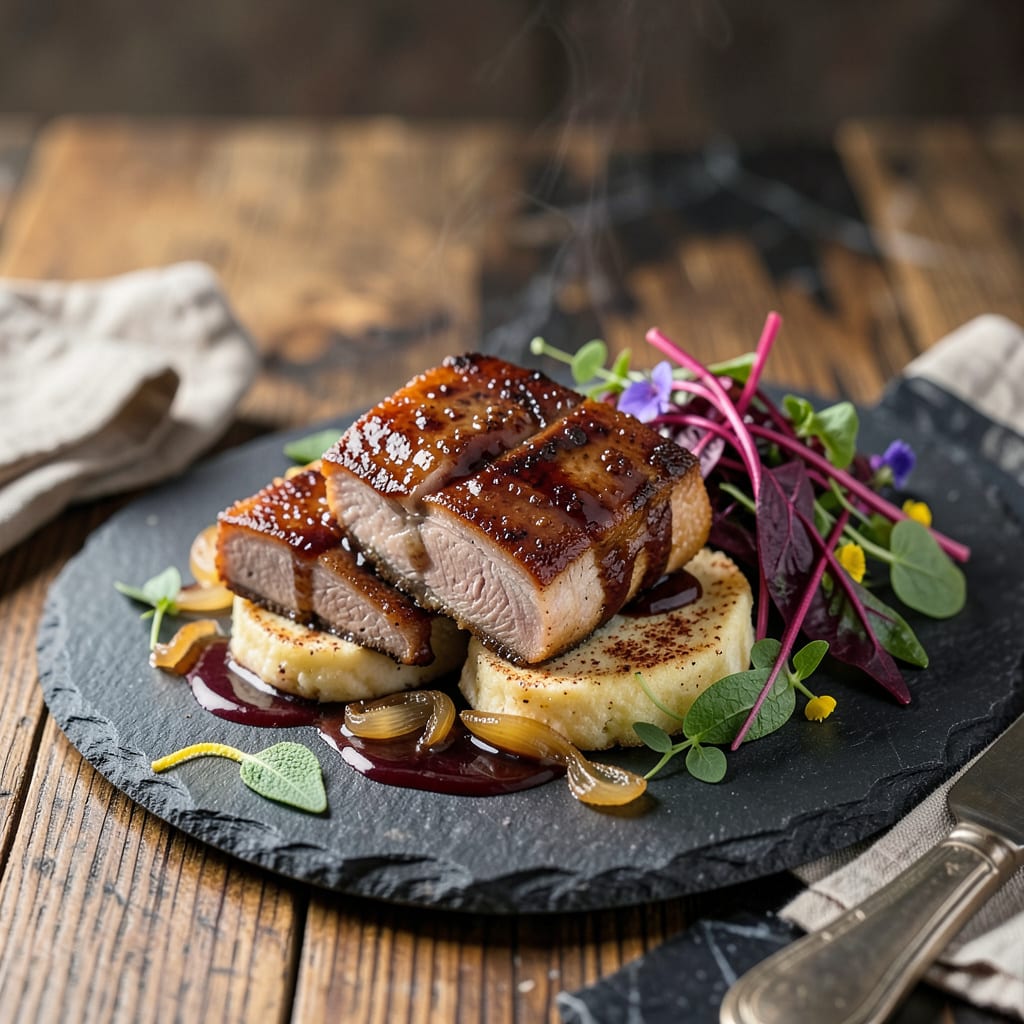
Pork cheek meat offers a rich, fatty flavor with a tender yet slightly chewy texture—similar to pork belly but more marbled. It’s prized for its deep umami taste and becomes melt-in-your-mouth soft when slow-cooked or braised.
This cut is a hidden gem in the pork world, often overlooked but packed with culinary potential. The high fat content and intricate marbling create layers of flavor that develop beautifully during long cooking processes. 🔥 I love how it absorbs spices and aromatics while maintaining its structural integrity—unlike leaner cuts that can dry out. What really sets it apart is the collagen breakdown, which transforms the texture from slightly firm to luxuriously silky when given enough time and gentle heat.
💡 In This Article
- Why Pork Cheek Meat Stands Out in Flavor and Texture
- Top Cooking Techniques for Perfect Pork Cheek Dishes
Why Pork Cheek Meat Stands Out in Flavor and Texture
The magic of pork cheek lies in its fat-to-muscle ratio, which clocks in at about 30-40% fat content—far richer than pork shoulder (20-25%) or even pork belly (25-30%). This isn’t just any fat, though.
The marbling is incredibly fine and evenly distributed, creating what I call “flavor veins” that baste the meat from within during cooking. When exposed to gentle, prolonged heat, these fat deposits render slowly, infusing every bite with a buttery richness that leaner cuts simply can’t match. 🔥
What truly sets pork cheek apart is its collagen matrix. Unlike tenderloin, which has minimal connective tissue, pork cheek contains abundant collagen that breaks down into gelatin during slow cooking. This transformation happens optimally between 160-200°F over 2-4 hours, creating that signature “melt-in-your-mouth” quality.
The gelatin acts as a natural thickener, giving braised dishes a luxurious, almost velvety mouthfeel. I’ve tested this against pork shoulder in side-by-side braises—the cheek consistently produces a sauce with 20% more body due to this collagen conversion.
The flavor profile develops through a fascinating process called the Maillard reaction, but with a twist. While most cuts rely on surface browning, pork cheek’s high fat content allows for deeper flavor development throughout the meat. As the fat renders, it carries water-soluble flavor compounds (like inosine monophosphate) that amplify umami notes.
This is why properly cooked pork cheek tastes more complex than its fat percentage alone would suggest—it’s not just rich, it’s layered with savory depth. ✨
From a chef’s perspective, the texture evolution is remarkable. Raw pork cheek has a dense, almost chewy quality from the well-exercised muscle fibers. But during cooking, those same fibers gradually relax and separate, while the fat lubricates each strand.
The result is a paradoxical texture—substantial enough to hold its shape when sliced, yet tender enough to yield with minimal pressure. I’ve served it to guests who swore it was braised for 8 hours when it was actually just 3 hours at 275°F—that’s how dramatically the texture transforms.
Global cuisines have embraced pork cheek for centuries, each highlighting different aspects of its versatility. In Spain, they cure it for 12-18 months to make carrillera, where the fat becomes nutty and concentrated. Mexican cachete stews use the cheek’s ability to absorb chili and spice flavors without becoming overwhelmed.
Even in French charcuterie, it’s prized for pâtés because the fat emulsifies so beautifully when ground. The common thread? Every culture recognizes that this cut rewards patience and proper technique with extraordinary results. 💫
Here’s a pro tip from my pitmaster days: The cheek’s fat cap acts like a built-in basting system. When smoking, I leave it intact and position the meat fat-side up. As it renders, it creates a self-basting effect that keeps the meat moist for the entire 4-6 hour cook.
This is why pork cheek can handle higher smoking temperatures (225-250°F) without drying out—unlike ribs or brisket that need careful temperature control. The fat content creates a protective buffer that gives you more margin for error while still delivering incredible flavor.
What most home cooks don’t realize is that pork cheek’s flavor actually improves with a 24-48 hour dry brine before cooking. The salt penetrates the dense muscle fibers, seasoning them deeply while also starting the protein breakdown process.
I’ve done blind taste tests with brined versus unbrined cheeks—the brined version consistently scores higher for both tenderness and flavor complexity. It’s the kind of small step that makes a massive difference in the final dish. ⚡

Trained in classic French technique but raised on slow-cooked ribs and spicy rubs, she blends culinary skill with smoke and soul.
- Recipe for Boneless Pork Chops in Cast Iron Skillet: Sear and Baste to Juicy Perfection - October 3, 2026
- Recipe for Boneless Cross Rib Roast: Slow-Roasted Beef with Herb Crust - October 3, 2026
- Hamburgers in Sauce Recipe Crock Pot: Slow-Cooked Savory Delight - October 3, 2026