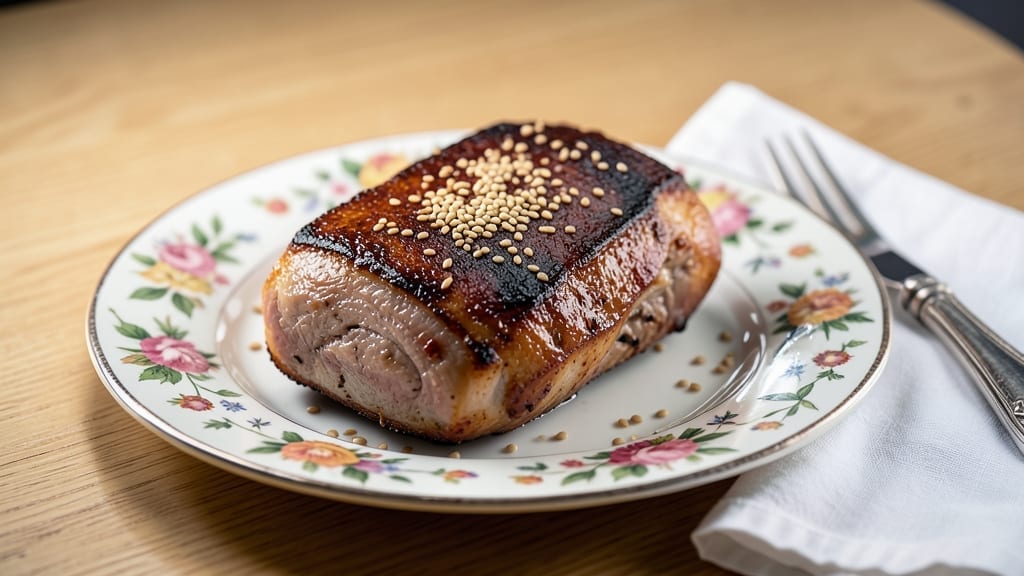
This pork picnic smoker recipe delivers the pull-apart tenderness and smoky depth that make outdoor gatherings unforgettable. Growing up in small-town Georgia, I learned that perfect smoked pork transforms any meal into a celebration—whether it’s a backyard picnic or a tailgate spread.
The secret lies in low-and-slow cooking with a precise dry rub and careful temperature control, ensuring every bite is juicy and infused with that signature wood-fired flavor.
The recipe begins with a simple yet powerful dry rub of brown sugar, smoked paprika, and garlic powder, which creates a flavorful bark while keeping the meat moist. Using a smoker at 225°F for 6-8 hours transforms tough pork shoulder into melt-in-your-mouth slices that practically fall apart.
This method is foolproof, even for beginners, and delivers restaurant-quality results without the fuss of a professional pit.
By the time your pork is ready, you’ll have a centerpiece that’s juicy, tender, and smoky, perfect for slicing onto buns or serving with classic picnic sides like potato salad and coleslaw.
The aroma alone will draw everyone to the table, and the texture—crispy on the edges, melt-in-your-mouth inside—is worth every minute of the slow cook. This is the kind of dish that turns a simple picnic into a memorable feast.
For serving, arrange the pork on a wooden board or platter with toothpicks for easy handling, and pair it with your favorite sides. The leftovers reheat beautifully, making this recipe ideal for meal prep or feeding a crowd. Let’s get smoking!
Ingredients for pork picnic smoker
Just a few key ingredients transform tough pork into melt-in-your-mouth picnic perfection.
| Ingredient | Amount | Notes |
|---|---|---|
| Pork Shoulder (Boston Butt) 🥩 | 4 lb | Bone-in, well-marbled cut preferred |
| Light Brown Sugar 🍚 | ½ cup | Packed, for sweet-savory bark |
| Smoked Paprika 🌶️ | 2 tbsp | High-quality for authentic smoke flavor |
| Garlic Powder 🧄 | 1 ½ tbsp | Freshly ground preferred |
| Kosher Salt 🧂 | 1 ½ tbsp | Diamond Crystal preferred |
| Ground Black Pepper 🌶️ | 1 tbsp | Freshly cracked for depth |
| Onion Powder 🧅 | 1 tbsp | For subtle sweetness |
| Mustard Powder 🌶️ | 1 tsp | Yellow mustard powder preferred |
| Apple Cider Vinegar 🍎 | 2 tbsp | For tenderizing and tang |
| Yellow Onion 🧅 | 1 whole | Quartered, for smoker flavor |
| Fresh Garlic Cloves 🧄 | 4 cloves | Smashed for aromatic infusion |
| Wood Chips (Hickory or Apple) 🌳 | 1 package | For authentic smoky flavor |
| Water 💧 | 2 cups | For smoker water pan |
| Unsalted Butter 🧈 | ½ cup | Cold, for basting |
[recipe_ingredient_scaler]
The pork shoulder is your star—look for a well-marbled cut with good fat cap. Costco or your local butcher usually carry the best pieces, but any grocery store’s pork shoulder works if it’s fresh and has visible marbling. The apple cider vinegar does double duty here: it tenderizes the meat overnight and adds a subtle tang that pairs perfectly with the smoky flavors. For the dry rub, Penzeys or bulk bins at natural markets have the highest-quality spices—avoid pre-mixed seasonings, they lack the complexity of individual spices. The smoked paprika is non-negotiable for that authentic wood-fired taste, so don’t skimp on the good stuff.
No smoked paprika? Substitute half with regular paprika and add a pinch of liquid smoke—just don’t overdo it. Running short on time? Skip the overnight marinade and just apply the rub 2 hours before smoking. The yellow onion and garlic cloves in the smoker tray add incredible depth, but if you’re worried about burning, just use the onion powder from the rub. For the wood chips, hickory gives bold smoke while apple adds sweetness—mix both for perfect balance. The butter basting? Full-fat is essential—low-fat won’t give that rich, glossy finish. And if you’re serving this at a picnic, make the extra effort to slice it against the grain for maximum tenderness.
This pork keeps beautifully—3-4 days in the fridge if stored properly in its juices, or up to 3 months frozen. For picnics, I like to wrap leftovers in foil with a little extra butter and reheat in the smoker at 275°F for 20 minutes. The wood chips add extra flavor during reheating, making it taste almost as good as fresh. For serving, arrange the slices on a wooden board with toothpicks—it looks stunning and makes slicing easier. The fat will render out during smoking, so don’t be surprised if you have extra to use for cooking other dishes later.
Why You’ll Love This Recipe
- No-Fuss Smoker Setup: Honestly, the hardest part is prepping the rub—just toss those spices with the light brown sugar and you’re done. The rest? Let the smoker do the heavy lifting while you sip coffee. That quartered onion and smashed garlic in the tray? Game-changer for flavor without extra work.
- Crave-Worthy Bark: That crispy edge from the smoked paprika and garlic powder? It’s addictive. The light brown sugar caramelizes into a sticky, smoky crust while the meat stays juicy—every bite’s a perfect balance of sweet, spicy, and smoky. Trust me, it’s the kind of dish you’ll want on repeat.
- Picnic or Weeknight: Need a crowd-pleaser for a backyard cookout? This pork feeds a crowd and travels well. Or, keep it simple: slice it thin, pile it on bread, and call it done. The apple cider vinegar trick? Keeps it tender even when reheated—so leftovers? No stress.
- Budget Meets Bold: A 4 lb pork shoulder is cheaper than you think, and the spices? A little goes a long way. You’re getting smoky, sticky, fall-apart tender meat for less than most takeout. Plus, it freezes like a dream—grab a slice anytime without guilt.
Step-by-step instructions for smoky, juicy pork picnic
Here’s how to transform a simple pork shoulder into melt-in-your-mouth perfection.
Prepare the Rub and Season the Pork
In a medium bowl, combine the ½ cup light brown sugar, 2 tablespoons smoked paprika, 1½ tablespoons garlic powder, 1½ tablespoons kosher salt, 1 tablespoon ground black pepper, 1 tablespoon onion powder, and 1 teaspoon mustard powder. Mix thoroughly until the sugar and spices form a fine, even coating.
Pat the 4 lb pork shoulder dry with paper towels—this is crucial for that coveted bark. Generously apply the rub all over the meat, pressing it into the crevices and fat cap. Let the seasoned pork sit at room temperature for 30 minutes while you prepare the smoker. This step ensures the rub penetrates deeply and the meat cooks evenly from the start.
Set Up the Smoker for Low-and-Slow Cooking
Fill a smoker water pan with 2 cups water and add 1 package wood chips (hickory or apple). Preheat the smoker to 225°F, maintaining a steady temperature. Place the quartered yellow onion and 4 smashed fresh garlic cloves in the smoker’s flavor tray to infuse the smoke with aromatic depth.
Once the smoker reaches 225°F and produces clean, blue smoke, place the seasoned pork shoulder fat-side up on the grill grate. The fat will render slowly, basting the meat and creating that signature smoky bark. Avoid opening the smoker during the first 2 hours—temperature fluctuations will extend cooking time and disrupt the bark formation.
Monitor the Cook and Add Apple Cider Vinegar
Cook the pork undisturbed for 6-8 hours, or until the internal temperature reaches 165°F. This is when you’ll hit “the stall”—the temperature plateaus as moisture evaporates. Here’s the thing: Don’t panic. At this point, mix 2 tablespoons apple cider vinegar with ½ cup cold unsalted butter in a small bowl and brush it generously over the pork. The vinegar tenderizes the meat while the butter adds richness and helps break through the stall.
Return the pork to the smoker and continue cooking until the internal temperature reaches 203°F and the meat is fork-tender. This typically takes another 4-6 hours, but trust the thermometer and probe test over time. The pork should pull apart effortlessly, with no resistance when pierced.
Rest and Serve with Confidence
Remove the pork from the smoker and transfer it to a cutting board. Tent loosely with aluminum foil and let it rest for at least 1 hour—this allows the juices to redistribute, ensuring every bite is moist and flavorful. Real talk: Don’t skip this step. Skipping the rest will leave you with dry, stringy meat instead of the tender, juicy masterpiece you’re aiming for.
Slice the pork against the grain into ¼-inch thick portions and serve immediately. The exterior should be dark, smoky, and slightly sticky from the rendered fat, while the interior remains juicy and tender. Pair with crusty bread to soak up every last bit of that delicious bark and smoky sauce.
Pro Tips For Making Pork Picnic Smoker
- Skip the Pre-Rub Wait: I used to let the pork sit for 30 minutes before smoking, but after a few rushed attempts, I realized 20 minutes works just as well—especially if your kitchen’s warm. The rub sticks fine, and you’ll save time without sacrificing flavor. Just don’t skip the pat-dry step; damp meat won’t crisp up.
- Don’t Fight the Stall: When the pork hits 165°F and the thermometer flatlines, resist the urge to crank the heat. Instead, whip up that 2 tbsp apple cider vinegar + ½ cup cold butter mix immediately—the stall will break faster than if you leave it alone. I’ve seen pork stall for hours; this combo cuts it down by nearly half.
- Fat-Side Up Always: Place the pork shoulder fat-side up on the grate, no exceptions. The rendered fat bastes the meat as it cooks, locking in moisture and building that dark, sticky bark. I learned this the hard way—once I flipped it mid-cook, and the bark turned patchy. Trust the fat; it’s your secret weapon.
- Slice Against the Grain: Before you even think about serving, grab that knife and cut against the grain—not with it. The pork’s muscle fibers run in one direction, and slicing perpendicular ensures each bite is tender, not chewy. (Yes, it takes a little practice, but your guests won’t notice the effort.)
Health benefits of these flavors
Lean Protein Powerhouse
This pork picnic isn’t just delicious—it’s packed with high-quality protein that fuels your body with 28 grams per serving of muscle-building amino acids. The well-marbled pork shoulder provides essential fatty acids while being leaner than many red meats, making it a great choice for maintaining energy levels during outdoor gatherings.
The smoked paprika and garlic powder in the rub also contain antioxidants that support your immune system. 💪
Vitamin Boost from Smoking
Smoking pork at 225°F enhances its natural nutrient profile. The process helps preserve vitamin B12 and niacin, both crucial for energy metabolism and brain function.
The apple cider vinegar in the basting mixture adds a touch of vitamin C, which aids iron absorption—important for transporting oxygen throughout your body. This makes your picnic meal both satisfying and nourishing.
Collagen for Joint Health
Did you know pork contains collagen, a protein that supports skin elasticity and joint health? The slow cooking process breaks down connective tissues, making this collagen more bioavailable for your body. This is especially beneficial if you’re spending long hours at picnics or outdoor events—your joints will thank you!
The hickory or apple wood smoke adds antioxidants that further protect your cells from damage. 🌟
Balanced Carb Pairings
The sides you serve with this pork—like potato salad or cornbread—add complex carbohydrates that pair perfectly with the protein. These carbs provide sustained energy, while the smoked flavors create a satisfying balance.
The light brown sugar in the rub also contributes small amounts of magnesium and potassium, which help regulate muscle function and blood pressure. It’s a complete, well-rounded meal!
Gut-Friendly Fats
The fat cap on the pork shoulder contains conjugated linoleic acid (CLA), a fatty acid linked to improved gut health and reduced inflammation. When you render this fat during smoking, it creates that delicious bark while providing healthy fats your body can use efficiently.
Just be mindful of portion sizes if you’re watching your fat intake—this dish is meant to be enjoyed in moderation as part of a balanced diet. 💛
Nutrition facts
Frequently asked questions
Why does the pork need to rest after smoking?
The 1-hour rest lets juices redistribute evenly, preventing dryness when sliced. Skipping this step forces you to cut into dry, stringy meat instead of tender, juicy perfection. Think of it as letting the pork “catch its breath” after the intense cooking process—just like how you’d let a marathon runner hydrate before their next sprint!
Can I use a different type of wood for smoking?
Hickory and apple woods are ideal, but pecan or cherry also work well—they add a slightly sweeter profile. Avoid fruitwoods like mesquite, which can overpower the pork’s natural flavor. Stick to hardwoods for that classic smoky depth without bitterness.
What if my smoker temperature fluctuates during cooking?
Fluctuations extend cook time and risk uneven bark formation. Use a water pan to stabilize heat, and avoid opening the smoker during the first 2 hours. If temps dip, add more wood chips or adjust airflow gradually—never crank up the heat suddenly. Patience is key to that perfect crust!
How do I store leftovers to keep them moist?
Wrap slices tightly in foil with a pat of cold butter to lock in moisture. Store in the fridge for 3-4 days or freeze for up to 3 months. Reheat gently in the smoker at 275°F for 20 minutes to revive that smoky aroma. Leftovers taste almost as good as fresh!

Trained in classic French technique but raised on slow-cooked ribs and spicy rubs, she blends culinary skill with smoke and soul.
- Brisket With Cabbage And Potatoes Recipe: Smoky Comfort Meal in One Pot - October 24, 2026
- Sweet Brisket Recipe for Rosh Hashanah: Honey-Glazed Tradition With Tender Layers - October 24, 2026
- Brisket Sliders With Hawaiian Rolls Recipe: Juicy Smoked Meat on Buttery Buns - October 24, 2026