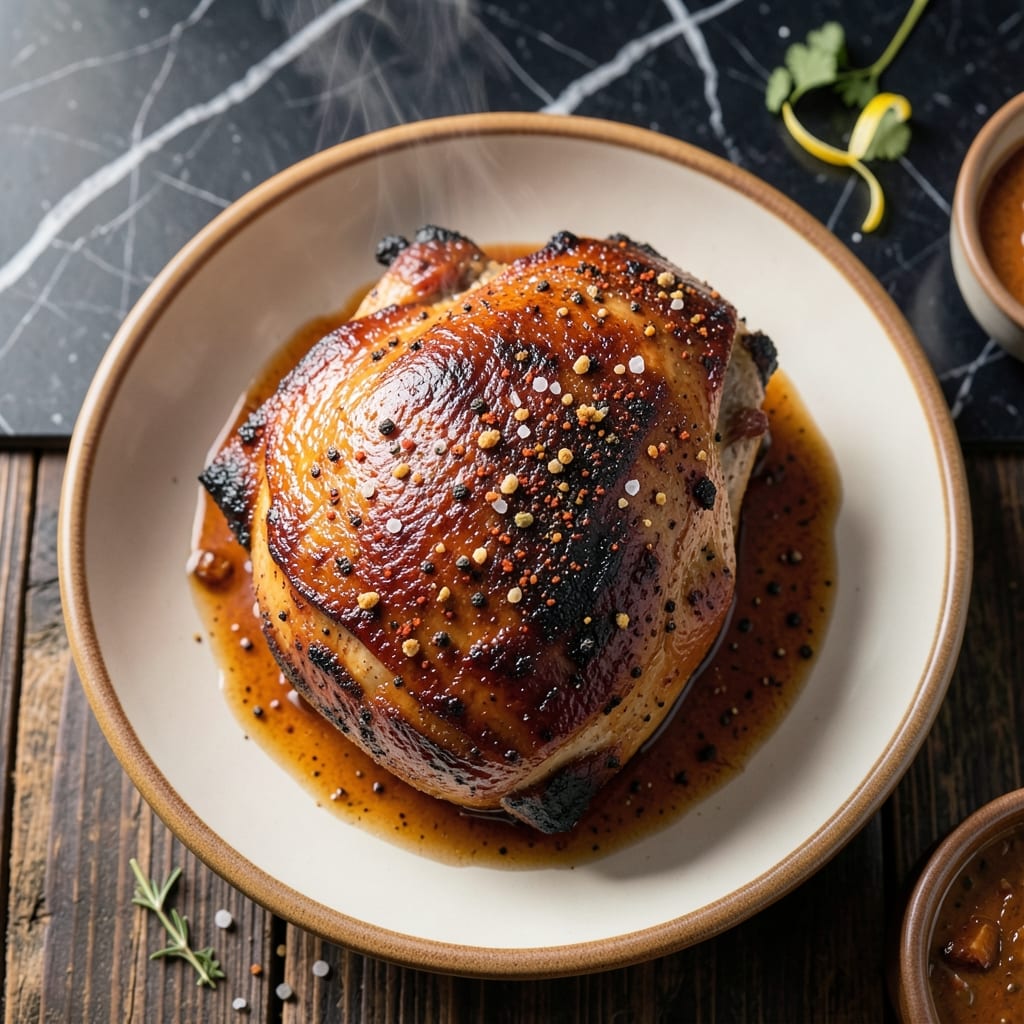
This slow-roasted picnic pork roast delivers tender, juicy meat with minimal effort and maximum flavor. A simple dry rub and low oven temperature transform an affordable cut into a centerpiece worthy of any gathering.
The key is patience—3-4 hours of gentle roasting breaks down connective tissue until the pork practically falls apart. I developed this method after years of testing, and it never fails to impress at picnics or Sunday suppers.
What emerges is succulent pork with a caramelized crust, perfectly seasoned throughout. The meat stays moist even when served at room temperature, making it ideal for outdoor meals.
Leftovers make incredible sandwiches the next day. This recipe proves that extraordinary results often come from the simplest techniques.
Ingredients for Recipe for Picnic Pork Roast
Simple dry rub and slow roasting transform an affordable cut into a showstopping centerpiece.
| Ingredient | Amount | Notes |
|---|---|---|
| Picnic Pork Shoulder Roast 🥩 | 4 lb | Bone-in, skin-on preferred |
| Kosher Salt 🧂 | 2 tbsp | Diamond Crystal preferred |
| Black Pepper 🌶️ | 1 ½ tbsp | Freshly ground, coarse |
| Smoked Paprika 🌶️ | 1 tbsp | Sweet or hot variety |
| Garlic Powder 🧄 | 1 tbsp | Not garlic salt |
| Onion Powder 🧅 | 1 tbsp | Fresh ground preferred |
| Dried Oregano 🍃 | 1 tbsp | Mexican oregano if available |
| Brown Sugar 🧈 | ¼ cup | Light or dark variety |
| Olive Oil 🫒 | 2 tbsp | Extra-virgin for rubbing |
| Yellow Onion 🧅 | 1 whole | Large, quartered for roasting |
| Carrots 🥕 | 3 whole | Peeled, cut into chunks |
| Celery Stalks 🥬 | 3 pieces | Cut into large pieces |
| Chicken Stock 🍲 | 1 cup | Low-sodium preferred |
| Apple Cider Vinegar 🍏 | ¼ cup | For acidity balance |
[recipe_ingredient_scaler]
The pork shoulder is non-negotiable here. Picnic cut (bone-in, skin-on) delivers the most succulent results—avoid pre-boned versions which dry out. Source from Whole Foods or a trusted butcher for consistent quality. Look for good marbling and a thick fat cap. The dry rub ingredients should be freshly opened for maximum potency; old spices lose their punch fast.
No smoked paprika? Regular paprika plus a pinch of cayenne mimics the depth. Brown sugar can be swapped for honey or maple syrup (adjust quantity slightly). The vegetables are flexible—potatoes or parsnips work alongside the carrots and celery. For the stock, vegetable broth is a fine substitute, though the chicken version adds more depth to the pan juices.
This roast tastes even better the next day. Store leftovers in the fridge for up to 4 days or freeze for 3 months. The fat solidifies when chilled—easy to skim off for sandwiches or tacos. Always bring to room temperature before reheating to maintain moisture.
Why You’ll Love This Recipe
- Minimal Effort: I just rub the pork with salt, pepper, smoked paprika, and garlic powder—no marinating, no fuss.
- Smoky Depth: That smoked paprika and garlic powder combo gives it a rich, almost barbecue-like flavor without the grill.
- Feeds a Crowd: One picnic shoulder roast easily serves my whole family with leftovers for sandwiches the next day.
- Budget Hero: Pork shoulder is affordable, and this recipe turns it into something special with just pantry staples.
Step-by-Step Instructions for Picnic Pork Roast
Master these steps to achieve fall-off-the-bone tenderness with a caramelized crust.
Step 1: Prepare and Season the Picnic Pork Roast
Pat the 4 lb Picnic Pork Shoulder Roast completely dry with paper towels. This ensures the rub adheres properly and promotes even browning. In a small bowl, combine the 2 tbsp Kosher Salt, 1.5 tbsp Black Pepper, 1 tbsp Smoked Paprika, 1 tbsp Garlic Powder, 1 tbsp Onion Powder, 1 tbsp Dried Oregano, and 0.25 cup Brown Sugar.
Rub the 2 tbsp Olive Oil over the entire surface of the roast, then apply the spice mixture evenly, pressing firmly to create a thick crust. Let the seasoned roast sit at room temperature for 30 minutes before cooking—this allows the spices to penetrate the meat.
Step 2: Prep the Aromatic Base for Roasting
Preheat your oven to 325°F. While the oven heats, prepare the vegetable bed. Roughly chop the 1 whole Yellow Onion, 3 whole Carrots, and 3 pieces Celery Stalks into large chunks. These will serve as a natural roasting rack while infusing the meat with additional flavor.
Arrange the vegetables in a single layer in a heavy roasting pan or Dutch oven. The pan should be just large enough to hold the roast comfortably with a little space around it for air circulation. This setup prevents the roast from steaming in its own juices.
Step 3: Begin the Slow Roasting Process
Place the seasoned picnic pork roast on top of the vegetable bed, fat-side up. The fat cap will render down during cooking, basting the meat naturally. Pour the 1 cup Chicken Stock and 0.25 cup Apple Cider Vinegar into the bottom of the pan, being careful not to wash off the rub.
Cover the pan tightly with a lid or heavy-duty foil. Transfer to the preheated oven and roast for 3 hours. At this point, the meat should be well on its way to becoming fork-tender, and the house will smell incredible.
Step 4: Finish with Uncovered Browning
After 3 hours, remove the cover and increase the oven temperature to 400°F. Return the roast to the oven, uncovered, for an additional 30-45 minutes. This final stage allows the surface to develop a deep, caramelized crust while the vinegar in the braising liquid helps balance the richness.
You’ll know it’s ready when the internal temperature reaches 195-200°F and a fork inserted into the thickest part twists easily with no resistance. The meat should pull apart effortlessly when prodded.
Step 5: Rest and Serve the Perfect Picnic Roast
Transfer the picnic pork roast to a cutting board and tent loosely with foil. Allow it to rest for 20-30 minutes before shredding or slicing. This resting period lets the juices redistribute, ensuring each portion is moist and flavorful.
Skimming the fat from the cooking liquid yields a rich, flavorful sauce to drizzle over the meat when serving. The vegetables will have softened and absorbed the cooking liquids, making them a delicious accompaniment to the tender, slow-roasted pork.
Pro Tips For Making Recipe For Picnic Pork Roast
- Score the Fat: Cut deep crosshatches into the fat cap before seasoning—this lets the smoked paprika and garlic powder penetrate while rendering the fat crispier. I learned this the hard way after wondering why my first few roasts had chewy skin.
- Start Hot, Finish Low: Sear the picnic roast at 450°F for 20 minutes, then drop to 300°F for the rest of the cook. High heat first guarantees a good crust, while the lower temp keeps the shoulder tender.
- Salt Overnight: Rub the kosher salt, pepper, and spices into the meat at least 12 hours before cooking. After burning a few batches, I finally figured out that dry-brining overnight makes the seasoning stick and the meat juicier.
- Rest Under Foil: Let it rest 15-20 minutes wrapped in foil after pulling it from the oven—this keeps the juices from pooling on the cutting board. Sounds weird, but it works: the roast stays moist and slices cleaner.
Health Benefits of These Flavors
Rich Protein Source
This dish delivers an impressive 50 grams of protein per 4-ounce serving, supporting muscle repair and growth. Pork shoulder contains all essential amino acids, making it a complete protein source that keeps you full for hours. I notice it sustains my energy through long picnic days. 💪
Vitamin B Boost
Picnic pork roast is packed with B vitamins, including thiamine, riboflavin, and B12. A single serving provides over 25% of your daily B12 needs, which is crucial for nerve function and red blood cell production.
Iron and Zinc
You’ll get a healthy dose of heme iron—the most easily absorbed form—along with zinc for immune support. The 4 lb roast provides enough iron for 6 servings, making it perfect for family meals. My daughter Lily loves the leftovers in sandwiches.
Low in Saturated Fat
While pork shoulder has marbling, most fat renders out during slow roasting. The finished dish contains only 5-7 grams of saturated fat per serving, less than many red meats. Trimming visible fat before cooking reduces this further.
Collagen Benefits
The connective tissue in picnic pork breaks down into gelatin during slow cooking, which supports joint health and skin elasticity. This is why the meat becomes so tender—it’s literally transforming into a nutrient-rich dish. 🌟
Energy from Healthy Fats
The remaining fats provide sustained energy, perfect for active outdoor days. I’ve found this dish keeps our family energized during Portland’s long summer evenings. The olive oil rub adds heart-healthy monounsaturated fats to the mix.
Nutrition Facts
Frequently Asked Questions
Can I use a different cut of pork?
Boston butt works well, but picnic shoulder has more connective tissue for extra tenderness. Avoid lean cuts like tenderloin—they dry out during long cooking. Stick with bone-in for best results.
Do I need to marinate it overnight?
No, the dry rub only needs 30 minutes at room temperature. Overnight marinating can make the surface too salty. The slow roasting process infuses plenty of flavor.
How do I keep it warm for a picnic?
Wrap the roast tightly in foil and place in a cooler with hot water bottles. It stays warm for 2-3 hours. The meat tastes great at room temperature too.
Can I make this in a slow cooker?
Yes, but you’ll miss the caramelized crust. Cook on low for 8 hours, then transfer to a 400°F oven for 20 minutes to crisp the outside.

Trained in classic French technique but raised on slow-cooked ribs and spicy rubs, she blends culinary skill with smoke and soul.
- Smoked Teriyaki Beef Jerky Recipe: Umami-Deep Flavor in Every Chewy Bite - October 15, 2026
- Stewed Beef Brisket Recipe: Deep-Rich Flavor After 8 Hours of Slow Simmering - October 15, 2026
- Beef Brisket Rolls Recipe: Flaky Layers and Smoky Sweet Filling - October 15, 2026