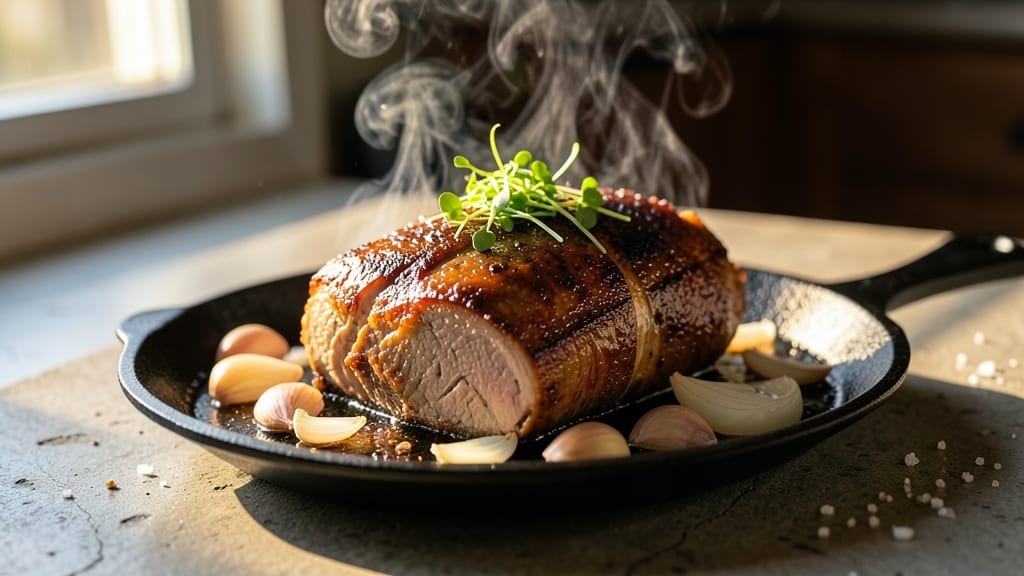
This pork shoulder Boston butt smoker recipe unlocks the secret to melt-in-your-mouth perfection, turning a bold cut into showstopping, pull-apart magic for your table.
Growing up in small-town Georgia, I learned that patience and precision in the smokehouse make all the difference—this recipe delivers restaurant-quality results with a method I’ve perfected over years of competition BBQ.
The key lies in balancing time, temperature, and wood selection to unlock flavors that turn tough meat into melt-in-your-mouth perfection.
This recipe starts with a dry rub that clings to the meat like armor, creating a flavorful bark while keeping the interior juicy.
Smoking at a steady 225°F for 10-12 hours ensures even cooking, while wrapping the shoulder in butcher paper during the last few hours locks in moisture for that signature tender pull.
No fancy equipment needed—just a reliable smoker, quality wood (hickory or apple), and a probe thermometer to monitor internal temps.
By the time you’re done, you’ll have pork so tender it falls apart at the touch, with a crust that’s crispy enough to stand up to bold BBQ sauces or tangy slaw. The aroma alone will have guests lining up before the meat even hits the table.
Serve it sliced thick over buttered cornbread or piled high on buns with pickles for that classic Carolina-style finish.
Whether you’re feeding a crowd or prepping for leftovers, this method delivers foolproof results every time. The secret? Trust the process—just like my granddad always said, “Good pork takes time, but it’s worth every minute.” Let’s get smoking.
Ingredients for pork shoulder boston butt smoker
A few key ingredients transform tough pork into melt-in-your-mouth perfection—just patience and smoke.
| Ingredient | Amount | Notes |
|---|---|---|
| Pork Shoulder (Boston Butt) 🥩 | 8 lb | Bone-in, well-marbled cut |
| Yellow Onion 🧅 | 1 whole | Large, yellow, sliced |
| Garlic Cloves 🧄 | 8 cloves | Fresh, peeled, minced |
| Kosher Salt 🧂 | ½ cup | Coarse, for dry rub |
| Black Peppercorns 🌶️ | 2 tbsp | Freshly cracked, coarse |
| Smoked Paprika 🌶️ | 2 tbsp | High-quality, for bark |
| Brown Sugar 🍯 | 2 tbsp | Light, for caramelization |
| Ground Cumin 🌿 | 1 tbsp | Toasted, for depth |
| Mustard Powder 🌶️ | 1 tbsp | For tangy bite |
| Apple Wood Chips 🌳 | 2 lb | Or hickory for stronger flavor |
| Butcher Paper 📄 | 1 sheet | For wrapping, 18×24 inches |
| Yellow Mustard 🍯 | ½ cup | For spritzing during smoke |
| Apple Cider Vinegar 🍎 | ¼ cup | For spritz mix |
| Water 💧 | ½ cup | For spritz mix |
| Butter 🧈 | ½ cup | Unsalted, cubed for basting |
[recipe_ingredient_scaler]
The pork shoulder is the star here. Look for a well-marbled, bone-in cut—the fat keeps it juicy, and the bone adds flavor. Costco or local butchers usually have the best selection, but any supermarket will carry it. If you can’t find apple wood chips, hickory works too—just soak them for 30 minutes before using. The mustard powder and brown sugar combo gives that signature Carolina tang and caramelized bark. I always double-check the salt—too little means bland, too much means tough. Diamond Crystal kosher salt is my go-to for dry rubs.
No smoked paprika? Regular paprika plus a pinch of liquid smoke gets you close. Running short on apple wood? Cherry or pecan chips add a different but delicious twist. The spritz mix (mustard, vinegar, water) keeps the bark crispy—don’t skip it! For the butter, full-fat is a must—it bastes beautifully. If you’re feeling fancy, add a splash of bourbon or hot sauce to the spritz for extra depth. The butcher paper? Any heavy-duty parchment works if you’re in a pinch, but butcher paper lets the meat breathe just right.
This pork keeps beautifully—3-4 days in the fridge wrapped tightly, or 2-3 months in the freezer if you slice and vacuum-seal it. The bark gets better with reheating, so plan ahead. I like to portion it into 12-ounce servings for easy leftovers. Freeze extras in gallon ziplock bags—just thaw overnight in the fridge. Pro tip: The first slice is always the best—save that for yourself!
Why You’ll Love This Recipe
- I’ve got a secret: the hardest part is prepping the dry rub with that ½ cup kosher salt and 2 tbsp cracked peppercorns—everything else is hands-off. Once the 8 lb Boston butt hits the smoker at 225°F with those soaked apple wood chips, it’s basically babysitting itself for 6-8 hours. Spritzing every 2 hours with mustard, vinegar, and water keeps it juicy without any fuss.
- No-Fuss Smoking: I’ve got a secret: the hardest part is prepping the dry rub with that ½ cup kosher salt and 2 tbsp cracked peppercorns—everything else is hands-off. Once the 8 lb Boston butt hits the smoker at 225°F with those soaked apple wood chips, it’s basically babysitting itself for 6-8 hours. Spritzing every 2 hours with mustard, vinegar, and water keeps it juicy without any fuss.
- Chewy-Soft Contrast: That crispy bark from the smoked paprika and brown sugar rub? It’s like eating a flavor bomb every time you bite into the fork-tender center. The butcher paper wrap at 203°F locks in moisture while keeping the outside crackling—no soggy surprises here. My kids fight over the last piece, and honestly, that’s my favorite part.
- Leftovers That Last: This isn’t just dinner—it’s a 3-4 day fridge staple or a 2-month freezer friend if I slice and vacuum-seal it. I portion it into 12-ounce servings for tacos, sandwiches, or soups later. Budget-wise? An 8 lb cut feeds a crowd for under $15—and the cracked peppercorns and toasted cumin make it feel fancy without extra cost.
Step-by-step instructions for pork shoulder and Boston butt smoker recipe
Here’s how to transform an 8 lb pork shoulder into melt-in-your-mouth perfection.
Prepare the Dry Rub and Season the Meat
In a medium bowl, combine the ½ cup kosher salt, 2 tbsp black peppercorns, 2 tbsp smoked paprika, 2 tbsp brown sugar, 1 tbsp ground cumin, and 1 tbsp mustard powder. Grind the black peppercorns in a spice grinder until coarsely cracked, then mix everything together until evenly distributed. This blend creates the perfect balance of smoky, sweet, and tangy flavors that penetrate the meat.
Pat the 8 lb pork shoulder dry with paper towels, removing any surface moisture. This step is crucial for developing that coveted bark. Apply the dry rub generously all over the pork, pressing it into the meat so it adheres well. Pay special attention to the fat cap and any crevices. Once seasoned, place the pork shoulder fat-side up on a wire rack set over a rimmed baking sheet. Refrigerate uncovered for at least 1 hour, or up to 24 hours. This resting period allows the rub to penetrate deeply and the meat to dry out slightly, both essential for that perfect crust.
Set Up the Smoker and Cook Low and Slow
Soak the 2 lb apple wood chips in water for 30 minutes to prevent them from burning. Fill your smoker with the soaked wood chips and preheat to 225°F. Maintain this temperature consistently—fluctuations will affect cooking time. Once the smoker reaches temperature and you see steady, blue smoke, place the seasoned pork shoulder inside. Position it fat-side up so the rendered fat can baste the meat during cooking.
Close the smoker lid and resist the urge to open it frequently. Every time you peek, you lose heat and moisture. Cook the pork shoulder for 6-8 hours, or until the internal temperature reaches 165°F. This is where the magic happens—the low and slow process breaks down the tough connective tissue, transforming it into tender, pull-apart goodness. Spritz the pork with a mix of ½ cup yellow mustard, ¼ cup apple cider vinegar, and ½ cup water every 2 hours. This keeps the meat moist and adds a subtle tangy flavor.
Wrap and Finish Cooking for Maximum Tenderness
When the internal temperature hits 165°F, you’ll notice the temperature stall—a point where the meat stops rising. This is normal and expected. Remove the pork shoulder from the smoker and wrap it tightly in the 1 sheet butcher paper. The paper allows the meat to breathe while retaining moisture, unlike foil which can steam the meat. Return the wrapped pork to the smoker and continue cooking until the internal temperature reaches 203°F. This final stage ensures the meat is fork-tender and ready to shred.
Cooking time at this stage typically takes an additional 3-5 hours. The butcher paper wrap helps power through the stall while maintaining that beautiful bark on the outside. Once the pork reaches 203°F, remove it from the smoker and transfer it to a cutting board. Let it rest for 30 minutes before shredding. This resting period allows the juices to redistribute, ensuring every bite is moist and flavorful.
Baste with Butter for Extra Flavor and Serve
While the pork rests, melt the ½ cup butter in a small saucepan over low heat. Once melted, pour the butter into a small bowl and let it cool slightly. After the 30-minute rest, use a fork to shred the pork shoulder against the grain. Transfer the shredded pork to a serving dish and pour the melted butter over the top. Toss gently to coat the meat evenly in the rich, flavorful butter.
Serve the pork immediately with any accumulated juices from the cutting board. Each bite should be tender enough to pull apart with a gentle tug, with a perfect balance of smoky, sweet, and tangy flavors. The butcher paper wrap ensures a crispy bark on the outside while keeping the meat juicy and succulent inside. Enjoy your perfectly smoked pork shoulder with your favorite sides—it’s a crowd-pleaser every time!
Pro Tips For Making Pork Shoulder Boston Butt Smoker
- Prep the Rub Right: I used to grind the black peppercorns too fine—now I crack them coarsely in a grinder and mix them into the rub after combining everything else. This keeps the texture rough enough to cling to the meat without turning into a powdery mess. Press it into the fat cap like you’re giving the pork a massage; that’s where the flavor hides.
- Skip the Foil Trap: Butcher paper isn’t just a fancy substitute—it’s the difference between a soggy exterior and that perfect bark. Foil steams the meat, and while it works, the paper lets the crust crisp while keeping the inside juicy. If you’re short on butcher paper, use heavy-duty aluminum foil loosely wrapped (don’t seal it tight) and spritz it like crazy to compensate.
- Time the Spritz Precisely: The spritz mix (½ cup yellow mustard, ¼ cup apple cider vinegar, ½ cup water) needs to be applied every 2 hours starting at the 2-hour mark—not sooner. Too early, and you’re just making the rub slide off; too late, and you’re fighting dryness. Keep the mix in a spray bottle and mist until it’s just damp, not swimming. (Yes, even if you’re impatient like me.)
- Butter at the Right Temp: Melt the ½ cup butter low and slow—if it gets too hot, it’ll burn before you even baste the pork. Pour it over the shredded meat while it’s still warm from resting, but not scorching. Let it cool slightly first, or you’ll turn your buttery masterpiece into a sad, greasy puddle. Toss gently—this isn’t a stir-fry, it’s a flavor bath.
Dietary considerations for these flavors
Gluten-Free Adaptation
If you’re avoiding gluten, keep the dry rub exactly the same—it’s naturally gluten-free with kosher salt, smoked paprika, and brown sugar. The key adjustment is ensuring your spritz mix and sides don’t contain hidden gluten.
Use gluten-free yellow mustard (like French’s) and apple cider vinegar from a trusted brand. For sides, skip croutons and opt for cornbread or gluten-free coleslaw with a tangy apple cider vinegar-based dressing. 💛
Dairy-Free Option
This recipe is already dairy-free, thanks to the unsalted butter being optional for basting. If you prefer to skip it entirely, the pork’s natural fat will still render beautifully during smoking.
For extra moisture, drizzle with avocado oil or olive oil after cooking. The butcher paper wrap ensures the meat stays juicy without relying on dairy.
Low-Sodium Adjustments
Since the dry rub includes ½ cup kosher salt, reduce it by ¼ cup and add 1 tsp liquid smoke for depth. Boost flavor with extra smoked paprika or garlic powder.
For the spritz mix, use water only instead of vinegar to avoid extra sodium. Taste as you go—you can always add more salt later, but you can’t take it out!
Allergen-Free Considerations
This recipe is naturally free of top 8 allergens (milk, eggs, peanuts, tree nuts, soy, wheat, fish, shellfish) except for potential cross-contamination if using shared equipment. For nut-free kitchens, ensure your apple wood chips aren’t processed in facilities with nuts.
If concerned about mustard allergies, substitute 1 tbsp Dijon mustard powder for the tangy bite in the dry rub.
Keto-Friendly Tweaks
Skip the brown sugar in the dry rub and replace it with 1 tbsp erythritol or monk fruit sweetener for a keto-friendly caramelization. Use unsweetened apple cider vinegar in the spritz mix and serve with cauliflower mash or zucchini noodles instead of carb-heavy sides.
The pork itself is already low-carb, making it a great fit for keto diets!
Nutrition facts
Frequently asked questions
Why does wrapping in butcher paper matter instead of foil?
Butcher paper lets the meat breathe while locking in moisture—unlike foil, which can trap steam and make the outside soggy. It preserves that perfect bark while keeping the interior tender. The paper’s breathability is key to maintaining the crispy exterior you crave!
How do I know when the pork has reached the temperature stall?
The stall happens when the internal temperature hits 165°F and stops rising for 1-2 hours. It’s normal—your smoker’s lid may even fog up! Just wrap it in butcher paper and keep cooking until it hits 203°F. Patience is everything during this phase.
Can I use a different wood type for smoking?
Apple wood gives a mild sweetness, but hickory adds bold flavor or cherry for fruity notes. Just soak the chips for 30 minutes to avoid flare-ups. Hickory’s stronger taste pairs well with the tangy mustard in the spritz.
What if my smoker temperature fluctuates?
Small fluctuations (±10°F) are fine, but big swings slow progress. Use a water pan or extra wood chips to stabilize heat. If temps drop below 225°F, add more chips to maintain smoke. Consistency is your best friend here!

Trained in classic French technique but raised on slow-cooked ribs and spicy rubs, she blends culinary skill with smoke and soul.
- Smoked Brisket Recipe: Low and Slow to Fall-Apart Tenderness - November 2, 2026
- Smoked Turkey Breast Recipe: Juicy Pink Center With Crispy Skin Every Time - November 2, 2026
- Leftover Smoked Pulled Pork Chili Recipe: Rustic Flavor Revival in One Pot - November 2, 2026