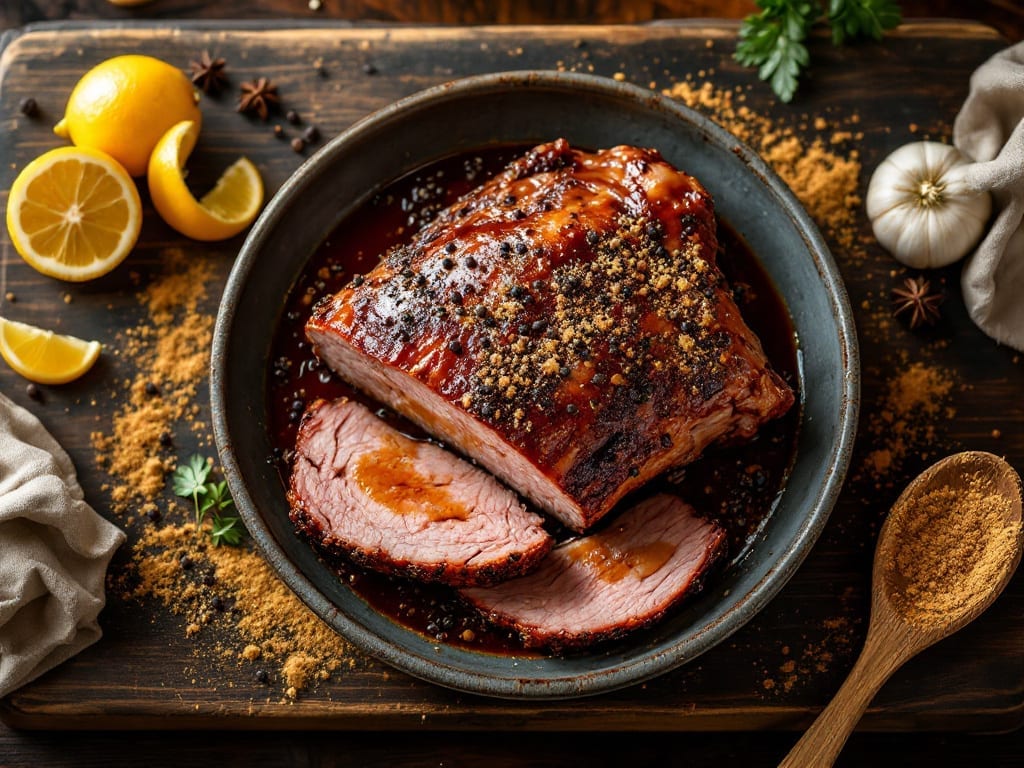
This Boston butt smoker recipe transforms a tough cut into melt-in-your-mouth perfection with a deep, spice-rubbed bark and irresistibly juicy interior. The key lies in a precise balance of heat, wood, and time—something I perfected after years of experimenting with my family’s backyard cookouts.
That first whiff of hickory smoke still takes me back to childhood summers, but now I’m sharing the professional techniques that elevate it to restaurant-quality results.
The magic begins with a dry rub that creates that coveted bark while keeping the meat tender inside. We’ll smoke the butt at a steady 225°F using hickory or a blend of hickory and cherry wood for that classic BBQ flavor profile.
Monitoring internal temperature is critical—we’re aiming for 195°F to 203°F, where the collagen breaks down and the meat becomes fork-tender. The bark forms beautifully while protecting the juicy interior from drying out.
What you’ll end up with is a Boston butt that practically falls apart at the touch, with a dark, flavorful bark that contrasts perfectly against the tender, smoky meat inside.
The aroma alone will have everyone gathering around your smoker, and each bite delivers that perfect balance of spice, smoke, and juiciness. This is the kind of dish that turns casual cookouts into memorable feasts.
Serve with classic BBQ sides like creamy baked beans, tangy coleslaw, and buttery cornbread for the full experience. The leftovers reheat beautifully too, making this an ideal recipe for feeding a crowd or meal prepping for the week. Let’s get smoking!
Ingredients for boston butt smoker
Eight spices, one perfect bark, and a juicy interior that melts at the touch—this is the smoker magic.
| Ingredient | Amount | Notes |
|---|---|---|
| Boston Butt (Pork Shoulder) 🐖 | 6 lb | Bone-in, skin-on preferred |
| Yellow Mustard 🍯 | ¼ cup | For rub adhesion |
| Brown Sugar 🍚 | ½ cup | Light or dark |
| Smoked Paprika 🌶️ | ¼ cup | For deep bark color |
| Kosher Salt 🧂 | ¼ cup | Diamond Crystal preferred |
| Black Pepper 🌶️ | 2 tbsp | Freshly cracked |
| Garlic Powder 🧄 | 2 tbsp | Freshly ground preferred |
| Onion Powder 🧅 | 1 tbsp | No added MSG |
| Ground Cumin 🌿 | 1 tbsp | Toasted for depth |
| Chili Powder 🌶️ | 1 tbsp | Medium heat |
| Hickory Wood Chips 🌳 | 1 package | Or hickory-cherry blend |
| Apple Juice 🍎 | 1 cup | For spritzing during cook |
| Butter 🧈 | ½ cup | Unsalted, for basting |
| Fresh Rosemary 🌿 | ¼ cup | Chopped, optional garnish |
[recipe_ingredient_scaler]
The Boston butt is the star, so buy the biggest bone-in cut you can find—the fat and bone keep it moist. Costco or Whole Foods often carry the ideal 6-8 lb roasts. Look for good marbling and ask the butcher to trim any excessive fat caps. The rub needs to stick, so yellow mustard is non-negotiable—it creates that perfect bark while keeping the meat tender. For the wood, stick with pure hickory if you want classic BBQ flavor, or blend with cherry for a touch of sweetness. I always soak my wood chips for 30 minutes before using—they smoke longer and more evenly.
No smoked paprika? Substitute regular paprika plus a pinch of liquid smoke (start with 1/4 tsp). Running out of brown sugar? White sugar plus 1 tsp molasses works in a pinch. The apple juice spritz is key for bark development—use unsweetened to avoid making the bark sticky. For the butter, full-fat is essential—it adds richness and helps baste the meat. If you’re short on time, pre-mix the dry rub and store it in an airtight container for up to 6 months. The rosemary is optional but adds a lovely aroma—fresh is best, but dried works at half the amount.
This meat is best rested for 2 hours before slicing—it’s worth the wait. Store leftovers in the fridge for 5 days or freeze for 3 months. For serving, I like to slice against the grain, then arrange on a platter with the juices. The bark gets crispy when cold, so reheat slices in a skillet for 30 seconds if you want that perfect texture. This recipe makes enough for a crowd—double the rub if you’re feeding 12 or more.
Why You’ll Love This Recipe
- Foolproof Rub Job: I swear by this combo of smoked paprika and brown sugar—just slather it on, let it sit for 10 minutes, and you’re done. No fancy prep, no stress, just pure flavor waiting to happen.
- Sweet-Smoky Magic: That yellow mustard base with a touch of brown sugar? It’s the secret weapon—tangy, caramelized, and just enough heat to make your taste buds dance. The smoker does the rest.
- Party in a Pan: This isn’t just for Sundays. I’ve pulled it together for game days, potlucks, and even lazy Tuesdays—because who says smoked meat can’t be your go-to? Slice it thick, serve it with buns, and watch it disappear.
- Leftovers? More Like Leftovers Love: One butt feeds my family for days. Shred it for tacos, sandwiches, or even breakfast hash—it’s the ultimate meal prep hack. And honestly? The second day is just as good as the first.
Step-by-step instructions for smoked Boston butt
Here’s the method that delivers melt-in-your-mouth tenderness with that coveted dark bark.
Prepare the Rub and Season the Meat
In a large bowl, combine the 0.25 cup yellow mustard, 0.5 cup brown sugar, 0.25 cup smoked paprika, 0.25 cup kosher salt, 2 tbsp black pepper, 2 tbsp garlic powder, 1 tbsp onion powder, 1 tbsp ground cumin, and 1 tbsp chili powder. Mix thoroughly with your hands until the mustard and spices form a thick, cohesive paste. This mixture is your secret weapon—it adheres perfectly to the meat and creates that signature bark.
Pat the 6 lb Boston Butt dry with paper towels, then generously coat every inch with the rub mixture. Press it in firmly, especially in the crevices and along the fat cap. Let it sit at room temperature for at least 1 hour (or up to 24 hours in the fridge) before smoking. This resting period allows the rub to penetrate deeply, ensuring maximum flavor in every bite. The longer it sits, the better the bark will develop.
Set Up the Smoker for Low and Slow Cooking
Fill a smoker box with the 1 package hickory wood chips and soak them in water for 30 minutes before using. Preheat your smoker to 225°F using the soaked wood chips. You’ll know it’s ready when you see thin, blue smoke—this indicates proper combustion without excess heat. Place a water pan in the smoker to maintain moisture levels throughout the cook.
Once the smoker reaches temperature, position the Boston Butt fat-side up on the grill grates. The fat cap will render down and baste the meat as it cooks, creating additional moisture and flavor. Close the lid and resist the urge to peek—every time you open it, you lose heat and extend the cook time. This low-and-slow approach is crucial for achieving that perfect pull-apart texture without drying out the meat.
Monitor Temperature and Spritz for Juiciness
Smoke the Boston Butt undisturbed for 6-8 hours, maintaining a consistent 225°F temperature. Use a meat thermometer to check the internal temperature—it should reach 165-170°F before you hit “the stall,” where the temperature plateaus as moisture evaporates. This is normal and expected; don’t panic or adjust the heat.
Here’s where the magic happens: every 90 minutes, remove the meat and spritz it generously with apple juice using a spray bottle. This keeps the surface moist, prevents the bark from becoming too hard, and ensures the meat stays juicy. The apple juice also adds a subtle sweetness that complements the smoky flavors. Continue this process until the internal temperature reaches 200-205°F, at which point the meat should be fork-tender and pull apart effortlessly.
Wrap and Finish for Maximum Tenderness
Once the meat reaches 200°F, remove it from the smoker and wrap it tightly in heavy-duty aluminum foil. This step, known as the “Texas crutch,” helps the meat overcome the stall and reach its full potential. Return the wrapped meat to the smoker and continue cooking for an additional 1-2 hours, or until the internal temperature climbs to 208-210°F. The wrapping also allows the meat to steam slightly, ensuring it remains moist and tender.
During this final stage, the meat will continue to break down and absorb the remaining smoke flavor. The foil trapping the steam creates a self-basting effect, guaranteeing that every bite is juicy and flavorful. This is the moment that matters—patience here pays off with a perfectly tender, pull-apart texture.
Rest and Serve with Confidence
Remove the Boston Butt from the smoker and let it rest at room temperature for 15 minutes, still wrapped in the foil. After resting, transfer it to a cutting board and tent loosely with foil. Allow it to rest for an additional 30-60 minutes before slicing. This resting period is critical—it allows the juices to redistribute throughout the meat, ensuring that each slice is moist and flavorful.
Slice the Boston Butt against the grain into ¼-inch thick pieces. The meat should be so tender that it pulls apart with minimal resistance, and the bark should be dark and crispy. Serve immediately with the 0.5 cup butter melted over the top and garnished with 0.25 cup fresh rosemary for a touch of freshness. The result is a dish that delivers on all its promises—juicy, smoky, and utterly satisfying.
Pro Tips For Making Boston Butt Smoker
- Trim the Fat Cap: I learned this the hard way—leaving the thick fat layer on top turns your smoker into a grease factory. Use a sharp knife to trim it down to about ¼-inch before applying your dry rub. The meat stays juicier, and you’ll avoid flare-ups that burn your mustard-sugar crust.
- Mix Mustard Last: Brown sugar and smoked paprika clump like crazy when mixed dry. Whisk the mustard in after coating the meat with the dry rub—it sticks better and creates that glossy, caramelized bark. (Yes, even if you’re impatient like me.)
- Probe the Thickest Part: The Boston butt’s thickest section (usually near the bone) hits 203°F last—not the first spot you poke. Stick your thermometer there, and don’t pull it until it reads consistent for 15 minutes. Skimping here means dry, stringy meat.
- Wrap at 165°F: After 4–5 hours, when the internal temp hits 165°F, wrap the butt in butcher paper or foil. This “stall” is real—it keeps the meat moist and lets it tenderize without drying out. (Your future self will thank you.)
Essential equipment for this dish
Smoker Essentials
Start with a quality smoker—I swear by my Traeger Pro 780 for its consistent temperature control, but a Weber Smokey Mountain or Masterbuilt 2007111 will do the job too. The key is maintaining that steady 225°F for hours on end.
I always soak my hickory wood chips for 30 minutes before using—they smoke longer and produce thinner, more flavorful wispy smoke. Don’t skimp on the water pan either; it keeps the meat moist during the long cook. 🌳
Temperature Control Tools
You absolutely need a dual-probe meat thermometer—I use the ThermoWorks Smoke—to monitor both the smoker temperature and internal meat temp simultaneously. The smoker probe should stay at 225°F ± 5°F the entire time.
For the meat, aim for 195°F to 203°F internal temperature where the collagen breaks down into gelatin, creating that irresistible pull-apart texture. I also keep a digital instant-read thermometer handy for quick checks.
Bark Development Kit
For that perfect bark, you’ll need a spray bottle filled with apple juice—I use a 16-ounce glass spray bottle from OXO Good Grips. Spritz the meat every 90 minutes to keep the surface moist while the rub develops.
A meat hook makes flipping and repositioning the butt effortless, and I always keep heavy-duty aluminum foil (like Reynolds Wrap) on hand for the wrap phase. Don’t forget a pair of heat-resistant gloves—trust me, you’ll thank me when you’re handling hot foil.
Resting Station
After smoking, you’ll need a large cutting board (I use a 12×18-inch butcher block) and heavy-duty aluminum foil to tent the meat while it rests. A meat mallet helps tenderize any stubborn fibers, though your Boston butt should be fork-tender at this point.
For serving, I use a large platter with raised edges to catch all those delicious juices. Pro tip: Keep a small saucepan nearby to melt that ½ cup butter for basting right before serving.
Wood and Fuel Backup
Always have backup wood chips on hand—I keep hickory and cherry blends stocked in my garage. A small fire extinguisher (rated for Class B fires) is a must for safety, and I recommend keeping a smoker chimney starter handy for quick, even heat-up.
For those who love experimenting, a smoke gun (like the Masterbuilt 30-inch) lets you test different wood combinations without committing to a full cook. I also keep a small fan nearby to help circulate air if your smoker struggles with heat distribution.
Nutrition facts
Frequently asked questions
How long does it take to smoke a Boston butt?
Total cook time typically ranges from 10-14 hours at 225°F. The meat needs 6-8 hours to reach 165°F before hitting the stall, then another 4-6 hours wrapped to reach 203°F-208°F. The exact time depends on your smoker’s consistency and the butt’s size—larger cuts take longer.
What’s the best wood for smoking Boston butt?
Classic hickory delivers that traditional BBQ flavor, but I love a hickory-cherry blend for a touch of sweetness. Avoid fruit woods like apple or peach—they can overpower the meat. Soak your wood chips for 30 minutes before using to ensure steady smoke production.
Why does my smoked pork shoulder turn out dry?
Overcooking is the #1 cause—stop when internal temp hits 203°F, not higher. The Texas crutch (foil wrap) prevents drying out by trapping moisture. Also ensure your smoker stays at 225°F ± 5°F and use a water pan to maintain humidity. Spritzing with apple juice every 90 minutes keeps the surface moist.
Can I smoke a Boston butt overnight?
This is a perfect overnight project—just plan for 12-16 hours total. Start in the evening, wrap at 200°F, and finish in the morning. The slow cook gives the rub time to develop deep flavor. Keep your smoker temperature stable and avoid peeking at the meat to maintain even cooking.
How do I store leftovers?
Store in an airtight container for 5 days in the fridge or 3 months in the freezer. Reheat slices in a skillet with a splash of apple juice to restore moisture. For cold storage, wrap tightly in foil and place in a sealed container to prevent drying. The bark stays crispy when cold—just warm it briefly before serving.

Trained in classic French technique but raised on slow-cooked ribs and spicy rubs, she blends culinary skill with smoke and soul.
- Best Smoked Oxtail Recipe: Deep-Rich Flavor After Low-and-Slow Cooking - October 14, 2026
- Pit Boss Smoked Prime Rib Roast Recipe: Bark-to-Bone Crispness in 4 Hours - October 14, 2026
- Smoked Tuna Steak Recipe: Seared Crust Meets Silky Centers - October 14, 2026