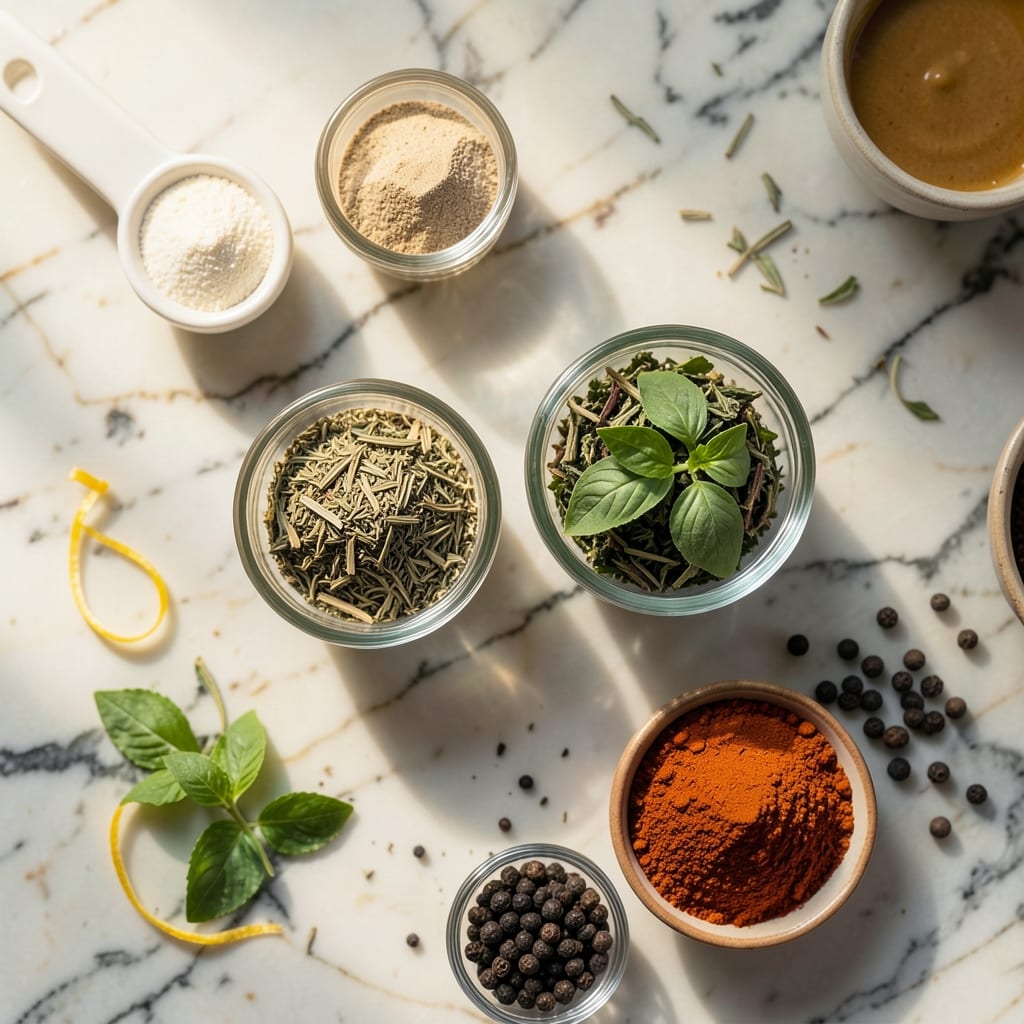
Low and slow grilling transforms pork shoulder into tender, fall-apart perfection. The secret lies in maintaining a consistent 225°F temperature for hours, allowing the fat to render and the meat to absorb smoky richness.
I developed this method after years of competition cooking, blending classic BBQ tradition with precise technique. The result is a melt-in-your-mouth experience that rewards patience with restaurant-quality results.
Ingredients for Pork Shoulder Grill
Pork shoulder, dry rub essentials, and wood chips for that signature low-and-slow smoky depth.
| Ingredient | Amount | Notes |
|---|---|---|
| Pork Shoulder 🐖 | 4 lb | Bone-in, skin-on preferred |
| Kosher Salt 🧂 | 2 tbsp | Diamond Crystal preferred |
| Black Pepper 🌶️ | 2 tbsp | Freshly ground, coarse |
| Paprika 🌶️ | 2 tbsp | Sweet or smoked variety |
| Garlic Powder 🧄 | 1 tbsp | Not garlic salt |
| Onion Powder 🧅 | 1 tbsp | Fresh ground preferred |
| Brown Sugar 🍚 | ½ cup | Light or dark variety |
| Apple Cider Vinegar 🍏 | ¼ cup | For acidity balance |
| Olive Oil 🫒 | ¼ cup | For rub binding |
| Hickory Wood Chips 🪵 | 2 cups | Soaked in water 1 hour |
| Apple Juice 🍎 | 2 cups | For spritzing during cook |
| Yellow Mustard 🟡 | ¼ cup | For binder in rub |
[recipe_ingredient_scaler]
The pork shoulder is non-negotiable here—bone-in, skin-on yields the most flavor and moisture. Source from a reputable butcher or Costco for consistent quality. Look for good marbling; the fat renders down during the long cook, basting the meat from within. The rub ingredients are pantry staples, but freshly ground black pepper makes a noticeable difference in the final crust.
No apple juice for spritzing? Apple cider or even beer works in a pinch. The vinegar can be swapped for white vinegar, though cider adds a subtle fruit note. If hickory chips are unavailable, cherry or pecan wood offers a milder smoke profile. The brown sugar can be replaced with turbinado for a coarser texture in the bark.
Store the pork shoulder in the fridge until ready to use—ideally within 2-3 days of purchase. The dry rub can be mixed and stored in an airtight container for up to 6 months. Leftovers (if any) keep well in the fridge for 4-5 days or freeze for 3 months.
Why You’ll Love This Recipe
- Set It and Forget: I just rub the pork shoulder with salt, pepper, paprika, and garlic powder, then let the grill do the work.
- Smoky and Rich: The paprika and garlic create this deep, savory crust that’s honestly hard to resist.
- Crowd Pleaser: I’ve served this at backyard BBQs and weeknight dinners—everyone cleans their plate.
- Leftovers for Days: One shoulder feeds my family for two meals, and it’s even better in tacos the next day.
Step-by-Step Instructions for Pork Shoulder on the Grill
Here is the method for achieving tender, smoke-infused results with precise technique.
Step 1: Prepare the Pork Shoulder with Dry Rub
Pat the 4 lb Pork Shoulder dry with paper towels to ensure the rub adheres properly. In a bowl, combine the 2 tbsp Kosher Salt, 2 tbsp Black Pepper, 2 tbsp Paprika, 1 tbsp Garlic Powder, 1 tbsp Onion Powder, and 0.5 cup Brown Sugar until evenly mixed.
Add the 0.25 cup Olive Oil and 0.25 cup Yellow Mustard to the dry spices, stirring to form a thick paste. Apply this mixture generously over all surfaces of the pork, pressing it into the meat to create a flavorful crust. Let the seasoned shoulder sit at room temperature for 30 minutes while you prepare the grill.
Step 2: Set Up the Grill for Indirect Heat
Soak the 2 cups Hickory Wood Chips in water for at least 1 hour before grilling. Configure your grill for indirect cooking: light the burners on one side for a charcoal grill, or turn off half the burners on a gas grill, maintaining a temperature of 225-250°F on the unlit side.
Once the grill reaches temperature, add the drained wood chips directly to the coals or use a smoker box for a gas grill. Place a disposable aluminum pan filled with water on the indirect heat side to maintain moisture during the long cook.
Step 3: Smoke the Pork Shoulder Low and Slow
Position the pork shoulder on the grill over the indirect heat, fat-side up. Close the lid and maintain a consistent temperature between 225-250°F. After 2 hours, begin spritzing the pork every 45-60 minutes with the 2 cups Apple Juice to keep the surface moist.
Cook for 6-8 hours, or until the internal temperature reaches 165°F. At this point, the pork will enter the stall phase, where the temperature plateaus as moisture evaporates.
Step 4: Wrap and Finish the Cook
Once the internal temperature hits 165°F, wrap the pork shoulder tightly in heavy-duty aluminum foil or butcher paper. Return it to the grill and continue cooking until the internal temperature reaches 203-205°F, typically another 2-3 hours.
The pork is done when a probe thermometer slides in with minimal resistance, indicating the connective tissue has rendered into gelatin. Remove from the grill and let rest, still wrapped, for 1 hour to allow the juices to redistribute.
Unwrap and shred the pork with forks, discarding any large fat pieces. Serve immediately with your preferred barbecue sauce or as a base for sandwiches and tacos.
Pro Tips For Making Pork Shoulder Grill
- Dry the Meat: Pat the pork shoulder thoroughly dry with paper towels before seasoning. I learned this the hard way—wet meat steams instead of searing, so you’ll miss that crispy crust.
- Season Overnight: Rub the salt, pepper, paprika, and garlic powder into the pork at least 12 hours before grilling. Sounds like a hassle, but it actually changes the outcome—way deeper flavor.
- Use Indirect Heat: Set up your grill for indirect cooking (coals on one side, pork on the other) to avoid burning the outside before the inside cooks through. After ruining a shoulder over direct flame, I finally figured this out.
- Rest Before Slicing: Let the pork shoulder rest under foil for 15-20 minutes after grilling. I used to skip this and wondered why my meat was dry—now it stays juicy every time.
Best Sauces and Condiments for This pork shoulder grill
Classic BBQ Sauce
Nothing beats a tangy Kansas City-style sauce with this pork. I use Sweet Baby Ray’s Original for its balanced sweetness and smoke. Brush it on during the last 30 minutes of cooking for a sticky, caramelized finish. The sugar content helps create that perfect bark. 🔥
Vinegar-Based Carolina
For a lighter touch, try a North Carolina vinegar sauce. Mix 1 cup apple cider vinegar, ½ cup water, ¼ cup brown sugar, and 1 tbsp red pepper flakes. It cuts through the richness beautifully. I learned this from a pitmaster at a coastal competition.
Alabama White Sauce
This creamy, peppery sauce from Big Bob Gibson’s is my wildcard pick. Blend 2 cups mayonnaise, ½ cup apple cider vinegar, and 1 tbsp prepared horseradish. Drizzle over shredded pork for a unique, tangy twist that surprises everyone.
Spicy Mop Sauce
I forage wild chipotle peppers in adobo for this one. Simmer 1 cup apple juice, ½ cup vinegar, 2 minced chipotles, and 2 tbsp brown sugar until thickened. Mop it on during the final hour for a smoky, spicy kick. Perfect for those who love heat.
Mustard-Based Sauce
A South Carolina-style mustard sauce adds bold flavor. Whisk 1 cup yellow mustard, ½ cup honey, and ¼ cup apple cider vinegar. The sharpness pairs wonderfully with the pork’s sweetness. I always keep this in my competition toolkit.
Nutrition Facts

Trained in classic French technique but raised on slow-cooked ribs and spicy rubs, she blends culinary skill with smoke and soul.
- Recipe for Boneless Pork Chops in Cast Iron Skillet: Sear and Baste to Juicy Perfection - October 3, 2026
- Recipe for Boneless Cross Rib Roast: Slow-Roasted Beef with Herb Crust - October 3, 2026
- Hamburgers in Sauce Recipe Crock Pot: Slow-Cooked Savory Delight - October 3, 2026