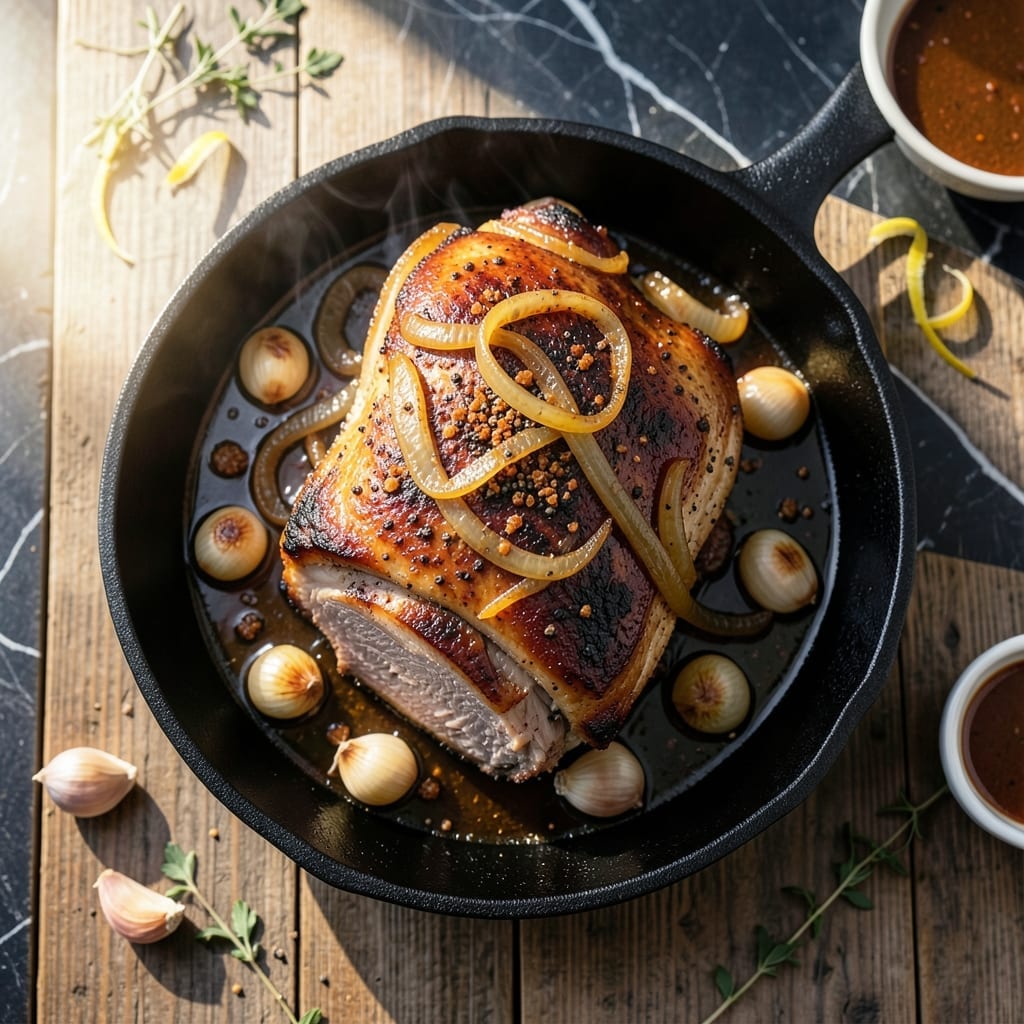
Pork Shoulder Recipe Oven: Slow-Roasted to Pull-Apart Tenderness

Pork Shoulder Recipe Oven: Slow-Roasted to Pull-Apart Tenderness

This oven method transforms tough pork shoulder into tender, fall-apart meat with minimal effort. I’ve tested countless approaches, and slow-roasting at low heat consistently delivers the best results.

The key is patience. A 325°F oven and a few hours let collagen break down, creating that signature pull-apart texture. Seasoning generously ensures every bite is packed with flavor.

You’ll end up with juicy, flavorful pork that shreds easily for tacos, sandwiches, or served as-is. The crispy exterior contrasts perfectly with the tender interior.

Perfect for feeding a crowd or meal prepping for the week. This technique never fails to impress.

👨‍🍳
Difficulty
Medium
🥩
Diet
Meat
⏱️
Total Time
30 min
🔥
Calories
High Cal

Ingredients for Pork Shoulder Recipe Oven

A few spices and a pork shoulder create that signature pull-apart texture with crispy edges.

Ingredient Amount Notes
Pork Shoulder 🥩 4 lb Bone-in, skin-on preferred
Kosher Salt 🧂 2 tbsp Diamond Crystal preferred
Black Pepper 🌶️ 1 tbsp Freshly ground coarse
Garlic Powder 🧄 1 tbsp Not garlic salt
Onion Powder 🧅 1 tbsp Freshly ground preferred
Smoked Paprika 🌶️ 1 tbsp Sweet or hot variety
Dried Oregano 🍃 1 tbsp Mexican oregano ideal
Ground Cumin 🌿 1 tsp Toasted for depth
Brown Sugar 🍚 2 tbsp Light or dark works
Olive Oil 🫒 2 tbsp Extra-virgin for richness
Apple Cider Vinegar 🍏 ¼ cup Balances sweetness
Chicken Stock 🍲 1 cup Low-sodium preferred

[recipe_ingredient_scaler]

The pork shoulder is non-negotiable—bone-in, skin-on gives you the best texture and flavor. Look for pieces with good marbling at Whole Foods or Costco. The fat cap will render down during cooking, basting the meat as it roasts. Avoid pre-cut pieces; a whole shoulder ensures even cooking. For the best results, bring it to room temperature before seasoning.

No smoked paprika? Regular paprika plus a pinch of cayenne works in a pinch. The brown sugar can be swapped for honey or maple syrup (adjust quantity to taste). If you’re out of chicken stock, beef stock or water with a bouillon cube will do. The vinegar is key for balancing the richness—white vinegar or lemon juice can substitute.

Leftovers keep beautifully. Store shredded pork in its juices in the fridge for up to 4 days or freeze for 3 months. The flavor deepens overnight, making it perfect for meal prep. Reheat gently on the stove with a splash of stock to revive.

❤️

Why You’ll Love This Recipe

  • Set It and Forget: I rub the pork with salt, pepper, garlic and onion powder, pop it in the oven, and let the heat do all the work.
  • Fall-Off-Bone Tender: The slow roast turns the shoulder into melt-in-your-mouth perfection with every bite.
  • Weeknight Feast: This dish feeds my whole family effortlessly, and it’s just as good for Sunday dinner.
  • Leftovers for Days: One roast gives us multiple meals—tacos, sandwiches, you name it. Honestly, it’s my favorite kind of meal prep.

Step-by-Step Instructions for Pork Shoulder Oven

Master the technique for fall-apart tender results with this straightforward oven method.

Step 1: Create the Dry Rub and Season the Pork

In a small bowl, combine the 2 tbsp Kosher Salt, 1 tbsp Black Pepper, 1 tbsp Garlic Powder, 1 tbsp Onion Powder, 1 tbsp Smoked Paprika, 1 tbsp Dried Oregano, 1 tsp Ground Cumin, and 2 tbsp Brown Sugar. Stir until the spices are evenly distributed and the mixture takes on a deep reddish-brown hue.

Pat the 4 lb Pork Shoulder dry with paper towels, then rub the spice mixture over every surface, pressing firmly to ensure it adheres. The pork should be completely coated with a visible layer of rub. Let it sit at room temperature for 30 minutes to allow the flavors to begin penetrating the meat.

Step 2: Sear the Pork for Depth of Flavor

Heat the 2 tbsp Olive Oil in a large Dutch oven or oven-safe pot over medium-high heat until it shimmers but does not smoke. Carefully place the seasoned pork shoulder in the pot, fat-side down. Sear undisturbed for 4-5 minutes until a deep, golden-brown crust forms.

Turn the pork and sear the remaining sides for 3-4 minutes each, until uniformly browned. The fond (browned bits) that develops at the bottom of the pot will dissolve into the cooking liquid later, creating a rich, flavorful base for the dish. Remove the pork and set it aside temporarily.

Step 3: Deglaze and Begin the Slow Roast

With the pot still over medium-high heat, carefully pour in the 0.25 cup Apple Cider Vinegar. Using a wooden spoon, scrape up all the browned bits from the bottom of the pot. The vinegar will hiss and steam as it deglazes the surface, lifting those flavorful particles into the liquid.

Return the pork to the pot, fat-side up, and pour in the 1 cup Chicken Stock. The liquid should come about halfway up the pork but not submerge it. Cover the pot tightly with its lid and transfer it to a preheated 325°F oven.

Step 4: Slow-Roast to Pull-Apart Tenderness

Roast the pork for 3-4 hours, turning it once halfway through the cooking time to ensure even exposure to the braising liquid. Avoid the urge to check or baste too frequently—each time you open the oven, you lose heat and extend the cooking time.

The pork is done when it reaches an internal temperature of 195-200°F and a fork or probe slides in with virtually no resistance. At this point, the connective tissues have broken down into gelatin, giving the meat that coveted pull-apart texture. The exterior should be dark and caramelized, with the braising liquid reduced to a thin, flavorful syrup.

Remove the pot from the oven and let the pork rest in its juices for 20-30 minutes before shredding or serving. This resting period allows the meat to reabsorb some of the moisture, ensuring it remains juicy when served.

👨‍🍳

Pro Tips For Making Pork Shoulder Recipe Oven

  • Start Low and Slow: Set your oven to 275°F—any higher and the meat tightens up before it gets tender. I learned this the hard way after pulling dry pork at 350°F.
  • Dry the Surface: Pat the pork shoulder completely dry with paper towels before seasoning. Sounds tedious, but it guarantees the salt and spices stick and form a proper crust.
  • Don’t Rush the Rest: Let the pork rest under foil for at least 20 minutes after cooking. After burning my fingers skipping this step, I now swear by it—it keeps all the juices inside.
  • Score the Fat Cap: Use a sharp knife to cut 1/4-inch slits in the fat cap before seasoning. My grandmother swore by this, and it actually lets the spices penetrate deeper while rendering the fat perfectly.

Wine and Beer Pairings for This pork shoulder recipe oven

Bold Red Wines

A full-bodied Zinfandel from California’s Dry Creek Valley pairs beautifully with the rich, smoky flavors of this dish. Its jammy fruit notes complement the caramelized exterior. I particularly love Ravenswood Old Vine for its peppery finish. 🍷

Medium-Bodied Reds

Pinot Noir from Oregon’s Willamette Valley offers a lighter alternative that won’t overpower the pork. The earthy notes of A to Z Wineworks balance the dish’s sweet and savory elements perfectly.

Craft Beer Options

A robust porter like Deschutes Black Butte provides chocolatey notes that enhance the meat’s depth. For something lighter, a brown ale from Portland’s Breakside Brewery offers caramel undertones that echo the brown sugar in the rub. 🍺

Crisp White Wines

Surprisingly, a lightly oaked Chardonnay from Burgundy can work well. The butteriness of Louis Latour complements the pork’s richness while its acidity cuts through the fat.

Non-Alcoholic Pairings

For a refreshing non-alcoholic option, try sparkling apple cider from local Portland producers. Its effervescence and sweetness mirror the apple cider vinegar in the recipe. I often serve this with lunch portions.

Nutrition Facts

Servings 4
Amount Per Serving
Calories 680kcal
% Daily Value
Total Fat 42g54%
Saturated Fat 14g70%
Cholesterol 180mg60%
Sodium 1250mg54%
Total Carbohydrate 12g4%
Dietary Fiber 1g4%
Sugars 8g
Protein 62g124%
Percent Daily Values are based on a 2,000 calorie diet. Your daily values may be higher or lower depending on your calorie needs.

Frequently Asked Questions

1

What temperature should the oven be set to?

Set your oven to 325°F for ideal slow-roasting. This temperature allows the collagen to break down gradually without drying out the meat.

2

How long does it take to cook?

Plan for 3-4 hours of cooking time. The pork is ready when it reaches an internal temperature of 195-200°F and pulls apart easily with a fork.

3

Can I use a different cut of pork?

Stick with pork shoulder for best results. Pork butt works well too, but avoid leaner cuts like tenderloin, as they won’t achieve the same tenderness.

4

Do I need to cover the pork while cooking?

Yes, keep it covered for the first half of cooking, then uncover to allow the exterior to crisp. This ensures even cooking and a perfect caramelized crust.

★★★★★5.0(3 reviews)
Chef Melanie

Pork Shoulder Recipe Oven: Slow-Roasted to Pull-Apart Tenderness

Pork Shoulder Recipe Oven: Slow-Roasted to Pull-Apart Tenderness

This oven method transforms tough pork shoulder into tender, fall-apart meat with minimal effort. I’ve tested countless approaches, and slow-roasting at low heat consistently delivers the best results.

The key is patience. A 325°F oven and a few hours let collagen break down, creating that signature pull-apart texture. Seasoning generously ensures every bite is packed with flavor.

You’ll end up with juicy, flavorful pork that shreds easily for tacos, sandwiches, or served as-is. The crispy exterior contrasts perfectly with the tender interior.

Perfect for feeding a crowd or meal prepping for the week. This technique never fails to impress.

👨‍🍳
Difficulty
Medium
🥩
Diet
Meat
⏱️
Total Time
30 min
🔥
Calories
High Cal

Ingredients for Pork Shoulder Recipe Oven

A few spices and a pork shoulder create that signature pull-apart texture with crispy edges.

Ingredient Amount Notes
Pork Shoulder 🥩 4 lb Bone-in, skin-on preferred
Kosher Salt 🧂 2 tbsp Diamond Crystal preferred
Black Pepper 🌶️ 1 tbsp Freshly ground coarse
Garlic Powder 🧄 1 tbsp Not garlic salt
Onion Powder 🧅 1 tbsp Freshly ground preferred
Smoked Paprika 🌶️ 1 tbsp Sweet or hot variety
Dried Oregano 🍃 1 tbsp Mexican oregano ideal
Ground Cumin 🌿 1 tsp Toasted for depth
Brown Sugar 🍚 2 tbsp Light or dark works
Olive Oil 🫒 2 tbsp Extra-virgin for richness
Apple Cider Vinegar 🍏 ¼ cup Balances sweetness
Chicken Stock 🍲 1 cup Low-sodium preferred

[recipe_ingredient_scaler]

The pork shoulder is non-negotiable—bone-in, skin-on gives you the best texture and flavor. Look for pieces with good marbling at Whole Foods or Costco. The fat cap will render down during cooking, basting the meat as it roasts. Avoid pre-cut pieces; a whole shoulder ensures even cooking. For the best results, bring it to room temperature before seasoning.

No smoked paprika? Regular paprika plus a pinch of cayenne works in a pinch. The brown sugar can be swapped for honey or maple syrup (adjust quantity to taste). If you’re out of chicken stock, beef stock or water with a bouillon cube will do. The vinegar is key for balancing the richness—white vinegar or lemon juice can substitute.

Leftovers keep beautifully. Store shredded pork in its juices in the fridge for up to 4 days or freeze for 3 months. The flavor deepens overnight, making it perfect for meal prep. Reheat gently on the stove with a splash of stock to revive.

❤️

Why You’ll Love This Recipe

  • Set It and Forget: I rub the pork with salt, pepper, garlic and onion powder, pop it in the oven, and let the heat do all the work.
  • Fall-Off-Bone Tender: The slow roast turns the shoulder into melt-in-your-mouth perfection with every bite.
  • Weeknight Feast: This dish feeds my whole family effortlessly, and it’s just as good for Sunday dinner.
  • Leftovers for Days: One roast gives us multiple meals—tacos, sandwiches, you name it. Honestly, it’s my favorite kind of meal prep.

Step-by-Step Instructions for Pork Shoulder Oven

Master the technique for fall-apart tender results with this straightforward oven method.

Step 1: Create the Dry Rub and Season the Pork

In a small bowl, combine the 2 tbsp Kosher Salt, 1 tbsp Black Pepper, 1 tbsp Garlic Powder, 1 tbsp Onion Powder, 1 tbsp Smoked Paprika, 1 tbsp Dried Oregano, 1 tsp Ground Cumin, and 2 tbsp Brown Sugar. Stir until the spices are evenly distributed and the mixture takes on a deep reddish-brown hue.

Pat the 4 lb Pork Shoulder dry with paper towels, then rub the spice mixture over every surface, pressing firmly to ensure it adheres. The pork should be completely coated with a visible layer of rub. Let it sit at room temperature for 30 minutes to allow the flavors to begin penetrating the meat.

Step 2: Sear the Pork for Depth of Flavor

Heat the 2 tbsp Olive Oil in a large Dutch oven or oven-safe pot over medium-high heat until it shimmers but does not smoke. Carefully place the seasoned pork shoulder in the pot, fat-side down. Sear undisturbed for 4-5 minutes until a deep, golden-brown crust forms.

Turn the pork and sear the remaining sides for 3-4 minutes each, until uniformly browned. The fond (browned bits) that develops at the bottom of the pot will dissolve into the cooking liquid later, creating a rich, flavorful base for the dish. Remove the pork and set it aside temporarily.

Step 3: Deglaze and Begin the Slow Roast

With the pot still over medium-high heat, carefully pour in the 0.25 cup Apple Cider Vinegar. Using a wooden spoon, scrape up all the browned bits from the bottom of the pot. The vinegar will hiss and steam as it deglazes the surface, lifting those flavorful particles into the liquid.

Return the pork to the pot, fat-side up, and pour in the 1 cup Chicken Stock. The liquid should come about halfway up the pork but not submerge it. Cover the pot tightly with its lid and transfer it to a preheated 325°F oven.

Step 4: Slow-Roast to Pull-Apart Tenderness

Roast the pork for 3-4 hours, turning it once halfway through the cooking time to ensure even exposure to the braising liquid. Avoid the urge to check or baste too frequently—each time you open the oven, you lose heat and extend the cooking time.

The pork is done when it reaches an internal temperature of 195-200°F and a fork or probe slides in with virtually no resistance. At this point, the connective tissues have broken down into gelatin, giving the meat that coveted pull-apart texture. The exterior should be dark and caramelized, with the braising liquid reduced to a thin, flavorful syrup.

Remove the pot from the oven and let the pork rest in its juices for 20-30 minutes before shredding or serving. This resting period allows the meat to reabsorb some of the moisture, ensuring it remains juicy when served.

👨‍🍳

Pro Tips For Making Pork Shoulder Recipe Oven

  • Start Low and Slow: Set your oven to 275°F—any higher and the meat tightens up before it gets tender. I learned this the hard way after pulling dry pork at 350°F.
  • Dry the Surface: Pat the pork shoulder completely dry with paper towels before seasoning. Sounds tedious, but it guarantees the salt and spices stick and form a proper crust.
  • Don’t Rush the Rest: Let the pork rest under foil for at least 20 minutes after cooking. After burning my fingers skipping this step, I now swear by it—it keeps all the juices inside.
  • Score the Fat Cap: Use a sharp knife to cut 1/4-inch slits in the fat cap before seasoning. My grandmother swore by this, and it actually lets the spices penetrate deeper while rendering the fat perfectly.

Wine and Beer Pairings for This pork shoulder recipe oven

Bold Red Wines

A full-bodied Zinfandel from California’s Dry Creek Valley pairs beautifully with the rich, smoky flavors of this dish. Its jammy fruit notes complement the caramelized exterior. I particularly love Ravenswood Old Vine for its peppery finish. 🍷

Medium-Bodied Reds

Pinot Noir from Oregon’s Willamette Valley offers a lighter alternative that won’t overpower the pork. The earthy notes of A to Z Wineworks balance the dish’s sweet and savory elements perfectly.

Craft Beer Options

A robust porter like Deschutes Black Butte provides chocolatey notes that enhance the meat’s depth. For something lighter, a brown ale from Portland’s Breakside Brewery offers caramel undertones that echo the brown sugar in the rub. 🍺

Crisp White Wines

Surprisingly, a lightly oaked Chardonnay from Burgundy can work well. The butteriness of Louis Latour complements the pork’s richness while its acidity cuts through the fat.

Non-Alcoholic Pairings

For a refreshing non-alcoholic option, try sparkling apple cider from local Portland producers. Its effervescence and sweetness mirror the apple cider vinegar in the recipe. I often serve this with lunch portions.

Nutrition Facts

Servings 4
Amount Per Serving
Calories 680kcal
% Daily Value
Total Fat 42g54%
Saturated Fat 14g70%
Cholesterol 180mg60%
Sodium 1250mg54%
Total Carbohydrate 12g4%
Dietary Fiber 1g4%
Sugars 8g
Protein 62g124%
Percent Daily Values are based on a 2,000 calorie diet. Your daily values may be higher or lower depending on your calorie needs.

Frequently Asked Questions

1

What temperature should the oven be set to?

Set your oven to 325°F for ideal slow-roasting. This temperature allows the collagen to break down gradually without drying out the meat.

2

How long does it take to cook?

Plan for 3-4 hours of cooking time. The pork is ready when it reaches an internal temperature of 195-200°F and pulls apart easily with a fork.

3

Can I use a different cut of pork?

Stick with pork shoulder for best results. Pork butt works well too, but avoid leaner cuts like tenderloin, as they won’t achieve the same tenderness.

4

Do I need to cover the pork while cooking?

Yes, keep it covered for the first half of cooking, then uncover to allow the exterior to crisp. This ensures even cooking and a perfect caramelized crust.

★★★★★5.0(3 reviews)
Chef Melanie

More recipe sites