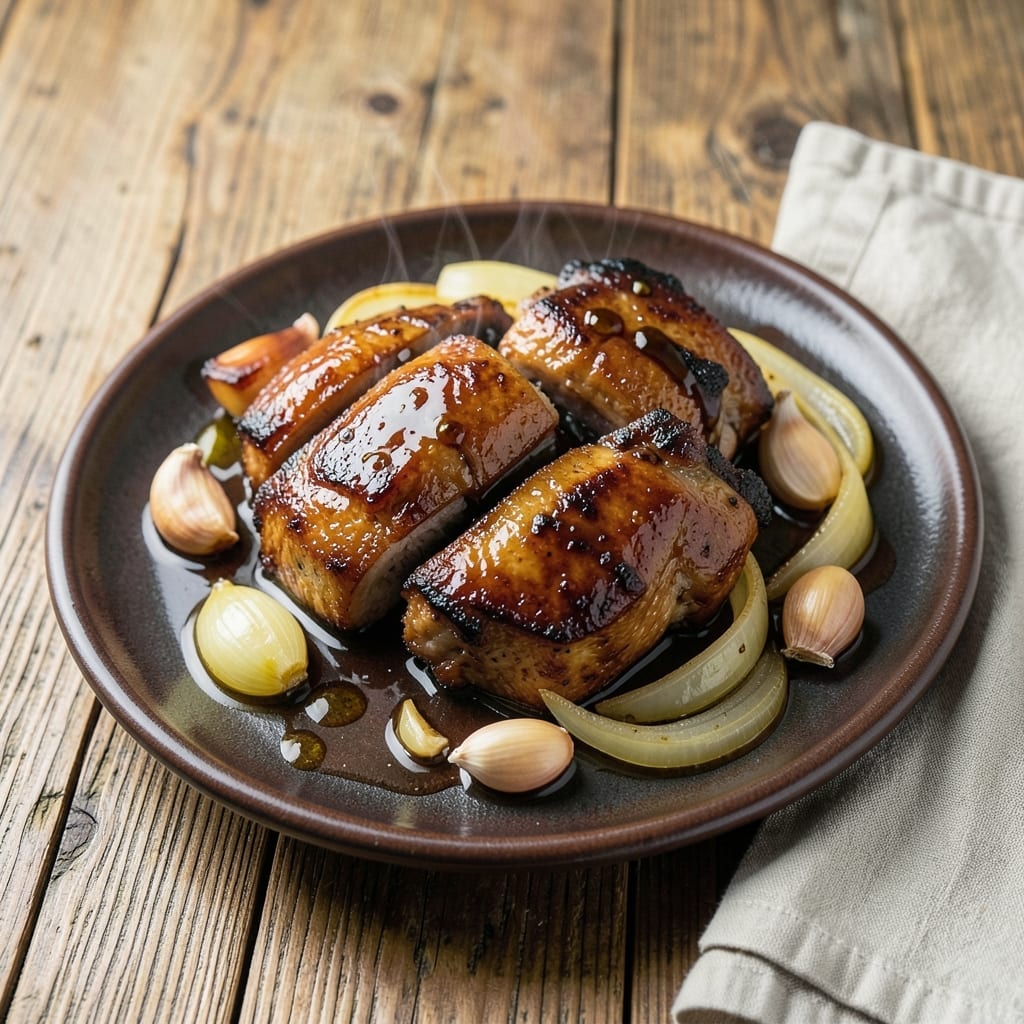
I discovered the secret to tender Filipino-style pork shoulder through years of perfecting slow-cooking techniques. This recipe brings authentic Panlasang Pinoy flavors to your kitchen with minimal effort and maximum reward.
The method combines traditional braising with aromatic spices, transforming tough pork into fall-apart tender perfection. I’ve streamlined the process to ensure consistent results every time, without sacrificing authenticity.
What you’ll achieve is meat so tender it practically melts in your mouth, infused with rich, savory notes. The slow-cooking process allows the flavors to develop deeply, creating a dish that’s both comforting and impressive.
Serve with steamed rice to soak up every bit of the flavorful sauce. Here’s how to master it.
Ingredients for Pork Shoulder Recipe Panlasang Pinoy
Filipino flavors start with pork shoulder, soy sauce, and aromatic spices for authentic Panlasang Pinoy tenderness.
| Ingredient | Amount | Notes |
|---|---|---|
| Pork Shoulder 🐖 | 2 lb | Cut into 2-inch chunks, bone-in preferred |
| Soy Sauce 🫗 | ½ cup | Regular or low-sodium variety |
| Calamansi Juice 🍋 | 3 tbsp | Or substitute lime juice |
| White Vinegar 🧪 | ¼ cup | Cane or white vinegar |
| Garlic Cloves 🧄 | 8 cloves | Peeled and minced |
| Yellow Onion 🧅 | 1 whole | Large, sliced into rings |
| Bay Leaves 🍃 | 3 pieces | Dried, whole leaves |
| Black Peppercorns 🌶️ | 1 tsp | Whole, lightly crushed |
| Brown Sugar 🍚 | 2 tbsp | Packed, for caramelization |
| Water 💧 | 1 cup | For braising liquid |
| Green Onions 🌱 | 4 whole | Thinly sliced for garnish |
| Fish Sauce 🐟 | 2 tbsp | Filipino patis preferred |
| Ground Black Pepper 🌶️ | ½ tsp | Freshly ground for best flavor |
| Salt 🧂 | 1 tsp | Adjust to taste after cooking |
[recipe_ingredient_scaler]
The pork shoulder is key here—bone-in, well-marbled cuts give you that melt-in-your-mouth texture. I always grab mine from Filipino markets (they know their pork), but any supermarket with a good butcher counter works. Look for pieces with a nice fat cap for extra richness. The soy sauce should be Filipino brands like Silver Swan or Datu Puti if you can find them.
No calamansi? Lime or lemon juice works in a pinch (just cut the amount by half). Out of fish sauce? Soy sauce plus a pinch of MSG gets you close. Fresh garlic is non-negotiable—don’t even think about the jarred stuff. The vinegar adds that signature tang, but apple cider vinegar can sub in if you’re out of white. Brown sugar helps balance the saltiness—use dark for deeper flavor.
Leftovers taste even better the next day after the flavors meld. Store in an airtight container for up to 4 days in the fridge or 3 months frozen. Reheat gently to keep the meat tender—microwave works but stovetop with a splash of water is ideal.
Why You’ll Love This Recipe
- One Pot Magic: I just toss the pork shoulder with soy sauce, calamansi, vinegar, and garlic in a single pan, then let it work its magic.
- Tangy Garlic Punch: The mix of calamansi and vinegar with those garlic cloves gives it that bright, savory kick I crave.
- Feeds the Whole Gang: Honestly, it’s my go-to for family dinners—everyone cleans their plates, even the picky ones.
- Stretches the Budget: Pork shoulder is so affordable, and this recipe turns it into something ridiculously good.
Step-by-Step Instructions for Filipino-Style Pork Shoulder
This method delivers fall-off-the-bone pork with rich, savory depth every time.
Step 1: Sear the Pork Shoulder for Depth of Flavor
Cut the 2 lb Pork Shoulder into 2-inch chunks as specified. Heat a heavy pot over medium-high heat and add the pork in a single layer, working in batches if needed. Sear undisturbed for 3-4 minutes per side until deeply browned on all surfaces.
This searing step creates a flavorful fond at the bottom of the pot that will enrich the sauce later. Don’t rush this process—proper browning develops complex, meaty flavors. The pork should release easily from the pot when it’s ready to turn.
Step 2: Build the Aromatic Base
In the same pot, add the 8 cloves Garlic Cloves and cook for 30 seconds until fragrant. Then add the 1 whole Yellow Onion sliced into rings and cook for 2-3 minutes until softened and just starting to caramelize.
Add the 3 pieces Bay Leaves, 1 tsp Black Peppercorns (lightly crushed), and 2 tbsp Brown Sugar. Stir constantly for 1 minute to toast the spices and melt the sugar, which will caramelize slightly and add sweetness to balance the tangy elements.
Step 3: Create the Braising Liquid
Pour in the 0.5 cup Soy Sauce, 3 tbsp Calamansi Juice, 0.25 cup White Vinegar, 2 tbsp Fish Sauce, 1 cup Water, 1 tsp Salt, and 0.5 tsp Ground Black Pepper. Stir to combine and deglaze the pot, scraping up all the browned bits from the bottom.
Return the seared pork to the pot, ensuring it’s mostly submerged in the liquid. The liquid should come about three-quarters of the way up the pork. This combination of acidic and savory elements will tenderize the meat while infusing it with classic Filipino flavors.
Step 4: Simmer to Tender Perfection
Bring the mixture to a boil, then reduce the heat to low. Cover and let it simmer gently for 1.5 to 2 hours, stirring occasionally. You’ll know it’s done when the pork is fork-tender and easily pulls apart with minimal resistance.
If the liquid reduces too much before the pork is tender, add a splash of water to maintain the level. The sauce should thicken slightly but still coat the back of a spoon. This slow cooking process allows the flavors to meld and the collagen in the pork to break down into gelatin, creating that signature melt-in-your-mouth texture.
Step 5: Finish and Garnish
Once the pork is tender, taste the sauce and adjust seasoning if needed. Remove the bay leaves and peppercorns. Skim off any excess fat from the surface if desired, though I often leave some for extra richness.
Transfer to a serving dish and garnish with the 4 whole Green Onions, thinly sliced. Serve hot with steamed rice to soak up the delicious sauce. The green onions add a fresh, bright contrast to the deep, savory flavors of the dish.
Pro Tips For Making Pork Shoulder Recipe Panlasang Pinoy
- Marinate Longer: Give the pork shoulder at least 2 hours in the soy sauce, calamansi, and vinegar mix—overnight if you can. I learned this the hard way when my first attempt tasted flat because I rushed it.
- Crush the Garlic: Smash the garlic cloves lightly before adding them to the marinade. This releases more flavor and ensures every bite has that punchy garlic kick.
- Simmer Low and Slow: Cook the pork on low heat for at least 1 hour, turning occasionally. After burning a batch, I realized high heat dries it out while low heat keeps it tender.
- Use Fresh Calamansi: Skip the bottled stuff—fresh calamansi juice makes a real difference in brightness and acidity. It’s the thing that matters most for that authentic Pinoy tang.
Troubleshooting pork shoulder recipe panlasang pinoy
Pork Not Tender
If your pork isn’t tender after 2 hours, it likely needs more time. Check that your heat is truly at a gentle simmer—not boiling. I’ve found that bone-in cuts often take an extra 30-45 minutes to break down completely.
Sauce Too Salty
Filipino soy sauces vary in saltiness. If your sauce is too strong, add ½ cup water and simmer uncovered for 10-15 minutes to mellow the flavor. A splash of calamansi juice can also brighten and balance the saltiness. 💡
Sauce Too Thin
For a thicker sauce, remove the pork and reduce the liquid over medium heat for 5-7 minutes. If you’re in a hurry, mix 1 tsp cornstarch with 1 tbsp water and stir into the simmering sauce.
Pork Drying Out
If the pork is drying before it’s tender, add ½ cup water or broth to the pot. Ensure the liquid covers at least ¾ of the meat during cooking. Using a heavy pot with a tight lid helps maintain moisture.
Bitter or Sour Taste
Too much vinegar can make the sauce overly sharp. Balance it by adding 1 tbsp brown sugar or a pinch of baking soda (just ⅛ tsp) to neutralize the acidity. Taste as you go to avoid oversweetening. ✨
Uneven Cooking
If some pieces are tender while others aren’t, cut the larger chunks into smaller, uniform sizes before returning them to the pot. Simmer for an additional 20-30 minutes until all pieces are equally tender.
Nutrition Facts
Frequently Asked Questions
Can I substitute lime juice for calamansi?
Yes, use 2 tbsp lime juice instead of 3 tbsp calamansi. The flavor is similar but slightly less aromatic.
What’s the best cooking pot to use?
A heavy Dutch oven or enamel pot works best. It distributes heat evenly for consistent 1.5-2 hour simmering.
How do I know when it’s fully cooked?
The pork should pull apart easily with a fork. If it resists, simmer another 30 minutes and check again.
Can I make this in a slow cooker?
Yes! Brown meat first, then cook on low for 6-8 hours or high for 4-5 hours in your slow cooker.

Trained in classic French technique but raised on slow-cooked ribs and spicy rubs, she blends culinary skill with smoke and soul.
- Recipe for Boneless Pork Chops in Cast Iron Skillet: Sear and Baste to Juicy Perfection - October 3, 2026
- Recipe for Boneless Cross Rib Roast: Slow-Roasted Beef with Herb Crust - October 3, 2026
- Hamburgers in Sauce Recipe Crock Pot: Slow-Cooked Savory Delight - October 3, 2026