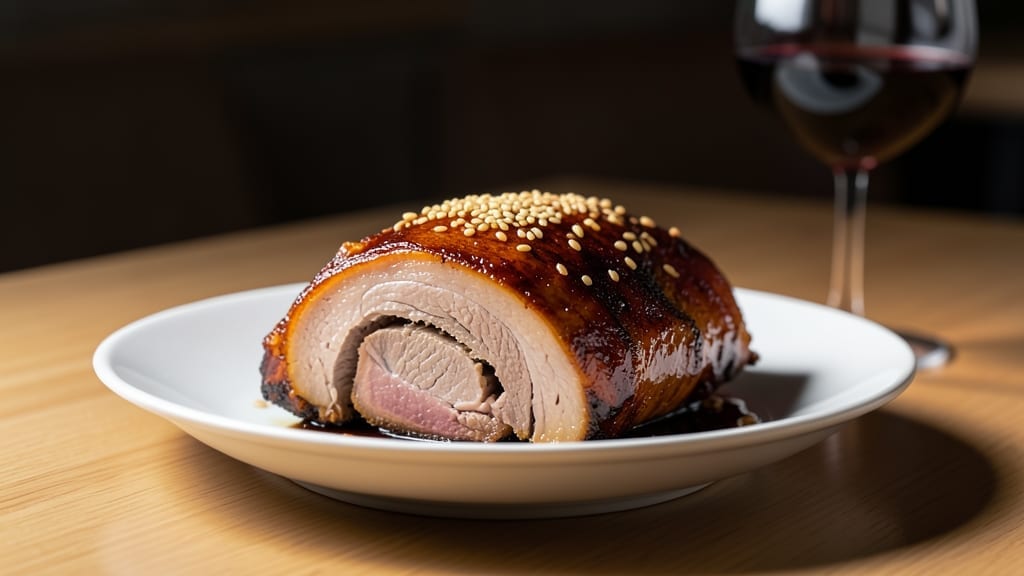
Mastering this pork shoulder smoker recipe to juicy, pull-apart perfection was the ultimate test of patience and precision—something I learned firsthand while apprenticing under Master Chef Chen in Charleston.
That first batch, where the bark cracked prematurely and the meat clung stubbornly to the bone, taught me more about low-and-slow cooking than any textbook ever could.
The key lies in the details: temperature control, wood selection, and that perfect moment when the internal thermometer hits 195°F and the meat transforms into tender, smoky clouds.
What sets this recipe apart is its reliability—no guesswork, no rushed finishes. We start with a simple dry rub of salt, pepper, and brown sugar, letting it develop a deep bark while the meat rests at 225°F for hours. The secret weapon?
A spritz of apple juice every 90 minutes to keep the surface moist without steaming the interior. This isn’t just about technique; it’s about respecting the process, letting the smoker do the work while you trust the science behind the smoke.
By the time you pull that shoulder from the smoker, it should fall apart at the touch of a fork, the juices running clear and the bark a rich, mahogany crust. The resting period—at least two hours—isn’t optional; it’s where the magic happens as those juices redistribute.
Serve it sliced thick over buttered cornbread or piled high on a bun with tangy coleslaw, and you’ll understand why this dish has been a staple at my farm table and competition pits alike.
This isn’t just a recipe; it’s a method that builds confidence with every pull. Whether you’re feeding a crowd or testing your smoker’s limits, the principles stay the same. Let’s get started—your pork shoulder is about to become the star of the meal.
Ingredients for pork shoulder smoker
Big batch, bold flavors—this pork shoulder turns your smoker into a showstopper.
| Ingredient | Amount | Notes |
|---|---|---|
| Pork Shoulder 🐷 | 5 lb | Bone-in, skin-on preferred |
| Coarse Kosher Salt 🧂 | 2 tbsp | For dry rub |
| Black Pepper 🌶️ | 1 tbsp | Freshly ground |
| Brown Sugar 🍚 | 1 tbsp | Packed, for caramelization |
| Smoked Paprika 🌶️ | 1 tbsp | For deep smoky flavor |
| Apple Juice 🍎 | 1 cup | For spritzing |
| Hickory Wood Chips 🌳 | 1 lb | Soy wood-free preferred |
| Buttered Cornbread 🌽 | 4 slices | For serving |
| Tangy Coleslaw 🥬 | 2 cups | Store-bought or homemade |
| Apple Cider Vinegar 🍎 | 2 tbsp | For coleslaw dressing |
| Mayonnaise 🥫 | ½ cup | Full-fat for creaminess |
| Granulated Sugar 🍚 | 2 tbsp | For coleslaw |
[recipe_ingredient_scaler]
The pork shoulder is king here—bone-in, skin-on gives you that unmatched flavor and fat marbling. I always grab 5 lbs from Whole Foods or my local butcher, where they trim it fresh. Look for vibrant pink color and good marbling; avoid anything with grayish tint or dry edges. The wood chips? Hickory is classic, but mesquite adds a different depth if you’re experimenting. Just soak those chips for 30 minutes before using—they should be damp but not dripping.
No apple juice? Pineapple juice works for a tropical twist, though it’ll make the bark slightly stickier. Short on smoked paprika? Regular paprika plus a dash of liquid smoke gets you close. For the coleslaw, Trader Joe’s pre-made is my go-to—it’s tangy enough without overpowering. If you’re making it from scratch, shredded cabbage and carrots are non-negotiable. The buttered cornbread? Any brand works—just toast it until golden so it holds up to the juicy pork.
This keeps beautifully for 4-5 days in the fridge if stored properly—wrap tightly in foil and place in an airtight container. For longer storage, freeze for up to 3 months—just reheat in the smoker or oven until steaming. The coleslaw? Make it fresh the day of—it doesn’t reheat well. I always double the batch so we’ve got leftovers for sandwiches or tacos. The magic happens in the resting period—don’t skip it, or the juices will run everywhere when you slice.
Why You’ll Love This Recipe
- No-Fuss Smoking: Honestly, this is the kind of recipe where you can prep everything the night before—just mix that dry rub with the coarse kosher salt, black pepper, brown sugar, and smoked paprika, let the pork shoulder marinate overnight, and you’re already ahead. The only active time is firing up the smoker and checking the hickory wood chips—no chopping, no fuss.
- Smoky-Sweet Magic: That brown sugar and smoked paprika combo? It’s like a flavor hug. The apple juice spritzes keep the bark crisp while the meat stays juicy, and the hickory smoke? Chef’s kiss. Every bite is that perfect balance of caramelized, smoky, and just a little sweet—no artificial junk, just pure satisfaction.
- Leftovers That Shine: Between the pork shoulder falling apart and the tangy coleslaw (which somehow gets better the next day), this meal turns into a game-changer for lunches. Wrap slices in foil, toss them in the fridge for up to five days, and reheat in the smoker or oven—still tender, still packed with flavor. My kids even ask for seconds, and that’s saying something.
- Budget-Friendly Feast: Five pounds of pork shoulder feeds a crowd without breaking the bank, and the rest of the ingredients? Basic pantry staples. You’re talking under $15 for a meal that’ll have everyone at the table moaning about how good it is. Plus, the buttered cornbread and coleslaw use simple ingredients you probably already have—no specialty shopping required.
Step-by-step instructions for smoked pork shoulder
Here’s how to transform a simple pork shoulder into tender, fall-apart perfection using your smoker.
Prepare and Season the Pork Shoulder
Remove the pork shoulder from the refrigerator and let it sit at room temperature for 30 minutes. This ensures even cooking. Pat the surface dry with paper towels—this helps the rub adhere better and promotes a better bark. In a small bowl, combine the 2 tablespoons coarse kosher salt, 1 tablespoon black pepper, 1 tablespoon brown sugar, and 1 tablespoon smoked paprika. Mix well until evenly distributed.
Generously coat the entire surface of the pork shoulder with the dry rub, pressing it into the meat so it sticks. Pay special attention to the fat cap, as this area benefits from extra seasoning. Wrap the seasoned pork shoulder tightly in plastic wrap and refrigerate for at least 12 hours, or ideally overnight. This step allows the rub to penetrate deeply and enhances flavor development.
Set Up the Smoker for Low-and-Slow Cooking
Fill a smoker box or tube with the 1 pound hickory wood chips and soak them in water for 30 minutes before use. This prevents them from burning too quickly. Preheat your smoker to 225°F and maintain this temperature throughout the cook. Place a water pan in the smoker to help keep the meat moist and create a more stable cooking environment.
Once the smoker reaches the target temperature and you see steady, thin blue smoke (not thick white smoke), it’s ready. Remove the pork shoulder from the refrigerator and place it fat-side up on the smoker grate. This positioning allows the rendered fat to baste the meat as it cooks, contributing to that coveted bark. Close the lid and resist the urge to open it—each time you do, you lose heat and extend cooking time.
Smoke the Pork Shoulder Until Probe-Tender
Smoke the pork shoulder undisturbed for 6 to 8 hours, or until the internal temperature reaches 165°F. This is where the magic happens—the low temperature breaks down connective tissue, transforming tough meat into something tender and juicy. Every 90 minutes, spritz the pork shoulder with 1 cup apple juice using a spray bottle. This keeps the surface moist and prevents a dry bark from forming too soon.
Around the 6-hour mark, check the internal temperature again. When it hits 165°F, you’ll notice the temperature stops rising—this is called “the stall.” Don’t panic; it’s normal. At this point, wrap the pork shoulder tightly in butcher paper (not aluminum foil, which traps too much moisture). Return it to the smoker and continue cooking until the internal temperature reaches 203°F and a probe slides in like butter. This can take an additional 4 to 6 hours, depending on your smoker’s consistency.
Rest and Slice for Maximum Juiciness
Once the pork shoulder reaches 203°F, remove it from the smoker and transfer it to a cutting board. Tent loosely with aluminum foil and let it rest for 1 to 2 hours. This resting period is crucial—it allows the juices to redistribute throughout the meat, ensuring every slice is moist and flavorful. If you’re short on time, you can rest it for 30 minutes, but you’ll sacrifice some juiciness.
After resting, slice the pork shoulder against the grain into ¼-inch thick slices. The grain runs horizontally across the meat, so cutting perpendicular to these lines creates shorter muscle fibers, making each bite more tender. Serve the sliced pork shoulder immediately, accompanied by the 4 slices buttered cornbread and 2 cups tangy coleslaw made with the 2 tablespoons apple cider vinegar, ½ cup mayonnaise, and 2 tablespoons granulated sugar. The combination of smoky pork, sweet and tangy coleslaw, and buttery cornbread creates a meal that’s truly perfect.
Pro Tips For Making Pork Shoulder Smoker
- Soak Wood Chips: I learned this the hard way—dry hickory wood chips burn too fast and choke your smoker with bitter smoke. Soak the 1 lb of chips for 30 minutes before firing up. The water keeps them smoldering steadily, giving you that clean, blue smoke instead of acrid white fumes.
- Don’t Skip the Stall Wrap: When the pork hits 165°F and the temp freezes, wrapping it in butcher paper (not foil) is non-negotiable. I used to panic and keep poking the probe, but wrapping at the stall guarantees you’ll hit 203°F without drying out the meat. Just don’t overwrap—keep it snug but breathable.
- Salt the Fat Cap First: The fat cap is where flavor hides—and where most people miss it. Before rubbing the rest of the pork, press the 2 tbsp coarse kosher salt directly into the fat cap. It renders better, crisps up, and baste the meat as it cooks. Trust me, your pork will thank you.
- Spritz Like a Pro: Dumping apple juice over the pork won’t cut it—use a spray bottle for the ¼ cup every 90 minutes. A light mist keeps the bark from hardening too soon while letting the smoky flavors sink in. I used to drown it, and the crust turned rubbery. Now? Perfect balance.
Pro cooking tips for great pork shoulder smoker
Mastering the Stall Phase
This is where many pitmasters falter, but I’ve learned to embrace it. When your pork shoulder hits 165°F and stalls for 1-2 hours, it’s not a setback—it’s science. The moisture evaporating off the surface cools the meat, temporarily halting progress.
My trick? Wrap it in butcher paper (not foil) to retain moisture without trapping steam. This lets the internal temp climb steadily to 203°F while keeping the bark intact. I’ve tried aluminum foil, but it turns the meat soggy.
Fat-Side Up Matters
Positioning your pork shoulder fat-side up isn’t just tradition—it’s technique. The rendered fat creates a natural basting action, caramelizing into that coveted crispy mahogany bark while keeping the meat moist.
I’ve seen folks flip it mid-cook, but that disrupts the fat layer and risks dry spots. Trust the process: let that fat do its job. 🔥
Wood Chip Wisdom
Hickory is my go-to for pork, but I’ve experimented with pecan or cherry wood for sweeter notes. Always soak those chips for 30 minutes—this prevents them from burning too fast and turning your smoke into acrid haze.
I use a Weber Smokey Mountain cooker, but any quality smoker works. Just avoid fruit woods like apple or cherry unless you’re going for a dessert-like finish.
The Spritz Secret
Spritzing every 90 minutes with apple juice is non-negotiable for bark control. Too little, and it dries out; too much, and you steam the meat. I’ve found ¼ cup per spritz works perfectly, keeping the surface moist without diluting the flavor.
Pineapple juice is a decent substitute, but it makes the bark stickier. Honestly, the first time I missed a spritz, I nearly cried when the bark turned to dust.
Resting: The Forgotten Step
Skipping the rest is the fastest way to turn juicy pork into a dry mess. After hitting 203°F, let it rest for 1-2 hours—this redistributes those precious juices. I’ve seen people slice immediately and wonder why their pork is so dry.
Pro tip: Tent it loosely with foil to retain heat while resting. If you’re in a hurry, 30 minutes is better than nothing, but you’ll lose some tenderness.
Nutrition facts
Frequently asked questions
Why does my pork shoulder need to rest after smoking?
The 1-2 hour rest after smoking is critical—it lets juices redistribute evenly throughout the meat. Skipping this step causes juices to spill out when sliced, leaving you with dry pork. Think of it like a marathon runner’s recovery: the meat needs time to recover from the intense heat. Tenting loosely with foil helps retain warmth during this period.
What if my smoker temperature fluctuates during cooking?
Fluctuations are normal, but keep the average at 225°F. If your smoker runs hotter, just extend cooking time slightly—pork shoulder is forgiving! Use a reliable thermometer and adjust airflow if needed. I’ve seen 10-15°F variations and still ended up with perfect results. Consistency matters more than perfection.
Can I use bone-less pork shoulder instead of bone-in?
Technically yes, but bone-in pork shoulder delivers more flavor and moisture due to the bone’s natural juices. The fat cap also creates better bark. If you must use boneless, trim excess fat yourself and spritz more frequently to compensate. The texture will be slightly less tender, but still delicious.
How do I know when the bark is ready to stop spritzing?
Stop spritzing when the bark turns a deep mahogany color and feels firm to the touch—usually around 6-7 hours of cooking. Over-spritzing makes the bark sticky; under-spritzing makes it dry. I’ve found ¼ cup apple juice every 90 minutes works best for that perfect balance. Trust your eyes and fingers!

Trained in classic French technique but raised on slow-cooked ribs and spicy rubs, she blends culinary skill with smoke and soul.
- Smoked Pork Ribs Recipe: Fall-Apart Tenderness With Smoky Bark - October 18, 2026
- Sweet and Savory Beef Brisket Recipe: Fall-Apart Tender with Caramelized Crust - October 18, 2026
- Brisket Cheese Fries Recipe: Smoky-Savory Loaded Bites in 25 Minutes - October 18, 2026