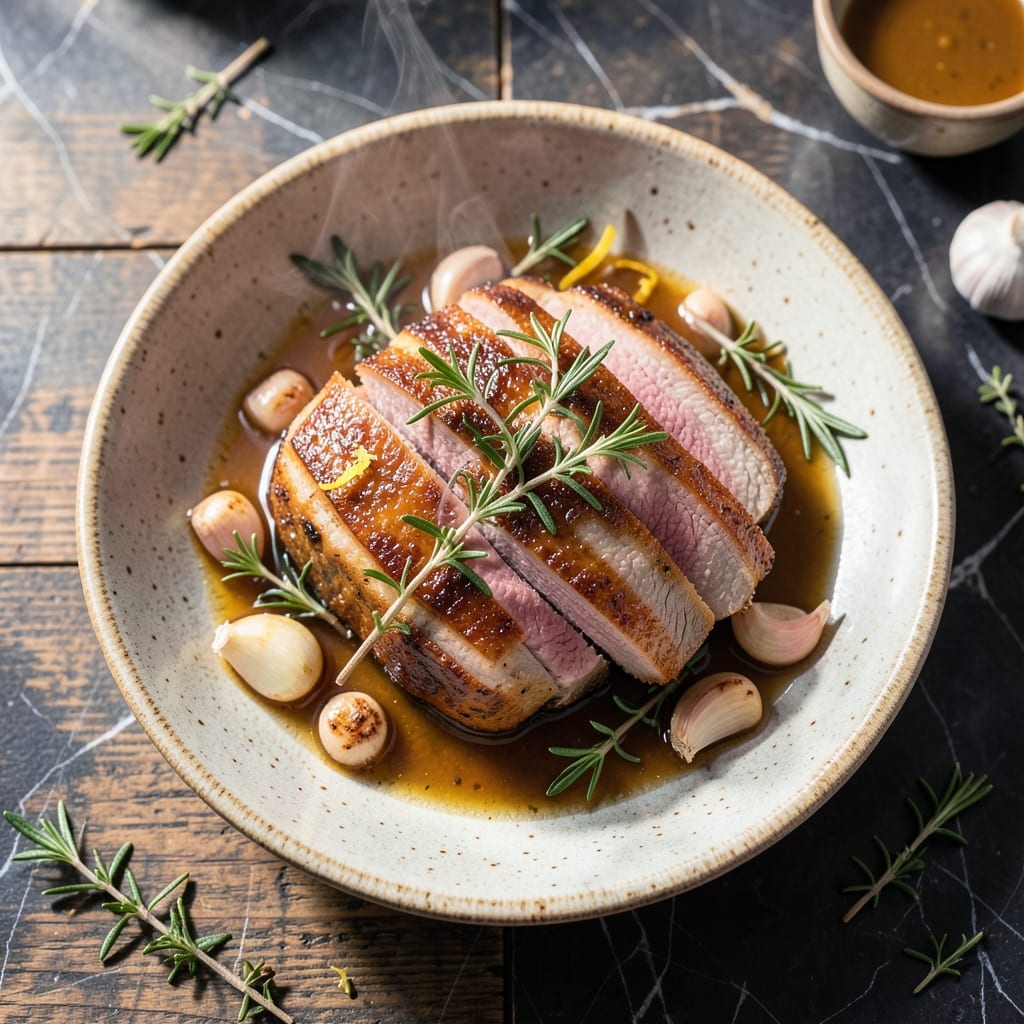
I’ve mastered the art of cooking pork tenderloin in foil to lock in moisture and flavor every time. This method guarantees juicy, tender results with minimal effort and absolutely no cleanup.
The secret lies in sealing the pork with herbs, garlic, and a touch of oil before wrapping it tightly in foil. This traps steam, ensuring the meat stays succulent as it roasts to perfection.
With just a few simple ingredients and a hot oven, you’ll achieve restaurant-quality pork that’s tender enough to cut with a fork. The foil does all the work.
Perfect for weeknight dinners or special occasions, this technique delivers consistent, foolproof results without the mess.
Ingredients for Pork Tenderloin Recipe in Foil
A handful of bold ingredients transform this lean cut into a juicy, tender masterpiece sealed in foil.
| Ingredient | Amount | Notes |
|---|---|---|
| Pork Tenderloin 🥩 | 1 ½ lb | Trimmed of excess fat |
| Olive Oil 🫒 | 2 tbsp | Extra-virgin preferred |
| Garlic Cloves 🧄 | 4 cloves | Minced for even distribution |
| Fresh Rosemary 🌿 | 2 tbsp | Finely chopped, stems discarded |
| Fresh Thyme 🍃 | 2 tsp | Leaves stripped from stems |
| Dijon Mustard 🟡 | 1 ½ tbsp | Smooth, not whole grain |
| Dry White Wine 🍷 | ¼ cup | Or substitute apple cider |
| Honey 🍯 | 1 tbsp | For balancing acidity |
| Salt 🧂 | 1 tsp | Diamond Crystal kosher preferred |
| Black Pepper 🌶️ | ½ tsp | Freshly ground for potency |
| Heavy-Duty Aluminum Foil 📜 | 1 sheet | Approximately 18 inches long |
| Red Onion 🧅 | ½ whole | Thinly sliced for topping |
[recipe_ingredient_scaler]
The pork tenderloin is the star—look for a rosy, moist cut around 1.5 lbs at Whole Foods or your local butcher. Avoid anything with a grayish tint or strong odor. The herbs matter: fresh rosemary and thyme (not dried) add aromatic depth that dried simply can’t match. I always grab mine from the farmers market when in season for peak flavor and fragrance.
No white wine? Apple cider or chicken broth work in a pinch. Dried herbs can substitute at one-third the amount, but fresh really makes a difference here. The honey balances the mustard’s sharpness—maple syrup is a fine vegan swap. For extra richness, add a pat of butter inside the foil before sealing (don’t skip this step).
Prep the pork just before cooking—it doesn’t marinate well. Leftovers keep 3-4 days in the fridge, reheat gently to avoid drying out. The foil packet can go straight from oven to table for serving (worth the extra minute to fold edges tightly).
Why You’ll Love This Recipe
- One Pan Wonder: I love that I just wrap everything in foil and let the oven do the work—no messy cleanup.
- Herb Infused Magic: The rosemary and thyme soak into the pork, and the garlic? Honestly, it’s the best part.
- Weeknight Hero: This feeds my family with zero stress, and leftovers taste even better the next day.
- Budget Friendly: Pork tenderloin is affordable, and a little goes a long way with these bold flavors.
Step-by-Step Instructions for Pork Tenderloin in Foil
This method guarantees tender results with minimal effort and no cleanup required.
Step 1: Prepare the Marinade Base
In a small bowl, whisk together the 2 tbsp Olive Oil, 1.5 tbsp Dijon Mustard, 0.25 cup Dry White Wine, and 1 tbsp Honey until fully emulsified. The mustard acts as both an emulsifier and a flavor enhancer, while the honey balances the acidity of the wine.
Add the 4 cloves Garlic Cloves, 2 tbsp Fresh Rosemary, 2 tsp Fresh Thyme, 1 tsp Salt, and 0.5 tsp Black Pepper to the mixture. Stir thoroughly to distribute the herbs and seasonings evenly. This aromatic blend will infuse the pork with robust, savory notes.
Step 2: Coat and Seal the Pork Tenderloin
Pat the 1.5 lb Pork Tenderloin dry with paper towels to ensure the marinade adheres properly. Place the pork on the 1 sheet Heavy-Duty Aluminum Foil and pour the marinade over it, using your hands to coat all sides evenly. The foil should be large enough to fully enclose the pork later.
Arrange the 0.5 whole Red Onion, thinly sliced, on top of the pork. The onions will soften and caramelize slightly during cooking, adding a subtle sweetness to complement the savory herbs. Fold the foil over the pork, crimping the edges tightly to create a sealed packet.
Step 3: Roast to Perfection
Preheat your oven to 400°F. Place the foil packet on a baking sheet and roast for 25 minutes. This high heat ensures the pork cooks quickly while retaining moisture, and the foil traps steam to keep the meat juicy.
After 25 minutes, open the foil carefully to avoid steam burns and check the internal temperature. The pork should reach 145°F for medium-rare. If needed, re-seal the foil and return it to the oven for an additional 5-10 minutes, checking frequently.
Step 4: Rest and Serve
Once the pork reaches the desired temperature, transfer the foil packet to a cutting board and let it rest for 10 minutes. Resting allows the juices to redistribute throughout the meat, ensuring every slice is moist and flavorful.
Open the foil and transfer the pork to a serving platter, spooning the onions and any accumulated juices over the top. Slice the pork into ½-inch thick medallions and serve immediately. The result is a dish that’s both tender and packed with herb-infused flavor.
Pro Tips For Making Pork Tenderloin Recipe In Foil
- Sear Before Wrapping: I learned this the hard way—skipping the sear leaves the pork bland. Heat a pan with 1 tablespoon olive oil and brown the tenderloin on all sides before the foil. That crust locks in the juices.
- Crush the Garlic: Sounds weird, but it works: smash the garlic cloves with the side of your knife before adding them. The exposed surface infuses the oil and pork with way more flavor than whole cloves.
- Don’t Overcrowd the Foil: After burning three batches, I finally figured out the foil packet needs room. Leave space around the pork so the heat circulates—pack it too tight and you’ll steam the herbs instead of roast them.
- Rest in Foil: Give it a solid 10 minutes under foil after pulling it from the oven. The pork finishes cooking gently, and the juices redistribute—skip this and you’ll have a dry cut, even if it looks perfect.
Common Mistakes When Making This Dish
Overcooking the Pork
Pork tenderloin cooks quickly, so pull it at exactly 145°F internal temperature—any higher and it turns dry and tough. I use a ThermoWorks instant-read thermometer for precision. Remember, it continues cooking slightly as it rests. 🌡️
Insufficient Seasoning
Don’t skimp on the salt and herbs—this lean cut needs bold flavors. I always taste the marinade before coating the pork and adjust with more Dijon mustard or honey if needed. Fresh herbs make all the difference here.
Poor Foil Seal
If steam escapes, the meat won’t stay moist. Use heavy-duty foil and crimp edges tightly, folding them over 2-3 times. I like to press the foil directly against the pork for maximum steam trapping.
Skipping the Rest
Resting for 10 minutes lets juices redistribute. If you cut too soon, all that beautiful moisture ends up on the cutting board. I set a timer—this step is non-negotiable for juicy results.
Using Dried Herbs
Fresh rosemary and thyme add vibrant flavor that dried simply can’t match. If you must substitute, use one-third the amount and rehydrate in the wine first. Honestly, it’s worth the trip to the farmers market. 🌿
Wrong Oven Temperature
Too low and the pork steams instead of roasts. Stick to 400°F for that perfect balance of quick cooking and moisture retention. My oven runs hot, so I check at 20 minutes just in case.
Nutrition Facts
Frequently Asked Questions
What’s the best way to seal the foil packet?
Fold the edges over 2-3 times and press tightly against the meat. Use heavy-duty foil to prevent tears. This creates a steam-tight seal for maximum moisture retention.
Can I use a different cut of pork?
Stick to tenderloin—it’s the most tender and quick-cooking. Other cuts like loin may require longer cooking and won’t stay as juicy in foil. The tenderloin’s leanness works perfectly with this method.
How do I know when it’s done without a thermometer?
Press the thickest part—it should feel firm but still springy. For absolute accuracy, though, a thermometer reading of 145°F is best. The meat will continue cooking while resting.
Can I make this on the grill instead?
Yes! Use indirect heat at 400°F and place the foil packet on the cooler side. Cook for 25-30 minutes, checking temperature as with oven method.

Trained in classic French technique but raised on slow-cooked ribs and spicy rubs, she blends culinary skill with smoke and soul.
- Recipe for Pan Fried: Golden Crust with Savory Depth - October 3, 2026
- Recipe For Fried Chicken In A Pressure Cooker: Crispy Golden Bites in Half the Time - October 3, 2026
- Recipe For Leftover Fried Fish: Crunchy Leftovers Transformed - October 3, 2026