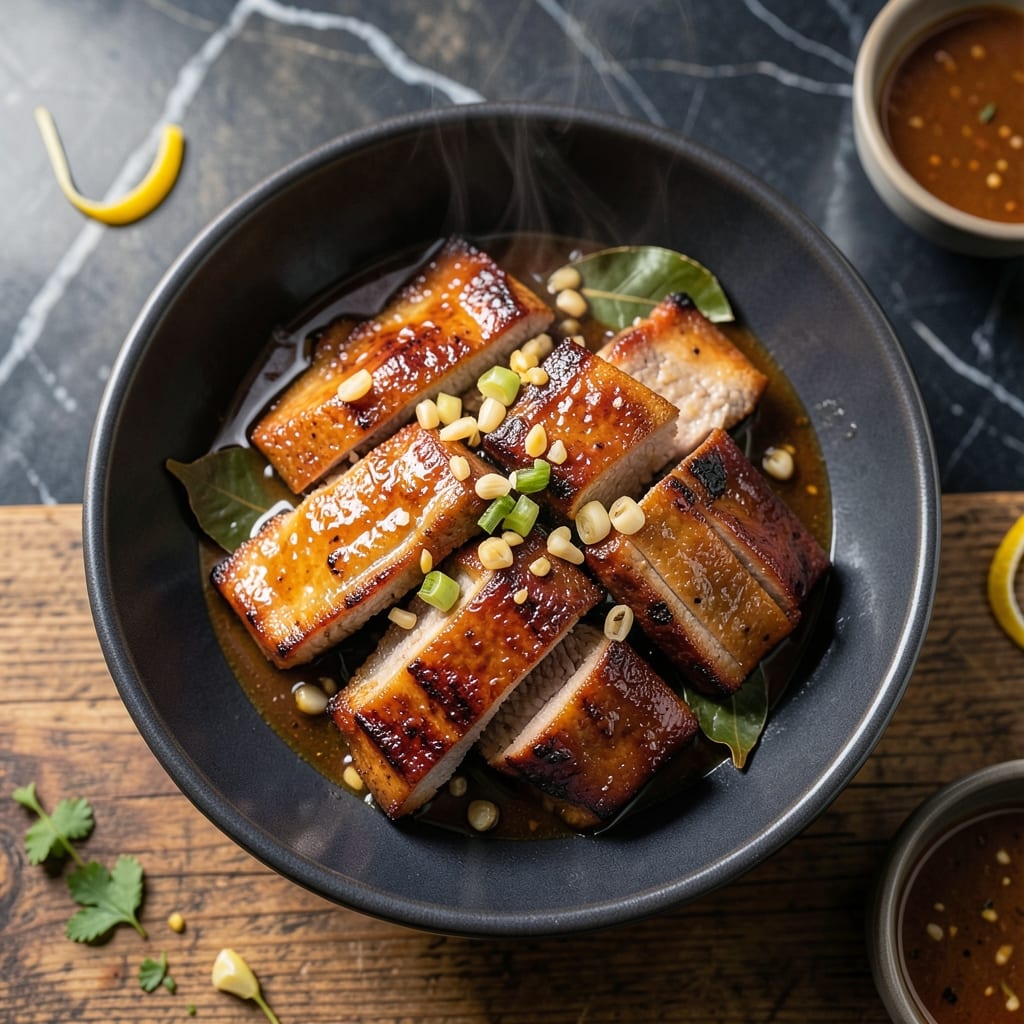
This Filipino-style breakfast delivers sweet, garlicky pork that’s ready in minutes. I developed this homemade version after testing store-bought mixes like Mama Sita’s, but nothing beats the fresh flavor of a from-scratch marinade.
The key is balancing sugar, garlic, and soy for that signature caramelized glaze. Thinly sliced pork shoulder soaks up the marinade quickly, ensuring every bite is packed with flavor without needing hours to prepare.
Cook it low and slow until the meat turns glossy and tender, with edges that crisp up beautifully. The aroma alone will have everyone at the table before the first plate is served.
Perfect for busy mornings or a hearty brunch. This dish brings a taste of the Philippines to your kitchen with minimal effort.
Ingredients for Pork Tocino Recipe Mama Sita
Sweet, garlicky, and sticky—just a handful of ingredients bring this Filipino breakfast to life.
| Ingredient | Amount | Notes |
|---|---|---|
| Pork Shoulder 🥩 | 1 ½ lb | Thinly sliced, about 1/4 inch thick |
| Soy Sauce 🫒 | ½ cup | Regular or light variety |
| Brown Sugar 🍚 | ½ cup | Packed for sweetness balance |
| Pineapple Juice 🍍 | ½ cup | 100% juice, no added sugar |
| Garlic Cloves 🧄 | 6 cloves | Minced for maximum flavor |
| White Vinegar 💧 | 2 tbsp | For brightness and tenderizing |
| Black Pepper 🌶️ | 1 tsp | Freshly ground preferred |
| Bay Leaves 🍃 | 2 pieces | Dried, for aromatic depth |
| Salt 🧂 | ½ tsp | Adjust to taste |
| Vegetable Oil 🫒 | 2 tbsp | For cooking pork |
| Calamansi or Lemon Juice 🍋 | 1 tbsp | Optional for extra tang |
| Red Food Coloring 🎨 | ¼ tsp | Optional for traditional color |
[recipe_ingredient_scaler]
The pork shoulder is key here—look for well-marbled pieces at your butcher or Costco. Slice it thin yourself (about 1/4 inch) for even marinating. For the soy sauce, Silver Swan or Datu Puti are authentic Filipino brands, but any regular soy works. The pineapple juice adds natural sweetness (canned is fine, just no added sugar). Fresh garlic is non-negotiable—pre-minced lacks the punch.
No pineapple juice? Orange juice or extra brown sugar can substitute in a pinch. Skip the food coloring if you prefer natural—beet juice works for a subtle tint. Out of bay leaves? A pinch of ground allspice adds similar depth. The vinegar helps tenderize, but calamansi juice (if you can find it) takes the flavor up a notch. This marinade is forgiving, so play with the ratios.
Marinate pork overnight for best flavor (minimum 4 hours works too). Cooked tocino keeps 4-5 days in the fridge or freeze for 3 months. Reheat gently in a pan with a splash of water to revive the glaze.
Why You’ll Love This Recipe
- One Pan Magic: I just toss pork shoulder with soy sauce, brown sugar, and pineapple juice—no complicated steps, just marinate and cook.
- Sweet-Savory Bliss: The brown sugar caramelizes while the soy and garlic give it that deep, umami-rich flavor I crave every time.
- Breakfast to Dinner: Honestly, it’s just as good with morning eggs as it is over rice for dinner.
- Stretches the Budget: Pork shoulder is cheap, and this recipe makes it taste like a fancy meal. Leftovers? Even better the next day.
Step-by-Step Instructions for Pork Tocino
Here’s how I make this classic Filipino breakfast dish with perfectly balanced sweet and savory flavors.
Step 1: Marinate the Pork Shoulder
Slice the 1.5 lb pork shoulder into ¼-inch thick strips. In a large bowl, combine the pork with 0.5 cup soy sauce, 0.5 cup brown sugar, 0.5 cup pineapple juice, 6 cloves minced garlic, 2 tbsp white vinegar, 1 tsp black pepper, and 2 pieces bay leaves.
Mix well to ensure every piece is coated evenly. I always press the pork down into the marinade to help it absorb all those delicious flavors. Cover and refrigerate for at least 4 hours or overnight for the best results.
Step 2: Cook the Marinated Pork
Heat 2 tbsp vegetable oil in a large skillet over medium heat. Remove the pork from the marinade (reserve the marinade) and add it to the skillet in a single layer. Cook for 5-6 minutes per side until the edges start to caramelize and turn golden brown.
Don’t overcrowd the pan—if needed, cook the pork in batches. This ensures each piece gets that perfect sear and doesn’t steam in its own juices. Once browned, transfer the pork to a plate and set aside.
Step 3: Reduce the Marinade into a Glaze
Pour the reserved marinade into the same skillet and bring it to a gentle boil. Reduce the heat to medium-low and let it simmer for 8-10 minutes, stirring occasionally, until it thickens into a glossy glaze. If you’re using 0.25 tsp red food coloring for that traditional tocino hue, add it now.
For a tangy kick, stir in 1 tbsp calamansi or lemon juice and 0.5 tsp salt. Taste and adjust the seasoning if needed—the glaze should be sweet, savory, and slightly tangy.
Step 4: Finish and Serve
Return the cooked pork to the skillet and coat it thoroughly in the reduced glaze. Simmer together for 2-3 minutes to let the flavors meld. The pork should be glazed and sticky, with a beautiful sheen.
Serve immediately with steamed rice and a side of atchara (pickled papaya) for a complete Filipino breakfast. The sauce will be thick and cling perfectly to the pork, giving you that authentic tocino experience in every bite.
Pro Tips For Making Pork Tocino Recipe Mama Sita
- Marinate Overnight: I learned this the hard way—pork shoulder needs at least 8 hours in the soy sauce, brown sugar, and pineapple juice mix to absorb the flavors fully, especially if you’re using thicker cuts.
- Simmer, Don’t Boil: After burning my first batch, I now keep the heat at a gentle simmer when cooking the marinade with the pork to prevent the sugar from caramelizing too fast and turning bitter.
- Slice Evenly: Cut the pork shoulder into ½-inch thick strips so they cook at the same rate and soak up the tocino sauce evenly—uneven pieces mean some will be dry while others are undercooked.
- Reduce the Sauce: After removing the pork, let the leftover marinade boil for 3-4 minutes until it thickens slightly—this makes a glossy, sticky glaze to pour back over the meat before serving.
Essential Equipment for Perfect Results
Essential Skillet
I always reach for my 12-inch stainless steel skillet—it distributes heat evenly and gives the pork plenty of room to caramelize without steaming. A heavy-bottomed pan prevents hot spots that can burn the sugar in the glaze. I’ve tested this in All-Clad and Cuisinart, and both work beautifully. 🔥
Marinating Container
A large glass or plastic container with a tight lid is perfect for marinating. I use a 2-quart Pyrex container because it’s easy to clean and non-reactive. Avoid metal containers—the vinegar can react and affect the flavor.
Sharp Chef’s Knife
Slicing the pork thinly and evenly is key, so a sharp 8-inch chef’s knife is essential. I keep mine from Wüsthof razor-sharp for clean cuts. If your knife struggles, it’s time for a whetstone—dull blades crush the meat instead of slicing it.
Tongs for Turning
Use 12-inch locking tongs to flip the pork without piercing it, keeping all the juices intact. I prefer OXO’s silicone-tipped tongs—they grip well and won’t scratch your skillet. Avoid forks, which can tear the meat and release precious moisture.
Measuring Tools
For accurate marinade ratios, I rely on dry and liquid measuring cups and a set of stainless steel measuring spoons. A 1-cup glass measure is perfect for the pineapple juice and soy sauce. Consistency matters for that perfect sweet-savory balance.
Resting Plate
Have a large platter or plate ready to hold the pork while you reduce the glaze. I use a ceramic platter—it retains heat gently, so the pork stays warm. Cover loosely with foil to keep it from drying out before the final toss in the glaze.
Nutrition Facts
Frequently Asked Questions
Can I use pork belly instead of shoulder?
Yes, pork belly works beautifully and adds extra richness. Slice it slightly thicker to prevent shrinking during cooking. Expect a more tender, melt-in-your-mouth texture.
How do I make it less sweet?
Reduce the brown sugar to 1/3 cup and add 1 tbsp extra soy sauce for balance. Some prefer substituting 1/4 cup honey for a milder sweetness.
Why did my glaze turn out watery?
Simmer the marinade uncovered for at least 10 minutes to thicken properly. Stir frequently to prevent sticking. Patience is key for that perfect sticky consistency.
Can I bake instead of pan-frying?
Bake at 375°F for 25-30 minutes, turning once. Broil the last 2 minutes for caramelization. Works great for hands-off cooking.

Trained in classic French technique but raised on slow-cooked ribs and spicy rubs, she blends culinary skill with smoke and soul.
- Recipe for Boneless Pork Chops in Cast Iron Skillet: Sear and Baste to Juicy Perfection - October 3, 2026
- Recipe for Boneless Cross Rib Roast: Slow-Roasted Beef with Herb Crust - October 3, 2026
- Hamburgers in Sauce Recipe Crock Pot: Slow-Cooked Savory Delight - October 3, 2026