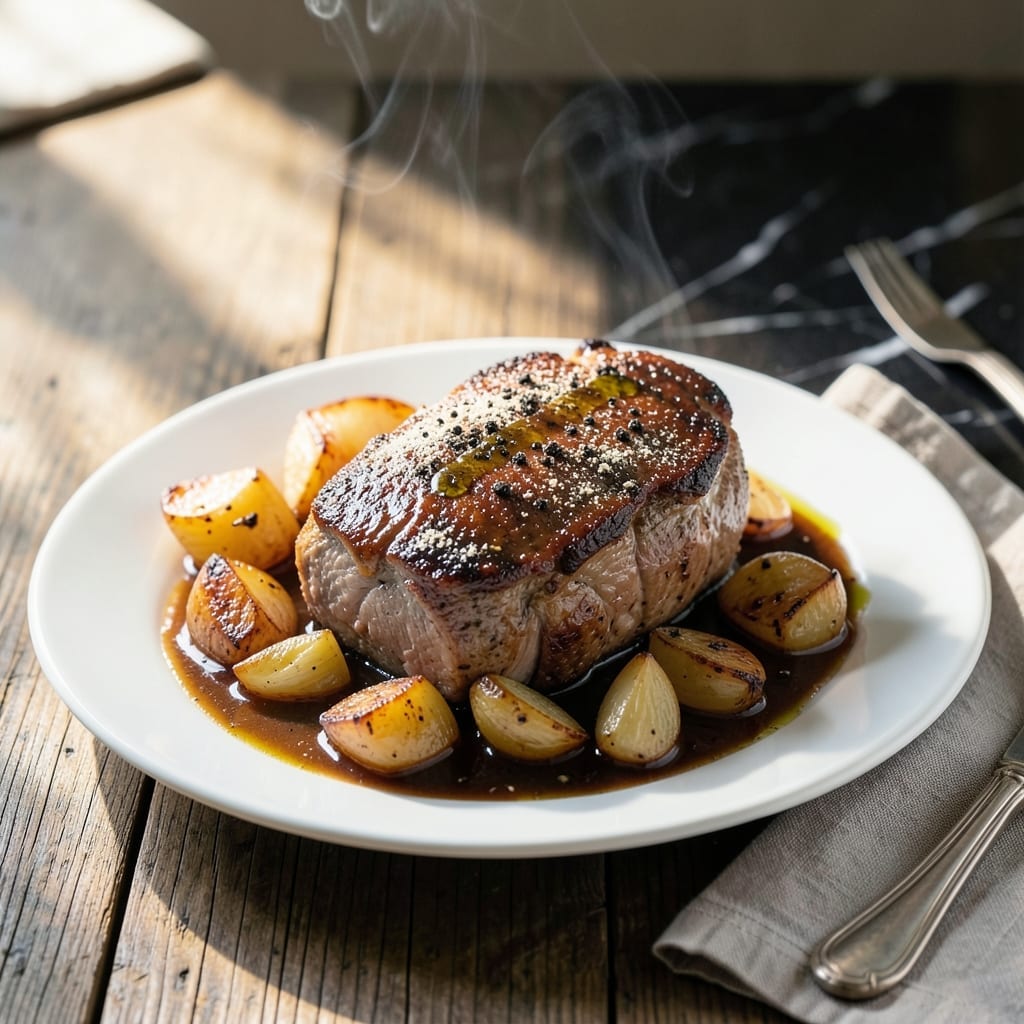
There’s a reason pot roast remains a beloved classic—it transforms tough cuts into meltingly tender perfection through slow cooking. This method honors tradition while ensuring foolproof results every time.
I developed this approach after years of testing, focusing on the perfect balance of time, temperature, and liquid. The low-and-slow technique guarantees meat so tender it falls apart with minimal effort, while vegetables absorb rich, savory flavors.
The secret lies in proper browning and a flavorful braising liquid. By the end, you’ll have a dish where the beef practically dissolves on your tongue and the carrots and potatoes soak up every bit of the deeply flavorful sauce.
Serve this with crusty bread to mop up the juices. Here’s how to achieve that ideal tender texture at home.
Ingredients for Pot Roast Recipe Chef John
Transform tough beef into fall-apart perfection with these classic ingredients for the dish.
| Ingredient | Amount | Notes |
|---|---|---|
| Chuck Roast 🥩 | 3 lb | Well-marbled, bone-in preferred |
| Kosher Salt 🧂 | 2 tsp | Diamond Crystal preferred |
| Black Pepper 🌶️ | 1 tsp | Freshly ground for best flavor |
| All-Purpose Flour 🌾 | ¼ cup | For dusting and thickening |
| Vegetable Oil 🫒 | 2 tbsp | High smoke point for searing |
| Yellow Onions 🧅 | 2 whole | Large, cut into chunks |
| Garlic Cloves 🧄 | 6 cloves | Smashed, peeled intact |
| Carrots 🥕 | 4 whole | Cut into 3-inch pieces |
| Yukon Gold Potatoes 🥔 | 1 ½ lb | Peeled, cut into large chunks |
| Beef Stock 🍲 | 3 cups | Low-sodium preferred for control |
| Dry Red Wine 🍷 | 1 cup | Bold variety like Cabernet |
| Tomato Paste 🍅 | 2 tbsp | Concentrated for depth of flavor |
| Fresh Thyme Sprigs 🌿 | 4 pieces | Plus 1 tsp chopped fresh |
| Bay Leaves 🍃 | 2 pieces | Whole, for braising liquid |
[recipe_ingredient_scaler]
The chuck roast is non-negotiable here. Look for good marbling—that fat is what melts and makes the meat tender. Costco has great pre-cut chuck roast chunks, but I prefer a whole piece from Whole Foods so I can trim and cut it myself. Bone-in adds extra flavor to the braising liquid. Don’t skip the flour dusting—it thickens the sauce beautifully.
No red wine? Beef broth with a splash of balsamic vinegar works in a pinch. Yukon Golds are my go-to for potatoes (they hold their shape), but russets work too if that’s what you’ve got. Fresh thyme is ideal, but dried thyme at one-third the amount gets you 90% there. The tomato paste is key for depth—those little squeeze tubes at Trader Joe’s are perfect for this.
Leftovers taste even better the next day. Store in the fridge for up to 4 days or freeze for 3 months. The braising liquid makes an incredible base for gravy—just skim off the fat and reduce it down. Always serve with crusty bread to soak up every last bit.
Why You’ll Love This Recipe
- I’ll be real: this is my go-to for Sunday dinners, birthdays, or even just because it’s Tuesday.
- One Pot Wonder: Honestly, I just brown the chuck roast, dust it with flour, and let the oven do the rest—no babysitting required.
- Feeds a Crowd: I’ll be real: this is my go-to for Sunday dinners, birthdays, or even just because it’s Tuesday.
- Leftovers for Days: Between us, the sandwiches I make with the leftovers might be even better than the first meal.
Step-by-Step Instructions for Pot Roast
Here’s the method that transforms tough cuts into fall-apart perfection every time.
Step 1: Season and Sear the Chuck Roast
Pat the 3 lb chuck roast completely dry with paper towels—this is non-negotiable for a good sear. Season all sides aggressively with the 2 tsp kosher salt and 1 tsp black pepper, pressing the seasoning into the meat so it adheres.
Dust the roast lightly with the 0.25 cup all-purpose flour, shaking off any excess. This creates a beautiful crust and helps thicken the braising liquid later. Heat the 2 tbsp vegetable oil in a heavy Dutch oven over medium-high heat until shimmering.
Sear the roast on all sides for 4-5 minutes per side until deeply browned. You’re looking for a rich, mahogany crust that doesn’t stick to the pan. Remove the roast and set aside—this step builds the flavor foundation for your entire dish.
Step 2: Sauté the Aromatics and Deglaze
In the same pot, add the 2 whole yellow onions (cut into chunks), 4 whole carrots (cut into 3-inch pieces), and 6 cloves garlic cloves (smashed). Cook over medium heat for 5-6 minutes, stirring occasionally, until the vegetables start to soften and brown.
Stir in the 2 tbsp tomato paste and cook for 1-2 minutes until it darkens slightly—this deepens its flavor. Pour in the 1 cup dry red wine, scraping up all the browned bits from the bottom of the pot with a wooden spoon. This deglazing step captures all that concentrated flavor.
Let the wine reduce by half, about 3-4 minutes. You’ll know it’s ready when the liquid looks syrupy and the bottom of the pot is almost dry. This builds layers of complexity that make the difference between good pot roast and great.
Step 3: Build the Braise and Slow Cook
Return the seared chuck roast to the pot. Add the 1.5 lb Yukon Gold potatoes (peeled and cut into large chunks), 3 cups beef stock, 4 pieces fresh thyme sprigs, and 2 pieces bay leaves. The liquid should come about halfway up the roast—add a splash of water if needed.
Bring to a simmer over medium-high heat, then reduce to low heat. Cover and cook for 3 to 3.5 hours, turning the roast every 45 minutes or so. You want a gentle simmer, not a rolling boil—this ensures the meat stays tender and doesn’t toughen.
The roast is done when it shreds easily with a fork and the internal temperature reaches 200-205°F. The vegetables should be tender and the braising liquid should have reduced slightly, coating the back of a spoon.
Step 4: Rest and Reduce the Sauce
Carefully transfer the chuck roast to a cutting board and tent loosely with foil. Skim any excess fat from the surface of the braising liquid, then bring it to a boil over medium-high heat. Cook for 5-7 minutes until the sauce thickens enough to coat the back of a spoon.
Taste and adjust seasoning with additional salt and pepper if needed. I like to remove the thyme sprigs and bay leaves at this point, though some chefs prefer to leave them in for a more rustic presentation. The sauce should be rich, deeply flavored, and just thick enough to cling to the meat.
Slice the roast against the grain into thick pieces or pull it apart into large chunks. Serve immediately with the vegetables and plenty of that luscious sauce spooned over the top.
Pro Tips For Making Pot Roast Recipe Chef John
- Sear It Hard: Crank the heat to medium-high and don’t move the chuck roast for at least 3-4 minutes per side—I learned this the hard way after pulling it too soon and getting a pale, sad crust.
- Dry the Roast: Pat the chuck roast bone-dry with paper towels before seasoning, or the flour won’t stick and you’ll end up with a steamed exterior instead of that golden-brown sear.
- Skip the Crowding: If your pot is too small, sear the roast in batches or use a bigger pan—steam from overcrowding will ruin the Maillard reaction you’re after.
- Rest Before Slicing: Give the pot roast a solid 15-20 minutes under foil after cooking, or all those juices will end up on the cutting board instead of in the meat.
Perfect Pairings for This Dish
Bread and Butter
You absolutely need crusty sourdough bread or baguette to soak up that incredible braising liquid. I grab mine from New Seasons Market here in Portland—their bakery does it right. Warm it in the oven at 350°F for 5 minutes before serving. 🥖
Simple Salads
A crisp green salad with a tangy vinaigrette cuts through the richness beautifully. Toss 4 cups mixed greens with 2 tbsp apple cider vinegar, 3 tbsp olive oil, and a pinch of Dijon mustard for balance.
Wine Pairings
The same bold Cabernet Sauvignon you braised with works perfectly. For something different, try a Syrah from Oregon’s Willamette Valley—its peppery notes complement the thyme beautifully. I always keep a few bottles from Local butchers on hand. 🍷
Creamy Sides
Buttery mashed potatoes or polenta make this meal even heartier. For mashed, use 2 lbs Yukon Golds with ½ cup warm cream and 4 tbsp butter. The polenta from my garden thyme adds a nice herbal touch.
Roasted Veggies
Add extra color with roasted Brussels sprouts or asparagus. Toss with olive oil, salt, and pepper, then roast at 400°F for 20-25 minutes. I talk to my sprouts while they grow—sounds silly, but they thrive! 🌱
Nutrition Facts
Frequently Asked Questions
What’s the best cut for this dish?
Use chuck roast—it has the right marbling for tenderness. Bone-in adds extra flavor to the braising liquid.
Can I use a slow cooker instead?
Yes! Sear the meat first, then transfer everything to a slow cooker. Cook on low for 8-10 hours or high for 5-6 hours.
Why is my meat tough?
It likely didn’t cook long enough. The internal temp should reach 200-205°F. If it’s still tough, return it to the pot and cook longer.

Trained in classic French technique but raised on slow-cooked ribs and spicy rubs, she blends culinary skill with smoke and soul.
- Recipe for Boneless Pork Chops in Cast Iron Skillet: Sear and Baste to Juicy Perfection - October 3, 2026
- Recipe for Boneless Cross Rib Roast: Slow-Roasted Beef with Herb Crust - October 3, 2026
- Hamburgers in Sauce Recipe Crock Pot: Slow-Cooked Savory Delight - October 3, 2026