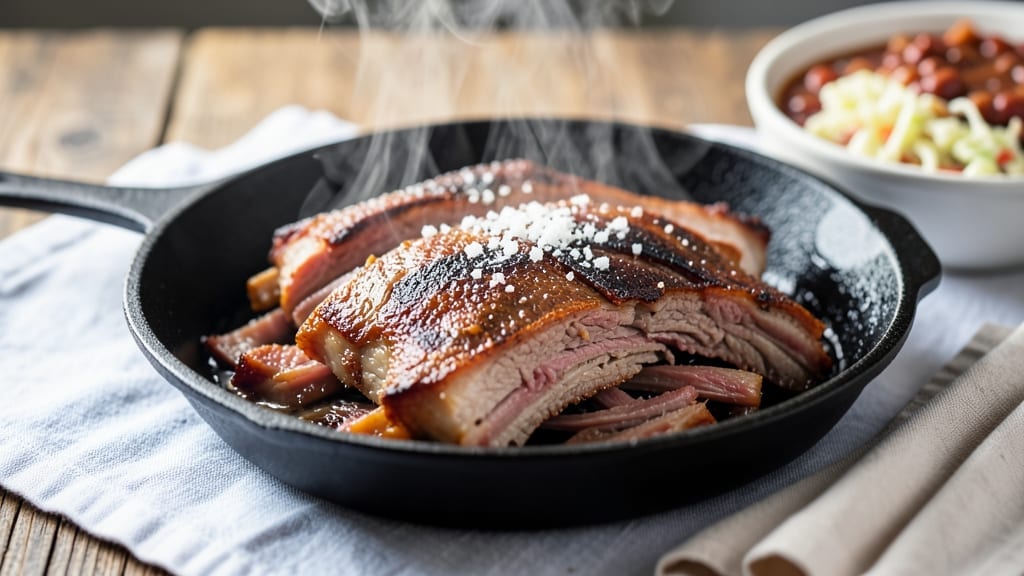
Mastering pulled pork on a pellet smoker transforms tough cuts into melt-in-your-mouth perfection—this recipe delivers restaurant-quality tenderness with minimal effort. Growing up in small-town Georgia, I learned that slow cooking unlocks pork’s natural sweetness, and pellet smokers make it foolproof.
The key lies in precise temperature control and the right wood pellets, both of which I’ll walk you through step by step.
This method starts with a simple dry rub and a low-and-slow smoke that lasts 8-12 hours, depending on your cut. I prefer using hickory or cherry pellets for that signature smoky depth without overpowering the meat.
The beauty of pellet smokers is their ability to maintain a steady temperature, ensuring even cooking every time. No more guessing or temperature swings—just consistent, tender results.
By the time you’re done, your pork will be so tender it practically shreds at a touch, with a crispy bark on the outside and juicy, flavorful meat inside. The sauce options are endless, but a classic tangy vinegar-based BBQ sauce elevates it to new heights.
This is the kind of dish that feeds a crowd, reheats beautifully, and becomes your new go-to for gatherings.
Whether you’re smoking a shoulder for a party or meal prepping for the week, this recipe scales perfectly. The leftovers taste even better the next day, making it ideal for busy schedules. Let’s get started on your journey to smoky, fall-apart pulled pork.
Ingredients for pulled pork pellet smoker
Pantry staples meet smoky magic—this is how you get restaurant-quality pulled pork at home.
| Ingredient | Amount | Notes |
|---|---|---|
| Pork Shoulder 🐷 | 6 lb | Bone-in, skin-on preferred |
| Hickory Wood Pellets 🔥 | 2 lb | For authentic smoky flavor |
| Cherry Wood Pellets 🍒 | 1 lb | Mixed with hickory for balance |
| Brown Sugar 🍚 | ½ cup | Packed for sweetness |
| Smoked Paprika 🌶️ | 2 tbsp | For depth of flavor |
| Garlic Powder 🧄 | 2 tbsp | Freshly ground preferred |
| Onion Powder 🧅 | 2 tbsp | For savory base |
| Ground Black Pepper 🌶️ | 1 tbsp | Freshly ground for best flavor |
| Coarse Kosher Salt 🧂 | 1 tbsp | For bark seasoning |
| Apple Cider Vinegar 🍎 | ½ cup | For tangy BBQ sauce |
| Ketchup 🍅 | 1 cup | Classic BBQ base |
| Molasses 🍯 | 2 tbsp | For rich caramel notes |
| Worcestershire Sauce 🧂 | 1 tbsp | For umami depth |
| Chicken Bouillon Cubes 🍲 | 1 package | Dissolved for broth flavor |
| Apple Juice 🍎 | ½ cup | For moisture balance |
[recipe_ingredient_scaler]
The pork shoulder is your star—look for bone-in, skin-on cuts at your local butcher or grocery store meat counter. I always prefer Costco’s pre-cut pork shoulder for convenience, but any quality butcher will slice it for you. The skin adds crispy bark, and the bone keeps it moist. For the wood pellets, Traeger or Pit Boss brands are reliable, but generic brands work fine if you’re on a budget. The key is to mix hickory for smokiness with cherry for sweetness—this combo gives that classic BBQ flavor without overpowering. Pro tip: soak your pellets for 30 minutes before smoking to avoid flare-ups.
No cherry pellets? Apple wood pellets work in a pinch—they add a fruity sweetness that pairs well. For the dry rub, skip the garlic powder and use 2 cloves fresh minced garlic instead. Short on brown sugar? Maple syrup at half the amount gives similar sweetness. The sauce ingredients are flexible too—peanut butter or mustard can replace ketchup. Just remember: the vinegar keeps it tangy, so don’t skip it. And if you’re out of Worcestershire, soy sauce plus a pinch of sugar works in a jam.
This recipe is all about patience—8-12 hours of smoking at 225°F is non-negotiable for that melt-in-your-mouth texture. Store the cooked pork in airtight containers in the fridge for up to 5 days, or freeze for 3 months. The sauce keeps 1 week refrigerated. I always make extra sauce—it’s perfect for sandwiches, tacos, or even dipping. The leftovers? Double them—this is the kind of dish that tastes even better the next day, especially when reheated gently with a splash of apple juice to keep it moist.
Why You’ll Love This Recipe
- Pellet Smoker Magic: This recipe lets your pellet smoker do the heavy lifting—just toss on the hickory and cherry wood pellets, set the temp to 225°F, and forget about it for 6-8 hours. The fat renders automatically, and that smoked paprika + brown sugar rub sticks like glue with no fuss.
- Chewy-Sweet Perfection: That molasses and apple cider vinegar combo in the sauce? It’s like a caramelized hug for your taste buds. The garlic and onion powders sneak in savory depth while the chicken bouillon cubes add a brothy richness—no bland pulled pork here.
- Leftovers That Last: Cook once, eat twice (or three times). The pork keeps fresh for 5 days in the fridge, and the sauce? A week. Toss it on tacos, slather it on nachos, or freeze portions for lazy weeknight dinners. My kids even ask for seconds—yes, even on a Tuesday night.
- Budget BBQ Win: A 6-pound pork shoulder and 3 pounds of pellets (split between hickory and cherry) feed a crowd without breaking the bank. The ketchup, apple juice, and bouillon turn cheap pantry staples into a sauce that’ll make guests think you spent hours slaving over the grill.
Step-by-step instructions for pulled pork pellet smoker recipe
Here’s how to transform a simple pork shoulder into melt-in-your-mouth pulled pork using your pellet smoker.
Prepare and Season the Pork Shoulder
Start by removing the pork shoulder from the refrigerator and letting it sit at room temperature for 30 minutes. This ensures even cooking throughout. Pat the meat dry with paper towels—this step is crucial for developing that perfect smoky bark later.
In a small bowl, combine the ½ cup brown sugar, 2 tablespoons smoked paprika, 2 tablespoons garlic powder, 2 tablespoons onion powder, 1 tablespoon ground black pepper, and 1 tablespoon coarse kosher salt. Mix well to create a fine, even rub. Generously apply this mixture all over the pork shoulder, pressing it into the meat so it adheres well. This seasoning blend will create a flavorful crust while keeping the meat moist inside.
Smoke the Pork Shoulder Low and Slow
Preheat your pellet smoker to 225°F using a mix of 2 pounds hickory wood pellets and 1 pound cherry wood pellets. This combination gives you that classic BBQ smokiness with a touch of sweetness. Place the seasoned pork shoulder fat-side up on the smoker grates. The fat will render slowly, basting the meat as it cooks.
Close the smoker lid and let the pork shoulder cook undisturbed for 6-8 hours. You’ll know it’s ready when the internal temperature reaches 195-203°F and the meat becomes fork-tender. This low-and-slow method breaks down the connective tissue, creating that signature pulled pork texture. Avoid opening the smoker during cooking—each time you do, you lose heat and moisture.
Prepare the BBQ Sauce
While the pork shoulder smokes, prepare the tangy-sweet sauce in a medium saucepan. Combine 1 cup ketchup, 2 tablespoons molasses, 1 tablespoon Worcestershire sauce, ½ cup apple cider vinegar, ½ cup apple juice, and 1 package chicken bouillon cubes (dissolved in ½ cup hot water). Bring the mixture to a gentle simmer over medium heat and cook for 10-15 minutes until it thickens slightly. Taste and adjust seasoning with additional salt or pepper if needed.
This sauce adds moisture and depth to the pulled pork, balancing the smoky flavors with a touch of sweetness. Keep it warm until ready to use—it should coat the back of a spoon but still be pourable.
Finish and Pull the Pork
Once the pork shoulder reaches the target internal temperature, remove it from the smoker and let it rest for 15-20 minutes. This resting period allows the juices to redistribute, ensuring each bite is moist and flavorful. While it rests, transfer the pork to a cutting board and use two forks to shred the meat into ¼-inch thick strands. Discard any large fat pieces or gristle.
Return the shredded pork to the smoker or a clean saucepan and pour the warm BBQ sauce over it. Toss gently to coat the meat evenly. Let it simmer for 5-10 minutes to absorb the sauce flavors. The result should be tender, juicy pulled pork with a glossy, flavorful coating—perfect for sandwiches or serving over rice.
Pro Tips For Making Pulled Pork Pellet Smoker
- Skip the Crowding: I learned this the hard way—piling pork shoulder on the smoker grates traps steam and turns your crispy bark into sad, soggy skin. Space it out so air circulates, and you’ll get that perfect crust without fighting moisture loss.
- Preheat with Pellets: Don’t just toss in the wood pellets and hope for the best. Preheat your smoker to 225°F using the exact mix of 2 lbs hickory and 1 lb cherry—this ensures the smoke flavor locks in from the start. Cherry adds sweetness, hickory delivers that deep smoke, and skipping this step means flavor that’s half as bold.
- Don’t Rush the Rest: That 15-20 minute rest after pulling the pork isn’t optional—it’s the difference between juicy perfection and dry disappointment. Cover it loosely with foil while it rests; the meat will stay warm, and the juices will redistribute so every bite is tender.
- Simmer the Sauce Right: The sauce needs to thicken just enough to coat the pork, not reduce into syrup. Stir it often during those 10-15 minutes of simmering, and if it looks too thin, let it cook a few minutes longer. Too thick? Thin it with a splash of apple juice—just enough to make it glossy, not watery.
Storing and reheating your leftovers
Fridge Storage Tips
After smoking, let your pulled pork rest for 15-20 minutes before storing. Transfer it to airtight glass containers—I love using Pyrex with snap-on lids—to keep it fresh for up to 5 days.
The sauce stays vibrant and the meat stays moist if you separate them in the container. I always store the sauce in a smaller container on top to prevent sogginess. 🥣
Freezing for Later
Freezing is your best friend for meal prep! Divide the pulled pork into 1-pound portions and freeze in ziplock bags or flat freezer bags to save space. Label with the date—it keeps for 3 months without losing quality.
To thaw, move it to the fridge 24 hours ahead for even reheating. I often freeze the sauce separately and add it fresh when reheating. ❄️
Reheating Like a Pro
For the best texture, reheat your pulled pork in a cast iron skillet over medium-low heat. Add 1-2 tablespoons apple juice to prevent drying. Cover with a lid and cook for 10-15 minutes, stirring occasionally.
This mimics the smoker’s moist environment perfectly. If using a microwave, spread it in a single layer and cover with a damp paper towel to retain moisture. 🔥
Sauce Storage Secrets
The BBQ sauce keeps 1 week refrigerated in an airtight container. For longer storage, freeze it in ice cube trays—yes, really! Once frozen, transfer to a bag. Thaw in the fridge and stir in a splash of water if it thickens too much.
I always make extra sauce because it’s perfect for sandwiches, tacos, or even dipping. 🍽️
Avoiding Dryness
If your pulled pork seems dry after reheating, it’s likely lost moisture during storage. Next time, wrap the cooked pork tightly in butcher paper or place it in a ziplock bag with a damp paper towel before refrigerating.
This keeps it juicy for days. I’ve also had success adding a splash of beef broth when reheating—it restores that smoky richness. 💧
Nutrition facts
Frequently asked questions
Why does my pellet smoker struggle to maintain 225°F
consistently?
Pellet smokers can have temperature fluctuations due to pellet feed issues or drafts. First, check your hopper for clogs or low pellets. A damp pellet bin can also cause problems—ensure it’s dry. If drafts are an issue, seal gaps around the lid and avoid opening it too often during cooking. For best results, preheat for 15 minutes before adding the pork to stabilize the temperature.
Can I use a different wood pellet blend instead of hickory and cherry?
Hickory and cherry create that classic BBQ balance, but apple or pecan pellets work well too. Apple adds sweetness, while pecan gives a nutty depth. Just avoid overly strong flavors like mesquite, which can overpower the pork. Stick to a 70/30 hickory-to-other-wood ratio for best results.
How do I know if my pulled pork is done without cutting into it?
Use a meat thermometer to check the thickest part of the pork—it should reach 195-203°F. The meat will also pull apart easily with a fork. If it’s still firm, cook another 30-60 minutes and check again. Overcooking dries it out, so patience is key!
What’s the best way to reheat pulled pork without drying it out?
Reheat gently in a cast iron skillet over medium-low heat with 1-2 tablespoons apple juice added. Cover and cook for 10-15 minutes, stirring occasionally. Microwaving works too—just spread it in a single layer and cover with a damp towel. Avoid high heat, or it’ll turn rubbery.
Can I make this recipe ahead of time for a party?
Yes! Cook the pork a day ahead and store it in an airtight container with the sauce. Reheat on the stovetop or smoker before serving. The flavors actually improve after resting overnight. Just toss it with fresh sauce right before serving for the best texture.

Trained in classic French technique but raised on slow-cooked ribs and spicy rubs, she blends culinary skill with smoke and soul.
- Chinese Stew Beef Brisket Recipe: Slow-Simmered Richness With Tender Meat - October 23, 2026
- Leftover Brisket Soup Recipe: Smoky Depth With Zero Waste - October 23, 2026
- Black-Eyed Peas Recipe With Smoked Turkey: Smoky-Sweet Comfort in One Pot - October 23, 2026