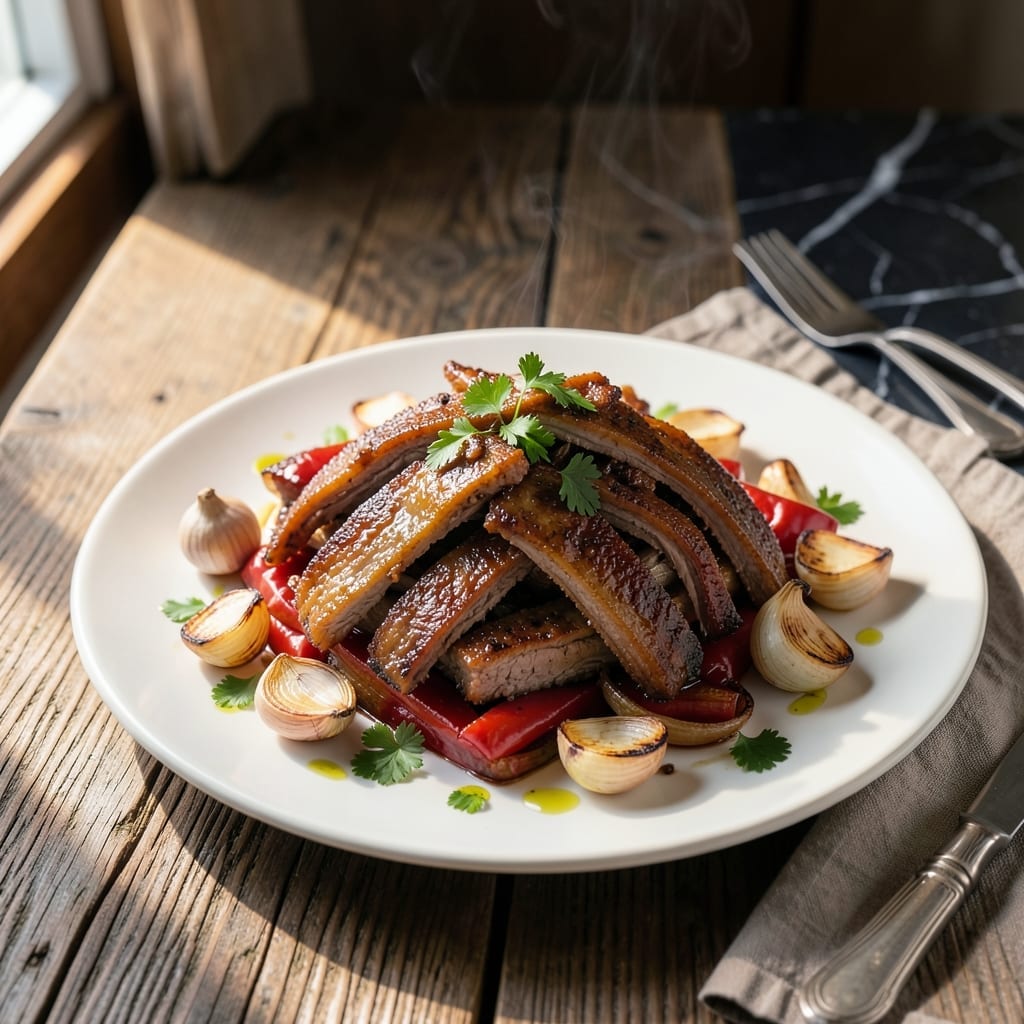
This roaster oven method delivers tender pulled pork with minimal effort and maximum flavor. The slow, even heat transforms tough cuts into fall-apart meat.
With just a simple dry rub and low heat, you’ll achieve smoky, juicy results. Perfect for sandwiches, tacos, or meal prep.
Ingredients for Pulled Pork Recipe in Roaster Oven
Simple dry rub and slow heat turn tough pork into fall-apart tender perfection.
| Ingredient | Amount | Notes |
|---|---|---|
| Pork Shoulder 🐖 | 4 lb | Boneless, well-marbled preferred |
| Brown Sugar 🍚 | ½ cup | Light or dark variety |
| Paprika 🌶️ | 2 tbsp | Sweet or smoked for depth |
| Garlic Powder 🧄 | 1 tbsp | Not garlic salt |
| Onion Powder 🧅 | 1 tbsp | Fresh ground preferred |
| Ground Cumin 🌿 | 1 tsp | Toasted for deeper flavor |
| Chili Powder 🌶️ | 1 tsp | Mild or hot variety |
| Salt 🧂 | 1 tbsp | Kosher or sea salt |
| Black Pepper 🌶️ | 1 tsp | Freshly ground preferred |
| Apple Cider Vinegar 🍏 | ½ cup | For tangy moisture |
| Chicken Broth 🍲 | 1 cup | Low-sodium preferred |
| Olive Oil 🫒 | 2 tbsp | For searing pork |
[recipe_ingredient_scaler]
The pork shoulder is key here. Costco or Sam’s Club often have pre-cut, well-marbled pieces perfect for pulling. Look for 4-5 pounds—enough for leftovers without being unwieldy. Avoid lean cuts like pork loin; they dry out. The fat content in shoulder renders down beautifully, creating that juicy texture. If buying from a butcher, ask for the Boston butt cut (same as pork shoulder, just a different name).
No apple cider vinegar? White vinegar or lemon juice works in a pinch (use half the amount—it’s stronger). Out of chili powder? Mix paprika plus a pinch of cayenne. The rub is flexible—swap smoked paprika for regular if you want more intensity. Chicken broth can be substituted with water, but the flavor won’t be as rich. Always use low-sodium to control the salt level.
This reheats beautifully—shredded pork soaks up flavors as it sits. Store in the fridge for 4-5 days or freeze for 3 months. Portion before freezing for easy meals. The dry rub can be mixed ahead and stored in a jar for 6 months (if it lasts that long).
Why You’ll Love This Recipe
- Set It and Forget: I toss the pork shoulder in the roaster oven with the spices, cover it, and let it do its thing—no babysitting required.
- Sweet and Smoky: That brown sugar caramelizes with the paprika, while garlic and onion powders give it a deep, rounded flavor that’s impossible to resist.
- Feeds a Crowd: I’ve served this at summer BBQs, Sunday suppers, and even packed it for weeknight lunches—everyone goes back for seconds.
- Leftovers for Days: Honestly, it tastes even better the next day piled on sandwiches, stuffed in tacos, or mixed into chili.
Step-by-Step Instructions for Pulled Pork in Roaster Oven
This method guarantees fall-apart tender meat with minimal active cooking time.
Step 1: Prepare and Season the Pork Shoulder
Pat the 4 lb Pork Shoulder dry with paper towels to ensure the rub adheres properly. This step prevents steaming and helps create a flavorful crust.
In a small bowl, combine 0.5 cup Brown Sugar, 2 tbsp Paprika, 1 tbsp Garlic Powder, 1 tbsp Onion Powder, 1 tsp Ground Cumin, 1 tsp Chili Powder, 1 tbsp Salt, and 1 tsp Black Pepper. Massage this rub evenly over all surfaces of the pork shoulder, pressing firmly to create a thick coating.
Step 2: Sear the Pork for Depth of Flavor
Heat 2 tbsp Olive Oil in a large skillet over medium-high heat until shimmering. Add the seasoned pork shoulder and sear for 3-4 minutes per side until deeply browned on all sides.
This searing step develops a rich crust and enhances the overall flavor profile. The pork should release easily from the pan when properly browned. Transfer the seared pork to your roaster oven insert.
Step 3: Add Liquids and Begin Roasting
Pour 0.5 cup Apple Cider Vinegar and 1 cup Chicken Broth into the roaster oven insert around the pork. These liquids create steam that keeps the meat moist during the long cooking process.
Cover the roaster oven and set the temperature to 300°F. Cook for 3-4 hours, checking occasionally to ensure there’s still liquid in the pan. The pork is ready for the next step when it reaches an internal temperature of 165°F.
Step 4: Shred and Finish Cooking
Carefully remove the pork from the roaster oven and place it on a large cutting board. Using two forks, shred the meat into large chunks. This step is easier when the meat is at this stage of doneness.
Return the shredded pork to the roaster oven, mixing it with the cooking liquids. Cover and continue cooking for an additional 1-2 hours at 300°F until the meat is probe-tender and easily pulls apart with minimal effort.
Step 5: Rest and Serve
Once the pork is fully tender, remove it from the roaster oven and let it rest for 15-20 minutes. This allows the juices to redistribute throughout the meat.
Skimming off excess fat from the cooking liquid creates a flavorful sauce to mix back into the pulled pork before serving. The result should be moist, tender meat that melts in your mouth with a perfect balance of smoky and sweet flavors.
Pro Tips For Making Pulled Pork Recipe In Roaster Oven
- Low and Slow: Set your roaster oven to 225°F and give it at least 8 hours—I learned this the hard way after pulling tough pork at 300°F.
- Rub Generously: Coat the pork shoulder with the brown sugar and spice mix like you mean it; skimp and the bark won’t form right.
- Don’t Rush the Rest: Let the pork rest in the roaster for 30 minutes after cooking, or the juices will spill out when you pull it.
- Add Liquid Last: Skip the water or broth at the start—add a cup halfway through if it looks dry, but the pork renders enough fat on its own.
Pro Cooking Tips for pulled pork recipe in roaster oven
Temperature Control
Maintain a consistent 300°F in your roaster oven throughout cooking. I check mine with a ThermoWorks oven thermometer to ensure accuracy. Even heat distribution is key to preventing dry spots. 🌡️
Liquid Management
Add ½ cup apple cider vinegar and 1 cup chicken broth initially, but check every 90 minutes. If the pan looks dry, add ½ cup water to maintain moisture. This prevents the meat from drying out.
Shredding Technique
Use two forks to shred the pork when it hits 165°F internal temp. I prefer OXO Good Grips forks—they’re sturdy and comfortable. Shred into large chunks first, then return to the oven for final tenderizing.
Resting Time
Always let the pork rest for 15-20 minutes after cooking. This step is non-negotiable for juicy results. I tent mine loosely with foil to keep it warm while the juices redistribute. 💡
Fat Skimming
After resting, skim excess fat from the cooking liquid using a ladle or fat separator. I save the skimmed fat for cooking potatoes—it adds incredible flavor. Mix the remaining liquid back into the pork before serving.
Probe Test
The pork is done when a meat thermometer slides in like butter. Aim for 203°F internal temperature for perfect tenderness. If it resists, give it another 30-60 minutes in the oven.
Nutrition Facts
Frequently Asked Questions
What’s the ideal internal temperature?
Aim for 203°F internally for fall-apart tenderness. At 165°F, it’s safe to shred but needs more time to become truly tender. Use a meat thermometer for accuracy.
Can I skip the searing step?
You can, but searing adds depth of flavor. If short on time, skip it but expect slightly less complex taste. The rub will still create a flavorful crust.
How do I prevent dry pulled pork?
Keep liquid in the pan and cook at 300°F. Check every 90 minutes and add ½ cup water if dry. Resting after cooking also locks in juices.
Can I use a different cut of pork?
Stick with pork shoulder or butt for best results. Leaner cuts like loin will dry out. The fat in shoulder renders down, keeping the meat moist.

Trained in classic French technique but raised on slow-cooked ribs and spicy rubs, she blends culinary skill with smoke and soul.
- Recipe for Boneless Pork Chops in Cast Iron Skillet: Sear and Baste to Juicy Perfection - October 3, 2026
- Recipe for Boneless Cross Rib Roast: Slow-Roasted Beef with Herb Crust - October 3, 2026
- Hamburgers in Sauce Recipe Crock Pot: Slow-Cooked Savory Delight - October 3, 2026