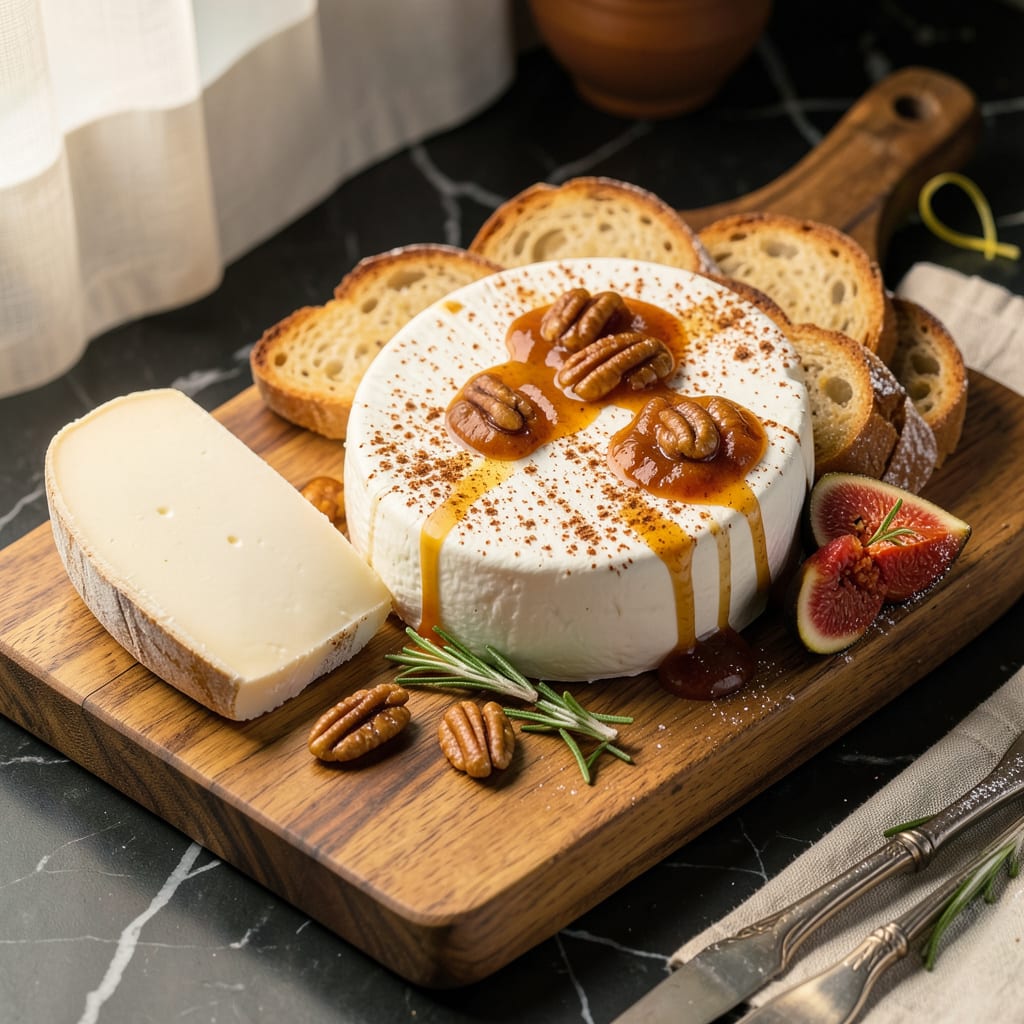
Pumpkin spice cheese blends cream cheese with warm autumn spices like cinnamon, nutmeg, and cloves for a sweet, creamy spread perfect for fall. It takes just 5 minutes to make with simple ingredients.
This isn’t just another flavored cream cheese—it’s a seasonal powerhouse that captures the essence of autumn in every bite. 🌟 The magic happens when the rich, tangy base of cream cheese meets the deep warmth of traditional pie spices. I’ve found it works beautifully as both a sweet and savory element, bridging the gap between breakfast spreads and dessert toppings.
What sets this apart is its incredible versatility. A quick whisk transforms basic ingredients into something extraordinary, making it ideal for last-minute entertaining or meal prep. The natural sweetness from the spices means you can often skip added sugar, while the creamy texture holds up perfectly in both chilled and baked applications.
💡 In This Article
- How Pumpkin Spice Flavors Transform Cream Cheese
- Creative Ways to Use Pumpkin Spice Cheese Beyond Bagels
How Pumpkin Spice Flavors Transform Cream Cheese
The science behind this transformation starts with the fat molecules in cream cheese. At room temperature, cream cheese contains about 33% milkfat—these fat globules act like tiny flavor carriers.
When you introduce ground spices like cinnamon and nutmeg, their volatile aromatic compounds (cinnamaldehyde and myristicin, respectively) dissolve into the fat matrix, creating a uniform distribution of flavor throughout the cheese. This is why you’ll taste spice in every bite rather than getting random bursts.
What’s fascinating is how each spice interacts differently with the dairy base. Cinnamon’s warmth comes from its 1-5% essential oil content, which binds particularly well to fat molecules. Nutmeg contains myristicin that actually becomes more pronounced when combined with dairy fats—this is why the flavor seems to deepen after the cheese sits for 24 hours.
Cloves add eugenol, a compound that creates a slight numbing sensation on the tongue, balancing the richness. The ratio matters: too much clove (over 1/8 tsp per 8oz cheese) can overpower, while the ideal blend uses 1:2:1:½ parts cinnamon:nutmeg:ginger:cloves for harmony.
The texture transformation is equally important. Spices contain microscopic particles that actually alter the cheese’s mouthfeel. A fine grind (like what you’d get from freshly grating nutmeg) incorporates smoothly, while coarser spices can create a pleasant granular contrast.
I’ve found that adding 1-2 tablespoons of powdered sugar doesn’t just sweeten—it helps stabilize the emulsion by attracting water molecules, preventing the spices from separating over time. This is why homemade versions often hold their consistency better than store-bought alternatives.
Temperature plays a crucial role in flavor development. When you mix spices into room-temperature cream cheese (68-72°F), the fat is soft enough to fully incorporate the spices without breaking the emulsion. Chilled cheese would require more mixing force, potentially introducing air bubbles that create a lighter, almost mousse-like texture.
The resting period is key: after 4-6 hours in the fridge, the flavors meld completely as the spice oils fully infuse into the fat molecules. This is when the magic really happens—the sharp tang of cream cheese mellows while the spices bloom.
Here’s what most people miss: the acidity level affects perception. Cream cheese has a natural pH of about 4.6-4.9, which makes the spices taste slightly brighter. Adding a pinch of salt (1/16 tsp per 8oz) doesn’t just enhance flavor—it actually helps balance the perceived sweetness by suppressing bitter notes in the spices.
This is why even “sweet” applications benefit from that tiny bit of salt. The science confirms what our taste buds know: balance creates that addictive “I can’t stop eating this” quality.
For those who love texture contrasts, consider that pumpkin puree (when used in small amounts—1-2 tablespoons per 8oz cheese) adds moisture that creates a silkier spread, while also contributing natural pectin that helps stabilize the mixture.
The puree’s natural sugars caramelize slightly when baked, creating delicious browning in applications like cheesecake swirls or stuffed French toast. This is how you elevate from simple spread to gourmet ingredient with minimal effort.
The color transformation is another sensory delight. The warm brown tones from cinnamon and nutmeg create that iconic autumnal hue, while a touch of ginger adds golden undertones.
These visual cues actually prime our brains to expect those cozy fall flavors before we even take a bite—a psychological trick that makes the first taste even more satisfying. ✨

Trained in classic French technique but raised on slow-cooked ribs and spicy rubs, she blends culinary skill with smoke and soul.
- Recipe for Boneless Pork Chops in Cast Iron Skillet: Sear and Baste to Juicy Perfection - October 3, 2026
- Recipe for Boneless Cross Rib Roast: Slow-Roasted Beef with Herb Crust - October 3, 2026
- Hamburgers in Sauce Recipe Crock Pot: Slow-Cooked Savory Delight - October 3, 2026