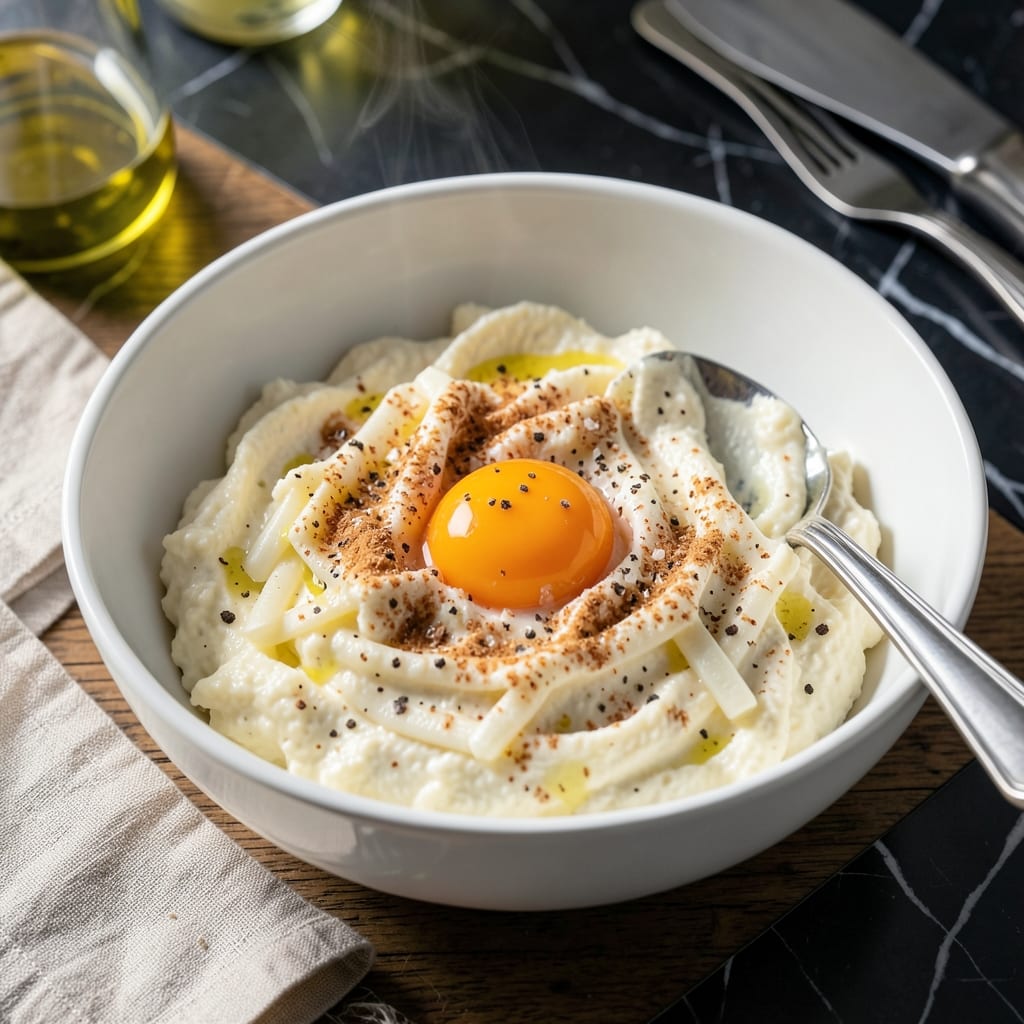
This ricotta-based filling transforms simple pasta into gourmet ravioli with its light and creamy texture. I’ve refined this recipe to balance richness without heaviness, using just a few high-quality ingredients.
The key lies in draining the ricotta properly to avoid a watery center. A touch of Parmesan and nutmeg adds depth, while egg binds the mixture for easy assembly. The result is a delicate, flavorful filling that holds its shape.
Once assembled, these ravioli cook in minutes, floating to the surface when done. The creamy center pairs perfectly with brown butter sage sauce or a simple tomato basil topping.
Whether for a weeknight dinner or special occasion, this filling delivers restaurant-quality results with minimal effort. Here’s how to make it.
Ingredients for Ravioli Filling Recipe Ricotta
These refined ingredients create a delicate, restaurant-quality ricotta filling with perfect texture.
| Ingredient | Amount | Notes |
|---|---|---|
| Whole Milk Ricotta Cheese 🧀 | 15 oz | Well-drained overnight in cheesecloth |
| Parmesan Cheese 🧀 | ½ cup | Freshly grated from wedge |
| Large Egg 🥚 | 1 whole | Room temperature for binding |
| Freshly Grated Nutmeg 🌰 | ¼ tsp | Whole nutmeg preferred |
| Fine Sea Salt 🧂 | ½ tsp | Adjust to taste after draining |
| Freshly Ground Black Pepper 🌶️ | ¼ tsp | Coarse grind for texture |
| Fresh Parsley 🌿 | 2 tbsp | Finely chopped flat-leaf |
| Garlic Cloves 🧄 | 1 clove | Minced or pressed |
| Lemon Zest 🍋 | 1 tsp | From one medium lemon |
| Pecorino Romano Cheese 🧀 | ¼ cup | Optional for sharper flavor |
[recipe_ingredient_scaler]
Ricotta quality is non-negotiable. Whole milk ricotta from BelGioioso or Calabro yields the creamiest results—avoid low-fat versions as they produce a watery filling. For authentic flavor, Parmigiano-Reggiano is essential; pre-grated varieties contain anti-caking agents that affect texture. Most Whole Foods or specialty Italian markets carry these brands fresh.
Substituting Parmesan with Grana Padano works in a pinch. No ricotta? Cottage cheese blended smooth can substitute, but drain it thoroughly (at least 4 hours in cheesecloth). The nutmeg is traditional—mace offers a similar warmth at the same quantity. For a lighter filling, reduce the egg to just the yolk, though this may affect binding slightly.
The filling keeps well—store covered in the fridge for up to 3 days. For longer storage, freeze assembled ravioli on a tray before bagging; they’ll keep for 2 months. Always bring ricotta to room temperature before draining to maximize liquid removal.
Why You’ll Love This Recipe
- Five-Minute Mix: I just dump ricotta, Parmesan, egg, and a whisper of nutmeg into a bowl—no chopping, no fuss.
- Creamy Dreamy Bite: The whole-milk ricotta and sharp Parmesan melt together into this rich, pillowy filling that tastes like a hug.
- Freezer Best Friend: I make a double batch, stuff my ravioli, and freeze the extras for lazy dinners later.
- Budget Luxury: Honestly, five cheap ingredients turn into something that tastes like a fancy restaurant dish.
Step-by-Step Instructions for Ricotta Ravioli Filling
This professional method ensures a perfectly smooth, creamy filling with balanced flavors every time.
Step 1: Drain and Prepare the Ricotta Base
Begin with the 15 oz Whole Milk Ricotta Cheese that has been well-drained overnight in cheesecloth. I always press out any remaining moisture with a spoon—this prevents a watery filling that would compromise the pasta’s texture.
Transfer the drained ricotta to a large mixing bowl. The texture should be thick and slightly crumbly, not wet. This is your foundation for a rich, velvety filling that holds its shape when piped into ravioli.
Step 2: Incorporate the Cheeses and Seasonings
Add the 0.5 cup Parmesan Cheese, 0.25 cup Pecorino Romano Cheese, 0.5 tsp Fine Sea Salt, and 0.25 tsp Freshly Ground Black Pepper to the ricotta. The combination of these aged cheeses adds depth and a subtle sharpness that balances the mildness of the ricotta.
Sprinkle in the 0.25 tsp Freshly Grated Nutmeg—this is the secret to that classic, warm undertone in Italian cheese fillings. Whisk everything together until just combined, being careful not to overwork the mixture.
Step 3: Add Aromatics and Bind the Filling
Stir in the 2 tbsp Fresh Parsley, 1 clove Garlic Cloves (minced or pressed), and 1 tsp Lemon Zest. The parsley adds freshness, the garlic provides a gentle pungency, and the lemon zest brightens the richness of the cheeses.
Create a well in the center and add the 1 whole Large Egg. Fold the egg into the mixture gently but thoroughly—the egg acts as the binder, ensuring the filling holds together during cooking without becoming dense.
Step 4: Test and Adjust the Consistency
The final mixture should be smooth, slightly sticky, and hold its shape when pressed between your fingers. If it feels too loose, refrigerate it for 20-30 minutes to firm up. This resting period also allows the flavors to meld completely.
Taste and adjust the seasoning if needed, though be mindful that the flavors will intensify slightly once the ravioli are cooked. The filling should taste balanced—creamy, cheesy, and subtly aromatic with no single ingredient overpowering the others.
Pro Tips For Making Ravioli Filling Recipe Ricotta
- Drain the Ricotta: I learned this the hard way—dump your whole milk ricotta into a fine mesh strainer over a bowl for 10 minutes before mixing. It removes excess moisture so your filling doesn’t turn to soup when you cut the ravioli.
- Grate Fresh Nutmeg: Pre-ground nutmeg tastes like dust compared to the real deal. A single pass with a microplane over fresh nutmeg gives a brightness that actually changes the outcome.
- Skip the Overmixing: After adding the egg, fold just until combined—about 8-10 strokes. Overmixing makes the filling dense and gummy, and I’ve ruined two batches this way.
- Chill Before Stuffing: Pop your filling in the fridge for 20-30 minutes before assembling. It firms up just enough to pipe cleanly, and I was skeptical until I tried it.
Troubleshooting This Recipe
Filling Too Runny
If your mixture feels watery, the ricotta wasn’t drained enough. Line a colander with cheesecloth and let it sit for 2-3 hours at room temperature. Press gently with a spoon to extract more moisture. 💡
Dry or Crumbly Mix
Add 1-2 tbsp cold water or a beaten egg yolk to restore creaminess. Avoid adding too much liquid—just enough to make it pipeable. Mix gently to prevent overworking the ricotta.
Filling Won’t Hold Shape
Chill the mixture for 30 minutes to firm up. If still loose, add 1 tbsp grated Parmesan to help bind it. The mixture should hold its form when spooned.
Overly Dense Texture
You likely overmixed or used too much egg. Fold ingredients just until combined. If it’s already dense, lighten with 1 tbsp whipped ricotta for fluffiness.
Bland Flavor
Boost with ½ tsp salt, ¼ tsp nutmeg, or 1 tbsp lemon zest. Taste as you adjust—ricotta needs bold seasoning to shine. A pinch of white pepper adds subtle warmth. 🌟
Filling Leaks During Cooking
Seal ravioli edges tightly with a fork or crimper. Avoid overfilling—1 tsp per ravioli is ideal. Cook in simmering, not boiling, water to prevent bursting.
Nutrition Facts
Frequently Asked Questions
Can I use low-fat ricotta instead?
Low-fat ricotta often produces a watery filling. Stick with whole milk ricotta for the creamiest texture. If you must substitute, drain it for 4-6 hours to remove excess moisture.
How long can I store the filling before use?
Keep it covered in the fridge for up to 3 days. For longer storage, freeze the filling in an airtight container for up to 1 month, but thaw overnight before using.
Why does my filling taste bland?
Ricotta needs bold seasoning. Boost flavor with ½ tsp salt, ¼ tsp nutmeg, or 1 tbsp lemon zest. A pinch of white pepper adds warmth without overpowering.
Can I add spinach or other vegetables?
Sauté ½ cup chopped spinach or roasted butternut squash, drain well, and fold into the mixture. Ensure vegetables are dry to prevent a soggy filling.

Trained in classic French technique but raised on slow-cooked ribs and spicy rubs, she blends culinary skill with smoke and soul.
- Recipe for Boneless Pork Chops in Cast Iron Skillet: Sear and Baste to Juicy Perfection - October 3, 2026
- Recipe for Boneless Cross Rib Roast: Slow-Roasted Beef with Herb Crust - October 3, 2026
- Hamburgers in Sauce Recipe Crock Pot: Slow-Cooked Savory Delight - October 3, 2026