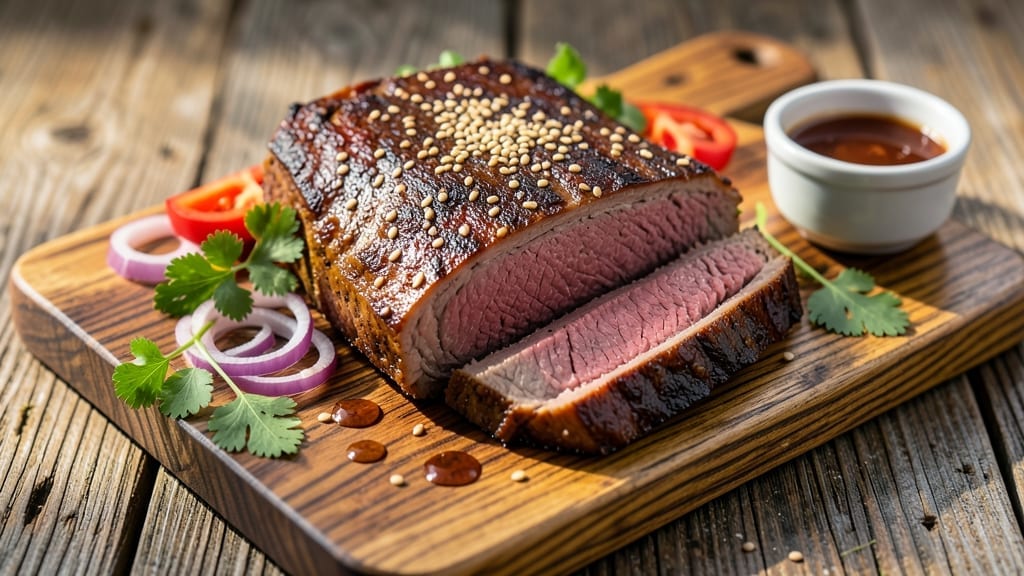
A recipe for cooking corned beef brisket that yields melt-in-your-mouth tenderness can turn a simple brisket into the star of St. Patrick’s Day—or any cozy, celebration-worthy feast. My grandmother’s approach—slow-cooked until it nearly falls apart—revealed the secret to restaurant-quality results at home.
The key lies in balancing the spices and letting time do the work, not rushing the process. I’ve refined her method over years of trial and error, ensuring every bite delivers that melt-in-your-mouth texture.
The beauty of this recipe is its simplicity: a brisket, a blend of spices, and patience. No fancy equipment is needed—just a slow cooker, oven, or even a stovetop method if you’re short on time.
The spices infuse deeply during the long cook, creating layers of flavor that turn tough cuts into something extraordinary. What starts as a dense piece of meat becomes fork-tender, rich, and packed with savory depth by the end.
By the time you’re done, you’ll have a brisket so tender it practically dissolves on your tongue, perfect for sandwiches, tacos, or serving alongside classic sides like cabbage and potatoes.
The slow-cooking process ensures every slice is juicy, not dry, making this a dish that impresses without requiring hours of active cooking. Let’s get started on creating your own showstopping brisket.
This method also works beautifully for lower-sodium versions—just adjust the seasoning blend to taste. The result is the same incredible tenderness, proving that great flavor doesn’t always mean heavy salt. Whether you’re hosting a gathering or treating yourself to a comforting meal, this recipe delivers every time.
Ingredients for recipe for cooking corned beef brisket
Just a brisket, spices, and slow-cooking patience—this is how you get melt-in-your-mouth perfection.
| Ingredient | Amount | Notes |
|---|---|---|
| Corned Beef Brisket 🥩 | 4 lb | Center-cut, untrimmed preferred |
| All-Purpose Flour 🌾 | 1 cup | For coating brisket |
| Granulated Sugar 🍚 | ½ cup | For browning brisket |
| Brown Sugar 🍚 | ½ cup | Packed, for glaze |
| Yellow Mustard 🍯 | ½ cup | For coating brisket |
| Corned Beef Spice Blend 🧂 | ½ cup | Homemade or store-bought |
| Garlic Powder 🧄 | 1 tbsp | Freshly ground preferred |
| Onion Powder 🧅 | 1 tbsp | For depth of flavor |
| Black Pepper 🌶️ | 1 tbsp | Freshly ground for best flavor |
| Mustard Powder 🍯 | 1 tbsp | For tangy depth |
| Salt 🧂 | 1 tbsp | Kosher or sea salt |
| Beef Broth 💧 | 2 cups | Low-sodium preferred |
| Apple Cider Vinegar 🍎 | ¼ cup | For tenderizing |
[recipe_ingredient_scaler]
The brisket is everything here. Center-cut, untrimmed gives you the most even cooking and best texture. Look for bright red color and good marbling—it’s the fat that keeps it juicy. I always buy mine from Butcher Box or my local grocery’s meat counter, where they’ll cut it for you. If you’re short on time, the pre-packaged briskets work too, just make sure it’s labeled as ‘corned beef brisket’ and not just ‘beef brisket’—the curing process matters for that authentic flavor.
No homemade spice blend? Penzeys or McCormick’s corned beef seasoning works perfectly. Short on mustard powder? Dijon mustard plus extra salt gets you close. The apple cider vinegar is key for tenderizing, but if you don’t have it, lemon juice or even a splash of white vinegar will do. For the broth, low-sodium is best—you can always add salt at the end. And if you’re watching sodium, reduce the salt in the spice blend by half and add more pepper for depth.
This brisket keeps beautifully for 4-5 days in the fridge, and it actually tastes better the second day. Freeze portions for up to 3 months—just reheat in the oven or slow cooker. I like to slice it against the grain and serve it over mashed potatoes or in a cabbage slaw. The glaze? Make it ahead and store it in the fridge—just add a splash of water and reheat before drizzling. Trust me, the leftovers are even better the next day.
Why You’ll Love This Recipe
- One-Pot Magic: Honestly, the fact that I can do all the work in one Dutch oven? Game changer. No last-minute cleanup of multiple pans—just that golden-brown brisket, a caramelized sugar crust, and a mustard glaze that practically glues itself to the pot. My kitchen stays spotless while my family thinks I’m a culinary genius.
- Sweet-Savory Balance: Between the brown sugar’s deep caramel notes and the tangy yellow mustard glaze, this brisket hits every flavor note. The apple cider vinegar in the marinade? It tenderizes the meat so well that the first bite is like silk. My picky eater actually asked for seconds—no small feat.
- Staple for Any Occasion: This isn’t just for St. Patrick’s Day. I serve it over mashed potatoes on a lazy Sunday, pack leftovers for lunch, or even slice it into sandwiches for a quick dinner. The spices adapt to any meal, and honestly? It’s the kind of dish that makes me feel like I’m feeding a crowd without the stress.
- Leftovers That Shine: The best part? It gets better the next day. I’ll reheat a slice in the oven, drizzle it with that mustard glaze, and it’s still fork-tender. Freeze portions for months, and it’s always ready—no last-minute grocery runs. My secret weapon for busy weeks? This recipe.
Step-by-step instructions for slow-cooked corned beef brisket
Here’s how to transform a tough brisket into melt-in-your-mouth tenderness with bold flavors.
Prepare the Brisket for Maximum Flavor
Remove the 4 lb corned beef brisket from its packaging and pat it dry completely with paper towels. This step is crucial because moisture prevents the seasoning from sticking properly. Place the brisket in a large bowl and pour the ¼ cup apple cider vinegar over it, making sure it coats all sides. Let it marinate for 15 minutes while you prepare the dry rub.
In a small bowl, combine the ½ cup corned beef spice blend, 1 tablespoon garlic powder, 1 tablespoon onion powder, 1 tablespoon black pepper, 1 tablespoon mustard powder, and 1 tablespoon salt. Mix well until all the spices are evenly distributed. After the brisket has marinated, remove it from the vinegar (reserve the vinegar for later) and pat it dry again. Generously coat the brisket with the spice mixture, pressing it into the meat so it adheres well.
Create the Flour Coating and Initial Sear
In a separate bowl, pour the 1 cup all-purpose flour. Lightly dredge the spice-coated brisket in the flour, shaking off any excess. This creates a light crust that helps develop a rich flavor during cooking. Heat a large Dutch oven over medium-high heat and add the brisket, fat-side down. Let it sear for 5 minutes until a golden-brown crust forms on the fat side.
Flip the brisket and sear for another 3 minutes on the other side. Remove the brisket from the Dutch oven and set it aside. In the same pot, sprinkle the ½ cup granulated sugar and ½ cup brown sugar, letting them caramelize slightly for 1 minute. This creates a sweet glaze that will add depth to the final dish.
Slow-Cook to Perfect Tenderness
Return the brisket to the Dutch oven and pour in the 2 cups beef broth. The broth should come about halfway up the sides of the brisket. Cover the pot with a tight-fitting lid and transfer it to the oven. Preheat the oven to 300°F and cook the brisket for 3 hours. This low-and-slow method is key to achieving that fork-tender texture.
After 3 hours, remove the brisket from the oven and carefully pour the cooking liquid into a measuring cup. You should have about 1½ cups of liquid. If there’s less, add a little beef broth to make up the difference. Return the brisket to the Dutch oven and cook uncovered for another hour at 300°F. This final step allows the brisket to develop a beautiful crust while maintaining its moisture.
Glaze and Rest for Juicy Perfection
Remove the brisket from the oven and transfer it to a cutting board. Let it rest for 15 minutes before slicing. While it rests, return the Dutch oven to the stovetop over medium heat. Add the ½ cup yellow mustard to the cooking liquid and stir well. Let it simmer for 2-3 minutes until it thickens slightly into a glossy glaze.
Brush the glaze generously over the brisket before slicing. The brisket should be fork-tender with a rich, caramelized crust. Slice it against the grain into ½-inch thick pieces and serve with the glaze spooned over the top. Each bite should be incredibly tender with layers of sweet, savory, and tangy flavors.
Pro Tips For Making Recipe For Cooking Corned Beef Brisket
- Sear It Properly: That 5-minute sear on the fat side isn’t just for looks—it renders fat and locks in flavor. If your Dutch oven isn’t hot enough, you’ll end up with greasy steam instead of a golden crust. Crank the heat to medium-high and let it sizzle like it means it.
- Don’t Skip the Vinegar Soak: I used to rush this 15-minute vinegar bath, thinking it didn’t matter. Wrong. The apple cider vinegar tenderizes the meat and cuts through the fat, making the final texture actually melt-in-your-mouth. Reserve that liquid too—it’s liquid gold for the glaze if you need to stretch it later.
- Sugar Caramelization Matters: Those ½ cups of granulated and brown sugar aren’t just for sweetness—they need to caramelize for 1 full minute before adding the broth. Skip this, and your glaze will taste cloying instead of deep and complex. Watch it like a hawk; it burns faster than you think.
- Rest Before Slicing: That 15-minute rest isn’t optional. Brisket is stubborn—if you cut into it too soon, all the juices will pool on your cutting board instead of staying where they belong. Cover it loosely with foil while it rests, and your slices will be juicy, not sad.
Troubleshooting this dish
When the Brisket Won’t Sear
If your brisket won’t develop that golden-brown crust during searing, it’s usually because of moisture or heat issues. Pat the meat extra dry with paper towels before searing—any lingering moisture will steam instead of brown.
Heat your Dutch oven for 5 minutes empty on medium-high before adding the brisket to ensure it’s truly hot. If the fat side still won’t brown, try searing over two burners (or a grill) for better heat distribution. 🔥
Overly Salty Brisket
Too much salt can ruin your brisket’s balance. If you used store-bought spice blends, check the sodium content—some contain 2-3x more salt than homemade mixes. Taste the cooking liquid after 3 hours; if it’s too salty, dilute it with ½ cup water or broth and proceed.
For future batches, reduce the salt in your spice blend by half and add extra pepper for depth.
Uneven Cooking or Dry Edges
If your brisket cooks unevenly with dry edges, it’s often because of inconsistent heat or uncovered cooking. After the initial 3 hours, ensure your oven is 300°F and the brisket isn’t sitting near hot spots.
For the final hour, use a meat thermometer to check the thickest part—it should read 195-200°F before resting. Wrapping it loosely in foil during the last 30 minutes helps retain moisture.
Glaze Too Thin or Grainy
A thin or grainy glaze usually means the mustard didn’t emulsify properly. Simmer the mustard and cooking liquid longer—5 minutes instead of 2-3—to thicken it. If it’s still grainy, strain it through a fine-mesh sieve before brushing it on.
For extra richness, whisk in 1 tbsp cornstarch slurry (mixed with 1 tbsp water) while simmering to help it coat the brisket evenly.
Brisket Sticks to the Pot
This happens when the flour crust isn’t properly set or the pot isn’t hot enough. After searing, let the flour crust cook undisturbed for 2 minutes before adding broth. If it still sticks, use a wooden spoon to gently loosen the edges before transferring to the oven.
For future batches, let the brisket cool slightly on a wire rack before slicing—this makes it easier to handle.
Nutrition facts
Frequently asked questions
Why does my corned beef brisket need that vinegar soak?
The ½ cup apple cider vinegar tenderizes the tough brisket fibers by breaking them down gently. This step transforms a dense cut into melt-in-your-mouth texture—it’s what my grandmother swore by, and I’ve never skipped it since. The acidity also helps the spices cling better during cooking.
Can I skip the searing step if I’m short on time?
Yes, but you’ll miss that delicious crust! The 5-8 minutes of searing creates a flavorful barrier that locks in juices. If you skip it, the brisket will still be tender, but the flavor won’t be as rich. For a quick fix, just sear it for 3 minutes per side—even that helps!
How do I know when the brisket is done without cutting into it?
Use a meat thermometer! The internal temperature should reach 195-200°F after 3 hours in the oven. The brisket will also pull away easily from the pot’s sides when it’s ready. If you’re unsure, let it cook another 30 minutes—it’s better to be safe than dry!
Can I use a slow cooker instead of the oven?
Transfer the brisket to your slow cooker after searing and add the broth. Cook on low for 8 hours or high for 5-6 hours. The key is patience—just ensure the liquid stays about halfway up the sides. The result will be just as tender!
What’s the best way to reheat leftovers?
Reheat in the oven at 300°F for 20-30 minutes to keep it moist. Avoid microwaving—it can dry out the meat. If you’re short on time, a slow cooker on low for 1-2 hours works too. The flavors actually deepen after reheating!

Trained in classic French technique but raised on slow-cooked ribs and spicy rubs, she blends culinary skill with smoke and soul.
- Smoked Brisket Recipe: Low and Slow to Fall-Apart Tenderness - November 2, 2026
- Smoked Turkey Breast Recipe: Juicy Pink Center With Crispy Skin Every Time - November 2, 2026
- Leftover Smoked Pulled Pork Chili Recipe: Rustic Flavor Revival in One Pot - November 2, 2026