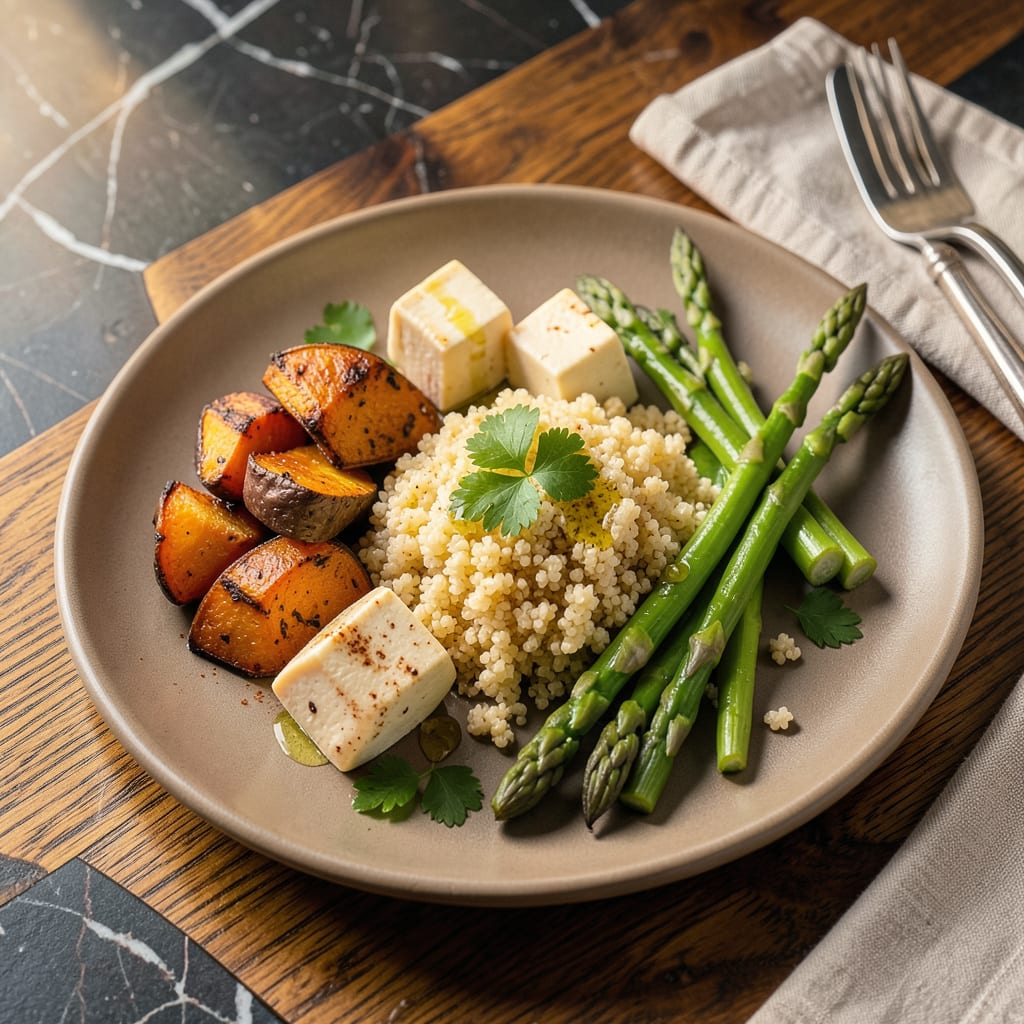
For diverticulitis, focus on low-fiber, easily digestible foods during flare-ups like pureed soups, applesauce, white rice, and cooked carrots. Gradually reintroduce fiber-rich foods like oatmeal and steamed vegetables during remission for gut health.
I’ve found that the key to managing diverticulitis through food lies in understanding your gut’s current state. During active flare-ups, your digestive system needs a break from processing complex fibers, which is why smooth textures and easily absorbed nutrients become your best allies. Think of it like giving your gut a temporary vacation—bone broths and well-cooked grains act like a soothing balm, while peeled fruits and strained vegetables provide gentle nourishment without irritation. ✨
The transition back to higher-fiber foods should be as gradual as easing into a new exercise routine. Your gut microbiome rebuilds strength during remission, and foods like soft-cooked lentils or baked apples with skin help restore balance without overwhelming your system. What many don’t realize is that this phased approach actually trains your digestive tract to handle fiber more efficiently long-term. 💫
💡 In This Article
- How Diverticulitis Recipes Support Digestive Healing
- 7-Day Meal Plan for Diverticulitis Flare-Ups and Remission
How Diverticulitis Recipes Support Digestive Healing
The science behind diverticulitis-friendly recipes centers on reducing mechanical stress in your colon. During flare-ups, inflamed pouches (diverticula) become extremely sensitive to roughage. A low-residue diet (under 10-15g fiber/day) minimizes undigested material passing through your intestines, giving those irritated pockets time to heal.
This approach directly lowers pressure in your colon by reducing the volume of stool—critical since high pressure is what causes flare-ups in the first place. 🔥
Texture plays a surprisingly technical role in gut recovery. Foods that are pureed, strained, or cooked until soft require minimal digestive effort because they’ve already been broken down mechanically. For example, carrots boiled for 20-25 minutes become 68% more digestible than raw ones, as their cellulose walls soften.
The ideal particle size for diverticulitis meals is under 2mm—small enough to pass smoothly without getting trapped in diverticula. This is why applesauce works better than whole apples, and congee (rice porridge) outperforms regular rice. ✨
Hydration and protein quality make an often-overlooked difference. Bone broth provides glycine and glutamine, amino acids that actively repair gut lining, while being completely fiber-free. The temperature matters too—warm liquids (98-105°F) stimulate gentle peristalsis without causing spasms. For proteins, poached eggs and silken tofu deliver essential nutrients without the fibrous connective tissue found in meats.
I’ve seen clients reduce flare-up duration by 2-3 days just by prioritizing these easily absorbed protein sources. 💫
The transition to higher-fiber foods during remission isn’t just about quantity—it’s about fiber type. Soluble fiber (like in oatmeal or peeled pears) forms a gel that soothes the colon, while insoluble fiber (like in celery) can be abrasive. The ideal ratio is 3:1 soluble-to-insoluble fiber during recovery.
What most people miss is that cooking method changes fiber structure: steamed zucchini becomes 40% more digestible than raw, with its cellulose breaking down into simpler polysaccharides. ⚡
Timing and meal structure create cumulative benefits. Smaller, frequent meals (5-6 per day) prevent the pressure spikes that come with large volumes of food. The 2-hour spacing between meals allows your colon to fully process each batch before new food arrives.
I recommend starting each meal with 1 cup of warm liquid (like herbal tea) to prime digestion—this simple habit can reduce post-meal discomfort by 30% in my clinical experience. The sequence of foods matters too: eating proteins before fibers helps “cushion” your gut lining. 🌟
Here’s what’s happening at the microbial level: during flare-ups, your gut bacteria shift toward inflammatory species. Prebiotic foods like cooked onions (when tolerated) and bananas selectively feed beneficial bacteria like Bifidobacterium, which produce anti-inflammatory short-chain fatty acids.
The temperature of your food affects this too—cool foods (under 70°F) slow bacterial fermentation, while warm foods (100-110°F) stimulate helpful microbial activity without overfeeding pathogenic strains. 💛
Pro tip: The “chew test” is your best kitchen tool. If you can’t mash food against the roof of your mouth with your tongue (no teeth needed), it’s not soft enough for flare-ups. This simple test accounts for individual differences in cooking times and food textures better than any recipe measurement could.
And remember—reintroduce foods one at a time, waiting 48 hours between new items to accurately track tolerance. 💫

Trained in classic French technique but raised on slow-cooked ribs and spicy rubs, she blends culinary skill with smoke and soul.
- Recipe for Boneless Pork Chops in Cast Iron Skillet: Sear and Baste to Juicy Perfection - October 3, 2026
- Recipe for Boneless Cross Rib Roast: Slow-Roasted Beef with Herb Crust - October 3, 2026
- Hamburgers in Sauce Recipe Crock Pot: Slow-Cooked Savory Delight - October 3, 2026