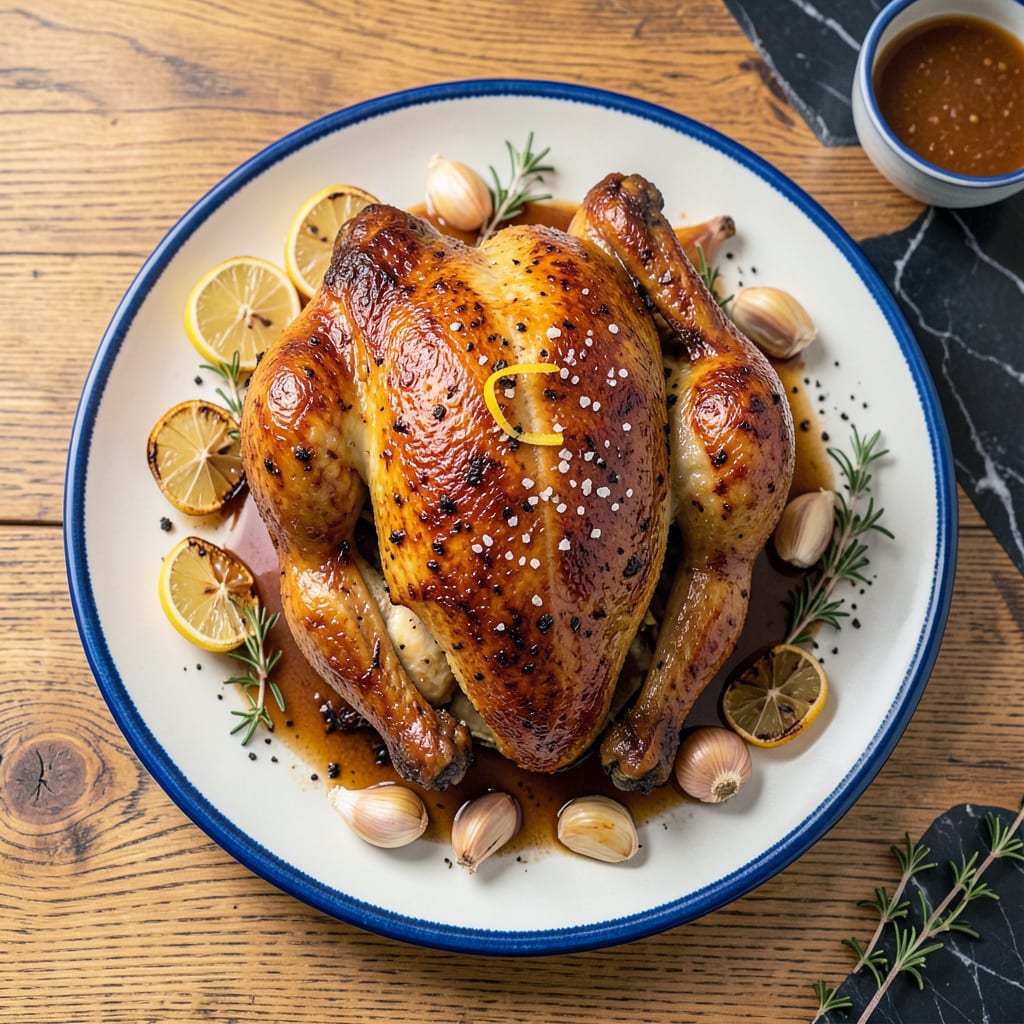
There’s nothing like the smell of a perfectly roasted chicken filling your kitchen—especially when you know that golden bird is destined for soup. I’ve been making this for years, and the secret is all in the slow roast that gives you fall-off-the-bone tender meat while keeping the skin crispy enough to snack on before it hits the pot.
What makes this different from your average roast chicken? I keep the seasoning simple (just salt, pepper, and fresh herbs) so the natural flavors shine through in your broth later. The real magic happens when you let it cook low and slow—this method guarantees meat that practically shreds itself, plus rich drippings that’ll become the backbone of your soup.
By the time it comes out of the oven, you’ll have a chicken so tender it nearly falls apart at the touch, with skin that’s crispy enough to satisfy any snack attacks while you prep the rest of your soup. The best part? Every bit of that bird gets used—meat for the soup, carcass for stock, even those crispy skin bits for garnish.
This is the kind of recipe that makes soup night feel like a special occasion instead of just another meal. Whether you’re making classic chicken noodle or something more adventurous, this roasted chicken gives you the perfect foundation. Let’s get that bird in the oven!
📚 In This Guide
- What You’ll Need
- Instructions
- Tips and Common Mistakes
What Youll Need
- ● Whole chicken: 1 (3.5–5 lbs / 1.6–2.3 kg) — fresh or thawed, patted dry 🍗
- ● Olive oil or melted butter: 2 tbsp — for crispy skin & moisture
- ● Kosher salt: 1.5 tbsp — plus extra for seasoning to taste
- ● Black pepper: 1 tsp — freshly ground
- ● Aromatics (required): 1 onion (quartered), 2 carrots (chopped), 2 celery stalks (chopped), 4 garlic cloves (smashed) — for flavor infusion
- ○ Fresh herbs (optional but recommended): 3 sprigs thyme, 2 sprigs rosemary, 4 parsley stems — tied with twine
- ○ Lemon: ½ (optional) — for brightness
- ● Roasting pan + rack: — or a baking sheet with raised edges
- ● Kitchen twine: — to tie legs for even cooking
- ● Meat thermometer: — instant-read, for perfect doneness (165°F in thickest part) 🌡️
- ● Tongs or wooden spoons: — for safe handling
- ● Chef’s knife + cutting board: — for prepping aromatics
- ● Aluminum foil: — to tent chicken if browning too fast
- ● Oven preheated to 425°F (220°C) — for crispy skin & juicy meat
- ● Chicken at room temperature (30 mins out of fridge) — ensures even cooking
- ● Clean workspace — raw poultry safety first! ✨
Instructions
Here’s how to roast chicken perfectly for soup—simple steps, incredible flavor.
Prep the Chicken for Maximum Flavor
Start by removing any giblets from the chicken cavity and patting the bird completely dry with paper towels. I can’t stress this enough—dry skin equals crispy skin, which means better flavor for your broth. Season the entire chicken generously with salt and pepper, making sure to get some inside the cavity too.
For extra flavor, I like to stuff the cavity with aromatic vegetables like onion, carrot, and celery. Don’t worry about chopping them finely—just rough chunks will do. This isn’t about presentation; it’s about building flavor layers that will transfer to your soup broth later.
Roast at High Heat for Perfect Texture
Preheat your oven to 425°F. This high heat is key for developing rich, golden-brown skin that will add depth to your soup. Place the chicken breast-side up on a roasting rack set inside a baking pan. The rack allows hot air to circulate all around the chicken, ensuring even cooking.
Roast the chicken for 20 minutes at this high temperature. You’ll start to see the skin turning golden and hear it sizzling—that’s exactly what you want. This initial blast of heat creates the Maillard reaction, which builds complex flavors that will make your soup broth incredibly rich.
Lower Temperature for Tender Meat
After the initial high-heat roast, reduce the oven temperature to 325°F. Continue roasting for about 1 hour to 1 hour 15 minutes, depending on the size of your chicken. The chicken is done when the internal temperature reaches 165°F in the thickest part of the thigh.
You’ll know it’s ready when the juices run clear if you pierce the thigh with a knife, and the leg moves easily when you wiggle it. This lower temperature ensures the meat stays tender and juicy, which is exactly what you want for soup chicken. The meat should practically fall off the bone when you handle it later.
Rest and Shred for Soup
Remove the chicken from the oven and let it rest for 15-20 minutes before handling. This resting period allows the juices to redistribute throughout the meat, keeping it moist and flavorful. I know it’s tempting to dig in right away, but this step makes a noticeable difference in tenderness.
Once cooled slightly, transfer the chicken to a cutting board. Remove the meat from the bones in large chunks—it should come away easily. Shred or chop the meat as needed for your soup recipe. The bones and skin can be reserved to make a rich, flavorful broth that will form the base of your soup.
Tips and Common Mistakes
Here’s what I’ve learned from roasting countless chickens for soup—small details that make a big difference.
Drying is Everything: In Step 1, take extra time to pat the chicken completely dry. I use paper towels and really press into every crevice. Wet skin steams instead of crisps, and you’ll lose that rich flavor we’re building for your broth. Trust me, those extra 30 seconds of drying pay off when you taste the difference in your soup.
High Heat Strategy: During Step 2, don’t open the oven door during those first 20 minutes at 425°F. Every time you peek, you lose precious heat and interrupt the Maillard reaction that’s creating all those complex flavors. Set a timer and resist the urge to check—your patience will be rewarded with perfectly golden skin.
Temperature Transition: When you reduce the heat to 325°F in Step 3, make sure your oven has actually cooled down before putting the chicken back in. I’ve seen people rush this and end up with dry meat. Give it 5-10 minutes to adjust—you’ll get more even cooking and that fall-off-the-bone tenderness we’re after.
Resting Wisdom: The 15-20 minute rest in Step 4 isn’t just about keeping the meat juicy—it’s also your chance to prep your soup ingredients while the chicken finishes cooking from residual heat. I use this time to chop vegetables or measure broth ingredients, making the whole soup-making process more efficient.
Pro Tips for Roast Chicken For Soup
- Here’s what I’ve learned from roasting countless chickens for soup—small details that make a big difference.
- Drying is Everything: In Step 1, take extra time to pat the chicken completely dry. I use paper towels and really pre…
- High Heat Strategy: During Step 2, don’t open the oven door during those first 20 minutes at 425°F. Every time you pe…
Frequently Asked Questions
How long should I roast chicken for soup to get the best flavor?
Roast bone-in chicken pieces (thighs, drumsticks, or a whole chicken) at 375°F (190°C) for 45–60 minutes until golden and internal temp hits 165°F (74°C). For deeper flavor, roast longer at 300°F (150°C) (2–3 hours) to caramelize the skin and intensify the broth.
Can I use a rotisserie chicken instead of roasting my own?
A store-bought rotisserie chicken saves time and adds rich flavor. Shred the meat for soup and simmer the carcass with veggies for 1–2 hours to extract collagen and marrow. Just skip added salt—rotisserie chickens are often pre-seasoned.
Why is my roasted chicken soup broth cloudy instead of clear?
Cloudiness comes from over-boiling (emulsified fat) or chopping veggies too finely. For clear broth, simmer gently (never boil hard), skim foam, and strain through a cheesecloth-lined sieve. Pro tip: Avoid stirring too much!
What’s the best way to store roasted chicken for soup later?
Cool the chicken completely, then store:
- Fridge: Shredded meat (3–4 days) or whole carcass (2 days) in airtight containers.
- Freezer: Meat (3 months) or bones (6 months) in zip-top bags. Label with dates!
Can I roast chicken for soup without skin? Will it still taste good?
Yes, but the skin adds fat = flavor! If skipping, brush pieces with oil and roast at 400°F (200°C) for crispiness. Compensate with extra herbs (thyme, rosemary) or a splash of umami (soy sauce, fish sauce) in the broth.
Now you’ve got the secret to perfectly juicy roast chicken for soup—tender meat and a broth so rich, it’ll make your taste buds dance! 🍲 Whether you’re prepping for a cozy weeknight meal or batch-cooking for future dishes, this method guarantees flavor-packed results every time.
Ready to take it to the next level? Try simmering your roasted chicken bones for a homemade stock (bonus points for adding veggie scraps!), or experiment with herbs like thyme or rosemary for extra depth. Happy cooking—your best bowl of soup is just a simmer away! 🥄

Trained in classic French technique but raised on slow-cooked ribs and spicy rubs, she blends culinary skill with smoke and soul.
- Recipe for Crock Pot Swiss Steak: Slow-Cooked Beef With Mushroom Gravy - October 3, 2026
- Recipe for Kabsa Rice: Spiced Middle Eastern Feast in One Pot - October 3, 2026
- Hamburger Stir Fry Recipe Healthy: Lean Protein and Veggie-Packed Dinner - October 3, 2026