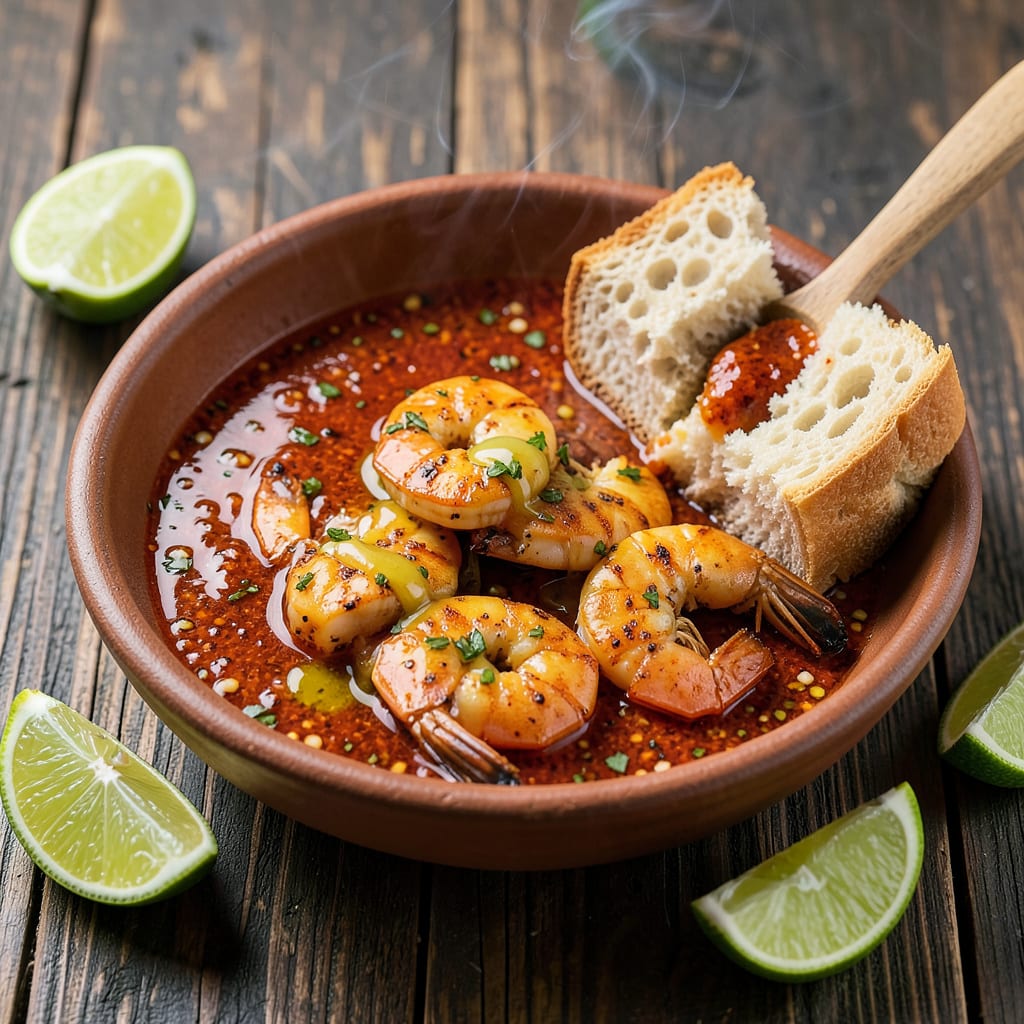
Peri peri sauce delivers a fiery, citrusy kick with African bird’s eye chili as its base, balanced by garlic, lemon, and vinegar. Its vibrant heat pairs perfectly with grilled meats and seafood while offering a tangy, smoky depth.
This sauce isn’t just about heat—it’s a complex flavor journey that starts with the African bird’s eye chili, one of the world’s most potent peppers. 🔥 What makes it special is how the citrus and vinegar cut through the spice, creating a bright, almost electric contrast. I’ve found it transforms simple dishes into restaurant-quality meals, especially when you let it caramelize slightly on the grill. The smoky notes come from traditional preparation methods, where peppers are often fire-roasted before blending.
💡 In This Article
- Origins and Key Ingredients of Peri Peri Sauce
- Creative Ways to Use Peri Peri Sauce Beyond Grilling
Origins and Key Ingredients of Peri Peri Sauce
This sauce’s explosive flavor starts with its namesake pepper—the piri piri (also called African bird’s eye chili), which packs 175,000-225,000 Scoville units. That’s 10-20 times hotter than a jalapeño! 🔥 The peppers originated in Africa but gained culinary fame through Portuguese colonial trade routes in Mozambique, where they were blended with local citrus and spices.
Traditional preparation involves sun-drying the peppers to concentrate their heat before crushing them with garlic, lemon, and vinegar—a method that creates a sauce with layered complexity rather than just raw spiciness.
The magic happens in the balance of ingredients. Mozambican recipes typically use 1 part chili to 2 parts citrus (lemon or lime juice) and 1 part vinegar, creating a pH around 3.0-3.5 that preserves the sauce naturally.
The garlic adds alliin compounds that mellow slightly when cooked, while the vinegar’s acetic acid helps extract capsaicin from the peppers more efficiently. Some versions include papaya or mango for sweetness, which chemically interacts with the capsaicin to create a “heat then cool” sensation on the palate.
What most people don’t realize is how preparation methods change the flavor profile dramatically. Fire-roasting the peppers (traditional method) develops pyrazine compounds that add smoky depth, while fermentation (used in some commercial versions) creates lactic acid that rounds out the sharp edges of the heat.
I’ve tested both methods—roasted versions work better with meats, while fermented sauces shine in marinades where you want the flavors to penetrate deeply.
The Portuguese influence shows in how the sauce is used differently than other hot sauces. In Mozambique, it’s often served as a table condiment with seafood (especially prawns) because the citrus cuts through oceanic flavors.
The sauce’s 30-40% oil content (from the peppers’ natural oils) helps it cling to foods better than water-based hot sauces, making it ideal for grilling where you want flavor to stay put during cooking.
Here’s what’s fascinating about the heat delivery: The capsaicin in piri piri peppers binds to TRPV1 receptors in your mouth differently than other peppers. The initial burn hits quickly but dissipates faster than, say, habanero-based sauces, leaving behind the citrus and garlic notes.
This makes peri peri more “approachable” despite its high Scoville rating—a quality I exploit when introducing spice-averse friends to fiery flavors. ✨
For authentic versions, look for sauces with:
- First ingredient: African bird’s eye chilies (not generic “peppers”)
- Acidity level: 4-6% (should make your lips pucker slightly)
- Texture: Slightly oily with visible pepper seeds
- Aroma: Bright citrus with smoky undertones
The best batches I’ve made used peppers dried for exactly 3 days in direct sunlight—long enough to concentrate flavors but not so long they lose their vibrant color.
This timing creates the perfect balance where the heat is intense but the citrus and garlic still sing through. The sauce should coat the back of a spoon but still drip slowly, indicating the right oil-to-vinegar ratio. 💫

Trained in classic French technique but raised on slow-cooked ribs and spicy rubs, she blends culinary skill with smoke and soul.
- Recipe for Boneless Pork Chops in Cast Iron Skillet: Sear and Baste to Juicy Perfection - October 3, 2026
- Recipe for Boneless Cross Rib Roast: Slow-Roasted Beef with Herb Crust - October 3, 2026
- Hamburgers in Sauce Recipe Crock Pot: Slow-Cooked Savory Delight - October 3, 2026