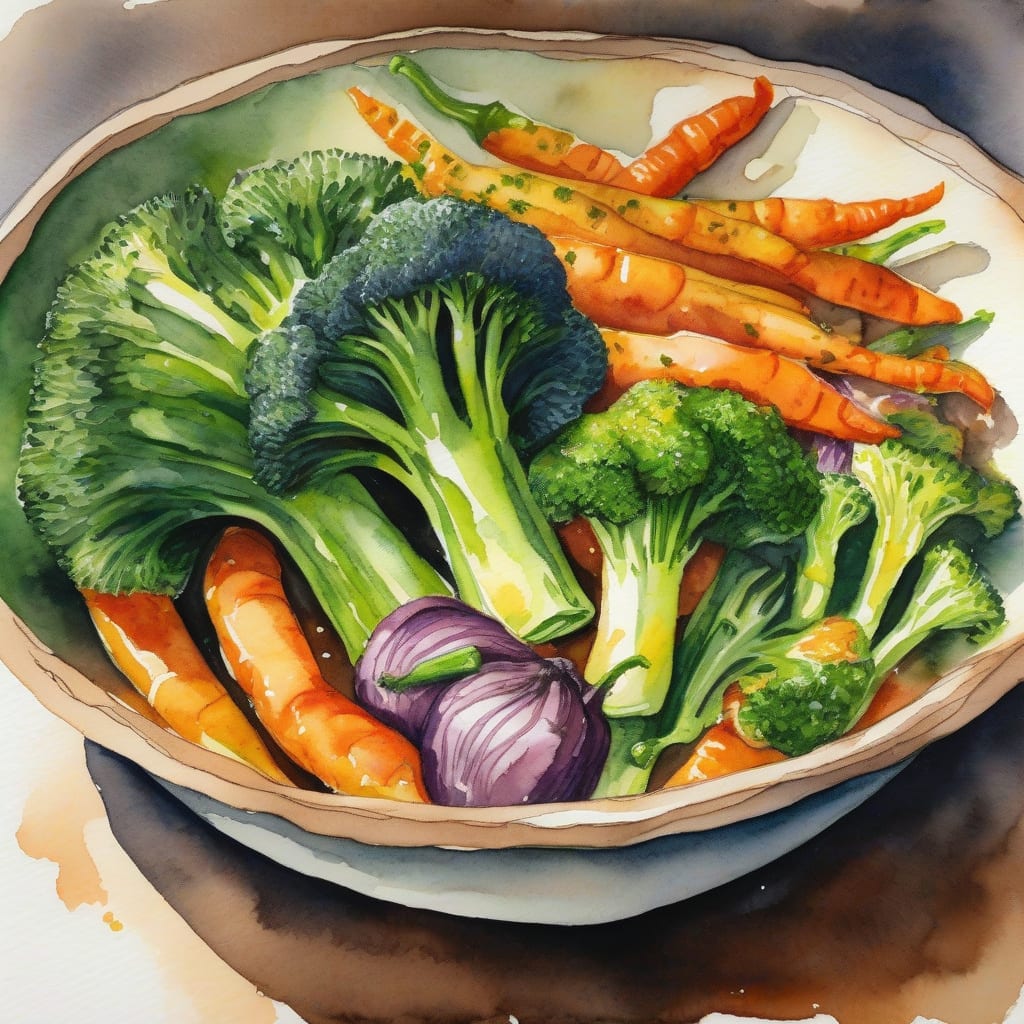
There’s something incredibly satisfying about a vibrant plate of sautéed vegetables. This dish is not only quick to prepare, but it also brings a burst of color and nutrients to any meal. Trust me, you’ll love how easy it is to whip this up!
With just a few fresh ingredients and simple techniques, you can create a delightful side that complements almost any main dish. The key is to keep the vegetables crisp-tender while enhancing their natural flavors with a bit of seasoning.
By the end of this cooking session, you’ll have a delicious medley of vegetables that are both visually appealing and packed with flavor. Let’s dive into the preparation and get these veggies sizzling!
Ingredients for Sautéed mixed vegetables
Gather these fresh ingredients and you’ll have a vibrant plate of sautéed vegetables ready in no time.
| Ingredient | Amount | Notes |
|---|---|---|
| Bell Peppers 🌶️ | 2 whole | Any color, diced |
| Zucchini 🥒 | 1 whole | Sliced into half-moons |
| Carrots 🥕 | 2 whole | Julienned or sliced |
| Broccoli Florets 🥦 | 1 ½ cups | Fresh or frozen, chopped |
| Olive Oil 🫒 | 2 tbsp | Extra-virgin for flavor |
| Garlic Cloves 🧄 | 3 cloves | Minced for aroma |
| Salt 🧂 | 1 tsp | Kosher or sea salt |
| Black Pepper 🌶️ | ½ tsp | Freshly ground preferred |
| Fresh Parsley 🌿 | ¼ cup | Chopped for garnish |
| Lemon Juice 🍋 | 1 tbsp | Freshly squeezed for brightness |
[recipe_ingredient_scaler]
You can find most of these vegetables at local grocery stores or farmers markets. For the best quality, choose firm, brightly colored produce. Brands like Organic Girl offer fresh greens, while Whole Foods has a great selection of organic vegetables. Check for freshness by looking for vibrant colors and avoiding any signs of wilting or browning.
If you don’t have zucchini, summer squash works well as a substitute. For an extra kick, add red pepper flakes or substitute shallots for garlic. Any variety of bell pepper is suitable, but red or yellow add sweetness. If broccoli isn't available, try using green beans or snap peas for a different texture.
Store any leftover sautéed vegetables in an airtight container in the refrigerator for up to 3 days. To maintain their crispness, reheat gently in a skillet over medium heat. Fresh vegetables should be kept in the crisper drawer of your fridge and used within a week for best flavor and texture.
Step-by-Step Instructions for Sautéed Mixed Vegetables
Let me guide you through this quick and colorful side dish that brings vibrant flavors to your table.
👨🍳 Step 1: Prepare Your Vegetables
Start by washing and prepping your vegetables. I like to dice the 2 whole bell peppers into bite-sized pieces, ensuring they cook evenly. For the 1 whole zucchini, slice it into half-moons, which adds a nice texture. Lastly, julienne or slice the 2 whole carrots to match the size of the other veggies. Having everything cut and ready will streamline the cooking process.
Don’t forget to chop the 1.5 cups of broccoli florets into smaller pieces if they are too large. This helps them cook faster and integrate better with the other vegetables. I always find that having a colorful mix enhances the dish visually and makes it more appetizing!
🍳 Step 2: Sauté the Aromatics
Heat 2 tablespoons of olive oil in a large skillet over medium heat. Once the oil shimmers, add the 3 minced garlic cloves. I love this step because the aroma of garlic fills the kitchen and gets your taste buds excited!
Sauté the garlic for about 30 seconds, just until it’s fragrant but not browned. If you let it brown, it can turn bitter, so keep an eye on it. This step is crucial as it lays a flavorful foundation for the rest of your vegetables.
🍳 Step 3: Cook the Vegetables
Now, add the prepared bell peppers, zucchini, carrots, and broccoli to the skillet. Stir everything together to coat in that delicious garlic-infused oil. I cook them for about 5-7 minutes, stirring occasionally, until they start to soften.
You’ll know they’re ready when they turn vibrant in color and become tender-crisp—don’t overcook them! You want some crunch left for texture. Season with 1 teaspoon of salt and 0.5 teaspoon of black pepper during this stage to bring out their natural flavors.
🥘 Step 4: Finish with Parsley and Lemon Juice
Once your vegetables are tender-crisp, remove the skillet from heat. Squeeze in 1 tablespoon of lemon juice, which adds a refreshing brightness. I always find that a splash of acidity elevates the dish beautifully!
Add in 0.25 cup of chopped fresh parsley for a burst of color and flavor. Toss everything together gently to combine. The fresh parsley not only looks great but also adds a lovely herbal note that complements the sautéed vegetables perfectly.
⏰ Step 5: Serve Immediately
Your sautéed mixed vegetables are now ready to serve! I like to plate them while they’re still warm to maintain that vibrant color and delightful texture. This dish pairs wonderfully with any main course, adding a nutritious element to your meal.
Enjoy your quick and colorful side dish as part of a balanced dinner or even as a healthy snack throughout the day!
“Health Benefits of Colorful Sautéed Vegetables”
Incorporating sautéed vegetables into your meals offers a wealth of nutritional advantages. Each vibrant color represents different vitamins and minerals. For instance, bell peppers provide vitamin C, while broccoli is rich in fiber and antioxidants. These nutrients work together to support your immune system and overall health. 💪
The mix of vegetables in this dish also promotes digestive health. The fiber content helps maintain regularity and can aid in lowering cholesterol levels. I’ve noticed that including a variety of veggies not only enhances flavor but also boosts nutrient intake, making every bite beneficial. 🌿
Furthermore, sautéing retains more nutrients than boiling, which often leaches vitamins into the water. Using just a bit of extra-virgin olive oil enhances the absorption of fat-soluble vitamins like A and E. I always opt for high-quality oil to maximize health benefits while adding delicious flavor to my dishes! 🥗
Nutrition Facts
120kcal

Trained in classic French technique but raised on slow-cooked ribs and spicy rubs, she blends culinary skill with smoke and soul.
- Recipe for Boneless Pork Chops in Cast Iron Skillet: Sear and Baste to Juicy Perfection - October 3, 2026
- Recipe for Boneless Cross Rib Roast: Slow-Roasted Beef with Herb Crust - October 3, 2026
- Hamburgers in Sauce Recipe Crock Pot: Slow-Cooked Savory Delight - October 3, 2026