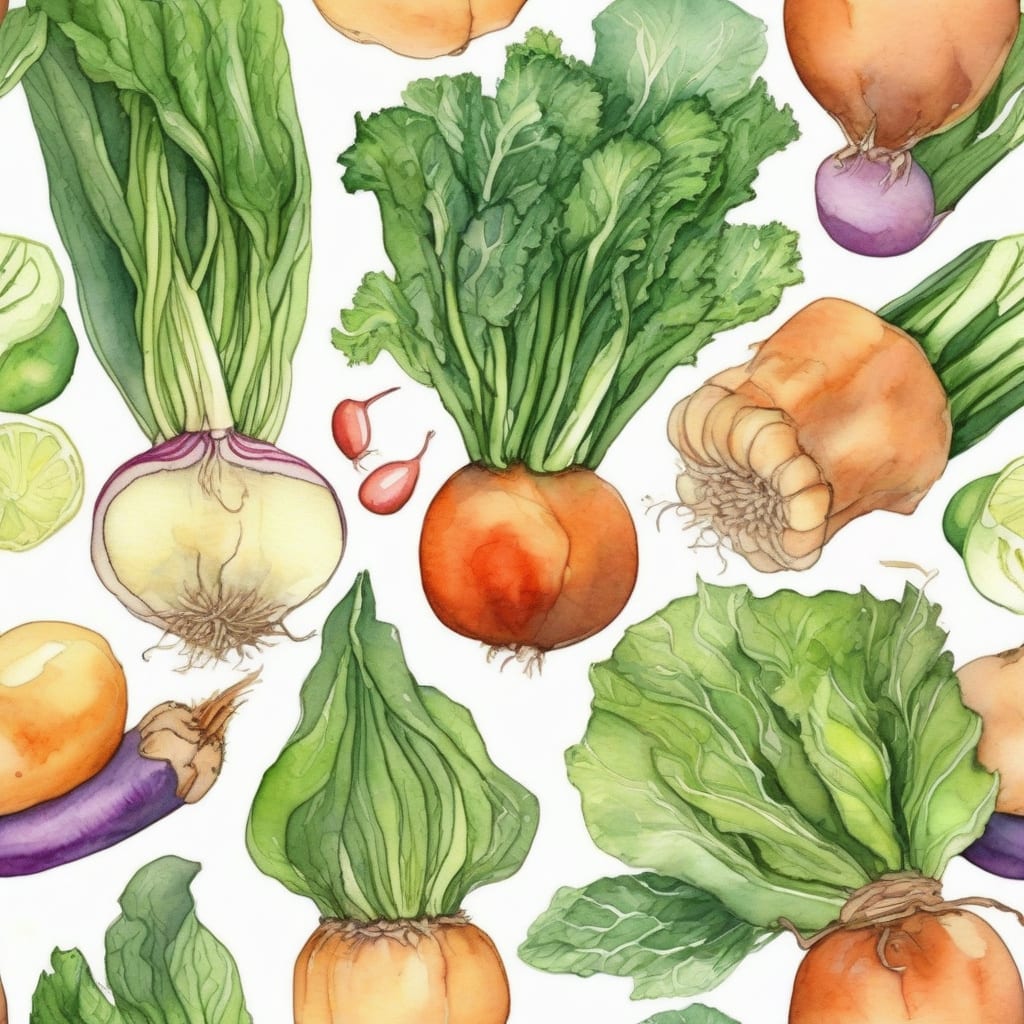
There’s something deeply comforting about pinakbet—the way bitter melon, eggplant, and squash come together in that savory shrimp paste sauce. ✨ I’m sharing the authentic recipe that’s been passed down in Filipino kitchens for generations, perfected to bring restaurant-quality results to your home table.
The secret to incredible pinakbet is layering vegetables by cooking time and using quality bagoong (shrimp paste) that adds that signature umami depth. This isn’t just another vegetable dish—it’s a celebration of Filipino flavors that transforms humble vegetables into something extraordinary.
What you’ll end up with is tender vegetables coated in a rich, savory sauce with pork adding meaty depth to every bite. The bitter melon mellows beautifully, the squash becomes creamy, and everything absorbs those complex fermented flavors that make pinakbet unforgettable.
Ingredients for filipino vegetable
Gather these authentic Filipino ingredients to create the traditional Pinakbet vegetable delight.
| Ingredient | Amount | Notes |
|---|---|---|
| Bagoong 🐟 | 2 tbsp | Shrimp paste, high quality |
| Pork Belly 🥩 | ½ lb | Diced, for added richness |
| Bitter Melon 🍲 | 1 whole | Sliced, seeds removed |
| Eggplant 🍆 | 1 whole | Sliced into rounds |
| Squash 🎃 | 1 cup | Peeled, cubed |
| Tomatoes 🍅 | 2 whole | Diced, fresh or canned |
| Onion 🧅 | 1 whole | Chopped, for sautéing |
| Garlic Cloves 🧄 | 4 cloves | Minced, for flavor |
| Patis 🧂 | 1 tbsp | Fish sauce, for umami |
| Black Pepper 🌶️ | ¼ tsp | Freshly ground, to taste |
| Coconut Oil 🫒 | 2 tbsp | For sautéing, adds richness |
[recipe_ingredient_scaler]
Find bagoong at Asian markets or well-stocked international sections. Look for high-quality brands like 'Golden Bagoong' or 'Pangatnig'. For bitter melon, choose firm ones with minimal blemishes. Fresh squash and eggplant are available at most grocery stores or farmers markets.
If bitter melon is too bitter, blanch it before using. You can substitute calabaza or butternut squash for the squash. For a vegan version, omit the pork belly or replace with tofu. Use fresh tomatoes when in season, or canned for convenience.
Store leftover pinakbet in an airtight container in the fridge for up to 3 days. Reheat gently to preserve the vegetables' texture. Freeze for longer storage—just thaw and reheat when needed.
Step-by-Step Instructions for Filipino Vegetable Delight
Let me guide you through creating this authentic Pinakbet that captures the heart of Filipino home cooking.
🍳 Step 1: Render the Pork Belly and Build Your Flavor Base
Heat the coconut oil in a large wok or deep skillet over medium-high heat until it shimmers. Add the diced pork belly and cook for 8-10 minutes, stirring occasionally, until the pieces turn golden brown and the fat renders out beautifully. You’ll see the pork release its natural oils, creating a rich foundation for your dish.
Once the pork is crispy, reduce heat to medium and add the chopped onion. Sauté for 2-3 minutes until it becomes translucent and fragrant. Then add the minced garlic cloves and cook for 30 seconds until aromatic—watch carefully so the garlic doesn’t burn. This trinity of pork, onion, and garlic creates that unmistakable Filipino flavor profile that makes Pinakbet so special.
👨🍳 Step 2: Add Bagoong and Tomatoes for Authentic Umami
Now comes the signature ingredient that defines Pinakbet. Add the bagoong to the pan and stir it into the pork mixture for 1 minute until it becomes fragrant and slightly caramelized. The shrimp paste will coat everything with its distinctive salty-savory flavor—don’t worry if it smells strong at first, it mellows beautifully as it cooks.
Stir in the diced tomatoes and cook for 3-4 minutes until they break down and release their juices, creating a rich sauce. I like to press down gently on the tomatoes with my spatula to help them soften faster. Add the patis and freshly ground black pepper now, stirring everything together. The sauce should look glossy and coat the back of your spoon.
🥘 Step 3: Layer Your Vegetables for Perfect Texture
Here’s where technique matters—don’t just dump everything in at once. Start by adding the cubed squash first since it takes longest to cook. Arrange it in an even layer over the sauce, then add ¼ cup water to create steam. Cover and cook for 5 minutes until the squash starts to soften but still holds its shape.
Next, layer in the sliced eggplant and sliced bitter melon on top of the squash. Don’t stir yet—traditional Pinakbet is all about gentle layering that preserves the vegetable shapes. Cover again and cook for 8-10 minutes until all vegetables are fork-tender but not mushy. You’ll know they’re ready when a fork slides through easily but the vegetables still maintain their distinct shapes.
⏰ Step 4: Gently Fold and Finish
Remove the lid and carefully fold the vegetables together using a gentle lifting motion—think folding, not stirring aggressively. You want to coat everything in that beautiful bagoong sauce without breaking apart the tender vegetables. Cook uncovered for 2-3 minutes to let any excess liquid evaporate and the flavors concentrate.
Taste and adjust seasoning if needed—some batches of bagoong are saltier than others, so you might want a splash more patis for depth. The finished dish should have vegetables that glisten with sauce, each piece distinct and flavorful. Serve immediately over steamed white rice, letting that rich, savory sauce soak into every grain. This is Filipino comfort food at its absolute finest.
Filipino cuisine is a fusion of different flavors and techniques, and one of its most beloved vegetable dishes is Pinakbet. This hearty stew is a staple in many Filipino households, and its versatility makes it a great canvas for creative twists. 🥗
Variations of Pinakbet
While the traditional recipe calls for a mix of vegetables like eggplant, okra, and bitter melon, you can experiment with other ingredients to give it your own spin. Some popular variations include adding shrimp or pork for extra protein, or substituting some vegetables with their locally available alternatives. You can also adjust the level of spiciness to your taste by adding more or less chili peppers.
- Add mushrooms for an earthy flavor
- Use different types of squash for a sweeter taste
- Throw in some leafy greens like spinach or kale for an nutritional boost
Pinakbet is not just a delicious and healthy option, it’s also a great way to reduce food waste by using up available vegetables. 💡 You can also make it ahead of time and refrigerate or freeze it for later use, making it a convenient option for busy weeknights.
| Ingredient | Substitution |
|---|---|
| Bitter melon | Zucchini or green beans |
| Eggplant | Other varieties of eggplant or okra |
Feel free to get creative and make Pinakbet your own! With its rich flavors and numerous variations, it’s sure to become a staple in your kitchen. 👨🍳
Tips & Tricks for Perfect Filipino Vegetable Delight
These tried-and-tested tips will help you achieve authentic Pinakbet with restaurant-quality results every time.
Bagoong Selection Matters: Not all bagoong is created equal—I prefer bagoong alamang (shrimp paste) over bagoong isda (fish sauce) for Pinakbet’s traditional flavor. Look for a thick, reddish-brown paste rather than watery versions. If your bagoong tastes too salty, rinse it briefly under cold water and pat dry before adding in Step 2. This removes excess salt while preserving that essential umami depth. 💡
Don’t Skip the Layering Technique: When you add vegetables in Step 3, resist the urge to stir everything together immediately. Traditional Pinakbet relies on gentle steaming where each vegetable layer cooks at its own pace. The squash on the bottom absorbs the bagoong sauce while protecting delicate eggplant on top from overcooking. This layering method is what keeps vegetables intact instead of turning mushy.
Bitter Melon Prep Trick: If you find bitter melon too intense, slice it and soak in salted water for 15 minutes before cooking, then rinse and pat dry. This draws out some bitterness while maintaining that characteristic flavor Pinakbet needs. I actually love the bitterness—it balances the rich pork and salty bagoong beautifully—but this trick helps newcomers adjust to the taste.
Make-Ahead Strategy: Pinakbet tastes even better the next day after flavors meld overnight. Store in an airtight container in the refrigerator for up to 3 days. Reheat gently over medium-low heat, adding a tablespoon of water if needed. The vegetables will soften slightly but the flavor intensifies wonderfully. 🔥
Nutrition Facts
185kcal
[recipe_ingredient_scaler]

Trained in classic French technique but raised on slow-cooked ribs and spicy rubs, she blends culinary skill with smoke and soul.
- Recipe for Boneless Pork Chops in Cast Iron Skillet: Sear and Baste to Juicy Perfection - October 3, 2026
- Recipe for Boneless Cross Rib Roast: Slow-Roasted Beef with Herb Crust - October 3, 2026
- Hamburgers in Sauce Recipe Crock Pot: Slow-Cooked Savory Delight - October 3, 2026