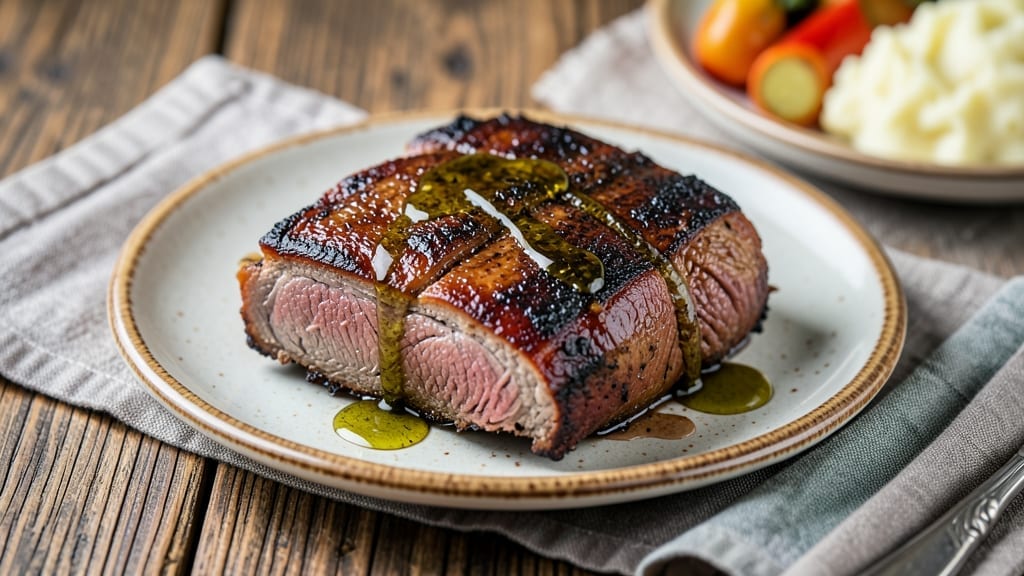
Mastering a slow cooker oven beef brisket transforms tough cuts into melt-in-your-mouth perfection with a crispy crust that rivals barbecue joints. This method combines the convenience of slow cooking with the dramatic finish of oven searing, ensuring every bite delivers both tenderness and texture.
I developed this technique after years of testing—balancing moisture retention with that coveted caramelized exterior.
The process begins with a flavorful marinade that tenderizes the brisket overnight, then transitions seamlessly to slow cooking before finishing in the oven. What sets this apart is the crispy crust, achieved through careful basting and high-heat searing that locks in juices while creating a golden-brown bark.
The result is fall-apart tenderness with a restaurant-quality crust that turns every slice into a showstopper.
Pair this brisket with classic sides like creamy mashed potatoes or tangy pickled onions to complete the meal. The slow cooker handles the heavy lifting while you prepare accompaniments, making this a foolproof method for impressing guests or feeding a crowd.
Each step is designed to maximize flavor and minimize effort—perfect for anyone ready to elevate their brisket game.
Ready in just 6 hours (including marinating), this recipe delivers professional results without requiring constant attention. The key lies in precise timing, temperature control, and the final oven sear that transforms ordinary brisket into something extraordinary. Let’s get started on creating your most tender, crispy-edged brisket yet.
Ingredients for slow cooker beef brisket recipe oven
Six pounds of brisket meets a marinade of sugar, vinegar, and spices for fall-apart tenderness with a restaurant-quality crust.
| Ingredient | Amount | Notes |
|---|---|---|
| Beef Brisket (whole packer cut) 🥩 | 6 lb | Fat cap trimmed to 1/4 inch |
| Brown Sugar 🍚 | ½ cup | Dark, packed |
| Smoked Paprika 🌶️ | 2 tbsp | For crust depth |
| Garlic Powder 🧄 | 2 tbsp | Not garlic salt |
| Onion Powder 🧅 | 2 tbsp | Freshly ground preferred |
| Black Pepper (coarsely ground) 🌶️ | 1 ½ tbsp | Freshly ground preferred |
| Salt (Diamond Crystal kosher) 🧂 | 2 tbsp | Fine grain preferred |
| Apple Cider Vinegar 🍎 | ¼ cup | For tenderizing |
| Beef Broth (low-sodium) 🥣 | 2 cups | Homemade preferred |
| Butter (unsalted) 🧈 | ½ cup | For basting |
| Balsamic Vinegar 🍇 | 2 tbsp | For glaze richness |
| Honey 🍯 | 2 tbsp | For caramelization |
| Mustard Powder 🍯 | 1 tbsp | For depth of flavor |
| Dry Mustard 🌿 | 1 tbsp | For texture contrast |
[recipe_ingredient_scaler]
The brisket is the star, and quality matters. Opt for whole packer cuts from butcher shops—look for even marbling and a fat cap no thicker than 1/4 inch. Costco’s premium beef or local meat markets with dry-aging programs deliver superior results. Trim excess fat against the grain for even cooking, and always pat the surface dry before applying the marinade. The fat cap should be 1/4 inch max—any thicker risks uneven browning during the final sear.
No apple cider vinegar? White vinegar with 1 tbsp sugar mimics the tenderizing effect. Mustard powder and dry mustard can be swapped for Dijon mustard paste at 1 tbsp, though texture will differ. For the glaze, reduce balsamic vinegar with 1 tbsp brown sugar if honey is unavailable. Beef broth should be low-sodium—homemade or high-quality store brands like Better Than Bouillon work best. Avoid pre-shredded spices; whole spices ground fresh enhance flavor significantly.
Marinate the brisket overnight in the refrigerator for optimal tenderness, then transfer to the slow cooker. The finished brisket keeps 4 days refrigerated or 3 months frozen. For best results, reheat in a 275°F oven with a splash of broth to maintain moisture. The crust develops best when sliced against the grain—use a sharp knife to ensure clean cuts. Portion into serving trays for elegant presentation, as the crust remains intact when sliced properly.
Why You’ll Love This Recipe
- No Hands, Big Payoff: I love that this recipe lets me set it and forget it for most of the day. After the initial sear and rub prep, I just toss the brisket in the oven at 325°F for 6-7 hours while the rest of the house runs on autopilot. The apple cider vinegar and beef broth do all the tenderizing work, so I’m not babysitting the pot—just checking the temp occasionally.
- Crispy Outside, Creamy Inside: The broiler step at the end is what makes this dish unforgettable. That crispy edge from the smoked paprika and brown sugar rub paired with the buttery glaze? Chef’s kiss. The honey and balsamic vinegar caramelize just enough to balance the richness, while the mustard powders add a subtle tang that keeps it interesting. It’s the kind of texture contrast that makes you go back for seconds.
- Feeds a Crowd (or Your Weeknight): This 6-pound brisket isn’t just for Sunday dinners—it’s my secret weapon for game days, potlucks, or even lazy weeknights when I want leftovers. The recipe keeps beautifully for 4 days in the fridge, and I freeze half for future meals. My family always clears their plates, and I’ve even had coworkers beg for the recipe. It’s that good.
- Budget Beef Hero: Brisket is one of the most flavorful cuts for the price, and this method makes it taste like a restaurant special. The dry rub with smoked paprika and onion powder adds depth without breaking the bank, and the honey and butter glaze feels indulgent but uses pantry staples. Plus, with leftovers, I stretch it into tacos, sandwiches, or even breakfast hash—no waste, just satisfaction.
Step-by-step instructions for slow cooker oven beef brisket
This method delivers melt-in-your-mouth tenderness with a signature crispy crust—no smoker required.
Prepare the Brisket and Rub
Begin by trimming the fat cap of the 6 lb beef brisket to a uniform ¼-inch thickness using a sharp boning knife. This ensures even cooking while preserving moisture. Pat the entire surface dry with paper towels—removing excess moisture is critical for both the dry rub adhesion and crispy crust formation.
In a small bowl, combine the ½ cup brown sugar, 2 tbsp smoked paprika, 2 tbsp garlic powder, 2 tbsp onion powder, 1½ tbsp black pepper, and 2 tbsp salt. Mix thoroughly until the sugar is evenly distributed and the spices form a cohesive paste. This blend creates both the crust and the deep, complex flavor profile. Generously coat the brisket with the rub, pressing firmly so it adheres to every crevice. For best results, let it sit at room temperature for 30 minutes before cooking—this allows the rub to penetrate the meat.
Sear for Crust Development
Preheat your oven to 325°F. Heat a large Dutch oven or heavy oven-safe pot over medium-high heat until very hot. Add the brisket fat-side down and sear undisturbed for 8-10 minutes until a deep golden-brown crust forms. This initial sear locks in juices and creates the foundation for your crispy crust. Flip the brisket and sear the other side for another 6-8 minutes, then transfer it to a plate.
In the same pot, reduce heat to medium and add ¼ cup apple cider vinegar, scraping up any browned bits from the bottom. This deglazing step captures concentrated flavor that will infuse the cooking liquid. Pour in the 2 cups beef broth and bring to a gentle simmer. The vinegar helps tenderize the meat while adding brightness to the sauce.
Slow Cook in the Oven
Return the brisket to the pot, fat-side up, and cover tightly with a lid or heavy-duty foil. Place the pot in the preheated 325°F oven and cook for 6-7 hours until the internal temperature reaches 195-200°F and the meat is fork-tender. This low-and-slow approach breaks down connective tissue while preserving moisture.
Here’s where the magic happens: About 1 hour before the brisket is fully cooked, remove it from the pot and set aside. In a small saucepan, combine the ½ cup butter, 2 tbsp balsamic vinegar, 2 tbsp honey, 1 tbsp mustard powder, and 1 tbsp dry mustard. Warm over low heat until the butter melts and the mixture emulsifies into a glossy glaze. Brush this generously over the brisket, then return it to the pot and continue cooking until done. This glaze adds richness and creates that coveted crispy crust during the final step.
Create the Crispy Crust
Once the brisket reaches 200°F internally, remove it from the pot and place it on a cutting board. Tent loosely with foil and let it rest for 15 minutes. Preheat your broiler to high while the brisket rests.
Transfer the brisket to a broiler-safe pan and place it 3 inches from the heat source. Broil for 5-7 minutes until the surface develops a deep mahogany crust with caramelized edges. Watch closely—this happens quickly, and you want even browning without burning. The residual heat from the brisket combined with the broiler creates that perfect crispy texture.
Rest and Slice
Remove the brisket from the broiler and let it rest for an additional 15-20 minutes before slicing. This resting period allows juices to redistribute throughout the meat, ensuring each slice is moist and flavorful. The crust will remain crispy while the interior stays impossibly tender.
Using a sharp carving knife, slice the brisket against the grain into ¼-inch thick pieces. The grain runs diagonally across the flat and point, so adjust your angle accordingly. Serve immediately with the reduced cooking juices spooned over the top for maximum flavor impact. Each bite should deliver perfect contrast—crispy crust giving way to melt-in-your-mouth tenderness.
Pro Tips For Making Slow Cooker Beef Brisket Recipe Oven
- Trim That Fat Evenly: A ¼-inch fat cap isn’t just a suggestion—it’s the difference between even cooking and a greasy mess. Use a sharp boning knife and measure with a ruler if you’re unsure; I learned the hard way when one side rendered into a puddle while the other stayed tough.
- Don’t Skip the Vinegar Deglaze: That ¼ cup apple cider vinegar isn’t just for flavor—it’s scraping up the golden brown bits from the sear that make the sauce sing. Skip it, and you’re missing the umami bomb that ties everything together.
- Glaze Early, Not Late: Brush on the butter-balsamic-honey glaze one hour before the brisket finishes, not at the last second. The residual heat from the oven melts it into the meat, so it caramelizes during the final cook—not just sits there like a sad sauce.
- Broil with a Lid Off: The broiler’s job is to crisp, not steam. Remove the lid or foil completely when broiling—even for 5 minutes—and keep the brisket 3 inches from the heat. Crowd it closer, and you’ll end up with charred edges instead of a perfect crust.
Serving suggestions for this dish
Classic Comfort Sides
Creamy garlic mashed potatoes make the perfect foil for your brisket—their buttery richness soaks up the glaze while balancing the smoky depth.
I use 2 lbs Yukon Gold potatoes boiled in 1 cup whole milk and mashed with ½ cup unsalted butter, ½ cup sour cream, and 3 cloves roasted garlic. The key is keeping them lump-free but still velvety. 🍽️
Tangy Pickled Onions
Quick-pickled red onions add a bright contrast to the rich brisket. Thinly slice 1 large red onion and soak in ½ cup apple cider vinegar, ½ cup water, 1 tbsp sugar, and 1 tsp salt for at least 30 minutes.
Drain before serving—this 10-minute prep transforms your table. The acidity cuts through the fat beautifully.
Crispy Roasted Vegetables
For a healthier side, roast 2 cups Brussels sprouts and 1 red bell pepper with 1 tbsp olive oil, ½ tsp smoked paprika, and ¼ tsp garlic powder at 400°F for 20 minutes.
Toss them with 1 tbsp balsamic glaze right before serving to keep them vibrant. The caramelized edges add texture that complements the brisket’s tenderness.
Buttery Dinner Rolls
A warm baguette or Texas toast is essential for soaking up the juices. Brush 2 rolls with melted 2 tbsp butter mixed with 1 tsp garlic powder and toast in the oven at 375°F for 5 minutes.
The buttery aroma fills the room and adds that homestyle touch—perfect for serving alongside your brisket platter.
Garnish Like a Pro
Finish each plate with a sprinkle of fresh parsley and a drizzle of the reduced cooking juices from the brisket. I also add a few thinly sliced scallions for freshness.
For extra flair, place a small pat of whipped butter on the side—guests can melt it into their brisket slices for an extra layer of richness. This simple touch makes your meal feel restaurant-worthy. ✨
Nutrition facts
Frequently asked questions
Why does this recipe use both a slow cooker and oven?
The slow cooker handles the tenderizing process over 6-7 hours at 325°F, breaking down collagen for melt-in-your-mouth texture. The oven then finishes with that signature crispy crust—achieved through searing and broiling—that you’d normally get from a smoker. This combo gives you restaurant-quality results without constant monitoring.
Can I skip the broiler step for the crispy crust?
While possible, the broiler step is what transforms your brisket from good to great! The high heat in 5-7 minutes creates that coveted mahogany crust. If you skip it, your brisket will still be tender but lack the dramatic texture contrast. For a backup, try a 450°F oven for 10 minutes instead, watching closely to avoid burning.
How do I know when the brisket is done?
Use a meat thermometer to check for 195-200°F internal temperature—this is when the meat becomes fork-tender. The brisket will also pull away easily from the bone when probed. For extra confidence, let it cook 15 minutes past your target temperature, then check again. The resting time after cooking will bring it to perfect serving temperature.
What’s the best way to reheat leftovers?
Place slices in a 275°F oven with a splash of beef broth in a covered dish for 20-30 minutes. This maintains moisture and keeps the crust crispy. Avoid microwaving—it makes the meat dry and ruins the texture. For the best results, serve immediately after reheating.
Can I use a different type of vinegar instead of apple cider?
Apple cider vinegar tenderizes best, but white vinegar with 1 tbsp sugar works in a pinch. The acidity still breaks down fibers, though the flavor will be slightly different. For the glaze, any vinegar works—just adjust sweetness to taste. Consistency matters more than type for the cooking liquid.

Trained in classic French technique but raised on slow-cooked ribs and spicy rubs, she blends culinary skill with smoke and soul.
- Smoked Brisket Recipe: Low and Slow to Fall-Apart Tenderness - November 2, 2026
- Smoked Turkey Breast Recipe: Juicy Pink Center With Crispy Skin Every Time - November 2, 2026
- Leftover Smoked Pulled Pork Chili Recipe: Rustic Flavor Revival in One Pot - November 2, 2026