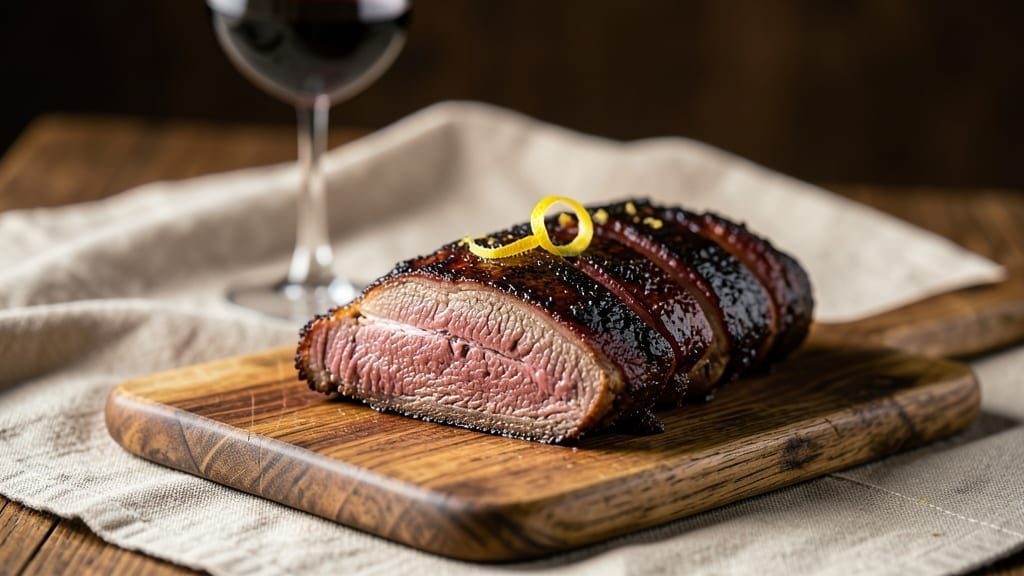
Creating Texas smoked beef brisket in a slow cooker delivers that signature fall-apart tenderness without needing a smoker. The key lies in a bold dry rub—garlic powder, smoked paprika, and brown sugar—that mimics traditional Texas flavors while letting the slow cooker do the heavy lifting.
I’ve perfected this method over years of testing, ensuring every bite stays juicy and rich.
This recipe transforms a tough cut into melt-in-your-mouth perfection through precise seasoning and low-and-slow cooking. The brisket develops a deep, smoky crust while staying tender inside, just like the famous Texas originals. No special equipment is needed beyond a slow cooker, making it accessible for home cooks.
By the end, you’ll have brisket so tender it practically shreds at the touch, ready to be sliced or wrapped in foil for serving. Pair it with classic sides like baked beans or cornbread for a full Texas-style meal.
The slow cooker method preserves all that rich, smoky flavor without the hassle.
Whether you’re feeding a crowd or meal prepping for the week, this brisket delivers restaurant-quality results at home. The technique is foolproof, and the flavor is undeniable—just like a true Texas smoked brisket. Let’s get started!
Ingredients for slow cooker texas smoked beef brisket
A bold dry rub and slow cooker transform tough brisket into restaurant-quality Texas smoked beef.
| Ingredient | Amount | Notes |
|---|---|---|
| Beef Brisket (flat cut) 🥩 | 5 lb | Trimmed of excess fat |
| Brown Sugar 🍚 | ½ cup | Packed, for dry rub |
| Garlic Powder 🧄 | 2 tbsp | Food-grade preferred |
| Smoked Paprika 🌶️ | 2 tbsp | Not sweet paprika |
| Kosher Salt 🧂 | 1 ½ tbsp | Diamond Crystal preferred |
| Black Pepper (coarse) 🌶️ | 1 tbsp | Freshly ground preferred |
| Onion Powder 🧅 | 1 tbsp | For depth of flavor |
| Chicken Broth 🍲 | 2 cups | Low-sodium preferred |
| Apple Cider Vinegar 🍎 | 2 tbsp | For tenderizing |
| Olive Oil 🫒 | 2 tbsp | Extra-virgin for richness |
| Butter (unsalted) 🧈 | 4 tbsp | For basting |
| Fresh Rosemary 🌿 | 1 tbsp | Chopped, for aroma |
[recipe_ingredient_scaler]
The brisket cut matters most—opt for a flat cut (about 1.5–2 inches thick) from a reputable butcher like Whole Foods or Costco, where they trim excess fat professionally. Look for vibrant red color and marbling; avoid pre-cut packages with uneven fat distribution. For the dry rub, smoked paprika is non-negotiable—it’s what gives that authentic Texas smokiness. I always source mine from Penzeys for consistent quality, but even grocery store brands work if they’re fresh. The Diamond Crystal kosher salt ensures even seasoning without overpowering.
No smoked paprika? Substitute 1 tbsp chipotle powder + 1 tbsp regular paprika for heat and smokiness. Brown sugar can be swapped for honey (1/4 cup) to reduce sweetness, though it alters texture slightly. Low-sodium broth is ideal, but regular broth + 1 tsp salt works in a pinch. Fresh rosemary is ideal, but dried rosemary at half the amount keeps the flavor intact. The apple cider vinegar tenderizes—white vinegar works too, but it’s harsher. For extra depth, add 1 tbsp liquid smoke to the broth if you’re feeling adventurous.
Trim the brisket 24 hours before cooking to allow the dry rub to penetrate deeply. Store the raw brisket in the fridge, wrapped in plastic, for up to 5 days. Once cooked, the brisket reheats beautifully—wrap foil-tight and warm in a 250°F oven for 30 minutes. It keeps 4 days refrigerated or 3 months frozen. For meal prep, slice thinly and freeze portions in airtight containers. The dry rub mix? Store in a sealed jar for up to 6 months—it’s perfect for future brisket batches or even chicken rubs.
Why You’ll Love This Recipe
- No-Fuss Feast: That sear in the skillet? Just 3-4 minutes per side. Then it’s all slow cooker magic for 8 hours—while you’re doing anything else. The dry rub with brown sugar and smoked paprika sticks to the meat like glue, so no fussing with sticky gloves or messy hands.
- Smoky-Sweet Payoff: The garlic powder and onion powder give it that Texas-style depth, while the apple cider vinegar keeps it from being too heavy. That crispy bark from the sear? It’s chef’s kiss—crunchy outside, melt-in-your-mouth tender inside. Trust me, the first bite is worth the wait.
- Leftovers That Rule: This makes enough for a crowd, but honestly, it’s even better the next day. Slice it against the grain, toss it in the fridge, and reheat with a splash of that rosemary-butter sauce. My kids beg for leftovers so often, I’ve started calling it “Sunday Surprise”—no planning required.
- Budget’s Best Kept Secret: A 5 lb brisket isn’t cheap, but this recipe stretches it into meals for days. Serve it on sandwiches, in tacos, or even as a pot pie filling. The dry rub costs pennies, and the apple cider vinegar? A pantry staple. For the flavor you get, it’s a steal—especially when you’re feeding a crowd without breaking the bank.
Step-by-step instructions for slow cooker Texas smoked beef brisket
Here’s the method that delivers authentic Texas-style brisket tenderness using just your slow cooker.
Prepare and Season the Beef Brisket
Begin by trimming any remaining excess fat from the 5 lb beef brisket (flat cut) down to about ¼-inch thickness. This ensures even cooking and prevents the meat from becoming greasy. Pat the surface completely dry with paper towels—this step is crucial for developing that signature bark-like crust later.
In a small bowl, combine the ½ cup packed brown sugar, 2 tbsp garlic powder, 2 tbsp smoked paprika, 1½ tbsp kosher salt, 1 tbsp coarse black pepper, and 1 tbsp onion powder. Mix thoroughly until the spices are evenly distributed. Generously coat the entire surface of the brisket with this dry rub, pressing it firmly into the meat so it adheres well. This creates a flavorful crust that will enhance both texture and taste.
Place the seasoned brisket on a wire rack set over a baking sheet and refrigerate uncovered for at least 1 hour. This allows the rub to penetrate deeply and the meat to dry slightly, which is essential for achieving that perfect slow-cooked texture. The longer it rests, the better the results.
Sear the Brisket for Depth of Flavor
Heat 2 tbsp olive oil in a large oven-safe skillet over medium-high heat until shimmering. Add the brisket and sear for 3-4 minutes per side until deeply browned. This step isn’t just about cooking—it’s about developing the Maillard reaction that creates complex flavors and a rich foundation for your slow cooking.
Transfer the seared brisket to your slow cooker, placing it fat-side up. This positioning allows the rendered fat to baste the meat as it cooks, contributing to moisture retention. Pour in the 2 cups low-sodium chicken broth and 2 tbsp apple cider vinegar, which helps tenderize the meat further. The vinegar also adds a subtle tang that complements the smoky spices.
Cover the slow cooker and cook on low heat for 8 hours. This long, gentle cooking time is what transforms the tough brisket into tender, pull-apart perfection. Avoid the temptation to peek or stir—the steady, undisturbed cooking process is key to achieving even doneness throughout.
Finish with Butter and Rosemary for Richness
After 8 hours of cooking, carefully remove the brisket from the slow cooker and transfer it to a cutting board. Tent loosely with aluminum foil and let it rest for at least 1 hour. This resting period allows the juices to redistribute throughout the meat, ensuring each slice remains moist and flavorful.
While the brisket rests, skim any excess fat from the slow cooker and return the liquid to a simmer over medium heat. Add the 4 tbsp unsalted butter and 1 tbsp chopped fresh rosemary, stirring until the butter melts completely and the mixture becomes fragrant. This step enhances the sauce with aromatic richness and a touch of herbal brightness.
Slice the brisket against the grain into ¼-inch thick pieces and serve immediately with the rosemary-infused sauce spooned over the top. The result should be fork-tender meat that falls apart with minimal effort, infused with deep smoky and savory flavors from the dry rub and slow cooking process.
Pro Tips For Making Slow Cooker Texas Smoked Beef Brisket
- Trim That Fat: Cut the brisket’s fat down to a razor-thin ¼-inch layer—any thicker, and you’ll end up with greasy, uneven cooking instead of that crispy, smoky crust. I used to leave it too thick, and the slow cooker turned my brisket into a soggy mess.
- Salt the Night Before: If you can, coat the brisket with the kosher salt and smoked paprika mix at least 12 hours before cooking. The salt breaks down the meat fibers overnight, making it tender without overworking it—no one wants dry brisket, even if it’s slow-cooked.
- Don’t Rush the Sear: That 3-4 minutes per side on high heat isn’t optional—it’s where the flavor happens. Skimp, and you’ll miss the Maillard reaction that gives your brisket that deep, caramelized kick. (Yes, it means your pan will be hotter than a Texas summer, but trust me.)
- Rest Like Your Life Depends on It: The 1-hour rest isn’t just a suggestion—it’s the difference between juicy slices and a sad, stringy pile. Cover it loosely with foil and let it chill while you finish the sauce. (I know, waiting is hard, but your guests won’t even notice you did anything.)
Troubleshooting perfect results
Undercooked Brisket Fix
If your brisket isn’t tender enough after 8 hours, it’s likely undercooked. The internal temperature should reach 195-203°F for fall-apart texture. Return the brisket to the slow cooker with 1 cup extra broth and cook on low for another 2-3 hours.
I’ve found that adding a splash of apple cider vinegar helps break down tough fibers—just pour 1 tbsp over the meat during the extra cooking time. 🔥
Dry or Crumbly Texture
A dry brisket often means the meat wasn’t basted properly during cooking. After searing, place the brisket fat-side down in the slow cooker to melt the fat and baste the meat.
If it’s already dry, wrap it tightly in aluminum foil and return it to the slow cooker with 1 cup warm broth for 1 hour on low. This helps rehydrate the meat without overcooking. I always check the fat layer—it should render evenly, not pool at the bottom.
Uneven Seasoning
If some areas taste bland while others are overly salty, the dry rub may not have adhered evenly. Before cooking, pat the brisket dry again and reapply the seasoning, pressing it firmly into the meat.
For extra cling, mix 1 tbsp cornstarch into your dry rub—it helps the spices stick better. I also recommend using a fine-mesh sieve to dust the spices evenly over the meat before pressing them in.
Overly Sweet Taste
The brown sugar in the rub can sometimes dominate the flavor. If your brisket tastes too sweet, reduce the amount to ¼ cup next time and increase the smoked paprika to 3 tbsp for more depth.
Alternatively, balance the sweetness by adding 1 tsp liquid smoke to the broth during cooking. This cuts through the sugar while enhancing the smoky Texas flavor profile. Honestly, I’ve had to adjust this balance more than once!
Slow Cooker Overflows
If your brisket releases too much fat and overflows, use a slow cooker with a spill-proof lid or line the bottom with a wire rack.
For a quick fix, skim the excess fat with a spoon and transfer it to a small bowl—it’s great for making gravy or pan drippings later. I always keep a fat separator handy for this exact reason; it’s a game-changer for cleanup.
Sauce Too Thin or Too Thick
The rosemary-infused sauce can turn out watery if the broth is too diluted, or too thick if the fat isn’t skimmed properly. For a balanced sauce, skim all but 1 tbsp fat from the slow cooker before adding the butter.
If it’s too thin, simmer it longer over medium heat until it reduces slightly. Too thick? Add 2 tbsp warm broth and stir until smooth. I’ve learned to taste as I go—this step makes all the difference! ✨
Nutrition facts
Frequently asked questions
Why does the brisket need to rest before slicing?
The 1-hour rest after cooking is critical—it lets the juices redistribute throughout the meat. Slicing too soon causes them to spill out, leaving you with dry, flavorless pieces. This step ensures every bite is moist and tender, just like a true Texas smoked brisket.
Can I use a different type of vinegar besides apple cider?
Yes, but results vary! White vinegar works for tenderizing, though it’s harsher. For a milder tang, try balsamic vinegar (use 1 tbsp instead). Avoid citrus vinegars—they can alter the final flavor. The apple cider vinegar adds subtle sweetness that complements the smoky spices beautifully.
What if my slow cooker doesn’t have enough space for the brisket?
No problem! Cook the brisket in two batches if needed, but keep the low heat and 8-hour rule. For extra tenderness, add 1 cup extra broth to the second batch. Just ensure the brisket stays submerged in liquid. This method works for smaller slow cookers too—just adjust the liquid levels.
How do I know when the brisket is done?
Use a meat thermometer! The internal temperature should reach 195-203°F for fall-apart tenderness. Press the tip into the thickest part—don’t touch the bone. If it’s below 195°F, return it to the slow cooker with 1 cup broth and cook another 1-2 hours. Patience pays off for that perfect texture!

Trained in classic French technique but raised on slow-cooked ribs and spicy rubs, she blends culinary skill with smoke and soul.
- Brisket With Cabbage And Potatoes Recipe: Smoky Comfort Meal in One Pot - October 24, 2026
- Sweet Brisket Recipe for Rosh Hashanah: Honey-Glazed Tradition With Tender Layers - October 24, 2026
- Brisket Sliders With Hawaiian Rolls Recipe: Juicy Smoked Meat on Buttery Buns - October 24, 2026