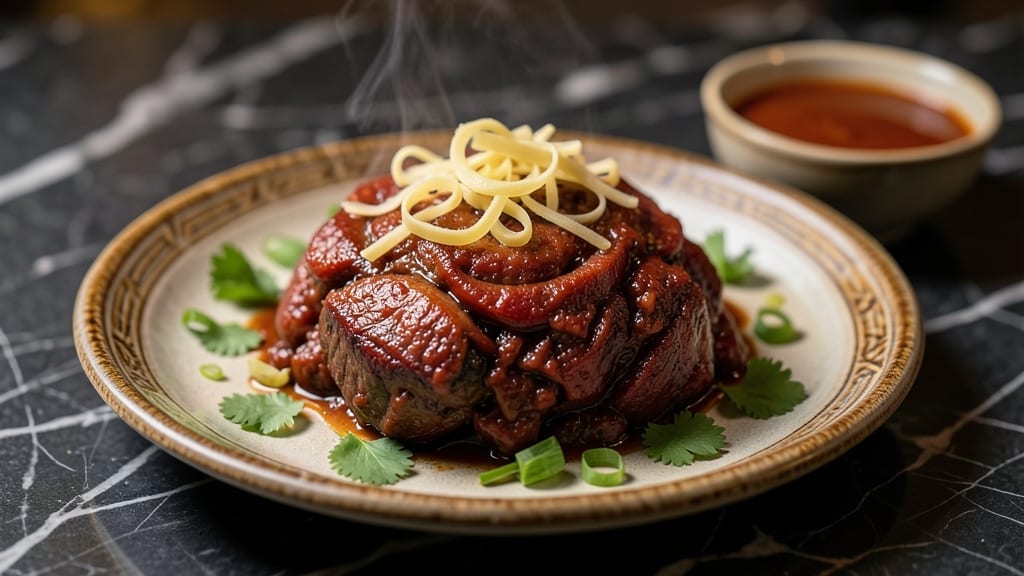
Transforming tough beef into melt-in-your-mouth barbacoa requires patience and precision—this slow-smoked method delivers restaurant-quality results at home. The secret lies in selecting the right cut, like beef head or brisket, and letting low-and-slow smoking work its magic over hours.
I’ve perfected this technique after countless trials, ensuring every bite is tender with deep, smoky flavor. This isn’t just a recipe; it’s a tradition that turns simple ingredients into something extraordinary.
What sets this barbacoa apart is the balance of bold spices—a dry rub of garlic, cumin, oregano, and bay leaves that clings to the meat as it smokes.
Traditional methods use mesquite or oak wood, infusing the beef with authentic, earthy notes that pair perfectly with warm tortillas and fresh salsa. The key is maintaining a consistent temperature of around 225°F, allowing the collagen to break down slowly for that signature tenderness.
This process transforms even the toughest cuts into succulent, shreddable perfection.
The result is beef so tender it nearly falls apart, infused with smoky depth and a crust that’s crisp yet flavorful. Serve it on warm corn tortillas with pickled onions, cilantro, and lime for a meal that feels like a celebration.
The aroma alone will draw everyone to the table, and the first bite delivers on that promise of slow-cooked magic. Whether you’re hosting a gathering or treating yourself, this barbacoa is worth every minute of wait.
For those new to smoking, don’t let the process intimidate you—this method is designed to be approachable, with clear steps to ensure success. From selecting the right wood to monitoring the temperature, I’ll guide you through each stage so you can achieve professional results without the guesswork.
Once you master this technique, you’ll never settle for anything less than homemade barbacoa again.
Ingredients for smoked beef barbacoa
A few bold spices and hours of patience transform tough beef into restaurant-quality barbacoa.
| Ingredient | Amount | Notes |
|---|---|---|
| Beef Brisket 🥩 | 4 lb | Whole packer cut, fat cap intact |
| Garlic Cloves 🧄 | 8 cloves | Peeled, smashed for rub adhesion |
| Ground Cumin 🌿 | 2 tbsp | Toasted for deeper aroma |
| Dried Oregano 🍃 | 1 ½ tbsp | Mexican oregano preferred |
| Bay Leaves 🌿 | 4 whole | Fresh or high-quality dried |
| Ground Black Pepper 🌶️ | 1 ½ tbsp | Freshly cracked preferred |
| Kosher Salt 🧂 | 1 ½ tbsp | Diamond Crystal preferred |
| Smoked Paprika 🌶️ | 1 tbsp | High-quality for authentic flavor |
| Orange Zest 🍊 | 1 tbsp | Freshly grated, bright flavor |
| Mesquite Wood Chips 🌳 | 2 cups | Or oak for traditional smoke |
| Beef Broth 💧 | 1 cup | Low-sodium, for moisture |
| Dark Brown Sugar 🍯 | 2 tbsp | Enhances caramelization |
| Lime Juice 🍋 | ½ cup | Freshly squeezed, for brightness |
[recipe_ingredient_scaler]
The beef cut is everything here—beef brisket with its thick fat cap is ideal, but beef head or chuck roast work too. Look for well-marbled cuts at your butcher or Costco’s bulk section—the fat renders down beautifully during smoking. If you can’t find brisket, point-cut beef (the shoulder cut) is a great alternative. Just ask for it pre-trimmed to save time. For the spices, Penzeys or Mexican markets carry authentic Mexican oregano and smoked paprika that elevate the flavor beyond standard grocery store options. The bay leaves add depth, so don’t skimp—fresh is best, but high-quality dried works too.
No mesquite wood? Oak chips are the traditional backup, but hickory adds a stronger smokiness if you’re feeling adventurous. The orange zest might seem unusual, but it cuts through the richness—substitute with 1 tsp of orange extract if you’re in a pinch. For the cumin, toast it in a dry pan for 1 minute before grinding to release its aroma. The beef broth should be low-sodium—you’re adding salt separately. If you’re short on time, bottled adobo sauce (from canned chipotles) can replace the lime juice and add smoky heat. Just use half the amount of lime juice called for and reduce the smoked paprika by 1 tsp.
This isn’t a recipe you’ll want to rush—plan for 8-12 hours of smoking time at 225°F. The beef keeps beautifully in the fridge for 5-6 days if wrapped tightly in butcher paper, and it actually tastes better after a day of resting. For leftovers, freeze in portions for up to 3 months. The best part? The aroma alone will have your whole house (and neighborhood) craving it. Serve it on warm tortillas with pickled red onions, cilantro, and lime wedges—trust me, the presentation matters as much as the flavor.
Why You’ll Love This Recipe
- Here’s what sold me: this barbacoa improves after a day or two. Wrap it tightly in butcher paper, and it’ll keep for 5-6 days in the fridge—actually better the second time around. I’ve made tacos, quesadillas, and even loaded baked potatoes with it. My kids even sneak slices into their lunches. And if you freeze portions? Up to 3 months. That’s a whole month’s worth of “I didn’t cook” meals.
- Smoke-Free Weeknights: Honestly, this isn’t your typical weekend project—it’s the kind of dish that actually works on a Tuesday night. I’ll admit, smoking takes time, but once you’ve got your smoker dialed in, it’s basically hands-off magic. Just set it to 225°F, toss on those mesquite wood chips, and let the brisket do its thing for 8-9 hours total. The only real effort is slapping on that spice rub (with smashed garlic cloves and bay leaves—trust me, it sticks better) and resisting the urge to open the smoker lid. That’s it.
- Tender with a Kick: The lime juice and dark brown sugar combo at the end? Chef’s kiss. You get this perfect balance—deep, smoky richness from the mesquite and smoked paprika, but the bright citrus and caramelized notes keep it from tasting heavy. And that bark? The crispy, mahogany crust is non-negotiable. It’s the kind of dish where every bite is a revelation, especially when you slice it against the grain for that melt-in-your-mouth texture.
- Leftovers That Outshine the Main: Here’s what sold me: this barbacoa improves after a day or two. Wrap it tightly in butcher paper, and it’ll keep for 5-6 days in the fridge—actually better the second time around. I’ve made tacos, quesadillas, and even loaded baked potatoes with it. My kids even sneak slices into their lunches. And if you freeze portions? Up to 3 months. That’s a whole month’s worth of “I didn’t cook” meals.
Step-by-step instructions for smoked beef barbacoa
Here’s how to transform tough brisket into tender, smoky barbacoa with a perfect balance of spices and acidity.
Prepare the Signature Spice Rub
In a medium bowl, combine the 2 tablespoons ground cumin, 1½ tablespoons dried oregano, 1½ tablespoons ground black pepper, 1½ tablespoons kosher salt, 1 tablespoon smoked paprika, and 1 tablespoon orange zest. Mix thoroughly with your hands or a fork until the spices are evenly distributed and the orange zest is fully incorporated. The toasted cumin will release its deep aroma as you work it into the mixture.
Add the 8 peeled garlic cloves and 4 bay leaves to the spice blend, then crush the garlic with your fingers until it forms a coarse paste. This helps the rub adhere better to the meat. The bay leaves will infuse subtle earthy notes as they cook. Store the rub in an airtight container until ready to use—it keeps well for up to 2 weeks.
Season and Smoke the Brisket Low and Slow
Pat the 4-pound beef brisket dry with paper towels, removing any excess moisture from the surface. This step is critical for developing that signature crispy bark. Generously coat the brisket with the spice rub, pressing it firmly into all sides, including the fat cap. The fat will render during smoking, basting the meat and creating rich flavor.
Set up your smoker using the 2 cups mesquite wood chips, aiming for a temperature of 225°F. Place the brisket fat-side up on the smoker grates and close the lid. Smoke the brisket undisturbed for 6 hours, resisting the urge to peek. This low-and-slow approach breaks down the connective tissue, transforming tough meat into tender barbacoa. You’ll know it’s ready when the internal temperature reaches 165°F and the bark is deep mahogany in color.
Add Moisture and Finish with Acidic Brightness
Once the brisket reaches 165°F, remove it from the smoker and wrap it tightly in butcher paper (not foil). Return it to the smoker and continue cooking until the internal temperature reaches 200-203°F, about 2-3 additional hours. This wrapping technique, known as the “Texas crutch,” helps the meat push through the stall while maintaining that beautiful bark.
In a small saucepan, combine the 1 cup beef broth, 2 tablespoons dark brown sugar, and ½ cup lime juice. Bring to a simmer over medium heat, stirring until the sugar dissolves completely. The lime juice adds a bright, tangy contrast to the rich, smoky flavors of the barbacoa. Once the brisket reaches the target temperature, brush it generously with this mixture and let it rest for 1 hour before slicing.
Rest and Serve the Barbacoa
Transfer the brisket to a cutting board and tent loosely with foil. Let it rest for at least 1 hour—this allows the juices to redistribute throughout the meat, ensuring each slice is moist and flavorful. The resting period also makes the meat easier to slice, preventing it from falling apart.
Slice the barbacoa against the grain into ¼-inch thick pieces. The result should be tender, juicy meat with a deep mahogany bark and a bright, citrusy finish from the lime juice. Serve immediately with warm tortillas, pickled onions, and cilantro-lime rice for the full barbacoa experience.
Pro Tips For Making Smoked Beef Barbacoa
- Toast That Cumin: I learned this the hard way—skipping the toasted cumin means missing that deep, nutty aroma that ties the whole dish together. Dry-toast the 2 tbsp ground cumin in a skillet over medium-low heat for 2-3 minutes, stirring constantly until it smells rich and earthy. Let it cool completely before mixing into the rub—hot spices will cook out faster and lose flavor.
- Don’t Rush the Garlic Crush: The 8 cloves garlic in this recipe aren’t just flavor—they’re the glue for the rub. Smash them with your fingers (not a knife) until they form a coarse paste, then work them into the spices. I used to chop them finely, and the rub would slide off the brisket like rain on a greased sidewalk. Messy? Yes. Worth it? Absolutely.
- Resist the Stall Peek: The 6-hour smoke at 225°F is non-negotiable, but opening the lid early to check the temp is a rookie move. Every time you peek, you drop the temperature and extend cooking time. Trust the thermometer—only pull the brisket when it hits 165°F internal, even if the bark isn’t perfect yet. Patience here makes the difference between tough and tender.
- Wrap in Butcher Paper: I know foil is easier, but wrapping the brisket in butcher paper after the first smoke (when it hits 165°F) lets the bark stay crisp while the meat tenderizes. The paper also lets moisture escape just enough to prevent sogginess. Skip this, and you’ll end up with a sad, steamy brick of beef. (Your future self will thank you.)
Common mistakes when making this dish
Skipping the Dry Rub
One of the most common mistakes is skipping the dry rub entirely or using it too lightly. The garlic, cumin, smoked paprika, and bay leaves create that signature flavor depth. I’ve seen people try to shortcut this by just slathering on lime juice or broth—don’t!
The rub clings to the meat during smoking, developing a crispy bark and infusing every bite. If you’re in a hurry, at least press the spices into the meat before smoking, but don’t skip them altogether.
Ignoring the Fat Cap
Many home smokers make the mistake of trimming too much fat from the brisket, thinking it’s unhealthy. The fat cap is your friend—it renders during smoking, basting the meat and creating that juicy, flavorful result.
Trim only the excess fat around the edges, but leave the cap intact. If you remove it, you’ll end up with dry, tough meat instead of tender barbacoa. 🔥
Peeking Too Often
Resisting the urge to open the smoker lid is critical, but beginners often can’t help themselves. Every time you open the lid, you lose 25-30°F of temperature and let precious smoke escape. The first 6 hours are the most important—keep that lid closed!
I’ve learned to set a timer and ignore it until the cooking phase is complete. Patience is key to that perfect bark and tender meat.
Using the Wrong Wood
Mesquite and oak are the traditional choices for barbacoa, but some smokers reach for fruitwoods or hickory without thinking. Fruitwoods add sweetness that can overpower the spices, while hickory’s strong flavor might clash with the citrusy finish.
Stick to mesquite for bold smokiness or oak for a more traditional taste. If you’re unsure, start with oak—it’s the most forgiving option for beginners.
Rushing the Cooking Process
Barbacoa isn’t a dish you can rush, yet many people pull the meat out too early because they’re anxious. The Texas crutch (wrapping in butcher paper) is essential after 165°F internal temperature to help the meat push through the stall.
Skipping this step means you’ll end up with dry meat instead of the tender, juicy result you’re aiming for. Trust the process—it takes 8-12 hours for a reason!
Skipping the Resting Time
The final mistake is slicing into the barbacoa immediately after removing it from the smoker. Always let it rest for at least 1 hour after reaching 203°F. This allows the juices to redistribute, ensuring every slice is moist and flavorful.
I’ve sliced too soon and ended up with dry, stringy meat—don’t make that same mistake! Resting is what separates good barbacoa from great barbacoa. 💫
Nutrition facts
Frequently asked questions
Why does the recipe specify using beef brisket instead of other cuts?
The beef brisket with its thick fat cap is ideal because the fat renders beautifully during smoking, creating juicy, flavorful meat. While other cuts like chuck roast can work, brisket delivers the most tender, melt-in-your-mouth texture when cooked low and slow at 225°F for hours. The fat cap also helps develop that signature crispy bark!
Can I substitute mesquite wood chips with another type of wood?
Yes, but stick to oak for a traditional taste or hickory for extra smokiness—both pair well with the spices. Avoid fruitwoods like cherry or apple, as they add sweetness that can overpower the dish. Mesquite is bold, so if you’re new to smoking, oak is the most forgiving option.
What’s the best way to check if the barbacoa is fully cooked?
Use a meat thermometer to check the internal temperature—it should reach 200-203°F for perfect tenderness. The bark should also be deep mahogany, not pale or dry. If unsure, wait until the thermometer confirms the temperature, as cutting too early can result in dry meat. Patience ensures juicy, fall-apart results!
How do I store leftovers to keep them fresh?
Wrap the cooled barbacoa tightly in butcher paper (not foil) and refrigerate for up to 5-6 days. For longer storage, freeze in portions for up to 3 months. The flavor actually improves after resting overnight, so don’t rush to eat it all at once!

Trained in classic French technique but raised on slow-cooked ribs and spicy rubs, she blends culinary skill with smoke and soul.
- Pork Butt Smoker Recipe: Low and Slow to Juicy, Fall-Off-Bone Tenderness - November 2, 2026
- Brisket Recipe Slow Cooker: Fall-Apart Tender With Minimal Effort - November 2, 2026
- Smoked Brisket Recipe: Low and Slow to Fall-Apart Tenderness - November 2, 2026