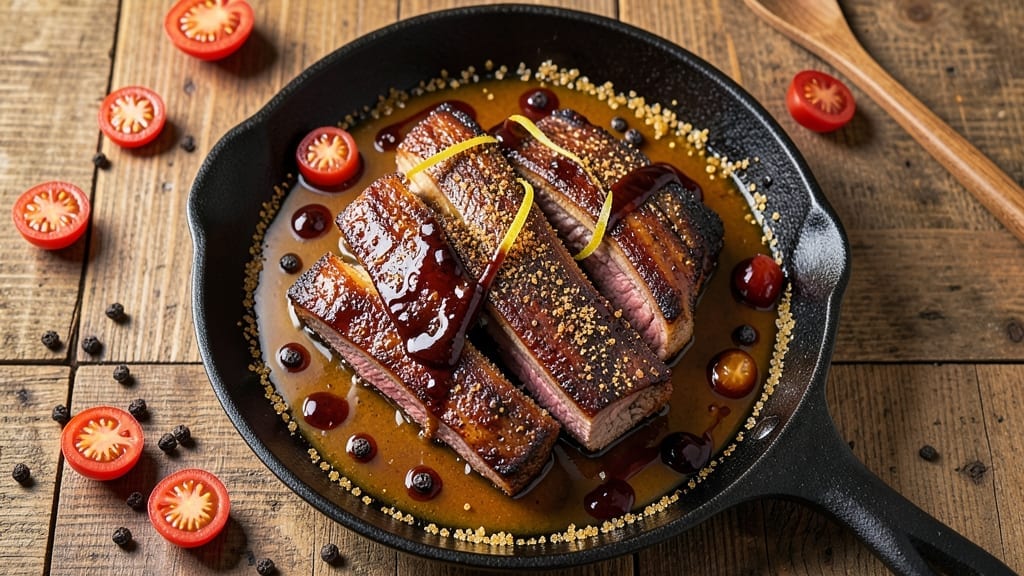
Mastering smoked beef dino ribs transforms tough cuts into melt-in-your-mouth perfection—something I first discovered at my family’s backyard cookout when the hickory smoke turned simple beef into a centerpiece.
The secret lies in low-and-slow patience: five hours of steady smoke at 225°F breaks down collagen until the meat practically falls apart at the touch. This isn’t just a recipe; it’s a method that rewards precision with restaurant-quality results at home.
What sets these ribs apart is the combination of a dry rub for bark and a wet brine for moisture—no soggy meat here. The beef short ribs (bone-in, about 2-3 pounds each) absorb the flavors deeply while the smoke infuses them with that unmistakable charred sweetness.
You’ll need a reliable smoker, quality wood chips, and a meat thermometer to nail the internal temperature of 195°F to 203°F. Trust me, that’s where the magic happens.
By the time you pull them from the smoker, you’ll have ribs so tender they’ll separate at the slightest pressure, with a glossy bark that crackles with every bite. The aroma alone will have everyone gathering around the table, and the first forkful will silence any doubts about slow cooking.
Serve with classic sides like tangy coleslaw or smoky baked beans to complete the meal—this is comfort food elevated to an art form.
Whether you’re hosting a weekend gathering or treating yourself to a special dinner, these ribs deliver the kind of satisfaction that only comes from hours spent perfecting a technique.
The key is consistency: temperature, time, and patience. Once you’ve mastered this method, you’ll never settle for anything less than fall-off-the-bone tenderness again.
Ingredients for smoked beef dino ribs
Six pounds of beef ribs, a smoker, and five hours of patience transform tough meat into melt-in-your-mouth perfection.
| Ingredient | Amount | Notes |
|---|---|---|
| Beef Short Ribs (Bone-In) 🥩 | 6 lb | 2-3 lbs each rib, thick-cut preferred |
| Yellow Mustard 🍯 | ½ cup | For brine base, no sugar added |
| Brown Sugar 🍚 | 1 cup | Light or dark, packed |
| Kosher Salt 🧂 | 1 cup | Coarse grain preferred |
| Smoked Paprika 🌶️ | ¼ cup | For deep smoky flavor |
| Ground Black Pepper 🌶️ | 2 tbsp | Freshly cracked for best flavor |
| Garlic Powder 🧄 | 2 tbsp | Not garlic salt |
| Onion Powder 🧅 | 2 tbsp | For depth of flavor |
| Ground Cumin 🌿 | 1 tbsp | Toasted for richer aroma |
| Hickory Wood Chips 🌳 | 2 bags | For authentic BBQ smoke |
| Apple Juice 🍎 | 1 cup | For brine moisture balance |
| Beef Broth 🍲 | 1 cup | Low-sodium preferred |
| Worcestershire Sauce 🍶 | 1 tbsp | For umami depth |
| Olive Oil 🫒 | 2 tbsp | Light coating for ribs |
[recipe_ingredient_scaler]
The ribs are everything here. Look for bone-in beef short ribs—thick-cut, about 2-3 pounds each (the Costco Kirkland Signature brand is my go-to). Avoid ribs with too much fat trim, as it can burn during smoking. If your butcher doesn’t carry them pre-cut, ask for the chuck short ribs section—it’s the same cut, just untrimmed. For the best results, buy them the day you plan to cook—fresh ribs hold up better to the long smoke. The hickory wood chips should be 100% natural, not the pre-soaked kind from the grocery store. Grab a Traeger or Weber brand bag if you’re unsure—those are consistently reliable.
No hickory chips? Pecan or cherry work in a pinch, but hickory is non-negotiable for that classic BBQ flavor. The apple juice in the brine keeps the meat moist, but white grape juice is a great substitute if that’s what you have. Running short on Worcestershire? A splash of soy sauce plus a pinch of sugar mimics the umami kick. The brown sugar in both the brine and rub is crucial—it caramelizes during smoking, creating that beautiful bark. If you’re out of smoked paprika, regular paprika plus a pinch of liquid smoke gets you close, but trust me on the full-fat version. The olive oil is just for coating—don’t skip it, even if it’s just a light drizzle.
These ribs reheat beautifully—wrap them in foil and warm in a 250°F oven for 15 minutes. Store them in the fridge for up to 4 days if you’re not serving immediately, but honestly, they’re best eaten fresh off the smoker. For leftovers, freeze in portions—they keep for 3 months that way. The rub keeps well in an airtight container for up to 6 months, so make extra. I always double the batch—one for dinner, one for sandwiches the next day. The secret to perfect ribs? Patience and a good thermometer—don’t rush the process, even if the bark looks amazing.
Why You’ll Love This Recipe
- Minimal Prep Required: I swear by this one—just slather those beef short ribs with yellow mustard and brown sugar, sprinkle smoked paprika, then let the smoker do the heavy lifting. No chopping, no fussing, just hands-off magic.
- Sweet-Smoky Obsession: That caramelized crust from the brown sugar? It’s ridiculous—crispy edges with tender beef falling off the bone, all while the smoked paprika adds this deep, woodsy warmth. My husband steals ribs straight from the smoker.
- Weeknight or Weekend Star: Between us, this recipe works for both: toss it on the smoker for a lazy Friday night, or double the batch for a Sunday family feast. The leftovers? Even better the next day—perfect for sandwiches or tacos.
- Budget-Friendly Feast: Beef short ribs are cheaper than you think, and this recipe stretches them far. Honestly, I’ve fed six people for under $20, and everyone leaves happy. Plus, the flavors get richer as they sit—so you’re basically getting two meals for the price of one.
Step-by-step instructions for smoked beef short ribs
Here’s how to transform tough beef ribs into melt-in-your-mouth perfection using just your smoker.
Prepare the Dry Rub and Brine
In a large bowl, combine the 1 cup kosher salt, 1 cup brown sugar, 0.25 cup smoked paprika, 2 tablespoons ground black pepper, 2 tablespoons garlic powder, 2 tablespoons onion powder, and 1 tablespoon ground cumin. Mix thoroughly until evenly distributed – you want every particle of spice coated in sugar for maximum adhesion. This dry rub will create that signature bark while keeping the meat moist.
In a separate container, mix the 0.5 cup yellow mustard, 1 cup apple juice, and 1 tablespoon Worcestershire sauce. This brine helps tenderize the meat and adds moisture during the long smoke. Pat the 6 lb beef short ribs dry with paper towels before applying – any moisture on the surface will prevent the rub from sticking properly. Apply the dry rub generously to all sides of the ribs, pressing it into the meat so it adheres well. Then brush the mustard mixture evenly over the ribs, coating them completely.
Set Up Your Smoker for Low and Slow Cooking
Soak the 2 bags hickory wood chips in water for 30 minutes before using – this helps create steady, flavorful smoke without flare-ups. Set your smoker to 225°F and allow it to preheat for at least 30 minutes before adding the ribs. The ribs should go in fat-side up to protect the meat during the long cook. Place a water pan in the smoker to maintain moisture and prevent the ribs from drying out.
Here’s the thing – you want to see clean, blue smoke coming from the smoker, not thick white smoke. If you notice thick white smoke, your wood chips might be too green or your smoker might need more time to heat up. The ribs will smoke for about 5 hours, but don’t rush this process. The low temperature breaks down collagen in the meat, transforming tough connective tissue into gelatin that makes the ribs tender. Check the temperature occasionally, adjusting as needed to maintain that 225°F range.
Monitor and Wrap for Maximum Tenderness
After about 3 hours of smoking, the ribs will hit “the stall” – a point where the internal temperature stops rising. This is normal and happens when moisture evaporates from the meat. When the internal temperature reaches 165-170°F, it’s time to wrap the ribs. I use butcher paper for wrapping because it allows the ribs to breathe slightly while still trapping steam. This technique, known as the “Texas crutch,” helps push the ribs through the stall while maintaining that beautiful bark.
Place the ribs on a sheet of butcher paper, add 1 cup beef broth to the pan, and then wrap the ribs tightly. Return them to the smoker and continue cooking. The ribs are done when they reach an internal temperature of 200-205°F and a probe slides in like butter. This usually takes another 2-3 hours after wrapping. Real talk – don’t be tempted to cut into them early. The ribs need that final resting period to become truly tender.
Rest and Serve for Perfect Texture
Once the ribs reach the perfect internal temperature, remove them from the smoker and let them rest for at least 1 hour before serving. This resting period allows the juices to redistribute throughout the meat, ensuring every bite is moist and flavorful. I like to wrap the ribs in foil and place them in a cooler during this time – it helps maintain the heat and keeps everything juicy.
When you’re ready to serve, slice the ribs between the bones and serve with any accumulated juices from the pan. The ribs should be so tender they practically fall apart with gentle pressure. Each bite should deliver that perfect balance of smoky, sweet, and savory flavors with a beautiful mahogany bark on the outside. Serve with classic BBQ sides like coleslaw or cornbread to complete the meal.
Pro Tips For Making Smoked Beef Dino Ribs
- Trim the Fat First: Cut the silver skin and excess fat from the ribs before smoking—it renders faster and keeps your smoker from filling with grease. I learned this the hard way after cleaning three trays of drippings off my grill’s floor.
- Start with a Hot Smoke: Hit 275°F (135°C) right away—this sears the exterior while the interior stays tender. I used to linger at 225°F, and the ribs always ended up dry by the time they hit the stall.
- Mustard Barrier Matters: Slather the ribs with yellow mustard before applying the dry rub—it creates a sticky layer that locks in moisture and helps the brown sugar caramelize evenly. Skip it, and you’ll end up with a sugar crust that burns before it crisps.
- Wrap at 160°F: Once the ribs hit 160°F (71°C), wrap them in butcher paper or foil with a splash of apple juice—this breaks the stall and speeds up cooking without turning them mushy. I used to wait until 180°F, and they’d always lose that perfect tenderness.
Make-ahead tips for this smoked beef dino ribs
Prep Ahead for Smoking
Start your prep the night before to save time on cook day. Mix the dry rub ingredients in an airtight container and store in the fridge—it’ll be ready to apply first thing in the morning.
I like to prep the mustard brine too, keeping it refrigerated until I’m ready to coat the ribs. The ribs themselves can sit in the fridge, unwrapped, for up to 24 hours before smoking, but I find they’re best when prepped and smoked the same day for maximum tenderness. 🌶️
Smoke in Stages
If you’re short on time, you can smoke the ribs for 3 hours at 225°F, then wrap them and refrigerate overnight. The next day, finish them in the smoker until they reach 200°F internal temperature.
This two-stage approach gives you the same fall-off-the-bone texture without requiring a full day at the smoker. Just make sure to let them rest before serving!
Freezer-Friendly Prep
Make a double batch of the dry rub and freeze half in an airtight container for your next project. The ribs themselves can be prepped with the rub and brine, then frozen raw in a vacuum-sealed bag for up to 3 months.
When ready to cook, thaw them in the fridge overnight and smoke as directed. This is a lifesaver for busy weekends or holiday gatherings!
Leftovers Strategy
Ribs reheat beautifully, but the key is doing it right. Wrap leftover ribs in foil and warm in a 250°F oven for 15-20 minutes until heated through. For sandwiches, shred the ribs and mix with a little of the pan juices—this keeps them moist.
Store leftovers in the fridge for up to 4 days or freeze for 3 months in airtight containers. 💡
Smoke While You Sleep
Set your smoker to 225°F before bed, add the ribs, and let them smoke overnight. The ribs will be perfect by morning—just check the internal temperature and finish them if needed.
This is my favorite trick for lazy Sunday brunches. The slow cook overnight ensures they’re fall-apart tender without any effort from you!
Garnish and Sauce Prep
Make a batch of your favorite BBQ sauce or coleslaw ahead of time and store in the fridge.
I like to keep a jar of homemade sauce on hand—it’s just 1 cup ketchup, ½ cup apple cider vinegar, ¼ cup brown sugar, and 1 tbsp smoked paprika. Simmer it for 10 minutes and let it cool before storing.
Serve the sauce warm for extra depth of flavor. 🍯
Nutrition facts
Frequently asked questions
What makes beef short ribs different from pork ribs?
Beef short ribs (dino ribs) have more connective tissue and fat, requiring a longer smoke time to become tender. Unlike pork ribs, they benefit from the Texas crutch wrapping technique around 165°F to break down collagen. The flavor is richer and beefier, with a deeper umami profile that pairs perfectly with bold rubs.
Can I use an electric smoker instead of charcoal?
Electric smokers work perfectly for these ribs—just maintain a steady 225°F temperature. The key difference is temperature control: electric smokers hold heat better, so you’ll spend less time adjusting. Use hickory chips (or pecan) and add water to a pan for moisture. The bark will be slightly less pronounced than charcoal, but the tenderness remains.
Why do my ribs look dry after smoking?
Over-smoking or skipping the wrap at 165°F causes dryness. The ribs stall around this temp—wrapping them in butcher paper with broth traps steam and pushes them to 200°F without drying out. If they’re already dry, slice them thin, mix with pan juices, and serve over mashed potatoes or cornbread to restore moisture.
How do I store leftover smoked beef ribs?
Wrap ribs tightly in foil and refrigerate for up to 4 days or freeze for 3 months. To reheat, warm in a 250°F oven for 15-20 minutes until steaming. For sandwiches, shred and mix with a splash of beef broth to keep them juicy. Never microwave—it turns ribs rubbery!
What sides pair best with these ribs?
Classic BBQ sides elevate the meal: creamy coleslaw (tangy to cut the richness), smoky baked beans, or buttery cornbread. For a lighter option, try grilled asparagus with lemon zest. The key is balancing textures—crunchy, creamy, and hearty sides complement the fall-apart ribs perfectly.

Trained in classic French technique but raised on slow-cooked ribs and spicy rubs, she blends culinary skill with smoke and soul.
- Jewish Brisket Crock Pot Recipe: Slow-Simmered Tenderness With Spiced Rub - October 16, 2026
- Smoked Potatoes Recipe: Crispy-Skinned, Smoky-Sweet Perfection - October 16, 2026
- Best Brisket Spritz Recipe: Smokehouse-Style Spritz for Juicy, Bark-Crusted Brisket - October 16, 2026