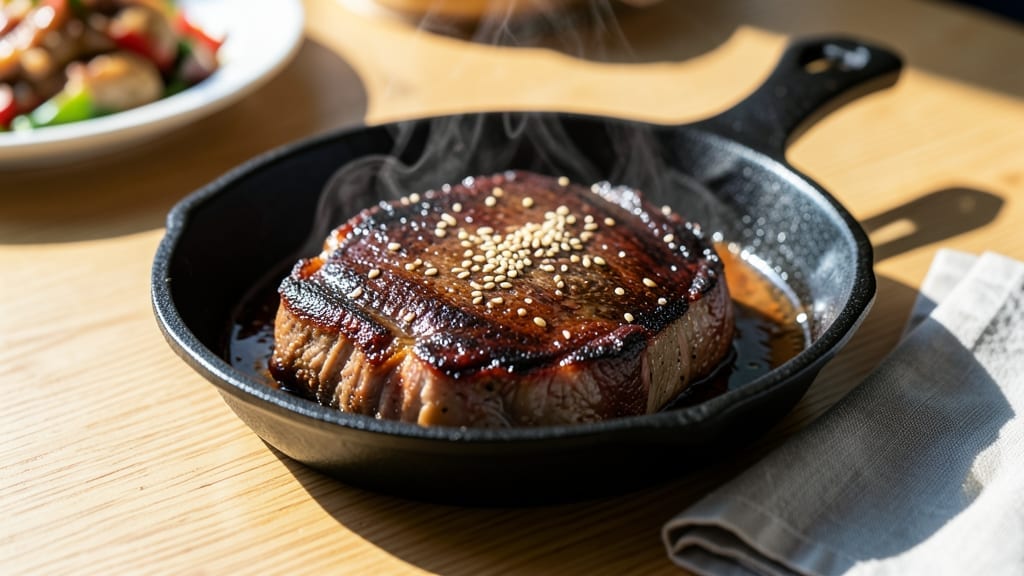
This Jewish brisket crock pot recipe delivers melt-in-your-mouth tenderness that transforms tough cuts into a centerpiece-worthy main dish with minimal effort. The secret lies in a carefully balanced spiced rub—garlic, onion, peppercorns, and bay leaves—that infuses deep, aromatic flavors while the slow cooker does all the work.
After trimming the brisket and searing it for a flavorful crust, you’ll simmer it in a rich liquid of beef broth, tomato paste, and vinegar for 6-8 hours on low heat.
This method ensures the meat becomes fork-tender without drying out, while the spices meld into a harmonious blend that honors traditional Jewish cooking techniques.
By the time it’s done, you’ll have brisket that practically falls apart at the touch, offering layers of savory, smoky, and slightly sweet flavors in every bite. The slow-cooked method preserves moisture, resulting in a dish that’s rich, satisfying, and perfect for feeding a crowd.
Serve it with classic sides like matzo balls, potato salad, or roasted vegetables to complete the meal. The presentation is just as important—slice it thick, garnish with fresh parsley, and pair it with tangy pickles for a balance of flavors that feels both comforting and celebratory.
Ingredients for jewish brisket crock pot
The foundation of this brisket lies in its aromatic rub and slow-simmered richness.
| Ingredient | Amount | Notes |
|---|---|---|
| Beef Brisket 🥩 | 4 lb | Whole packer cut, fat cap trimmed |
| Yellow Onion 🧅 | 1 whole | Large, peeled and quartered |
| Garlic Cloves 🧄 | 8 cloves | Fresh, smashed for aromatic infusion |
| Black Peppercorns 🌶️ | 1 tbsp | Freshly cracked, coarse grind |
| Bay Leaves 🍃 | 2 whole | Dried, standard supermarket quality |
| Ground Cumin 🌿 | 1 tbsp | Toasted for deeper aroma |
| Sweet Paprika 🌶️ | 1 tbsp | Smoked variety for complexity |
| Beef Broth 💧 | 3 cups | Low-sodium, homemade preferred |
| Tomato Paste 🍅 | ½ cup | San Marzano preferred, no additives |
| Apple Cider Vinegar 🍎 | ¼ cup | For bright acidity balance |
| Brown Sugar 🍚 | ¼ cup | Light, for subtle sweetness |
| Fresh Parsley 🌿 | ¼ cup | Chopped, for garnish only |
| Olive Oil 🫒 | 2 tbsp | Extra-virgin, for searing |
| Kosher Salt 🧂 | 1 ½ tbsp | Diamond Crystal preferred |
| Mustard Seeds 🌱 | 1 tsp | Whole, toasted for nutty depth |
[recipe_ingredient_scaler]
The brisket cut is non-negotiable—packer-cut from Whole Foods or your trusted butcher ensures optimal marbling. Look for a piece with at least 1/2-inch fat cap for moisture retention during cooking. Most grocery stores carry pre-trimmed briskets, but if you’re buying whole, trim excess fat to 1/4-inch for cleaner presentation without sacrificing flavor. The spices should be freshly toasted—cumin and mustard seeds develop deeper aromas when lightly toasted in a dry pan for 1-2 minutes before grinding. For the broth, homemade beef stock elevates the dish, but low-sodium store-bought works in a pinch.
No fresh parsley? Dried parsley at half the amount suffices for garnish, though fresh offers superior brightness. Substituting smoked paprika for sweet? Use equal parts, but reduce to 1/2 tablespoon to avoid overpowering. Vinegar shortages? White wine or lemon juice maintains acidity balance, though apple cider vinegar provides the most authentic tang. The tomato paste can be replaced with 1/4 cup tomato sauce if needed, though San Marzano’s concentrated sweetness is ideal. For a deeper Jewish influence, add 1/2 teaspoon coriander to the spice rub, though it’s optional.
Brisket reheats beautifully—warm in the same pot over medium heat with 1/4 cup broth to restore moisture. Store cooked brisket in its juices for up to 5 days in the fridge, though flavor peaks after 2-3 days when spices fully meld. For long-term storage, freeze in portions for up to 3 months. Garnish with fresh parsley just before serving to preserve its vibrant color. The leftovers make exceptional sandwiches with mustard and pickles, completing the traditional Jewish deli experience.
Why You’ll Love This Recipe
- No Fuss, No Fail: I love that this brisket doesn’t require hours of babysitting. Just sear it, dump everything in the crock pot, and let it do its magic while you’re at work or watching TV. The searing step takes the most effort—just 4-5 minutes per side—but honestly, that’s the only active time you’ll spend. The rest is hands-off perfection.
- Smoky, Sweet, and Savory: That combo of smoked paprika, toasted mustard seeds, and a splash of apple cider vinegar? Chef’s kiss. The seared crust gives it depth, while the slow-cooked tenderness makes every bite melt in your mouth. And the brown sugar? It caramelizes into that glossy sauce that clings to the meat like it’s begging to be eaten.
- Feeds the Crowd (and Your Freezer): This recipe is made for gatherings—it serves a small army, and the leftovers? Pure gold. I reheat slices in the crock pot with a little broth, and they taste just as good as the first serving. Plus, it’s one of those dishes where people will ask for seconds, so you’ll never go hungry.
- Budget-Friendly Luxury: A 4 lb brisket isn’t cheap, but this recipe stretches it into multiple meals without feeling like you’re skimping. The spices and aromatics (like those smashed garlic cloves and bay leaves) add flavor without breaking the bank. It’s the kind of dish that makes you feel fancy without the price tag.
Step-by-step instructions for Jewish brisket crock pot recipe
Here’s the method for achieving unmatched tenderness with a deep, aromatic crust.
Prepare the Spiced Rub and Sear the Brisket
In a small bowl, combine the 1½ tablespoons kosher salt, 1 tablespoon ground cumin, 1 tablespoon sweet paprika, 1 teaspoon toasted mustard seeds, and 1 tablespoon freshly cracked black peppercorns. This blend delivers the signature Jewish brisket depth—smoky, earthy, and slightly sweet. Pat the 4 lb beef brisket dry with paper towels, then generously coat all sides with the spice mixture, pressing it into the meat so it adheres.
Heat a heavy skillet over medium-high heat and add 2 tablespoons olive oil. Once shimmering, sear the brisket on all sides for 4-5 minutes per side until deeply browned. This step creates the foundational crust while locking in flavors. Transfer the seared brisket to a cutting board and let it rest for 5 minutes before proceeding—this prevents the meat from releasing juices prematurely in the crock pot.
Sauté Aromatics and Layer the Crock Pot
In the same skillet, add the 1 peeled and quartered yellow onion and 8 smashed garlic cloves. Cook over medium heat for 5-6 minutes until the onions soften and the garlic releases its aroma. Be careful not to burn the garlic—it should be fragrant but not colored.
Transfer the sautéed onions and garlic to the bottom of a 6-quart crock pot. Place the seared brisket fat-side up on top, nestling it among the aromatics. Add the 2 bay leaves and pour in the 3 cups beef broth, ensuring the brisket is partially submerged. The broth will gradually braise the meat, breaking down connective tissue for fork-tender results.
Simmer Low and Slow for Maximum Tenderness
Cover the crock pot and cook on low heat for 8-10 hours, or until the brisket reaches an internal temperature of 205°F when measured with an instant-read thermometer. The slow simmer is critical—it transforms tough muscle fibers into melt-in-your-mouth texture. Avoid opening the lid during cooking, as this releases steam and extends the process.
About 1 hour before the brisket is fully cooked, stir in the ½ cup tomato paste, ¼ cup apple cider vinegar, and ¼ cup brown sugar. These ingredients meld into a glossy, slightly tangy sauce that clings to the meat. The vinegar brightens the dish, while the sugar caramelizes slightly, adding depth without overpowering the savory profile.
Rest and Serve with Garnish
Once the brisket reaches 205°F, carefully remove it from the crock pot and transfer to a cutting board. Tent loosely with foil and let it rest for 30 minutes—this allows the juices to redistribute, ensuring each slice is moist and flavorful. Skim any excess fat from the cooking liquid in the crock pot, then return the brisket to the pot and pour the reduced sauce over it.
Slice the brisket against the grain into ¼-inch thick pieces and serve immediately. Garnish each portion with ¼ cup chopped fresh parsley for a pop of color and freshness. The result is a brisket with a rich, spiced crust, silky texture, and a sauce that balances sweet, tangy, and umami notes. Pair with crusty bread or mashed potatoes to soak up every last bit.
Pro Tips For Making Jewish Brisket Crock Pot
- Sear Like a Pro: That skillet needs to be hot—drop the brisket in when the oil is shimmering, not just warm. I used to rush this, and my brisket ended up steamed instead of seared. Four to five minutes per side isn’t just a suggestion; it’s the difference between a crust and a sad, pale slab. And for heaven’s sake, don’t skip the 5-minute rest after searing—your future self will curse you if you don’t.
- Toast Those Mustard Seeds: Dry-toast those mustard seeds in the same skillet you’re searing the brisket—just a minute or two until they smell nutty and pop like tiny firecrackers. I was skeptical until I tried it; they add this deep, almost beer-like complexity that cuts through the richness. Skip this, and your brisket will taste like it’s missing something—even if you can’t quite put your finger on it.
- Don’t Rush the Low Heat: Eight to ten hours on low isn’t a range—it’s a non-negotiable. I’ve tried cutting it short, and the brisket was still chewy enough to make my teeth ache. The magic happens at 205°F, and no amount of extra time later can fix undercooked meat. Resist the urge to peek; every time you lift that lid, you’re adding hours to the cook time. Trust the process—your patience will pay off.
- Save the Parsley for Last: That fresh parsley isn’t just for looks—it’s the bright, herbaceous finish that makes the dish feel fresh. Chop it right before serving so it doesn’t wilt into the sauce or lose its pop of color. I used to add it earlier, and it just turned into a sad, limp garnish. Keep it separate until the very end, and your brisket will taste like you put in the effort.
Flavor customization for these flavors
Sweet & Smoky Twist
Add 1/4 cup molasses to the cooking liquid along with the tomato paste and vinegar for a deeper, caramelized sweetness that pairs beautifully with the smoky spices. This Southern Jewish-inspired variation creates a sticky glaze that clings to the brisket, adding complexity to every bite.
I find Domino molasses works best for its balanced sweetness. 🔥
Spicy Heat Injection
For those who love a kick, stir in 1-2 teaspoons of cayenne pepper or 1/2 teaspoon of crushed red pepper flakes with the tomato paste mixture. I recommend Penzeys cayenne for its consistent heat level.
The spice harmonizes with the cumin and paprika, creating a well-rounded heat that doesn’t overpower the dish. Start with 1 teaspoon and adjust to taste.
Herb-Infused Depth
Boost the aromatic profile by adding 1 tablespoon dried thyme or 2 sprigs fresh rosemary along with the bay leaves. These herbs complement the garlic and onion while adding a woody, earthy note.
I like to remove the rosemary sprigs before serving, but leave the thyme to infuse the cooking liquid. The result is a more complex, restaurant-quality flavor.
Smoky BBQ Fusion
Swap the apple cider vinegar for 1/2 cup BBQ sauce (like Sweet Baby Ray’s) and add 1 teaspoon smoked paprika to the rub. This Southern-inspired twist creates a tangy, smoky sauce that’s perfect for sandwiches or serving with pickles.
The sweetness of the BBQ sauce balances the savory spices, making each bite more approachable. I recommend using the sauce sparingly to avoid overpowering the natural beef flavor.
Creamy Mustard Glaze
Mix 2 tablespoons Dijon mustard with 1 tablespoon honey and stir it into the cooking liquid during the last hour of cooking. This creates a tangy, slightly sweet glaze that coats the brisket beautifully. I love French’s Dijon for its sharpness that cuts through the richness.
The glaze adds a bright finish that makes each slice more exciting. Garnish with extra mustard and parsley for a pop of color.
Nutrition facts
Frequently asked questions
Why does the recipe call for searing the brisket before slow cooking?
Searing creates a flavorful crust that locks in juices while adding depth to the dish. The medium-high heat for 4-5 minutes per side develops a rich browned exterior, which enhances both taste and presentation. This step is essential for maximizing the brisket’s natural flavors during the 8-10 hour slow cook.
Can I use a different type of vinegar besides apple cider?
Yes! While apple cider vinegar adds authentic tang, you can substitute white wine vinegar or lemon juice for similar brightness. Just ensure you maintain the ¼ cup measurement to balance the sweetness from the brown sugar. The acidity is key for tenderizing and enhancing flavors.
What if my brisket isn’t tender enough after 8 hours?
Extend cooking by 1-2 hours on low or transfer to an oven at 275°F until it reaches 205°F internally. Overcooking can dry it out, so check frequently. If it’s still tough, the resting period after cooking is crucial—it softens the fibers naturally.
How do I prevent the crock pot liquid from evaporating too quickly?
Place a small bowl of water in the crock pot to create humidity, or cover the pot loosely with foil before the lid. Avoid peeking during cooking, as each opening releases steam. The 3 cups beef broth should stay mostly intact if you maintain consistent low heat.
Can I make this brisket ahead of time?
Cook the brisket as directed, then refrigerate in its juices for up to 5 days. Reheat gently over medium heat with ¼ cup broth to restore moisture. The flavors actually improve as spices meld over time—perfect for meal prep!

Trained in classic French technique but raised on slow-cooked ribs and spicy rubs, she blends culinary skill with smoke and soul.
- Beer Braised Beef Brisket Recipe: Deep-Flavored Tenderness in One Pot - October 16, 2026
- Aldi Corned Beef Brisket Recipe: Slow-Cooked Tender Brisket With Bold Aldi Spice - October 16, 2026
- Jewish Brisket Crock Pot Recipe: Slow-Simmered Tenderness With Spiced Rub - October 16, 2026