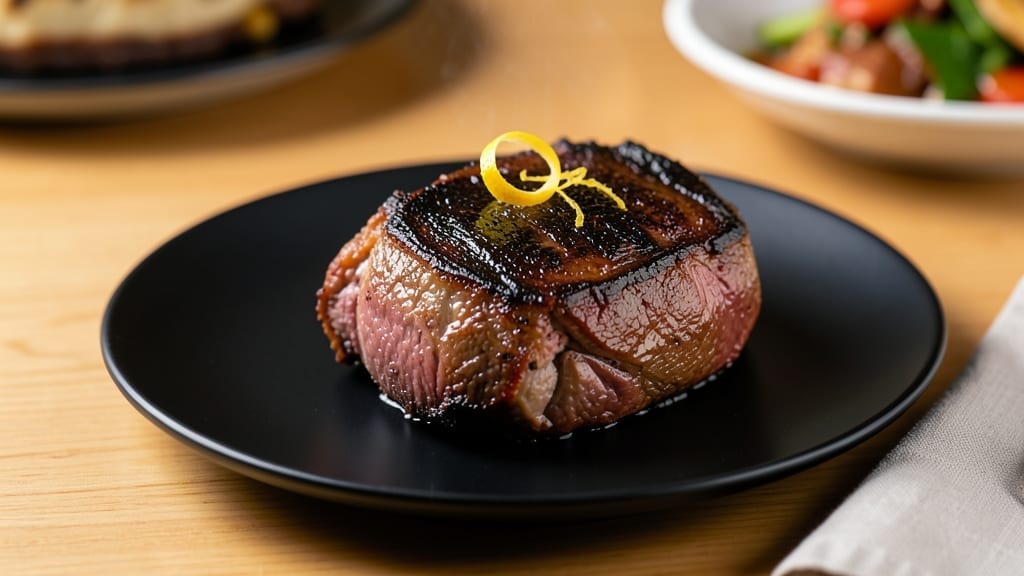
Mastering a smoked beef rump roast transforms tough cuts into melt-in-your-mouth perfection that rivals any high-end steakhouse. The key lies in low-and-slow smoking with precise temperature control—something I perfected after years of experimenting with my family’s backyard cookouts.
This cut, rich in connective tissue, breaks down beautifully when smoked just right, delivering that coveted fall-apart tenderness.
The process starts with a simple yet effective dry rub—coarse salt, black pepper, and a touch of smoked paprika to build a flavorful crust. Then, it’s all about patience: smoking the roast at 225°F with hickory wood for 6-8 hours, monitoring internal temperature until it hits 195°F.
The result? A roast so tender it practically dissolves on the tongue, infused with deep, smoky aroma that fills every room.
What makes this recipe truly special is how it balances tradition with technique. The long smoke time ensures the meat stays juicy while developing complex flavors, and resting it properly before slicing locks in every last bit of moisture.
Serve it sliced thick against crusty bread or paired with roasted root vegetables—this is the kind of centerpiece dish that makes Sunday dinners unforgettable.
Whether you’re hosting a gathering or treating yourself to a special meal, this method delivers restaurant-quality results at home. The secret? Respecting the meat’s natural process and letting the smoke do its magic. Let’s get started on creating something truly exceptional.
Ingredients for smoked beef rump roast
A few quality ingredients transform tough beef into restaurant-worthy smoked perfection.
| Ingredient | Amount | Notes |
|---|---|---|
| Beef Rump Roast 🥩 | 4 lb | Center-cut, bone-in preferred |
| Coarse Kosher Salt 🧂 | ½ cup | Diamond Crystal preferred |
| Freshly Ground Black Pepper 🌶️ | 2 tbsp | Cracked peppercorns preferred |
| Smoked Paprika 🌶️ | 1 tbsp | High-quality, not pre-mixed |
| Hickory Wood Chips 🌳 | 1 package | Unsoaked, 100% pure |
| Yellow Onion 🧅 | 1 whole | Sliced for resting tray |
| Fresh Garlic Cloves 🧄 | 6 cloves | Smashed for resting tray |
| Fresh Rosemary 🌿 | ¼ cup | Chopped, for resting tray |
| Fresh Thyme 🌿 | ¼ cup | Leaves only, for resting tray |
| Butter 🧈 | ½ cup | Unsalted, softened for basting |
| Beef Broth 💧 | 1 cup | Low-sodium, for basting |
| Apple Cider Vinegar 🍎 | 1 tbsp | For basting acidity |
| Crusty Baguette 🍞 | 1 whole | For serving, sliced |
[recipe_ingredient_scaler]
The beef rump roast is the star—center-cut delivers maximum tenderness (avoid the cheaper, leaner outer edges). Source from a reputable butcher or specialty meat counter where you can verify marbling. A 4-pound roast serves six generously, but scale up if feeding a crowd. For best results, let the roast sit at room temperature for 2 hours before smoking—this ensures even cooking. The hickory wood chips should be 100% pure, not pre-mixed with other woods, to achieve that authentic smoky depth. If your smoker lacks a built-in thermometer, invest in a meat probe thermometer—this is non-negotiable for hitting that 195°F internal temp where collagen breaks down into gelatin.
No smoked paprika? A blend of 1 tbsp regular paprika plus 1 tsp liquid smoke works in a pinch, though purists will notice the difference. The Diamond Crystal kosher salt is crucial—its coarse texture adheres better than table salt, creating a superior crust. For the resting tray, yellow onion, garlic, and fresh herbs aren’t just garnish—they infuse the roast with extra flavor during its critical rest. Short on time? Pre-slice the onion and garlic while the roast smokes. The apple cider vinegar in the basting liquid isn’t just for acidity—it also helps tenderize the meat’s surface. For a richer finish, add 1 tbsp of brown sugar to the dry rub, though traditionalists may prefer to skip it.
This roast reheats beautifully—slice it against the grain and warm in a 350°F oven for 15 minutes with a splash of beef broth. For maximum flavor retention, store leftovers in an airtight container with a layer of beef broth at the bottom. The roast keeps well for 4-5 days in the fridge or up to 3 months when vacuum-sealed and frozen. Portion it before freezing for easy reheating—this is a dish that tastes even better the next day as flavors meld. The crusty baguette should be served warm, toasted in the oven for 5 minutes with a drizzle of olive oil to complement the smoky beef.
Why You’ll Love This Recipe
- Weeknight Smoker Hack: Honestly, I used to think smoking beef was a weekend project—but this recipe is my secret for weeknight wins. Just toss that 4 lb rump roast with salt, pepper, and smoked paprika, let it sit for an hour, and fire up the smoker at 225°F. The hickory wood chips handle the rest while I prep the sides. No fancy prep, just pure smoky magic.
- The Crust Meets the Cream: That crispy bark from the smoked paprika and kosher salt? Chef’s kiss. But then you slice into the fall-apart center—thanks to the low-and-slow 4-5 hours—and drizzle it with that buttery broth reduction. It’s the perfect balance of smoky, savory, and rich. Trust me, one bite and you’ll forget to breathe.
- Leftovers That Outshine Takeout: I always make this for Sunday dinner because the leftovers? Game-changer. Slice it thin, reheat gently, and toss it in a baguette with the leftover basting sauce. Or chop it for tacos, sandwiches, or even a hearty salad. Four days in the fridge, and it still tastes like it came straight off the smoker. My kids beg for seconds—even on Tuesday nights.
- Budget Beef Boost: A 4 lb rump roast is cheaper than you think, especially when you’re feeding a crowd. The dry rub (just salt, pepper, and smoked paprika) costs pennies, and those fresh herbs? A little goes a long way. Plus, if you freeze half of it, you’ve got a freezer stockpile of restaurant-quality beef for months. Winning.
Step-by-step instructions for smoked beef rump roast
Mastering this technique guarantees fall-apart tenderness with a perfect smoky crust every time.
Prepare the Dry Rub and Season the Roast
In a small bowl, combine the ½ cup coarse kosher salt, 2 tablespoons freshly ground black pepper, and 1 tablespoon smoked paprika. Mix thoroughly until evenly distributed. This dry rub creates the essential bark while penetrating the meat for deep flavor.
Pat the 4 lb beef rump roast completely dry with paper towels—this is critical for developing that coveted crust. Apply the rub generously over the entire surface, pressing it into the meat so it adheres well. Let the seasoned roast sit at room temperature for 1 hour before smoking to ensure even cooking and maximum flavor penetration.
Build the Smoking Environment
Set up your smoker for indirect heat at 225°F using the 1 package hickory wood chips. The smoke should be clean and thin—thick white smoke indicates the wood isn’t burning properly. Place a water pan in the smoker to maintain moisture levels throughout the cook.
While the smoker preheats, slice the 1 yellow onion into ½-inch thick rounds and smash the 6 fresh garlic cloves lightly with the side of a knife. Chop the ¼ cup fresh rosemary and ¼ cup fresh thyme leaves finely. These aromatics will form the resting tray that keeps the meat moist and flavorful during the final resting period.
Smoke the Roast Low and Slow
Place the seasoned roast on the smoker grate, fat side up, and close the lid immediately. Smoke at 225°F for 4-5 hours until the internal temperature reaches 165°F. This low-and-slow approach breaks down the tough connective tissue, ensuring fork-tender results.
Every hour, rotate the roast 90 degrees to promote even smoking and bark development. Avoid opening the smoker lid frequently—each time you do, you lose heat and extend cook time. The bark should develop a deep mahogany color, and you’ll notice the meat beginning to pull away slightly from the edges.
Prepare the Resting Tray and Basting Sauce
While the roast smokes, create the resting tray by layering the sliced onion, smashed garlic, chopped rosemary, and thyme in a roasting pan. This aromatic bed will help retain moisture and infuse flavor during the final resting phase.
In a small saucepan, combine the ½ cup butter, 1 cup beef broth, and 1 tablespoon apple cider vinegar. Simmer over medium-low heat for 5 minutes until the mixture reduces slightly and emulsifies into a glossy basting sauce. Keep this warm for later use.
Finish and Rest for Maximum Tenderness
Once the internal temperature reaches 165°F, remove the roast from the smoker and place it directly on the prepared resting tray. The residual heat from the roast will cook the aromatics, creating an additional flavor layer. Tent loosely with foil and let rest for 1 hour—this critical step allows juices to redistribute throughout the meat.
Slice the 1 crusty baguette into ½-inch thick pieces and toast briefly in the oven at 375°F for 5 minutes to serve alongside. Carve the roast against the grain into ½-inch thick slices, basting each piece with the warm butter sauce. The result should be meat that falls apart effortlessly with each bite, infused with deep smoky flavor and aromatic herbs.
Pro Tips For Making Smoked Beef Rump Roast
- Rotate Religiously: Every hour, I used to forget to turn the roast, and one side ended up either over-smoked or pale. The 90-degree rotation isn’t just about looks—it guarantees that mahogany crust forms evenly. Set a timer if you have to, because that’s the difference between a masterpiece and a one-sided disaster.
- Salt Like You Mean It: I learned this the hard way—skimping on the ½ cup kosher salt means a weak bark and bland meat. Press that rub hard into every crevice, especially the bone side if it’s bone-in. The salt needs time to work its magic, so don’t rush the 1-hour room temp rest. Trust me, your future guests will notice.
- Skip the Vinegar Shortcut: That 1 tablespoon apple cider vinegar in the basting sauce isn’t just for acidity—it brightens the richness of the butter and beef broth. If you’re tempted to skip it because you’re out, grab lemon juice instead. The difference is subtle but noticeable, and lazy shortcuts show in the final bite.
- Rest the Roast Like Your Life Depends on It: I know, I know—waiting an hour feels like forever when you’re starving. But cutting into that roast early turns it from melt-in-your-mouth perfection to dry, sad slices. The resting tray with onion, garlic, rosemary, and thyme isn’t just for flavor; it’s a moisture lock. Tent it loosely, walk away, and let the meat do its thing. Your patience will pay off.
Storing and reheating this smoked beef rump roast
Fridge Storage Magic
After slicing your roast against the grain, transfer it to an airtight container lined with beef broth—this keeps the meat moist and infuses extra flavor. I use glass Pyrex containers because they seal better than plastic and won’t absorb odors.
Store at 40°F or below for up to 4-5 days, and honestly, the flavors deepen overnight as the juices meld. 💪
Freezing Like a Pro
For longer storage, wrap each ½-inch thick slice tightly in plastic wrap, then nestle them in a freezer bag with a splash of beef broth to prevent dryness. Label with the date—this roast keeps up to 3 months without losing tenderness.
I freeze portions individually so I can pull out just what I need for a weeknight meal. ❄️
Reheating Without Ruining
Grab a heavy-bottomed skillet and heat over medium-low for best results. Add 1-2 tbsp beef broth to prevent sticking, then cover and warm for 10-12 minutes. Flip the slices occasionally to ensure even heating. This method preserves texture better than the microwave, which can dry out the meat. 🔥
Oven Revival Trick
For a quick oven method, place slices on a wire rack over a baking sheet at 300°F for 15 minutes. The rack allows air circulation, so the meat doesn’t steam.
Add a splash of broth to the pan to keep it moist. This works great for feeding a crowd—just reheat portions as needed. ✨
Leftovers Reinvented
Turn day-old roast into smoked beef sandwiches by layering slices on toasted sourdough with a smear of garlic aioli and fresh arugula. Or, shred the meat and mix it into smoked beef tacos with pickled onions and lime crema. The flavors get even better after a day of resting! 💛
Nutrition facts
Frequently asked questions
Why does the beef need to rest after smoking?
Resting is non-negotiable for tenderness! When you remove the roast from the smoker at 165°F, its internal juices are still rushing toward the center. Placing it on the resting tray with aromatics and tenting it for 1 hour lets those juices redistribute evenly. This step ensures every bite is moist and flavorful, not just the surface. Skipping it means dry, tough slices—trust the process!
Can I use a different wood type for smoking?
Hickory is classic for beef, but you can experiment! Fruitwoods like cherry or apple add sweetness, while mesquite delivers bold flavor—just avoid overly strong woods like hickory or pecan for delicate cuts. If using a different wood, soak the chips for 30 minutes to prevent flare-ups. The key is balance: your roast should taste like the meat, not the wood.
What if my smoker doesn’t have a built-in thermometer?
Invest in a meat probe thermometer—it’s worth every penny! Place it in the thickest part of the roast (avoiding fat) and monitor the 165°F target. If your smoker runs hot, adjust the vents to maintain 225°F. Pro tip: Use a water pan to stabilize temperature and reduce smoke fluctuations.
How do I know when the bark is ready?
Look for a deep mahogany crust that’s crisp but not burnt, with the meat pulling slightly away from the edges. The bark should be ¼-inch thick and uniformly colored. If it’s too pale, extend smoking by 30-60 minutes; if it’s dark or charred, reduce smoke exposure. Rotating the roast every hour ensures even bark development.
Can I make this recipe without a smoker?
Use a grill with indirect heat or even your oven. For the grill, set up a two-zone fire and maintain 225°F with a chimney starter. In the oven, bake at 275°F with a foil-covered pan of water nearby. Just expect slightly less smoky flavor—it’s still delicious!

Trained in classic French technique but raised on slow-cooked ribs and spicy rubs, she blends culinary skill with smoke and soul.
- Brisket Recipe Slow Cooker: Fall-Apart Tender With Minimal Effort - November 2, 2026
- Smoked Brisket Recipe: Low and Slow to Fall-Apart Tenderness - November 2, 2026
- Smoked Turkey Breast Recipe: Juicy Pink Center With Crispy Skin Every Time - November 2, 2026