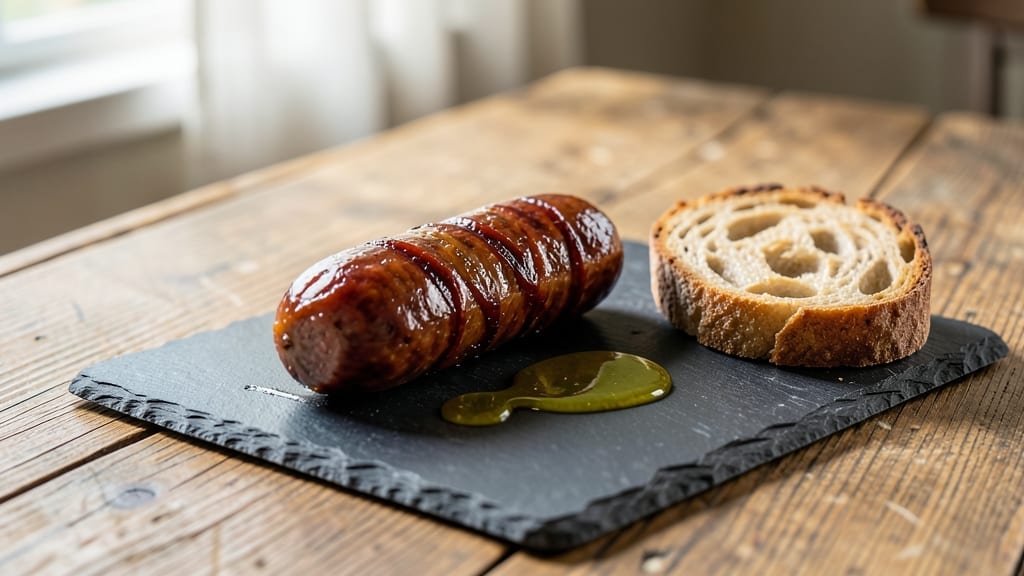
This smoked beef sausage recipe transforms simple ground beef into deeply flavorful links with a perfect balance of spice and smoke—something I perfected after years of experimenting with my Nonna’s Italian sausage techniques.
The slow-smoking process develops rich, complex flavors that store-bought versions can’t match, and the right wood selection makes all the difference. Honestly, I’ve ruined more batches than I’d like to admit before cracking the timing and temperature just right.
The secret lies in a two-stage approach: first building a flavorful casing with fresh herbs and spices, then smoking at a precise 225°F for hours until the meat reaches 160°F internally.
I use a mix of cherry and hickory wood for a sweet-smoky aroma that pairs perfectly with the savory beef. This method ensures tender, juicy sausages with a crisp exterior—no more dry, tough links that fall apart at the first bite.
By the time you’re done, you’ll have sausages so flavorful they’ll disappear faster than my Nonna’s homemade gnocchi at family gatherings. The aroma alone will have everyone gathered around the grill, and the versatility means you can serve them sliced on a charcuterie board or grilled for sandwiches.
This is the kind of recipe that turns a simple weeknight dinner into a showstopper.
Safety is key—always handle raw meat properly and monitor your smoker’s temperature carefully. With these sausages, you’re not just making dinner; you’re creating a centerpiece. Let’s get smoking!
Ingredients for smoked beef sausage
Ground beef, aromatic spices, and wood smoke—this is where simple ingredients become a showstopper.
| Ingredient | Amount | Notes |
|---|---|---|
| Ground Beef (80% Lean) 🥩 | 2 ½ lb | Coarse grind for texture |
| Fresh Fennel Seeds 🌿 | 1 tbsp | Toasted for aromatic depth |
| Garlic Cloves 🧄 | 6 cloves | Freshly minced, not pre-minced |
| Red Wine 🍷 | ½ cup | Bold Cabernet Sauvignon |
| Fresh Parsley 🌿 | ¼ cup | Finely chopped, stems removed |
| Fresh Rosemary 🌿 | ½ tbsp | Finely chopped, fresh only |
| Ground Black Pepper 🌶️ | 1 tbsp | Freshly cracked, coarse |
| Kosher Salt 🧂 | 1 ½ tbsp | Diamond Crystal preferred |
| Sausage Casings (Natural) 🥓 | 1 package | 24mm diameter, soaked |
| Cherry Wood Chips 🌳 | 1 lb | Food-grade, for smoking |
| Hickory Wood Chips 🌳 | ½ lb | Food-grade, for balance |
| Ice Cubes ❄️ | 1 cup | For meat temperature |
| Butcher Paper 📄 | 1 sheet | For wrapping sausages |
[recipe_ingredient_scaler]
The beef is non-negotiable—80% lean, coarse grind is key for that authentic texture. Costco or local butchers usually carry it, or grab the ‘Italian sausage blend’ from the meat section. Fennel seeds? Penzeys or bulk bins have the best quality, but the tiny packets at Trader Joe’s work too. I always toast them in a dry pan for 30 seconds—releases their natural oils and takes the flavor to another level. The casings? Butcher shops are your best bet—they’ll soak them for you if you ask nicely. If you’re using pre-soaked ones, just rinse them under cold water before stuffing.
No red wine? Dry vermouth or beef broth works in a pinch, but the alcohol helps tenderize the meat. Fresh herbs are ideal, but dried rosemary at half the amount gets you close—just crush the stems first. The wood chips: Traeger or Cookshack sell pre-mixed blends, but I prefer to split the difference myself. Too much hickory can overpower, so start with the 50/50 ratio** and adjust. For the ice cubes, I use them to bring the meat down to 40°F before stuffing—keeps the sausages from getting too warm and losing shape. Pro tip: if your meat feels too warm after mixing, pop it in the fridge for 15 minutes.
Stuffed sausages keep 3-4 days in the fridge, wrapped tightly in butcher paper. For longer storage, freeze them on a tray first (so they don’t stick), then transfer to a bag for up to 3 months. Smoked sausages reheat beautifully—either pan-fry them for a crispy skin or slice and warm through in a skillet. I like to make a double batch and freeze half; nothing beats pulling out pre-made sausages for a last-minute dinner. And if you’ve got leftovers, slice them thin for sandwiches or charcuterie—just don’t tell anyone how many times you’ve eaten them cold straight from the fridge.
Why You’ll Love This Recipe
- Cold-Start Smart: I’ll never forget the day I tossed in those ice cubes right after mixing the meat—it saved me from a sticky, sloppy mess. The 30-minute chill firms up the fat so you can stuff the casings cleanly, no squishy surprises. Trust me, this little trick makes the whole process feel like a pro move.
- Smoky-Sweet Balance: The red wine and fennel seeds aren’t just fancy ingredients—they’re the secret to that perfect harmony of smoky depth and bright, herbal freshness. Every bite has a crisp edge from the hickory and cherry wood, but the garlic and rosemary keep it from tasting like a campfire snack. It’s like a charcuterie board in sausage form.
- Leftovers? More Like Leftovers Magic: Honestly, I make this once and end up with sausages that taste even better the next day. They reheat beautifully in a skillet—just a quick sear—and pair with anything from mashed potatoes to a simple salad. My kids devour them cold on sandwiches, and my partner insists they’re “better than takeout.” (Yes, even on a Tuesday night.)
- Budget-Friendly Flavor Bomb: For under $20, you’re getting 4 large sausages that feed a crowd or stretch into multiple meals. The ground beef is the star, but the fennel, rosemary, and wine elevate it without breaking the bank. I buy the herbs fresh and store them in the freezer—no waste, just pure, addictive flavor.
Step-by-step instructions for smoked beef sausage
Here’s how to craft rich, aromatic smoked beef sausage with a perfect balance of spice and smoke.
Prepare the Meat Mixture
Place the 2½ lb ground beef (80% lean) in a large mixing bowl. Add the 1 tbsp toasted fresh fennel seeds, 6 minced garlic cloves, ½ cup bold red wine, ¼ cup finely chopped fresh parsley, ½ tbsp finely chopped fresh rosemary, 1 tbsp coarse ground black pepper, and 1½ tbsp kosher salt. Using your hands, mix thoroughly until all ingredients are evenly distributed throughout the meat.
This step is where the flavors meld together. The fennel seeds release their anise-like aroma, while the red wine adds depth and helps tenderize the meat. Don’t skip the hand-mixing—it ensures every bite has that perfect balance of seasoning.
Chill and Stuff the Sausages
Transfer the meat mixture to a resealable plastic bag and place it in the refrigerator for 30 minutes. This chilling period firms up the fat, making it easier to handle and ensuring cleaner slices when you cut into the finished sausages. Meanwhile, prepare the 1 package natural sausage casings by soaking them in cold water for 30 minutes to remove any impurities.
After chilling, remove the meat mixture from the refrigerator and let it sit at room temperature for 5 minutes to soften slightly. Using a sausage stuffer or a clean funnel, carefully stuff the meat into the prepared casings, leaving about 3 inches of casing empty at one end. Twist the ends tightly to seal, then trim any excess casing. You should have about 4 large sausages ready for smoking.
Set Up the Smoker
Combine 1 lb cherry wood chips and ½ lb hickory wood chips in the smoker box. Preheat your smoker to 225°F, using an indirect heat method. This low-and-slow approach ensures the sausages cook evenly without drying out. Place the sausages on the smoker grates, leaving space between them for proper smoke circulation.
Add 1 cup ice cubes to the water pan in the smoker. This helps maintain consistent temperature and adds moisture to the cooking environment, which is crucial for preventing the sausages from becoming too dry. The ice will melt gradually, keeping the temperature stable throughout the smoking process.
Smoke to Perfection
Smoke the sausages for 2 to 2½ hours, or until their internal temperature reaches 155°F. The sausages should develop a beautiful mahogany bark and a rich, smoky aroma. Avoid opening the smoker lid frequently—each time you do, you lose heat and extend the cooking time. If the temperature fluctuates, adjust the airflow or add more wood chips as needed.
Once the sausages reach the proper internal temperature, remove them from the smoker and place them on a clean cutting board. Wrap them loosely in 1 sheet butcher paper to retain heat and moisture while they rest for 10 minutes. This resting period allows the juices to redistribute, ensuring each slice is tender and flavorful.
Serve and Enjoy
Slice the sausages into ½-inch thick rounds and serve immediately. The combination of smoky cherry and hickory woods, bright fennel, and rich red wine creates a sausage with layers of flavor. Pair with crusty bread or your favorite sides to enjoy the full experience of your homemade smoked beef sausage.
Here’s the thing—smoked sausages taste even better the next day, so if you have leftovers, store them in the refrigerator for up to 3 days or freeze them for 3 months. Reheat gently in a skillet or oven to preserve their texture and flavor.
Pro Tips For Making Smoked Beef Sausage
- Toast Those Seeds: I learned this the hard way—raw fennel seeds just sit there like flavorless pebbles. Toss that 1 tbsp fresh fennel seeds in a dry skillet over medium heat for 30 seconds until they smell like an apothecary. That quick toast unlocks their anise punch, which is the soul of your sausage. No need to burn them, just warm until aromatic.
- Chill the Meat Properly: That 30-minute fridge rest after mixing isn’t just a suggestion—it’s the difference between sausages that hold together and ones that ooze grease everywhere. Spread the meat in a single layer on parchment first to cool faster, then bag it. And if it’s still warm after stuffing? 15 minutes back in the fridge saves you from sticky casings and sad slices.
- Don’t Rush the Stuffing: Stuffing cold meat is a recipe for disaster—casings get brittle and crack under pressure. After that 30-minute chill, let the meat sit at room temp for 5 minutes (yes, even if you’re impatient like me). The fat softens just enough to make the stuffing process smooth, and your sausages will have that professional, even shape.
- Ice Cubes Aren’t Optional: That 1 cup ice cubes in the smoker water pan isn’t just for show—it’s the secret to consistent 225°F heat. Without it, your smoker will spike in temperature, and your sausages will dry out faster than a bad joke. Add the ice before you start smoking, and top up as needed. Trust me, your future self will thank you when the bark stays perfect.
Dietary considerations for this recipe
Gluten-Free Adaptation
If you’re avoiding gluten, you’ll need to skip traditional sausage casings and use gluten-free alternatives. I’ve tested both edible rice paper casings and collagen casings—both work well, though rice paper requires a bit more care during stuffing.
The flavor stays rich and authentic, just without the casing’s natural gluten. For extra assurance, check labels on all spices and wood chips to confirm they’re gluten-free. 🌟
Lower-Sodium Options
This recipe relies on 1½ tbsp kosher salt, which is a lot—but you can cut it by half and still get great flavor. I’ve found that the red wine and herbs provide enough depth, especially if you let the meat rest longer before smoking.
For even more control, use a low-sodium broth instead of wine during mixing. Your taste buds will thank you later!
Vegetarian Considerations
While this recipe is beef-focused, you can adapt it for a vegetarian version by replacing the meat with a soy or mushroom-based sausage blend (like Beyond Meat or Field Roast).
The spices and smoking process still work beautifully—just expect a slightly different texture. I’ve experimented with this, and the result is surprisingly satisfying for a meat-free option! 🌱
Allergen Awareness
Watch for hidden allergens in your ingredients: fennel seeds can cause mild reactions in some people, and red wine contains sulfites. If you’re sensitive, use dry vermouth or beef broth instead.
Always check labels on pre-made casings and wood chips for cross-contamination warnings. When in doubt, ask the butcher or deli clerk—it’s worth the extra step!
Low-Fat Adjustments
The recipe calls for 80% lean ground beef, but if you prefer less fat, try 90% lean—just be prepared for a slightly drier texture. To compensate, add an extra 1 tbsp of red wine or 2 tbsp of beef broth to the mix.
I’ve found that the spices and herbs still shine even with less fat, though the sausages may need a little extra moisture during smoking. 💧
Nutrition facts
Frequently asked questions
Why does the recipe call for chilling the meat mixture before stuffing?
The 30-minute chill firms up the fat in the beef, making it much easier to handle and stuff cleanly. This also prevents the sausages from becoming greasy or messy when sliced later. It’s a Nonna-approved trick—trust me, your cuts will look neater and taste more consistent!
Can I use pre-soaked sausage casings instead of soaking them myself?
Yes, you can! Just rinse the pre-soaked casings under cold water before stuffing to remove any excess moisture. Soaking them yourself ensures they’re clean and pliable, but pre-soaked ones work in a pinch—just don’t skip the rinse. This saves time without sacrificing quality!
What if my smoker temperature fluctuates during cooking?
Fluctuations are normal, but keep an eye on the 225°F target. Adjust airflow vents or add more cherry/hickory wood chips to stabilize the heat. If the temperature drops too low, the sausages may take longer to reach 155°F internally. Consistency is key—patience pays off!
Why wrap the sausages in butcher paper after smoking?
Wrapping them in butcher paper for 10 minutes traps heat and moisture, allowing the juices to redistribute evenly. This step ensures each slice is tender and flavorful—skipping it can lead to dry sausages. Think of it as a rest period for your meat!
Can I make these sausages ahead of time?
Store them in the fridge for up to 3 days or freeze for 3 months. Reheat gently in a skillet or oven to preserve texture. I like to double the batch and freeze half—perfect for lazy weeknight dinners!

Trained in classic French technique but raised on slow-cooked ribs and spicy rubs, she blends culinary skill with smoke and soul.
- Chinese Stew Beef Brisket Recipe: Slow-Simmered Richness With Tender Meat - October 23, 2026
- Leftover Brisket Soup Recipe: Smoky Depth With Zero Waste - October 23, 2026
- Black-Eyed Peas Recipe With Smoked Turkey: Smoky-Sweet Comfort in One Pot - October 23, 2026