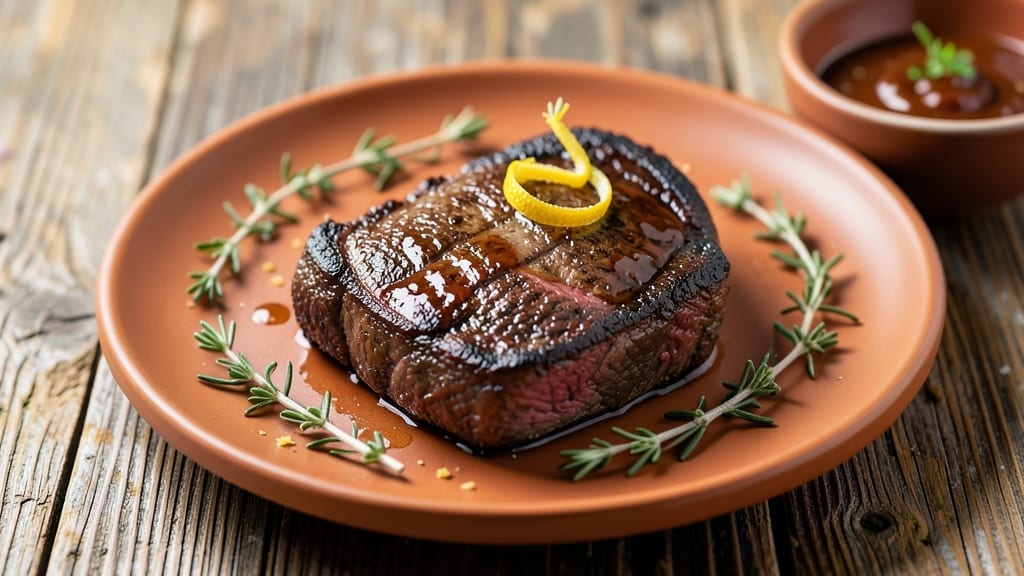
This smoked beef tenderloin recipe delivers melt-in-your-mouth perfection with a bold spice rub and precise low-and-slow technique—exactly what elevates a weeknight dinner to a showstopping centerpiece.
The secret lies in balancing heat and tenderness: a deep, aromatic rub that clings to the meat while the smoker works its magic at a steady 225°F, transforming tough cuts into silky, juicy slices that practically fall apart.
I’ve perfected this method over years of trial and error, ensuring every bite delivers that ideal contrast between smoky depth and buttery richness.
The process begins with a dry rub of smoked paprika, brown sugar, and garlic powder—simple ingredients that create layers of flavor without overpowering the beef’s natural sweetness. The tenderloin rests overnight in the fridge, allowing the rub to penetrate deeply before hitting the smoker.
This isn’t a rushed cook; patience is key to achieving that restaurant-quality texture where the exterior develops a subtle bark while the interior stays velvety and moist. A meat probe confirms doneness at 130°F internal temperature, ensuring safety and perfect tenderness.
What you’ll end up with is a masterpiece that commands the table: thick, juicy slices with a caramelized crust and a smoky aroma that fills the room. The rub’s warmth lingers on the palate, balanced by the beef’s inherent richness.
Serve it sliced over a bed of roasted potatoes or with a bright chimichurri for contrast. This isn’t just dinner—it’s an experience, and the effort pays off in every bite. Let’s get started on creating it.
For those who want to elevate it further, a quick sear in a hot cast-iron skillet after smoking adds an extra layer of crust, while a splash of red wine reduction ties the dish together.
The sides you choose—whether crispy roasted vegetables, creamy mashed potatoes, or a fresh salad—should complement rather than compete with the star of the show. This recipe is designed to impress, whether you’re feeding a crowd or treating yourself to a special meal. The results speak for themselves.
Ingredients for smoked beef tenderloin
Bold spices and slow-smoked tenderness create this restaurant-quality beef masterpiece.
| Ingredient | Amount | Notes |
|---|---|---|
| Beef Tenderloin 🥩 | 3 lb | Center-cut, trimmed of fat |
| Smoked Paprika 🌶️ | 2 tbsp | For aromatic depth |
| Brown Sugar 🍚 | 1 ½ tbsp | Lightly sweetens crust |
| Garlic Powder 🧄 | 1 tbsp | Enhances smoky flavor |
| Coarse Kosher Salt 🧂 | 1 tbsp | Balances seasoning |
| Black Pepper 🌶️ | 1 tsp | Freshly ground preferred |
| Chimichurri 🌿 | ½ cup | Fresh parsley, garlic, vinegar |
| Olive Oil 🫒 | ¼ cup | Extra-virgin for richness |
| Red Wine 🍷 | ½ cup | Dry, bold variety |
| Apple Cider Vinegar 🍎 | 2 tbsp | For reduction balance |
| Fresh Parsley 🌿 | ¼ cup | Chopped for garnish |
| Butter 🧈 | ½ cup | Unsalted, for searing |
[recipe_ingredient_scaler]
The beef tenderloin is the star—opt for center-cut, vacuum-packed from Whole Foods or your local butcher. Look for marbled, dark red meat with no grainy texture. The 3-pound cut ensures even cooking and maximum tenderness. For the rub, Penzeys smoked paprika adds authentic depth, while organic brown sugar from the bulk section prevents clumping. Freshly ground black pepper is non-negotiable—store-bought loses potency quickly.
No smoked paprika? Substitute 1 tbsp regular paprika + 0.5 tsp cayenne for heat. Want more sweetness? Swap brown sugar for 1 tbsp honey. The red wine should be Cabernet Sauvignon or Malbec—avoid sweet dessert wines. For chimichurri, fresh parsley is essential—dried won’t cut it. The butter for searing should be unsalted and chilled to render cleanly. If you’re short on time, use pre-made chimichurri from Trader Joe’s—just double the amount.
Store the raw beef in its vacuum package in the fridge for up to 5 days or freeze for 6 months. The pre-made chimichurri keeps for 7 days refrigerated or 3 months frozen. For best results, prep the rub 1 day ahead and refrigerate in an airtight container. The smoked beef reheats beautifully—wrap slices in foil and warm in a 250°F oven for 10 minutes. Leftovers make excellent sandwiches with chimichurri mayo the next day.
Why You’ll Love This Recipe
- Smoker’s Shortcut: Honestly, this isn’t one of those recipes that requires a Pinterest-worthy setup. Just mix the smoked paprika, brown sugar, garlic powder, salt, and pepper in a bowl—no fancy measuring here—and rub it all over that 3 lb tenderloin. Pat it dry, let it breathe for 30 minutes, and boom: you’re smoking. The chimichurri brushes are the only real effort, but even those are just a quick toss with your hands.
- Crust Meets Cream: That golden-brown sear with the butter and olive oil? It’s not just for show. The outside gets this perfect, slightly caramelized crust from the brown sugar in the rub, while the inside stays so tender it practically melts. Then you drizzle that red wine and vinegar reduction over it—trust me, the acid cuts through the richness just enough to make every bite sing. (Yes, even on a Tuesday night.)
- Weeknight Crowd-Pleaser: I serve this for guests and my kids eat it too—no fuss. The chimichurri keeps it bright enough for picky eaters, while the smoky depth makes adults swoon. Leftovers? Slice it thin, reheat gently, and toss in a little more chimichurri. It’s still amazing the next day, and honestly, the coarse kosher salt makes even cold slices taste fresh.
- Budget Smoker Magic: You’re spending about $20 for the whole tenderloin, and the rest of the ingredients? Most of them are pantry staples. The smoked paprika and garlic powder stretch far, and that red wine you’d drink anyway becomes sauce. It’s one of those meals where you feel like you’re treating yourself without breaking the bank—especially when you’re left with enough for lunch the next day.
Step-by-step instructions for smoked beef tenderloin
Here’s the method that delivers melt-in-your-mouth tenderness with a perfectly balanced crust.
Prepare the Dry Rub and Season the Beef
In a small bowl, combine the 2 tablespoons smoked paprika, 1½ tablespoons brown sugar, 1 tablespoon garlic powder, 1 tablespoon coarse kosher salt, and 1 teaspoon black pepper. Mix thoroughly to create a fine, even blend. This dry rub will form the aromatic foundation for your tenderloin.
Pat the 3 lb beef tenderloin completely dry with paper towels, removing any moisture from the surface. This step is crucial—wet surfaces prevent proper smoke penetration and crust formation. Once dry, apply the rub generously to all sides of the tenderloin, pressing it firmly into the meat so it adheres evenly. Let the seasoned tenderloin sit at room temperature for 30 minutes before smoking. This allows the rub to penetrate slightly and ensures even cooking.
Smoke the Beef Low and Slow
Preheat your smoker to 225°F using oak or hickory wood chips for a classic smoke flavor. Place the tenderloin in the smoker, fat-side up, and close the lid. Smoke the beef undisturbed for 3-4 hours, maintaining a consistent temperature. The internal temperature should reach 125°F at this point—this is the ideal “stall” temperature where the meat begins to tenderize.
Here’s where the chimichurri comes into play. After 3 hours, brush the tenderloin with ½ cup chimichurri, reserving a small amount for garnish later. The chimichurri adds brightness and prevents the crust from becoming too dry. Continue smoking for another 1-2 hours, brushing with additional chimichurri every 30 minutes until the internal temperature reaches 135°F. At this stage, the meat should be fork-tender but still slightly pink in the center.
Sear for Crust and Rest for Tenderness
Remove the tenderloin from the smoker and let it rest for 10 minutes on a cutting board. While it rests, heat a cast-iron skillet over high heat and add ½ cup butter and ¼ cup olive oil. Once the butter melts and begins to foam, carefully sear the tenderloin on all sides for 2-3 minutes per side until a deep golden-brown crust forms. This step creates the perfect contrast between the tender interior and crispy exterior.
After searing, return the tenderloin to the cutting board and let it rest for an additional 15 minutes. During this time, reduce the ½ cup red wine and 2 tbsp apple cider vinegar in the same skillet over medium heat until the liquid reduces by half, creating a glossy pan sauce. Thin the sauce with a splash of water if needed, then stir in ¼ cup chopped fresh parsley for freshness.
Slice and Serve
Slice the tenderloin against the grain into ½-inch thick medallions. Arrange the slices on a warm platter and drizzle generously with the reduced wine sauce. Garnish with the reserved chimichurri and additional ¼ cup chopped parsley for a pop of color and freshness. Serve immediately, as the meat continues to carry over in temperature and remains juicy.
Each slice should be incredibly tender, with a perfect balance of smoky, sweet, and herby flavors. The crust from searing adds a satisfying contrast, while the chimichurri and wine sauce elevate the dish to restaurant-quality. This method guarantees a tender, flavorful result every time.
Pro Tips For Making Smoked Beef Tenderloin
- Trim the Fat First: That extra fat might look harmless, but it’ll turn to grease during smoking and ruin your smoky crust. Use a sharp knife to trim it before applying the rub—your dry rub will stick better and the meat will cook more evenly. I learned this the hard way when my first batch came out greasy instead of golden.
- Don’t Rush the 30-Minute Rest: Skipping this step means the meat won’t cook uniformly, and you’ll end up with a dry center or uneven crust. Let it sit at room temp—yes, even if you’re impatient like me—so the rub penetrates and the internal temp stabilizes. Trust the process, or you’ll regret it at the first slice.
- Brush Chimichurri Early: The recipe says to wait 3 hours, but I now brush it on after 2.5 hours to lock in moisture and prevent the crust from drying out too fast. The chimichurri’s acidity also helps break down the rub faster, giving you that perfect balance of smoky and herby flavors.
- Sear in Butter-Oil Foam: The moment the butter starts foaming in your skillet? That’s your cue to sear. The foam traps heat and creates a glossy, caramelized crust—way better than just melted butter. If you rush it, you’ll end up with a sad, pale sear. High heat. Seriously, crank it up.
Regional styles of smoked beef tenderloin
Southern BBQ Twist
In the South, we take our smoked beef tenderloin to the next level by adding a sweet-and-spicy kick. After applying the dry rub, I mix 1 tbsp honey with 1 tbsp apple cider vinegar and brush it over the meat during the last 1 hour of smoking.
This creates a caramelized glaze that balances the smoky depth. I also wrap the tenderloin in butcher paper during the final 30 minutes to lock in moisture and intensify the bark. The result? A tenderloin with a sticky, slightly sweet crust that’s addictive. 🔥
Texas-Style Peppered Rub
Texas BBQ purists love their heat, so I swap out half the smoked paprika for 1 tbsp chili powder and add ½ tsp cayenne pepper to the dry rub. I also include 1 tbsp brown sugar and 1 tbsp onion powder for a bold, smoky-sweet flavor.
The Texas method calls for a longer smoke time—up to 5 hours—to develop that signature bark. Finish with a sprinkle of flaky sea salt right before serving for a final salty punch.
Appalachian Wood-Fired Approach
In the Appalachian Mountains, we use hickory and apple wood chips for a sweeter, fruitier smoke profile. The rub stays the same, but I add 1 crushed juniper berry to the wood chip mix for a subtle herbal note.
The cooking method is simpler: smoke at 250°F for 4 hours without wrapping, then rest 30 minutes before slicing. This method keeps the meat incredibly juicy while developing a lighter, more aromatic crust. Serve with mashed potatoes and a side of pickled okra for that Southern Appalachian touch. 🌲
Mexican-Inspired Adobo Smoke
For a fusion twist, I replace the dry rub with ½ cup Mexican adobo seasoning (available at Penzeys or Taco Bell spice aisle) mixed with 1 tbsp brown sugar. The adobo brings a bright, citrusy heat that pairs perfectly with the smoky tenderness.
Smoke the tenderloin with guajillo chiles for 3 hours, then finish with a lime-chili glaze made from 2 tbsp lime juice and 1 tsp chili powder.
This version is perfect for tacos or as part of a smoked beef taco bar with toppings like pickled onions and avocado crema.
Pacific Northwest Rainforest Method
Up North, we embrace the damp climate by using cedar planks for smoking instead of traditional wood chips. The cedar imparts a subtle, woodsy aroma that complements the tenderloin beautifully. I keep the dry rub simple but add 1 crushed bay leaf to the mix for an earthy note.
Smoke at 225°F for 4 hours on the cedar plank, then finish with a lemon-garlic butter basting during the last 30 minutes. Serve with roasted root vegetables and a side of wild mushroom salad for a cozy, rustic meal that feels like a Pacific Northwest retreat. 🌲
Nutrition facts
Frequently asked questions
Why does the recipe call for patting the beef completely dry before smoking?
Drying the beef thoroughly ensures proper smoke penetration and crust formation. Moisture on the surface creates steam instead of allowing the rub to adhere and the smoke to bond with the meat. This step is critical for developing that perfect balance of tender interior and flavorful exterior.
Can I use a different type of wood for smoking besides oak or hickory?
While oak and hickory are classic choices, fruitwoods like cherry or apple add a sweeter profile, and mesquite delivers a bold, earthy flavor. Just let the wood choice influence your side dishes—pair fruitwoods with lighter sides like salads or roasted vegetables.
What’s the best way to check if the beef is done without a meat thermometer?
Insert a sharp knife or fork into the thickest part of the tenderloin—it should slide in with minimal resistance. The juices should run clear (not pink) when you pull it out. For extra confidence, let it rest for 15 minutes after removing from the smoker before slicing.
How can I make the chimichurri ahead of time?
Prepare the chimichurri up to 3 days ahead and store it in an airtight container in the fridge. The flavors actually deepen over time! For best results, make it 1 day before using it to brush on the beef during smoking. It freezes beautifully for up to 3 months if you need to plan ahead.
What should I do if my smoker temperature fluctuates during cooking?
Fluctuations are normal, but keep an eye on the temperature—aim to stay within 10°F of your target. If it drops too low, add more wood chips or increase the heat. If it runs hot, open the vents slightly. Consistency is key for even cooking and that perfect 135°F internal temperature.

Trained in classic French technique but raised on slow-cooked ribs and spicy rubs, she blends culinary skill with smoke and soul.
- Award-Winning Brisket Chili Recipe: Deep-Smoked Flavor That Wins Every Time - October 16, 2026
- Smoked Standing Rib Roast Recipe: Low-and-Slow Perfection for Crowds - October 16, 2026
- Slow Roast Brisket Recipe: Fall-Apart Tenderness with Maillard Crust Magic - October 16, 2026