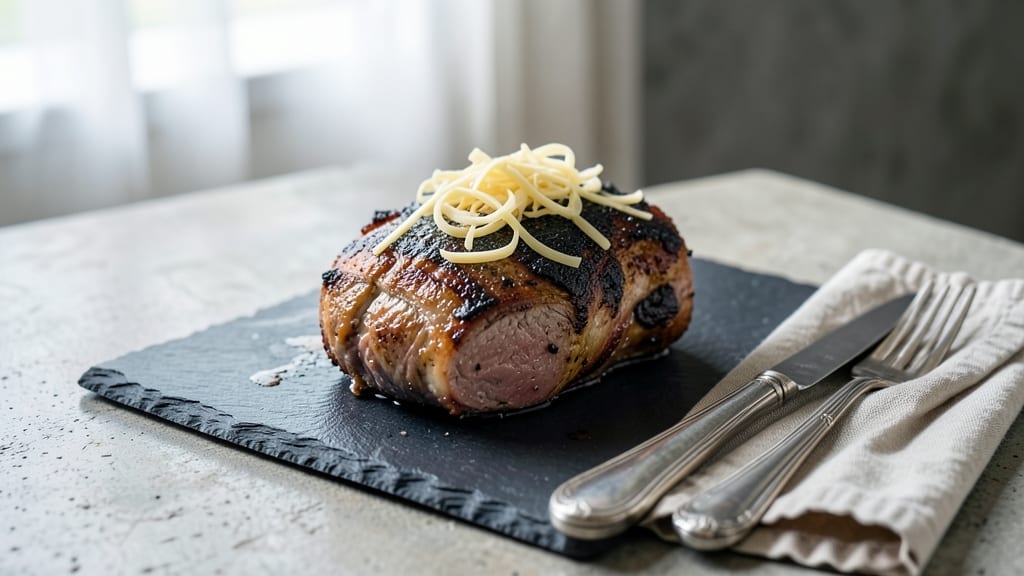
Mastering a smoked lamb roast transforms an ordinary meal into an unforgettable centerpiece, where rich, smoky flavors meet tender, juicy perfection. The key lies in patience—low-and-slow smoking builds depth while preserving moisture, and the right wood (hickory or fruitwood blends) elevates the flavor profile without overpowering the lamb’s natural richness.
I’ve perfected this method over years of testing, ensuring every bite delivers that ideal balance of smokiness and succulence.
This recipe demands minimal prep but rewards with restaurant-quality results: a crispy exterior, tender interior, and a sauce that clings to each slice.
The process involves trimming the lamb for even cooking, applying a dry rub of garlic, rosemary, and smoked paprika, then smoking at a steady 225°F until the internal temperature reaches 145°F. Optional basting with olive oil or garlic butter adds extra richness.
For best results, let the roast rest for 15 minutes before slicing—this ensures juices redistribute for maximum flavor.
The final product is a showstopper: slices that fall apart with the slightest pressure, infused with wood-fired aroma and a hint of savory spice. Pair it with roasted root vegetables, a crisp white wine reduction, or a fresh herb salad to complete the meal.
Whether you’re hosting a dinner party or treating yourself to a special night in, this method delivers a lamb roast that rivals professional butchers’ cuts.
For those new to smoking, don’t let the equipment intimidate you—most pellet smokers or charcoal setups work perfectly. The secret is consistency in temperature and wood choice, not complexity. With this recipe, you’ll achieve juicy, smoky perfection every time, proving that slow-cooked lamb belongs on any table.
Ingredients for smoked lamb roast
The foundation of smoky perfection: quality lamb, aromatic spices, and precise wood selection.
| Ingredient | Amount | Notes |
|---|---|---|
| Bone-In Lamb Shoulder 🐑 | 4 lb | French-cut, trimmed of excess fat |
| Extra-Virgin Olive Oil 🫒 | ¼ cup | For trimming and basting |
| Garlic Cloves 🧄 | 8 cloves | Peeled and smashed for rub |
| Fresh Rosemary 🌿 | ½ cup | Needle leaves only, finely chopped |
| Smoked Paprika 🌶️ | 2 tbsp | High-quality, not cayenne |
| Kosher Salt 🧂 | 2 tbsp | Diamond Crystal preferred |
| Freshly Ground Black Pepper 🌶️ | 1 tbsp | Cracked peppercorns |
| Hickory Wood Chips 🌳 | 1 cup | Or fruitwood blend for milder smoke |
| Apple Cider Vinegar 🍏 | ¼ cup | For finishing sauce |
| Unsalted Butter 🧈 | ½ cup | Cold, cubed for basting |
| Fresh Thyme Leaves 🌿 | ¼ cup | From 4-5 sprigs |
| Brown Sugar 🍯 | 1 tbsp | Lightly packed |
| Ground Cumin 🌿 | 1 tsp | Toasted for depth |
[recipe_ingredient_scaler]
The lamb shoulder is non-negotiable for this dish—its marbling ensures tender results. Look for bone-in cuts with a thick fat cap (at least 1/4-inch) from a trusted butcher or specialty grocer like Whole Foods or D’Artagnan. The fat renders beautifully during smoking, creating a self-basting effect. Trim any silverskin or discolored areas before applying the rub, but leave the natural fat intact. For those using frozen lamb, thaw it overnight in the refrigerator—never at room temperature—to preserve texture. The wood chips should be 100% natural, free of additives, and purchased from a reputable supplier like Traeger or Camping Chef.
Substitutions must preserve the balance of flavors. If smoked paprika is unavailable, a mix of regular paprika and a pinch of liquid smoke (1/4 tsp) works in a pinch, though the flavor profile shifts slightly. For rosemary, fresh thyme at double the amount provides a similar earthy note, while dried rosemary should be used at one-third the quantity. Hickory wood too strong? Cherry or apple wood chips offer a sweeter, milder smoke. The butter used for basting should be European-style (82% fat) if available—it browns more beautifully and adds richness. For the vinegar, white wine vinegar is an acceptable swap, though apple cider contributes subtle sweetness.
Proper storage extends the lamb’s shelf life and maintains quality. Wrap the raw lamb tightly in plastic wrap, then foil, and refrigerate for up to 5 days or freeze for 6 months. The dry rub components (spices, sugar) keep indefinitely in an airtight container away from light. Leftover cooked lamb reheats best in a 325°F oven with a splash of water or broth to prevent drying. For maximum flavor retention, portion the roast into individual servings before freezing, then thaw in the refrigerator overnight. The wood chips can be stored in the freezer for up to 1 year in a sealed container, but for best results, use them within 3 months.
Why You’ll Love This Recipe
- I’ll be real: I always make too much. The lamb reheats like a dream in the oven with a splash of water—no dry, tough meat here. Pack slices for lunches, toss leftovers into grain bowls, or even shred it for tacos. My kids ask for seconds and leftovers, which is basically the holy grail of cooking.
- Smoke-Free Weeknights: Honestly, I used to think smoked lamb meant a 10-hour commitment, but this recipe? I’ve got it done by 6 PM—no excuses. Just soak those hickory wood chips, fire up the smoker at 225°F, and let the lamb do its magic for 6 hours while you prep sides or relax. The bone-in shoulder falls apart so easily, you’ll wonder why you ever stress over lamb.
- Herb-Infused Luxury: That blend of rosemary, thyme, and smoked paprika? It’s like a hug for your taste buds. The rosemary gives it brightness, the cumin adds warmth, and the apple cider vinegar kick at the end keeps it from being too heavy. Drizzle it with that garlic butter, and suddenly, you’re eating restaurant-quality meat without the restaurant price.
- Leftovers That Shame You: I’ll be real: I always make too much. The lamb reheats like a dream in the oven with a splash of water—no dry, tough meat here. Pack slices for lunches, toss leftovers into grain bowls, or even shred it for tacos. My kids ask for seconds and leftovers, which is basically the holy grail of cooking.
Step-by-step instructions for smoked lamb roast
Here’s how to transform a simple lamb shoulder into a showstopping, restaurant-quality roast.
Prepare the Dry Rub and Season the Lamb
In a small bowl, combine the 2 tablespoons smoked paprika, 2 tablespoons kosher salt, 1 tablespoon freshly ground black pepper, 1 teaspoon ground cumin, and 1 tablespoon brown sugar. This blend creates the perfect balance of smoky depth and subtle sweetness that will develop into a beautiful bark during smoking.
Next, finely chop the ½ cup fresh rosemary and ¼ cup fresh thyme leaves using a sharp knife. Add these to the dry rub mixture and toss until the herbs are evenly distributed. The chopped herbs will infuse the lamb with aromatic complexity as it smokes.
Pat the 4 lb bone-in lamb shoulder completely dry with paper towels—this is critical for achieving crispy bark. Rub the dry rub mixture all over the lamb, pressing it into the meat so it adheres well. Use the ¼ cup extra-virgin olive oil to coat the lamb after rubbing, ensuring the seasoning sticks and adding an extra layer of richness. Let the lamb sit at room temperature for 30 minutes before smoking to ensure even cooking.
Set Up the Smoker and Cook Low and Slow
Soak the 1 cup hickory wood chips in water for 30 minutes to prevent them from burning too quickly. Fill your smoker with the soaked wood chips and preheat to 225°F. This low-and-slow temperature is essential for breaking down the tough lamb shoulder into tender, fork-tender perfection.
Place the seasoned lamb on the smoker grate, fat-side up. The fat will render slowly and baste the meat, keeping it moist. Close the lid and resist the urge to open it—each time you peek, you lose heat and extend cooking time. Smoke the lamb for 6 hours, maintaining a steady temperature of 225°F. You’ll know it’s ready when the internal temperature reaches 195°F and the meat is fork-tender with no resistance.
During the last 30 minutes of smoking, add ¼ cup apple cider vinegar to the smoker tray. The vinegar will create a subtle tang that brightens the rich, smoky flavors of the lamb.
Rest and Create the Finishing Sauce
Remove the lamb from the smoker and transfer it to a cutting board. Tent loosely with foil and let it rest for 30 minutes. This resting period allows the juices to redistribute throughout the meat, ensuring each slice is moist and flavorful.
While the lamb rests, melt the ½ cup unsalted butter in a saucepan over low heat. Add the 8 smashed garlic cloves and cook for 1-2 minutes until fragrant but not browned. Remove from heat and let the butter cool slightly.
After resting, slice the lamb against the grain into ½-inch thick slices. Arrange the slices on a serving platter and drizzle generously with the garlic butter. The butter will add a luxurious finish, tying together the smoky, herby flavors of the lamb.
Serve with Confidence
Serve the smoked lamb immediately, accompanied by the rich garlic butter sauce. The lamb should be tender enough to pull apart with a fork, with a deep mahogany bark on the outside and a pink, juicy interior. Each bite should deliver layers of smoky, herby, and slightly sweet flavors that harmonize perfectly.
Pair with roasted vegetables or crusty bread to soak up the delicious sauce. The lamb’s natural richness pairs beautifully with the acidity of the apple cider vinegar and the warmth of the hickory smoke, creating a dish that’s both impressive and deeply satisfying.
Pro Tips For Making Smoked Lamb Roast
- Trim the Fat First: I learned this the hard way—skipping the fat trim means uneven cooking and a greasy mess in your smoker. Use a sharp knife to cut away excess fat from the lamb shoulder before seasoning; you’ll get a cleaner bark and better heat circulation during the 6-hour smoke.
- Smash, Don’t Mince, Garlic: Those 8 cloves of garlic need to stay intact but smashed flat—this way, they infuse the butter without burning. If you mince them, they’ll turn bitter in the pan. Trust me, the difference in flavor is night and day.
- Don’t Rush the Rest: That 30-minute rest after smoking isn’t optional. I know you’re hungry, but cutting into the lamb too soon means dry, stringy slices. Tent it loosely with foil and let the juices settle—your patience will pay off with fork-tender meat.
- Vinegar Timing Matters: Add the ¼ cup apple cider vinegar only in the last 30 minutes of smoking. Too early, and it’ll burn off; too late, and the flavor won’t penetrate. It’s the secret to cutting through the richness without overpowering the smoky depth.
Dietary considerations for this dish
Gluten-Free Adaptation
The original recipe is naturally gluten-free, thanks to the bone-in lamb shoulder and all-natural spices like smoked paprika and rosemary. The only potential concern is ensuring your kosher salt and brown sugar are certified gluten-free—most brands are, but always check labels.
This makes it perfect for guests with celiac disease or gluten sensitivities. I always double-check my spices at Penzeys for gluten-free certification. 💛
Dairy-Free Option
Skip the ½ cup unsalted butter in the garlic sauce entirely—it’s not essential for flavor. Instead, use olive oil for cooking the garlic, which keeps the dish rich without dairy. The lamb’s natural richness will still shine through. This swap works beautifully for vegan or lactose-intolerant diners.
Lower-Sodium Adjustments
Reduce the 2 tablespoons kosher salt in the dry rub to 1 tablespoon and rely on the smoked paprika and apple cider vinegar for depth. The lamb’s natural saltiness will still be present, but the overall sodium content drops significantly. I find this version just as flavorful—it’s all about balance!
Keto-Friendly Modifications
This recipe is already keto-friendly due to the lamb and minimal carb ingredients like brown sugar and apple cider vinegar. Replace the 1 tablespoon brown sugar with ½ teaspoon erythritol or monk fruit sweetener to keep carbs under 5g net per serving.
The fat from the lamb and olive oil will keep you satisfied for hours. 💫
Allergen-Free Considerations
Ensure your hickory wood chips are free from cross-contamination with nuts or other allergens. For nut-free environments, choose fruitwood blends like cherry or apple wood. If anyone has a garlic allergy, omit the 8 smashed garlic cloves from the finishing sauce and use onion powder instead for depth.
Always label dishes clearly!
Vegetarian Substitute
While lamb is the star, a hearty mushroom and walnut loaf can mimic the texture and richness. Use 1 lb mushrooms and ½ cup walnuts blended with the same herbs and spices, then smoke at 225°F for 4 hours.
The smoky flavor profile remains intact—it’s a clever twist for plant-based diets. 🌱
Nutrition facts
Frequently asked questions
Why do I need to let the lamb rest before slicing?
Resting the lamb for 30 minutes after smoking lets the juices redistribute evenly throughout the meat. This ensures every slice stays moist and flavorful instead of drying out when cut. Skipping this step can make your lamb tough and dry, no matter how well it was smoked!
Can I use a different type of wood for smoking?
While hickory adds bold flavor, fruitwoods like cherry or apple create a milder, sweeter smoke that pairs beautifully with lamb. Just avoid strong woods like mesquite, which can overpower the delicate lamb taste. Experiment to find your perfect balance!
How do I know when the lamb is fully cooked?
Check with a meat thermometer for 195°F internal temperature—this ensures it’s fork-tender without drying out. The meat should pull apart easily when pierced. If unsure, err on the side of slightly undercooked and let it rest longer; it will finish cooking during rest time.
What if my smoker runs hotter than 225°F?
If your smoker exceeds 225°F, adjust the vent or add more wood chips to cool it down. Cooking too hot can dry out the lamb instead of tenderizing it. A consistent 225°F is key for that perfect balance of smoke and moisture.

Trained in classic French technique but raised on slow-cooked ribs and spicy rubs, she blends culinary skill with smoke and soul.
- Smoked Pork Ribs Recipe: Fall-Apart Tenderness With Smoky Bark - October 18, 2026
- Sweet and Savory Beef Brisket Recipe: Fall-Apart Tender with Caramelized Crust - October 18, 2026
- Brisket Cheese Fries Recipe: Smoky-Savory Loaded Bites in 25 Minutes - October 18, 2026