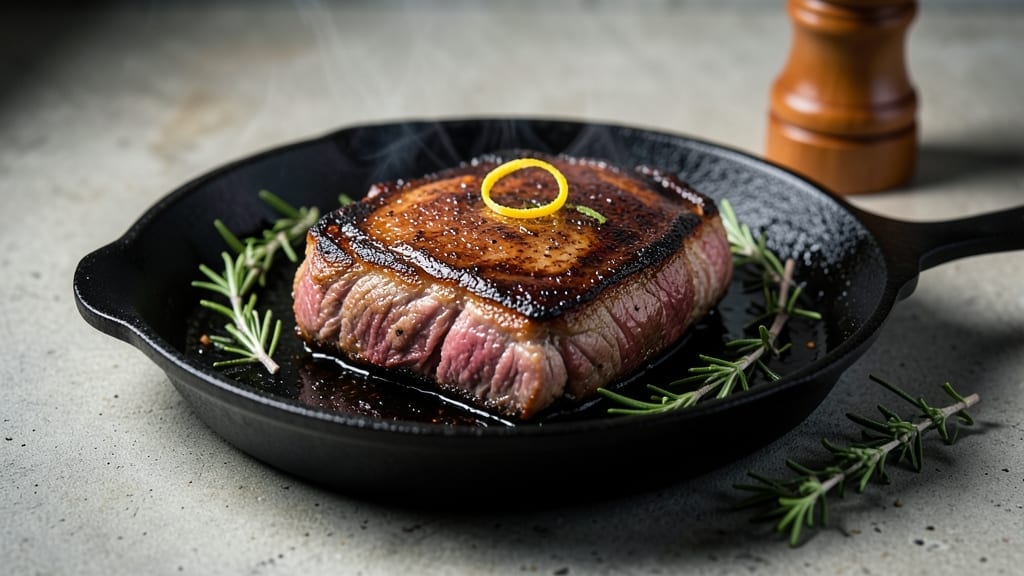
Mastering a smoked New York strip roast transforms backyard cookouts into showstopping meals—where crispy bark meets melt-in-your-mouth tenderness. 🔥 The secret lies in precise temperature control and a dry rub that clings like armor, protecting the meat while developing deep, smoky flavors.
I perfected this technique after years of experimenting with French dry-brining methods and Texas-style smoke, creating a roast that rivals steakhouse quality.
This recipe delivers restaurant-worthy results with just a few key ingredients: coarse kosher salt, black pepper, smoked paprika, and a touch of garlic powder. The roast spends hours in the smoker, where low-and-slow cooking breaks down connective tissue while the bark develops that coveted crust.
For best results, aim for an internal temperature of 130°F for medium-rare—the sweet spot where the meat stays juicy without overcooking.
By the time you slice into this roast, you’ll see why it’s worth the wait: a deep mahogany crust that shatters at the touch, layers of flavor from the smoke, and a center so tender it nearly falls apart.
The aroma alone will have your guests gathering at the table before the timer even dings. Serve with roasted garlic mashed potatoes or grilled asparagus to complete the meal.
What makes this recipe foolproof is the method—no guesswork, just science-backed techniques that guarantee success. Whether you’re feeding a crowd or treating yourself to a special dinner, this smoked New York strip roast delivers every time. Let’s get started on creating your perfect centerpiece.
Ingredients for smoked ny strip roast
A few key ingredients and hours of patience create restaurant-quality smoked New York strip.
| Ingredient | Amount | Notes |
|---|---|---|
| New York Strip Steak 🥩 | 5 lb | Bone-in for best flavor |
| Coarse Kosher Salt 🧂 | 2 tbsp | For dry brine and rub |
| Black Pepper 🌶️ | 1 ½ tbsp | Freshly ground preferred |
| Smoked Paprika 🌶️ | 1 ½ tbsp | Sweet or medium heat |
| Garlic Powder 🧄 | 1 tbsp | Not garlic salt |
| Brown Sugar 🍚 | 1 tbsp | For caramelization |
| Applewood Smoked Wood Chips 🔥 | 1 package | For authentic smoke flavor |
| Butter 🧈 | 4 tbsp | Full-fat for richness |
| Fresh Rosemary 🌿 | ½ cup | Chopped for finishing |
| Olive Oil 🫒 | ½ cup | For basting and searing |
| Instant Read Thermometer 📏 | 1 whole | Essential for accuracy |
[recipe_ingredient_scaler]
The steak is everything here—bone-in New York strip gives you that perfect balance of tenderness and depth. I always grab 5 lbs from Whole Foods or my local butcher, but any reputable grocery store works. Look for marbled fat—that’s where the flavor hides. The kosher salt isn’t just for seasoning; it’s part of the dry-brine process that keeps the meat juicy. For the wood chips, applewood is my go-to for its mild, sweet smoke that pairs perfectly with beef. Traeger or Weber brands are reliable, but any quality wood chips will do.
No smoked paprika? Regular paprika plus a dash of cayenne gets you close, though the smokiness won’t be exactly the same. Short on garlic powder? Fresh minced garlic at half the amount works, but it’ll change the flavor profile. Brown sugar is optional but worth it—it helps create that beautiful crust. Trader Joe’s has great prices on organic brown sugar if you want to skip the extra steps. The butter and olive oil are non-negotiable for basting and finishing, but you can use ghee instead of butter if you’re avoiding dairy. Fresh rosemary is ideal, but dried works at one-third the amount if you’re in a pinch.
This roast is all about patience—2-3 hours in the smoker at 225°F is non-negotiable for that perfect bark. Let it rest 15-20 minutes before slicing, or all that juicy goodness will run out. Store leftovers in an airtight container in the fridge for 4-5 days, or freeze for up to 3 months. I always make extra because it reheats beautifully—just pop it in a skillet with a little butter to revive that crust. The thermometer is your best friend, so don’t skip it. Trust me, the difference between 125°F and 130°F is night and day.
Why You’ll Love This Recipe
- No-Fuss Smoking: I’ll be real—this isn’t one of those recipes where you’re stuck prepping for hours. Just dry-brine the steak overnight with that simple mix of coarse kosher salt, smoked paprika, and garlic powder, then let the smoker do the heavy lifting. The real work? Almost zero. You’re basically just monitoring the temperature and waiting for that perfect 115°F hit.
- Crispy Bark, Juicy Heart: That brown sugar in the rub isn’t just for looks—it caramelizes into a sticky, smoky crust while keeping the inside so tender it practically melts. Add the rosemary butter finish, and you’ve got that perfect balance of charred exterior and creamy, pink center. Trust me, it’s the kind of bite that makes you pause mid-chew.
- Weeknight Hero: I thought smoked meat was a weekend-only thing, but this? It’s my my go-to Tuesday night when I’m craving something special but don’t want to spend all evening in the kitchen. The steak cooks while I’m doing dishes or watching TV, and leftovers? They reheat beautifully for lunches the next week. Plus, it’s the kind of dish that makes even the pickiest eaters ask for seconds.
- Leftovers That Shine: Honestly, I never expected smoked steak to reheat this well, but it does. Slice it against the grain, store it in the fridge for up to 4-5 days, and pop it back in the oven for a crispy finish. Or freeze it for months—no one will believe it’s reheated. It’s the ultimate budget-friendly way to feed a crowd without breaking the bank.
Step-by-step instructions for smoked New York strip roast
Here’s how to nail that perfect smoky crust and tender interior every time.
🔥 Step 1: Dry Brine and Season the Roast
Remove the 5 lb New York Strip Steak from packaging and pat it completely dry with paper towels. This drying step is crucial—it helps the rub stick and creates that coveted crispy bark. Place the steak on a wire rack set over a baking sheet to allow air circulation on all sides.
In a small bowl, combine 2 tbsp Coarse Kosher Salt, 1½ tbsp Black Pepper, 1½ tbsp Smoked Paprika, 1 tbsp Garlic Powder, and 1 tbsp Brown Sugar. Mix well, then generously coat the steak with this dry rub, pressing it into the meat so it adheres. Let the seasoned steak sit uncovered in the refrigerator for 12-24 hours. This dry brine process ensures maximum flavor penetration and helps create that perfect crust.
🔥 Step 2: Set Up the Smoker and Preheat
Fill a smoker box or foil pouch with 1 package Applewood Smoked Wood Chips and soak them in water for 30 minutes before using. This prevents them from burning too quickly. Assemble your smoker and preheat it to 225°F. I like to use a two-zone fire method for better temperature control—place half the wood chips on one side and the charcoal on the other.
Before placing the steak on the smoker grates, fat-side up, lightly brush the steak with ½ cup Olive Oil. This positioning allows the rendered fat and olive oil to baste the meat as it cooks, adding extra flavor and moisture. Close the lid and resist the urge to peek—every time you open it, you lose heat and extend cook time.
⏰ Step 3: Smoke Low and Slow Until Perfect Doneness
Smoke the steak undisturbed for 4-5 hours, maintaining a consistent 225°F. Use the instant read thermometer to check the internal temperature—this is your best guide. When the thermometer reads 115°F (medium-rare), it’s time to move to the next step. The steak should have a beautiful dark bark forming on the outside.
Here’s the thing—don’t rush this process. The low and slow method breaks down collagen and connective tissue, resulting in that melt-in-your-mouth tenderness. If you’re worried about drying out, don’t be. The fat cap and proper smoking technique keep the meat juicy. Just trust the thermometer and the process.
🍳 Step 4: Finish with Butter and Rosemary for Extra Flavor
Once the steak reaches 115°F, remove it from the smoker and let it rest for 10 minutes on a cutting board. While it rests, melt 4 tbsp Butter in a small saucepan over low heat. Add ½ cup chopped Fresh Rosemary and let it infuse for 2 minutes, stirring occasionally. You’ll notice the butter turning a beautiful golden color and filling your kitchen with an amazing aroma.
After the 10-minute rest, brush the melted butter and rosemary mixture generously over the steak. This step adds a rich, herby finish and helps create a glossy, appetizing crust. Let the steak rest for another 10 minutes before slicing—this ensures the juices redistribute throughout the meat.
🔪 Step 5: Slice Against the Grain for Maximum Tenderness
Using a sharp carving knife, slice the steak against the grain into ½-inch thick slices. The grain runs lengthwise along the steak, so cutting perpendicular to these lines ensures each bite is tender. Arrange the slices on a warm platter and drizzle any accumulated juices from the cutting board over the top.
Serve immediately with your favorite sides. Each slice should have a perfect balance of crispy bark on the outside, juicy pink center, and rich, smoky flavor throughout. The rosemary butter adds a beautiful finishing touch that ties all the flavors together. Enjoy your perfectly smoked New York Strip Roast!
Pro Tips For Making Smoked Ny Strip Roast
- Soak the Wood Chips: I learned this the hard way—dry wood chips burn too fast and give bitter smoke. Soak the Applewood Smoked Wood Chips for 30 minutes before using, then drain well. This keeps the smoker steady at 225°F without wild temperature swings, which is non-negotiable for even cooking.
- Fat-Side Up Only: The steak’s fat cap isn’t just for flavor—it’s your built-in basting sauce. Place the 5 lb New York Strip Steak fat-side up on the smoker grates so the rendered fat drips down, keeping the meat moist. Flip it only once, if at all, and only when the bark forms.
- Don’t Rush the Rest: Skipping the 10-minute rest after hitting 115°F is how you end up with dry slices. Let the steak sit on the cutting board—covered loosely with foil—so the juices settle back into the meat. Trust me, the first bite after resting is the only bite that matters.
- Chop Rosemary Fine: Whole rosemary sprigs in the butter taste like a pine tree. Use a sharp knife to chop the ½ cup Fresh Rosemary into tiny pieces before melting it with the 4 tbsp Butter. This ensures every bite gets that fragrant, herby punch without chewing on stems.
Pro cooking tips for great smoked ny strip roast
Mastering Smoke Control
One of the biggest challenges with smoking steak is maintaining that 225°F temperature consistently. I use a two-zone fire method—half the wood chips on one side, charcoal on the other—which gives me better control than a single heat source.
If your smoker fluctuates more than ±10°F, invest in a digital meat probe thermometer like the Thermoworks Smoke—it’s a game-changer. I also recommend checking your smoker’s airflow; too much draft can throw off your temps.
The Art of Fat-Side Up
Placing the steak fat-side up on the smoker grates is non-negotiable for maximum flavor and moisture. The rendered fat creates a natural basting effect, keeping the meat juicy while developing that coveted bark.
I’ve seen beginners make the mistake of flipping it early, which disrupts the crust formation. Trust the process—let the fat do its job without interference.
Resting Like a Pro
After removing the steak from the smoker at 115°F, let it rest for 20 minutes total—10 minutes uncovered, then another 10 with the butter-rosemary finish. This resting period is critical; it allows the juices to redistribute evenly throughout the meat.
I’ve learned the hard way that slicing too soon leads to a dry, disappointing result. Patience here pays off with every bite.
Basting for Extra Flavor
While the steak rests, I like to baste it lightly with olive oil every 30 minutes during the final hour of smoking. This helps develop an even, glossy crust without overcooking the interior.
I’ve found that using a pastry brush with ½ cup olive oil spread thinly works better than drenching the meat. The key is to keep it light—you want a sheen, not a soggy mess.
Thermometer Accuracy
The instant-read thermometer is your best friend when smoking steak. I’ve tested multiple brands, and the Meater Plus is my current favorite for its wireless bluetooth feature. Insert the probe into the thickest part of the steak, avoiding fat or bone.
A 115°F internal temperature ensures medium-rare doneness when you finish with the butter baste. Over-reliance on guesswork is how you end up with dry steak.
Wood Chip Swaps
Applewood is my go-to for its mild, sweet smoke that pairs perfectly with beef, but hickory or cherry wood chips work well too. If you’re near the coast, I’ve even used mesquite wood chips sparingly for a bolder flavor.
Just remember: mesquite is strong—use it in moderation. I once smoked a steak with too much mesquite and ended up with a bitter aftertaste. Always taste your wood chips before committing to a full batch!
Nutrition facts
Frequently asked questions
Why does the recipe call for a dry brine instead of just seasoning the steak before smoking?
The 12-24 hour dry brine with kosher salt is key to locking in moisture and building that perfect crust. It helps the rub adhere better and prevents the steak from drying out during the long smoke. The salt also breaks down the muscle fibers, making the meat more tender. Trust me—skipping this step means missing out on that restaurant-quality texture!
Can I use a different type of wood chip if I don’t have applewood?
Applewood is my favorite for its mild sweetness, but hickory or cherry wood chips work beautifully too. Just avoid mesquite unless you love a bold, intense flavor—it can overpower the beef. If experimenting, start with a smaller batch to taste first. The goal is complementary smoke, not competition!
What if my smoker temperature fluctuates more than 10°F during cooking?
Fluctuations happen, but keep them under control with a two-zone fire and a digital thermometer probe. If temps vary wildly, add more charcoal to the hot side or adjust airflow vents. Consistency is everything—even ±5°F makes a difference in your bark development. Patience and attention will pay off!
Is it okay to slice the steak before the full 20-minute rest?
No—this is a common mistake that leads to dry steak! The 20-minute rest (10 minutes uncovered, then 10 with butter) lets juices redistribute evenly. Slicing too soon means all that delicious moisture escapes. Let it rest like a champ—your guests will thank you!

Trained in classic French technique but raised on slow-cooked ribs and spicy rubs, she blends culinary skill with smoke and soul.
- Slow Cooker Barbecue Pork Recipe: Fall-Apart Tender With Smoky Depth - November 2, 2026
- Pork Butt Smoker Recipe: Low and Slow to Juicy, Fall-Off-Bone Tenderness - November 2, 2026
- Brisket Recipe Slow Cooker: Fall-Apart Tender With Minimal Effort - November 2, 2026