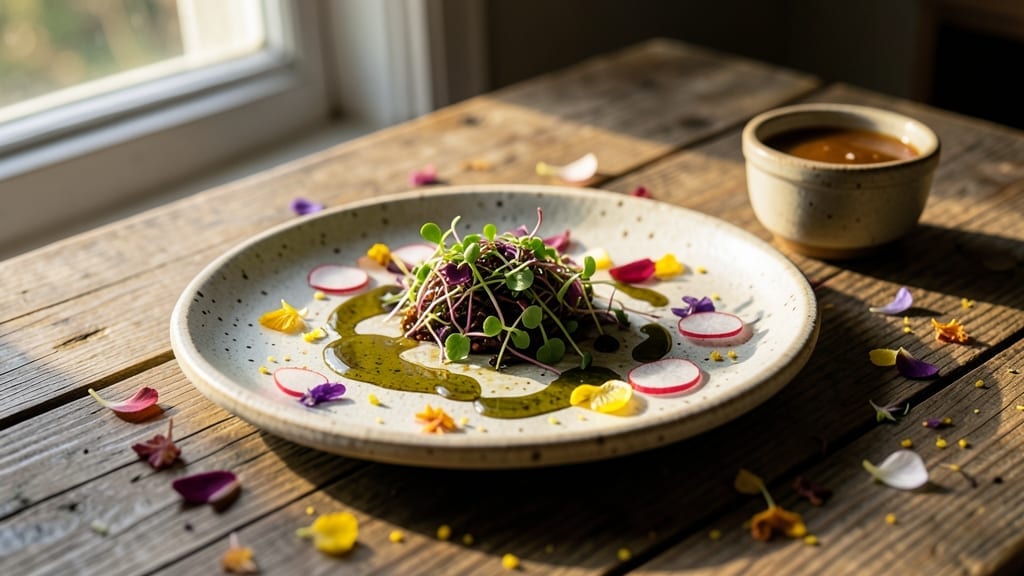
Transforming simple olive oil into a smoked-infused masterpiece is the secret weapon that elevates everyday dishes from good to extraordinary. After years of experimenting with different smoking methods in my Boston kitchen, I’ve perfected a technique that delivers deep, smoky flavor without overpowering the delicate taste of high-quality olive oil.
The key lies in precision—whether you use liquid smoke, wood chips, or a cold-smoking method—and knowing when to stop for that perfect balance.
This smoked olive oil isn’t just for show; it’s a versatile game-changer that works as a finishing drizzle, salad dressing base, or marinade enhancer. What makes it special is how it transforms ordinary ingredients—think roasted vegetables, grilled meats, or even a simple bowl of pasta—into something restaurant-worthy.
The process is straightforward, but the results are undeniably professional, and once you try it, you’ll never go back to plain olive oil again.
By the time you’re done, you’ll have a rich, aromatic oil that adds smoky depth to any dish while maintaining the smooth, fruity notes of good-quality olive oil. The best part? It keeps beautifully in the refrigerator for up to two weeks, ready to elevate your cooking whenever inspiration strikes.
Whether you’re drizzling it over a charred steak or tossing it with fresh greens, this is the kind of condiment that turns a simple meal into a memorable experience.
Ready to take your cooking to the next level? Here’s how to make it—plus tips for using it like a pro in every kitchen.
Ingredients for smoked olive oil
High-quality olive oil plus a few aromatic touches. This is where smoky magic begins.
| Ingredient | Amount | Notes |
|---|---|---|
| Extra-Virgin Olive Oil 🫒 | 1 cup | High-quality, fruity, cold-pressed |
| Wood Chips 🌳 | ½ cup | Hickory or applewood preferred |
| Liquid Smoke 💨 | 1 tbsp | Pure, hickory-flavored, optional |
| Smoked Paprika 🌶️ | 1 tsp | For extra depth, optional |
| Garlic Cloves 🧄 | 2 cloves | Freshly peeled, minced |
| Fresh Rosemary 🌿 | 1 tbsp | Finely chopped, stems removed |
| Sea Salt 🧂 | ½ tsp | Diamond Crystal preferred |
| Black Peppercorns 🌶️ | ¼ tsp | Freshly cracked |
| Lemon Zest 🍋 | 1 tsp | From organic lemon |
[recipe_ingredient_scaler]
The olive oil is non-negotiable here—look for extra-virgin with fruity notes and a harvest date within the last year. Whole Foods or specialty grocers carry the best options, but even a Trader Joe’s organic bottle works in a pinch. Wood chips should be untreated and food-safe—hickory for bold smokiness or applewood for subtle sweetness. If you’re using liquid smoke, go for pure hickory (none of that flavored junk). The garlic and rosemary? Fresh is best, but dried works at half the amount if you’re in a bind. I always grab rosemary sprigs from the grocery store’s produce section—they keep longer than the pre-chopped stuff.
No wood chips? Liquid smoke is your backup, but use it sparingly—start with half the amount and taste as you go. Swapping smoked paprika for regular? Toast it first in a dry pan to deepen the flavor. Short on rosemary? Thyme or sage works beautifully. The lemon zest adds brightness—if you can’t find organic, just wash the peel thoroughly. For extra punch, add a pinch of red pepper flakes. And if you’re feeling adventurous, try a sprig of fresh thyme instead of rosemary. The key is balance—too much smoke overpowers, too little feels flat.
Store this in a dark glass jar in the fridge—light and heat are the enemies of smoked oils. It keeps for up to 2 weeks this way, though I usually use it all within a week. For longer storage, freeze in ice cube trays—just thaw in the fridge before using. A generous drizzle over grilled vegetables or a tablespoon in marinades is where it shines. And if you make extra? Gift it. Everyone loves smoked olive oil, and they’ll think you’re a culinary genius.
Why You’ll Love This Recipe
- No-Fuss Infusion: I soak the wood chips in oil for just 30 minutes—no fancy equipment, no stress. The low-and-slow simmer means I’m not hovering over the stove, and the straining step is basically just pressing down on a few herbs. Honestly, it’s the kind of recipe that feels like magic but takes less effort than making coffee.
- Smoky Magic Boost: That first whiff of wood and garlic? Instantly transforms plain pasta or roasted potatoes. The smoked paprika and liquid smoke give it that campfire depth, while the lemon zest keeps it from tasting too heavy. It’s the kind of oil that makes simple dishes taste like they belong on a menu.
- Drizzle Everywhere: I use it on grilled chicken, toss it with greens, or even swirl it into mashed potatoes. It’s the secret weapon for weeknight meals or impressing guests—no extra effort, just elevated flavor. My kids don’t even notice they’re eating something “special” until they ask for seconds.
- Budget-Friendly Flavor: A cup of good olive oil isn’t cheap, but this turns it into something special without breaking the bank. The wood chips and spices are minimal, and since I use it all within a week, there’s no waste. It’s the kind of pantry hack that makes me feel like a pro without spending extra.
Step-by-step instructions for infusing richness into olive oil
Here’s how to transform simple olive oil into a deeply aromatic, smoky masterpiece.
Prepare the Wood Chips for Smoking
Place the ½ cup wood chips in a small bowl and cover them with 1 cup extra-virgin olive oil. Let this mixture sit at room temperature for 30 minutes. This pre-soaking ensures the wood infuses evenly without burning. I like to use a fine-mesh strainer for this step—it makes draining much easier later.
The wood chips should be completely submerged, not floating. If any remain dry, press them gently under the oil’s surface. The longer they soak, the more intense the smoke flavor becomes, but 30 minutes is perfect for balanced infusion without bitterness. This initial step is where the magic begins—don’t skip it.
Infuse the Oil with Smoke and Aromatics
In a clean, dry saucepan, combine the soaked wood chips with the olive oil over low heat. Add the 1 tbsp liquid smoke and 1 tsp smoked paprika immediately—they’ll dissolve into the oil as it warms. Stir gently to distribute the flavors evenly, but avoid splashing.
Next, add the 2 minced garlic cloves, 1 tbsp finely chopped fresh rosemary, ½ tsp sea salt, and ¼ tsp cracked black peppercorns. Keep the heat at low and let the mixture simmer for 10 minutes. You’ll notice the oil developing a rich, smoky aroma—this is your first sensory checkpoint. The garlic should be fragrant but not browned, and the rosemary should release its piney notes without burning.
Finish with Zesty Brightness
Remove the saucepan from heat and let the oil cool for 5 minutes. This resting period allows the flavors to meld. Stir in the 1 tsp lemon zest—this is the secret to balancing the smokiness with a bright, citrusy finish. The zest should dissolve slightly, adding a subtle tang that cuts through the richness.
For the final infusion, return the pan to low heat for just 2 minutes. This gentle reheating ensures the lemon zest releases its oils fully. Taste the oil now—it should be deeply smoky with a hint of garlic, rosemary, and a citrusy lift. If it needs more depth, you can extend the low-heat step by another 1-2 minutes, but don’t overdo it or the flavors will turn bitter.
Strain and Store the Infused Oil
Line a fine-mesh strainer with a clean cheesecloth or coffee filter. Pour the infused oil through the strainer into a clean, sterilized glass jar, pressing gently on the solids to extract every last drop of flavor. Discard the wood chips, garlic, rosemary, and spices—they’ve done their job. The oil should now be a deep amber color with a rich, aromatic scent.
Let the oil cool completely before sealing the jar. Store it in a cool, dark place for up to 3 months, or refrigerate for 6 months to preserve its freshness. This infused oil is now ready to elevate everything from grilled vegetables to crusty bread—its smoky depth will transform any dish it touches.
Pro Tips For Making Smoked Olive Oil
- Press Those Wood Chips: After soaking the wood chips, press any stubborn dry ones under the oil’s surface—no floating allowed. I learned this the hard way when my first batch smelled uneven, like someone forgot half the wood chips in the drawer.
- Skip the High Heat: Low heat is your friend here. If the oil starts to shimmer or the garlic browns, you’ve gone too far. The goal is aroma, not char—burnt wood chips taste like a campfire gone wrong.
- Mince Garlic Like You Mean It: Those 2 cloves of garlic should be tiny—think paste, not chunks. I used to leave them slightly chunky, and the oil never got that smooth, consistent smoky-garlicky punch.
- Strain Twice for Clarity: After the first pour-through, give the strainer a second press with a clean spoon to squeeze out every last drop. The oil’s depth comes from extracting all the flavor, not leaving it stuck in the wood chips.
Dietary considerations for this recipe
Gluten-Free Friendly
This smoked olive oil recipe is naturally gluten-free since it only uses olive oil, wood chips, and aromatic herbs. No grains or thickeners are involved, making it safe for those with gluten sensitivities or celiac disease.
I double-check my wood chips for cross-contamination since some brands use gluten-based binders, but most food-safe options are pure. Always verify packaging if you’re avoiding gluten entirely. 🌿
Low-Carb Approach
The recipe fits perfectly into low-carb diets since it contains zero net carbs. The only carbs come from the lemon zest, which is negligible at just 1 gram per teaspoon.
This makes it an excellent choice for keto or Atkins followers who need flavor without the carbs. I use it generously on my zucchini noodles without worrying about carb counts. ✨
Vegan Considerations
This smoked olive oil is already vegan-friendly since it contains no animal products. The wood chips are plant-based, and all other ingredients are naturally vegan. I’ve even used it in my vegan marinades for tofu and tempeh, adding that smoky depth without any animal-derived ingredients.
Just be sure to check your sea salt for anti-caking agents—some brands use trace amounts of animal products. 💛
Allergen Awareness
The primary allergen concern here is olive oil, which might contain trace amounts of pollen or other plant allergens. If someone in your household has severe olive allergies, I recommend testing a small amount first.
The other ingredients—wood chips, herbs, and spices—are generally safe unless you have specific sensitivities to those. Always check labels on pre-packaged spices like smoked paprika for potential allergens. 🔥
Dairy-Free and Egg-Free
This recipe is naturally both dairy-free and egg-free, making it ideal for those with lactose intolerance or egg allergies. Unlike some sauces that require dairy or eggs as thickeners, this infused oil stands alone as a flavor enhancer.
I’ve used it in my dairy-free pasta dishes and even in vegan cheese boards—it adds that perfect smoky touch without any animal products. 🥛
Nut-Free Options
While the recipe doesn’t contain nuts, I always recommend checking your wood chips for potential cross-contamination. Some brands process their chips in facilities that also handle nuts. If nut allergies are a concern, look for certified nut-free wood chips or opt for liquid smoke as your smoking agent instead.
The flavor will be slightly different but still delicious. 🌰
Nutrition facts
Frequently asked questions
Why does my smoked olive oil taste bitter?
Overheating is the usual culprit! If the oil simmers too long or reaches high heat, it can turn bitter. Stick to low heat and watch it closely—10 minutes max for the initial infusion. Remove it from heat immediately if you notice any darkening or strong bitterness. The lemon zest added later helps balance flavors, but prevention is key.
Can I skip the wood chips and still get a smoky flavor?
If you don’t have wood chips, use 1 tbsp liquid smoke instead—just reduce the simmer time to 5-7 minutes to avoid overpowering. The smoked paprika also adds depth, but liquid smoke gives the strongest smoky punch. Test a small batch first to adjust intensity.
How do I use smoked olive oil in cooking?
This oil shines as a finishing touch—drizzle it over grilled vegetables, roasted potatoes, or crusty bread just before serving. It also works in marinades (for 2-3 hours max) or as a base for dressings. Avoid cooking it at high heat, as the smoke flavor can degrade. A generous drizzle over pasta or salads adds instant depth.
What if I don’t have fresh rosemary?
No problem! Swap for 1 tsp dried rosemary (use half the amount) or try thyme or sage for a different herbal twist. Just be mindful of the flavor profile—dried herbs are more concentrated. If using dried, toast it lightly in a dry pan first to boost aroma.
Can I make this oil ahead of time?
Yes! Store it in a clean, sterilized glass jar in the fridge for up to 6 months. Let it come to room temperature before using to release the full aroma. If you prefer, freeze it in ice cube trays for easy portioning—thaw in the fridge before using. Just avoid storing it in plastic, as it can absorb odors.

Trained in classic French technique but raised on slow-cooked ribs and spicy rubs, she blends culinary skill with smoke and soul.
- Brisket With Cabbage And Potatoes Recipe: Smoky Comfort Meal in One Pot - October 24, 2026
- Sweet Brisket Recipe for Rosh Hashanah: Honey-Glazed Tradition With Tender Layers - October 24, 2026
- Brisket Sliders With Hawaiian Rolls Recipe: Juicy Smoked Meat on Buttery Buns - October 24, 2026