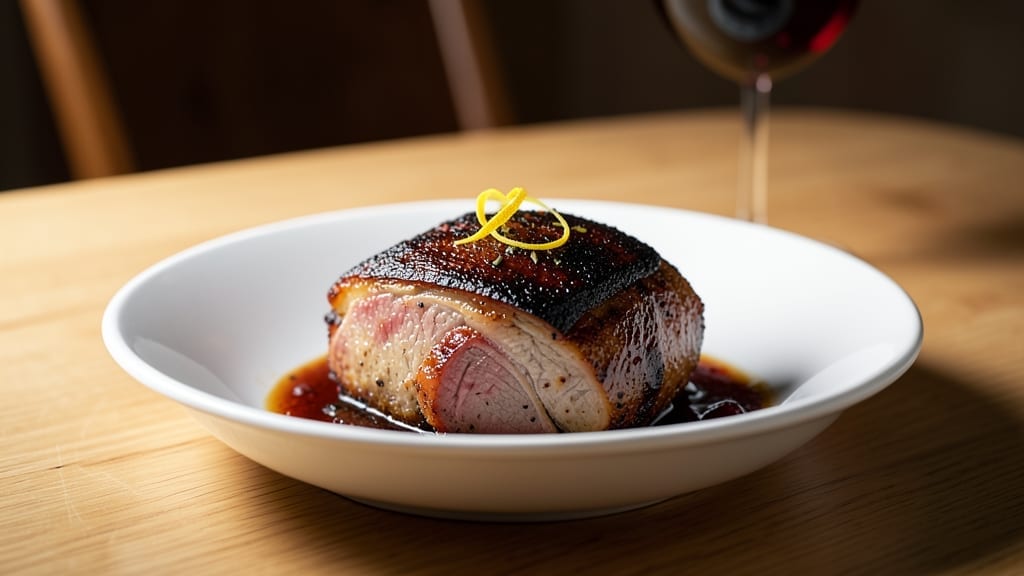
Mastering smoked pork shoulder on a Big Green Egg transforms tough cuts into melt-in-your-mouth perfection with a crispy bark that rivals professional smokers. This low-and-slow method—perfected over countless test batches—delivers tender, juicy meat that falls apart at the touch of a fork while maintaining that coveted snap of caramelized crust.
The Big Green Egg’s consistent heat distribution ensures even cooking, eliminating hot spots that plague other smokers.
The key to success lies in the 12-hour process, where patience pays off in every bite. We’ll cover precise temperature control, wood selection, and the reverse sear technique that guarantees a crispy exterior without drying out the meat.
Proper resting and slicing methods are equally critical to preserving moisture and texture. This isn’t just a recipe—it’s a method that builds confidence with every pull.
By the end, you’ll have a shoulder so tender it practically shreds itself, with a crispy bark that adds depth to every flavor. The Big Green Egg’s ceramic design retains heat efficiently, making it ideal for this long cook.
Whether you’re feeding a crowd or meal prepping, this technique delivers restaurant-quality results at home. Let’s get started on creating your perfect smoked pork shoulder.
We’ll also explore optional sides like tangy coleslaw and smoky baked beans to complete your meal, plus food safety tips to ensure your pork reaches the ideal internal temperature of 203°F for safe, juicy perfection.
The Big Green Egg’s versatility makes this method adaptable to any season, proving that great barbecue doesn’t require fancy equipment—just the right technique.
Ingredients for smoked pork shoulder recipe big green egg
The essential ingredients for Big Green Egg smoked pork shoulder perfection—where precise cuts and quality wood meet low-and-slow patience.
| Ingredient | Amount | Notes |
|---|---|---|
| Bone-In Pork Shoulder 🐖 | 8 lb | Boston butt cut, 2-3 inches thick |
| Yellow Mustard 🍯 | ¼ cup | For initial rub application |
| Smoked Paprika 🌶️ | ¼ cup | High-quality for deep flavor |
| Kosher Salt 🧂 | ½ cup | Diamond Crystal preferred |
| Black Peppercorns 🌶️ | 2 tbsp | Freshly cracked for intensity |
| Garlic Powder 🧄 | 2 tbsp | Not garlic salt |
| Onion Powder 🧅 | 2 tbsp | For balanced sweetness |
| Brown Sugar 🍯 | ¼ cup | Light or dark, packed |
| Apple Wood Chips 🌳 | 2 lb | Soaked for 1 hour minimum |
| Hickory Wood Chips 🌳 | 1 lb | For secondary smoke flavor |
| Butter 🧈 | ½ cup | Unsalted, softened for basting |
| Apple Cider Vinegar 🍎 | ¼ cup | For final basting glaze |
| Fresh Thyme Sprigs 🌿 | 6 whole | For aromatic infusion |
| Fresh Rosemary Sprigs 🌿 | 4 whole | Woody notes complement pork |
[recipe_ingredient_scaler]
The pork shoulder cut is non-negotiable—Boston butt with that thick fat cap delivers the best results. Source from a trusted butcher or Whole Foods for optimal marbling. The wood selection matters equally: apple wood chips provide sweetness while hickory adds depth. For the rub, smoked paprika from Penzeys elevates flavor beyond standard grocery store brands. Fresh herbs like thyme and rosemary should be vibrant green with no wilting—Costco often carries quality bundles. The yellow mustard serves as a binder for the rub, ensuring even adhesion during the initial sear.
Substitutions require careful consideration. No apple wood? Cherry wood chips offer a similar mild sweetness, though hickory remains essential for that classic barbecue profile. For the rub, cajun seasoning at half the quantity can replace garlic and onion powders, but you’ll lose some of the balanced sweetness. Fresh herbs unavailable? Dried thyme at one-third the amount works, though texture suffers. The butter and apple cider vinegar basting glaze is critical—olive oil can replace butter, but the vinegar’s acidity is key for that glossy finish. Prefer a different vinegar? Balsamic vinegar adds complexity, though apple cider remains traditional.
Proper storage begins immediately after cooking. Let the pork rest for 2 hours before slicing to preserve moisture—this is non-negotiable for tender, juicy results. Store leftovers in an airtight container with a thin layer of fat or broth to prevent drying. The wood chips can be reused once dried completely, but fresh batches yield superior flavor. For meal prep, portion into vacuum-sealed bags and freeze for up to 3 months. The Big Green Egg’s ceramic design retains heat efficiently, so preheat it to 225°F for optimal temperature consistency throughout the 12-hour cook.
Why You’ll Love This Recipe
- No-Fuss Smoking: Honestly, the hardest part is soaking those wood chips—after that, it’s just setting the Egg to 225°F and letting it do its thing. The rub with yellow mustard and smoked paprika sticks to the bone-in pork shoulder like glue, so you don’t have to fuss with glues or sprays. Just slap it on, let it sit an hour, and forget about it until the stall hits.
- Crispy Bark, Creamy Center: That butter and apple cider vinegar basting at the end? Chef’s kiss. You get this perfect mahogany bark that’s almost crackly, but the inside is so tender it falls apart like butter. The fresh rosemary and thyme tucked into the fat cap infuse the whole thing—no dry spots, no weird flavors, just pure pork perfection.
- Feeds a Crowd (No Guilt): Eight pounds of pork shoulder might sound like overkill, but trust me: it’s exactly what you need for game day, Thanksgiving leftovers, or a weeknight when you want to feed six people with one pan. Freeze half of it for later—vacuum-sealed and good for three months—so you always have a backup for lazy Sundays.
- Budget’s Friend: Pork shoulder is cheaper than steak, and with kosher salt and brown sugar as the main flavor players, you’re not spending a fortune on fancy spices. The apple wood chips add depth without breaking the bank, and you’ll have enough meat to stretch it into tacos, sandwiches, or pulled-pork bowls for days. Leftovers? A win.
Step-by-step instructions for smoked pork shoulder in a Big Green Egg
Master this low-and-slow technique to achieve a perfect balance of tender meat and crispy bark.
Prepare the Rub and Apply to the Pork Shoulder
In a medium bowl, combine the ¼ cup yellow mustard, ¼ cup smoked paprika, ½ cup kosher salt, 2 tablespoons freshly cracked black peppercorns, 2 tablespoons garlic powder, 2 tablespoons onion powder, and ¼ cup brown sugar. Mix thoroughly until the spices are evenly distributed and the mustard forms a cohesive paste. This blend creates a flavorful crust while preventing the bark from becoming too hard.
Pat the 8 lb bone-in pork shoulder dry with paper towels, removing any excess moisture from the surface. This step is critical for developing a proper bark. Apply the rub generously to all sides of the pork, pressing firmly so it adheres well. Insert the 6 fresh thyme sprigs and 4 fresh rosemary sprigs into the meat, placing them both in the cavity and tucking some into the fat cap. This ensures aromatic infusion throughout the cook. Let the pork sit at room temperature for 1 hour before smoking to allow the rub to penetrate and the meat to cook more evenly.
Set Up the Big Green Egg for Low-and-Slow Smoking
Soak the 2 lb apple wood chips and 1 lb hickory wood chips in water for at least 1 hour to prevent flare-ups. Drain before using. Preheat the Big Green Egg to 225°F using a two-zone fire setup—place the majority of the charcoal on one side and a small amount on the other to create airflow. Once the temperature stabilizes and you see clean, thin blue smoke (not thick white smoke), you’re ready to proceed.
Place the pork shoulder fat-side up on the grill grate. The fat cap will render slowly, basting the meat and contributing to the bark formation. Close the lid and maintain a consistent temperature of 225°F. Avoid opening the lid for at least 2 hours—each time you peek, you disrupt the cooking process and extend the overall time. Use a remote thermometer probe inserted into the thickest part of the meat to monitor internal temperature without disturbing the cook.
Monitor and Wrap at the Stall
Smoke the pork shoulder undisturbed for 6-8 hours, or until the internal temperature reaches 165-170°F. This is when you’ll encounter “the stall,” where the meat’s internal temperature plateaus as moisture evaporates. Don’t rush this phase—it’s essential for developing texture and flavor. When the stall occurs, wrap the pork tightly in butcher paper (not aluminum foil, which can steam the meat). This technique, known as the “Texas crutch,” helps break through the stall while preserving the bark.
Return the wrapped pork to the smoker and continue cooking until the internal temperature reaches 200-203°F, at which point a probe should slide in like butter with no resistance. This typically takes an additional 4-6 hours, but trust the probe test over the thermometer. The bark should be dark and crispy, with a beautiful mahogany color. If the bark isn’t forming as expected, lightly brush the exterior with a mixture of ½ cup softened butter and ¼ cup apple cider vinegar to enhance browning and add a glossy finish.
Rest and Slice for Maximum Juiciness
Once the pork reaches the target temperature, remove it from the smoker and transfer it to a cutting board. Tent loosely with foil and let it rest for at least 1 hour (preferably 2 hours) to allow the juices to redistribute. This resting period is crucial for ensuring tender, moist slices. During this time, the internal temperature will rise another 5-10°F, resulting in a perfect finish.
Slice the pork shoulder against the grain into ¼-inch thick pieces. The meat should be fork-tender, pulling apart easily with minimal resistance. Serve immediately with the rendered juices spooned over the top. The bark should remain crispy, while the interior delivers melt-in-your-mouth tenderness. Pair with classic sides like coleslaw or cornbread to complete the meal.
Pro Tips For Making Smoked Pork Shoulder Recipe Big Green Egg
- Crack Those Peppers: DESCRIPTION:
- Stall? Wrap Tight: DESCRIPTION:
- Soak Wood Like a Pro: DESCRIPTION:
- Butter the Bark Early: DESCRIPTION:
Serving suggestions for leftovers
Classic BBQ Sauce Pairings
For a Southern-inspired twist, drizzle your smoked pork shoulder with St. Louis-style BBQ sauce like Sweet Baby Ray’s Original. The tangy-sweet balance complements the smoky bark beautifully.
I recommend reserving ¼ cup of the rendered juices from the pork to thin the sauce slightly—this adds depth and ties the flavors together. 🔥
Tangy Coleslaw
A crisp German-style coleslaw with mayonnaise, apple cider vinegar, and celery seed cuts through the richness of the pork. Shred 4 cups cabbage and 2 carrots finely, then toss with ½ cup mayo, 2 tbsp vinegar, and 1 tsp celery seed.
Chill for 2 hours before serving to let flavors meld. The cool crunch balances the smoky heat.
Smoky Baked Beans
Canned baked beans get an upgrade with a smoky kick—simmer 2 cans pinto beans with ½ cup apple cider vinegar, 1 tbsp brown sugar, and 1 tsp liquid smoke for 20 minutes.
Top with crispy bacon bits for extra texture. I serve these alongside the pork to soak up those juices while adding a hearty, smoky contrast. 💛
Cornbread with Honey Butter
Warm, buttery cornbread is a must—bake a 9-inch cornbread with 1 cup cornmeal and ½ cup melted butter until golden. Serve with a pat of honey butter (mix ¼ cup butter with 2 tbsp honey) to complement the pork’s natural sweetness.
The slight crunch and sweetness create a perfect balance.
Pickled Vegetables
Quick-pickle red onions, jalapeños, and radishes in 1 cup apple cider vinegar, ½ cup water, and 1 tbsp sugar for 30 minutes. The bright acidity cuts through the pork’s fat and enhances its smoky flavor.
I like to serve these on the side for a refreshing bite between bites.
Nutrition facts
Frequently asked questions
Why does the Big Green Egg work so well for smoking pork shoulder?
The Big Green Egg’s ceramic construction retains heat exceptionally well, creating a consistent 225°F environment crucial for low-and-slow smoking. Its two-zone fire setup prevents hot spots that can dry out the meat, while the lid maintains stable smoke levels. The even heat distribution ensures the crispy bark forms uniformly without burning, giving you that perfect balance of texture and tenderness.
What should I do if my bark isn’t forming properly?
If the bark looks dull or overly soft, brush the exterior with a mixture of ½ cup softened butter and ¼ cup apple cider vinegar during the final 2 hours of cooking. The vinegar’s acidity enhances browning, while the butter adds shine. Also, ensure the pork is fat-side up and avoid opening the lid too frequently during the initial 6-8 hours of smoking. Consistency is key!
Can I skip the butcher paper wrap and use aluminum foil instead?
While aluminum foil will trap moisture, it can create a steaming effect that softens the bark prematurely. Butcher paper allows steam to escape while still breaking the stall. If you must use foil, wrap it loosely and only for the final 1-2 hours to finish the cook. The Big Green Egg’s ceramic design works best with butcher paper for that perfect bark texture.
How do I know when the pork is truly done?
Use a meat probe to check when the internal temperature hits 200-203°F, but test for doneness by sliding the probe through the thickest part—it should feel like butter. The meat should also pull apart easily when gently prodded. The internal temperature will rise another 5-10°F during resting, so remove it slightly before reaching the target. This method guarantees fork-tender perfection every time.

Trained in classic French technique but raised on slow-cooked ribs and spicy rubs, she blends culinary skill with smoke and soul.
- Smoked Brisket Recipe: Low and Slow to Fall-Apart Tenderness - November 2, 2026
- Smoked Turkey Breast Recipe: Juicy Pink Center With Crispy Skin Every Time - November 2, 2026
- Leftover Smoked Pulled Pork Chili Recipe: Rustic Flavor Revival in One Pot - November 2, 2026