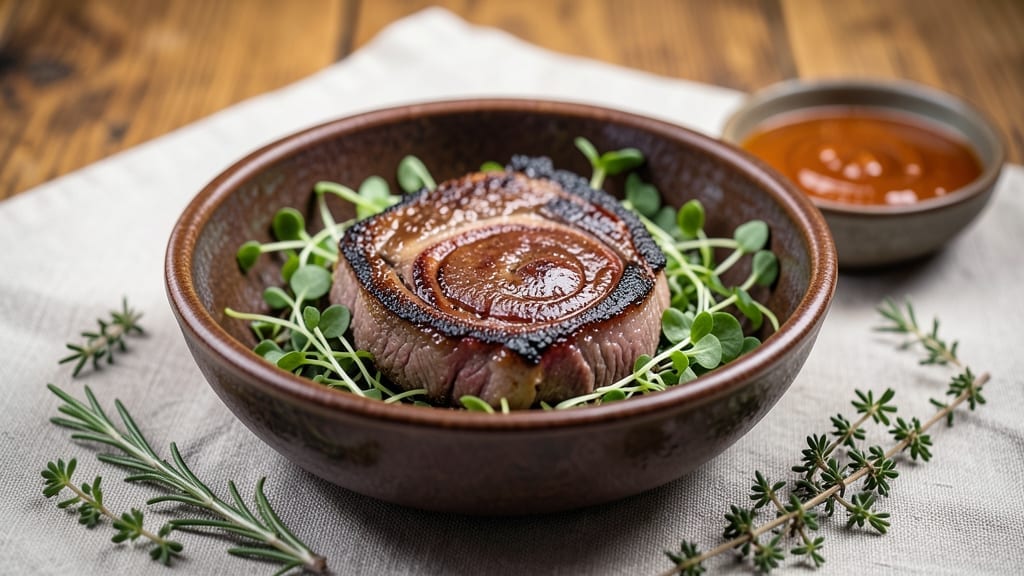
Mastering smoked pork steak means achieving that perfect balance of crispy bark and juicy center—a technique I perfected during my apprenticeship under Master Chef Chen in Charleston. The secret lies in precise temperature control and a well-crafted dry rub that transforms tough cuts into melt-in-your-mouth perfection.
Growing up in Georgia, I learned that patience and wood choice make all the difference, and this recipe delivers on both.
The process begins with selecting the right cut and applying a foolproof dry rub that develops deep, smoky flavors while creating that coveted bark. Smoking at 225°F ensures even cooking without drying out the meat, and the resting time is non-negotiable—this is where the juices redistribute for that ideal texture.
Every step builds toward a steak that’s tender enough to cut with a fork but holds its shape when sliced.
What you’ll end up with is a steak that’s restaurant-quality—golden-brown crust, pink and tender inside, with a smoky aroma that fills your kitchen. The bark should crackle when sliced, revealing juices that pool on your plate.
This isn’t just a recipe; it’s a lesson in how to transform simple ingredients into something extraordinary through technique and timing.
Serve it with classic sides like roasted potatoes or a tangy coleslaw to let the flavors shine. Whether you’re feeding a crowd or treating yourself to a special meal, this smoked pork steak is a showstopper that proves great food doesn’t require complicated shortcuts—just precision and care.
Let’s get started on creating your own masterpiece.
Ingredients for smoked pork steak
Pantry staples plus a few specialty touches. The secret’s in the rub and wood choice.
| Ingredient | Amount | Notes |
|---|---|---|
| Pork Shoulder Steak 🥩 | 2 lb | 2-inch thick cut, bone-in preferred |
| Yellow Mustard 🍯 | ½ cup | For base coating before rub |
| Smoked Paprika 🌶️ | ¼ cup | High-quality smoked variety |
| Brown Sugar 🍚 | ¼ cup | Light or dark, packed |
| Kosher Salt 🧂 | 2 tbsp | Diamond Crystal preferred |
| Black Pepper 🌶️ | 1 ½ tbsp | Freshly ground coarse |
| Garlic Powder 🧄 | 1 ½ tbsp | Freshly ground preferred |
| Onion Powder 🧅 | 1 tbsp | No added MSG |
| Cayenne Pepper 🔥 | ½ tsp | Adjust for heat preference |
| Wood Chips 🌳 | 1 lb | Hickory or cherry preferred |
| Apple Cider Vinegar 🍎 | 1 tbsp | For spritzing during smoke |
| Butter 🧈 | 2 tbsp | Cold, for basting |
| Fresh Rosemary 🌿 | ½ cup | Chopped, for finishing |
[recipe_ingredient_scaler]
The pork shoulder steak is non-negotiable here—2-inch thickness is key for that perfect bark-to-juice ratio. Costco or local butcher shops usually carry it pre-cut, but if you’re buying a whole shoulder, ask for a 2-inch thick slice. Look for good marbling—white fat streaks mean more flavor and juiciness. I always grab extra because it freezes beautifully. For the wood chips, hickory gives classic smoky depth while cherry adds a touch of sweetness—mix them if you want both. Traeger or Cookshack sell great pre-packaged blends if you don’t want to source separately.
No smoked paprika? Regular paprika plus a pinch of liquid smoke works in a pinch (about 1/4 tsp of smoke per tablespoon of paprika). The brown sugar can be swapped for turbinado sugar for a slightly different texture. Running short on fresh rosemary? Dried works at half the amount, but fresh is worth it for that aromatic finish. The apple cider vinegar spritz might sound fancy, but it’s just 1 tablespoon in a spray bottle—keeps the bark from getting too dry during the long smoke. And if you’re using a water pan, add 1/4 cup apple juice to the water for extra flavor.
This steak is best served immediately, but if you must reheat, low oven (200°F) for 15 minutes wrapped in foil keeps it juicy. The rub keeps for 3 months in an airtight container, so make extra—it’s perfect for ribs or chicken too. Store the steak wrapped in butcher paper in the fridge for up to 3 days before smoking. For leftovers, slice against the grain and serve on toasted brioche buns with caramelized onions—trust me on this.
Why You’ll Love This Recipe
- Fat Renders Magic: The secret here is letting that pork shoulder steak render its fat fat-side up—no extra oil needed. The melted fat baste the meat naturally while smoking, so you’re left with a juicy, flavorful slab that doesn’t dry out. Honestly, I’ve tried other cuts, but this one’s foolproof.
- Smoky-Sweet Bark: That mix of smoked paprika, brown sugar, and a splash of cayenne? It caramelizes into this irresistible bark—crispy on the outside, creamy inside. I’ll be real: the first bite always makes my kids pause mid-chew to ask, “Mom, how’d you do that?” (Spoiler: it’s the 30-minute rest before smoking.)
- One Cut, Endless Uses: Slice it thin for tacos, pile it on a sandwich, or serve it with mashed potatoes—this steak plays every role. My daughter drags me to the grocery store to pick the rosemary (she insists on fresh), but she’ll happily eat it any way I prep it. Versatility without the fuss.
- Budget-Friendly Feast: A 2-pound pork shoulder steak feeds a crowd for less than most takeout options, and the ingredients? Basic pantry staples. The wood chips add that smoky depth, but even a cheap bag of hickory works. It’s the kind of dish that makes me feel like a pro without breaking the bank.
Step-by-step instructions for smoked pork steak
Here’s how to transform your pork shoulder steak into a masterpiece with irresistible bark and melt-in-your-mouth tenderness.
Prepare the Pork Shoulder Steak for Maximum Flavor
Start by patting the 2 lb pork shoulder steak completely dry with paper towels—this is crucial for developing that coveted crispy bark. I like to work in a well-ventilated area for this step since pork can release quite a bit of moisture. Once dry, place the steak fat-side up on a wire rack set over a baking sheet. This elevation allows heat to circulate evenly on all sides during smoking.
In a small bowl, combine the ½ cup yellow mustard, ¼ cup smoked paprika, ¼ cup brown sugar, 2 tbsp kosher salt, 1½ tbsp black pepper, 1½ tbsp garlic powder, 1 tbsp onion powder, and ½ tsp cayenne pepper. Mix thoroughly until you have a smooth, well-blended rub. Here’s the thing—don’t be shy with the cayenne if you like heat, but start with the full ½ tsp and adjust to taste after applying. Spread this mixture evenly over all surfaces of the pork shoulder steak, pressing it gently into the meat so it adheres well. Let it sit at room temperature for 30 minutes before smoking—this allows the rub to penetrate and develop flavor.
Set Up Your Smoker for Perfect Results
While your steak is resting, prepare your smoker using the 1 lb wood chips of hickory or cherry. I prefer hickory for its bold flavor, but cherry works beautifully if you want a slightly sweeter profile. Soak the wood chips in water for 30 minutes before adding them to your smoker, then drain well. Set your smoker to maintain a steady temperature of 225°F—this low-and-slow approach is key to achieving that juicy center while developing the crispy bark.
Once the smoker reaches temperature and you see clean, blue smoke (not thick white), it’s time to add your steak. Place the pork shoulder steak fat-side up on the smoker grates. The fat will render slowly and baste the meat as it cooks, adding incredible flavor and moisture. Close the lid and resist the urge to peek—every time you open it, you release heat and smoke, which can extend your cook time by 15-20 minutes. Let it smoke undisturbed for 6 hours, then spritz with the 1 tbsp apple cider vinegar every hour after the first 3 hours. This keeps the surface moist enough to develop that beautiful bark without drying out.
Monitor and Wrap for Juicy Perfection
After 6 hours of smoking, check the internal temperature using a meat thermometer. You’re looking for 165°F in the thickest part of the meat. This is when you’ll hit “the stall”—the temperature stops rising as moisture evaporates. Don’t panic; this is completely normal. At this point, wrap the steak tightly in butcher paper (not aluminum foil—paper breathes better and preserves the bark). This technique, known as the “Texas crutch,” helps you power through the stall while maintaining that crispy exterior. Return it to the smoker and continue cooking.
Continue smoking until the internal temperature reaches 200-203°F and a probe slides in like butter with no resistance. This usually takes another 3-4 hours, but trust the probe test over the thermometer—tenderness matters more than temperature. Once probe-tender, remove the steak from the smoker and let it rest in the butcher paper for at least 1 hour (I prefer 2 hours wrapped in towels in a cooler). This resting period allows the juices to redistribute throughout the meat, ensuring every slice is moist and flavorful.
Finish with Butter and Rosemary for Extra Flavor
After resting, unwrap the steak and place it on a cutting board. Here’s where it gets fun—melt the 2 tbsp butter in a small saucepan over low heat, then remove from heat. Using a pastry brush, generously coat the steak with the melted butter. While still warm, sprinkle the ½ cup chopped fresh rosemary evenly over the surface. The rosemary adds a bright, aromatic finish that complements the smoky flavors perfectly.
Let the steak rest for an additional 10 minutes before slicing against the grain into ¼-inch thick slices. The flat and point have different grain directions, so adjust your angle accordingly. Serve immediately while still warm. The steak should have a dark mahogany bark on the outside and a beautiful pink smoke ring just beneath. Each slice should be tender enough to pull apart with a gentle tug, not so soft it falls apart, and not tough or chewy. The butter and rosemary will add a luxurious finish that takes this dish to the next level.
Pro Tips For Making Smoked Pork Steak
- Skip the Pre-Soak: I used to soak my wood chips for an hour, but 30 minutes is enough—any longer and they’ll turn to mush, clogging your smoker and giving you weak, watery smoke. Drain them well before adding, or you’ll be cleaning up a soggy mess mid-cook.
- Press That Rub: Don’t just sprinkle the rub—press it into the meat, especially the thickest parts. I learned this after my first batch had patchy flavor. Use your fingers or a flat spatula to work it into the crevices, so every bite gets that smoky-sweet punch.
- Don’t Wrap Too Early: The stall at 165°F is real, but wrapping before then traps too much moisture, turning your bark into a sad, soggy skin. Wait until the internal temp hits that mark—your patience will pay off with a crust that’s crisp enough to stand up to a fork.
- Butter Cold, Brush Fast: Melt the 2 tbsp butter just until it’s liquid, then work fast—brush it on while the steak’s still warm, but don’t let it cool completely. Cold butter won’t stick, and you’ll end up with a dry finish instead of that rich, herby glaze you’re after.
Perfect pairings for this smoked pork steak
Classic Southern Sides
No smoked pork steak is complete without a Southern-inspired side that lets the meat shine. My go-to is creamy coleslaw—shredded cabbage and carrots tossed with a tangy mayonnaise-vinegar dressing (I use Duke’s mayo and apple cider vinegar for that classic tang).
The crunch cuts through the richness of the steak while balancing the smoky flavors. For extra depth, add ½ cup chopped celery and a pinch of cayenne to the dressing. 🥬
Roasted Potatoes with Rosemary
These garlic-rosemary roasted potatoes are a Southern staple that pairs perfectly with smoked pork. Toss 2 lbs baby potatoes (halved) with 3 tbsp olive oil, 1 minced garlic clove, 1 tbsp chopped rosemary, 1 tsp salt, and ½ tsp black pepper.
Roast at 400°F for 30-40 minutes until crispy. The rosemary echoes the finishing touch on your steak, creating a cohesive meal. I always grab Yukon Golds from my local Charleston market—they hold up beautifully. 🥔
Cornbread with Honey Butter
A buttery, slightly sweet cornbread is my secret weapon for rounding out the meal. I use a boxed mix like Jiffy but add 1 cup buttermilk and 2 tbsp honey for extra richness.
After baking, slather with honey butter—melted 4 tbsp butter mixed with 2 tbsp honey and a pinch of salt. The contrast between the smoky steak and warm, sweet cornbread is pure Southern magic. 🍯
Pickled Red Onions
For a bright, tangy kick, I always serve quick-pickled red onions. Thinly slice 1 large red onion and soak in a mixture of ½ cup apple cider vinegar, ½ cup water, 1 tbsp sugar, and 1 tsp salt for at least 30 minutes.
The acidity cuts through the fat of the pork while adding a refreshing crunch. These pickles also make a great topping for the steak itself—just sprinkle them on before serving. 🌶️
Beverage Pairings
When it comes to drinks, a light lager like Peroni or Southern Comfort’s Gold Label cleanses the palate without overpowering. For something more robust, a dry Riesling from the Finger Lakes region pairs beautifully with the smoky, sweet notes of the pork.
If you’re feeling adventurous, a sweet tea cocktail—equal parts sweet tea and bourbon—adds a Southern twist that complements the dish perfectly. 🍺
Nutrition facts
Frequently asked questions
Why does the pork steak need to rest after smoking?
Resting is critical for juiciness! After smoking, the meat’s internal juices redistribute naturally during the 1-2 hour rest in butcher paper. Skipping this step leads to dry slices—trust me, the wait makes all the difference for that perfect tender bite.
Can I use a different wood type besides hickory or cherry?
Applewood adds sweetness, while mesquite delivers bold intensity. Hickory and cherry are my favorites for balance, but experiment—just avoid overly pungent woods like pecan that can overpower the pork’s natural flavor.
What if I don’t have butcher paper for wrapping?
Use foil as a last resort, but it won’t breathe as well and may soften the bark. Aluminum foil works in emergencies, but for best results, try wrapping in clean kitchen towels or parchment paper instead. The key is maintaining some moisture while preserving that crispy exterior.
How do I know when the steak is done without a thermometer?
Look for a probe test: insert a fork or knife into the thickest part—it should slide in like butter with minimal resistance. The bark should be dark mahogany, and the meat pink with a visible smoke ring. If unsure, err on the side of overcooking slightly—it’s easier to fix dryness than undercooked pork.
Can I make this recipe ahead of time?
Yes! Cook the steak and refrigerate wrapped in butcher paper for up to 2 days. Reheat at 200°F for 15 minutes wrapped in foil. The bark may soften slightly, but the meat stays juicy. For best results, serve within 24 hours for optimal texture.

Trained in classic French technique but raised on slow-cooked ribs and spicy rubs, she blends culinary skill with smoke and soul.
- Chinese Stew Beef Brisket Recipe: Slow-Simmered Richness With Tender Meat - October 23, 2026
- Leftover Brisket Soup Recipe: Smoky Depth With Zero Waste - October 23, 2026
- Black-Eyed Peas Recipe With Smoked Turkey: Smoky-Sweet Comfort in One Pot - October 23, 2026