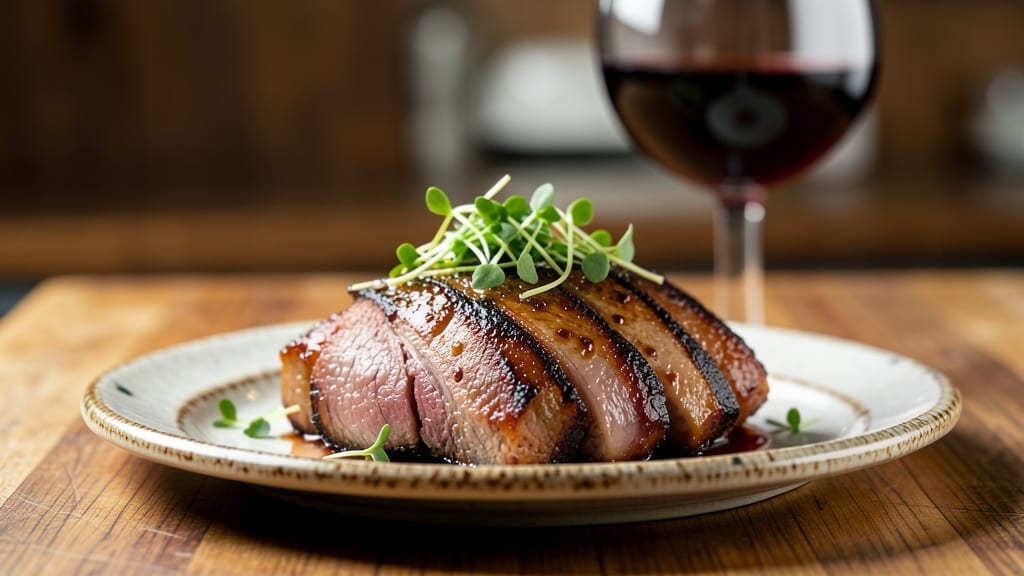
This smoked pulled pork recipe delivers melt-in-your-mouth tenderness with a maple-glazed bark that cracks under pressure—exactly how I perfect it after years of pitmaster trials. The secret lies in low-and-slow smoking paired with a dry rub that develops deep, smoky-sweet flavors without overpowering the natural richness of the pork shoulder.
I learned this technique during my apprenticeship under Master Chef Chen in Charleston, where every bite had to tell a story.
The process begins with a simple but critical step: applying a dry rub of brown sugar, paprika, and smoked salt to create that signature bark while keeping the meat juicy inside.
Smoking at 225°F for 10-12 hours ensures even cooking, while the final 30 minutes with applewood chips infuse that unmistakable sweet-smoke aroma. This isn’t just pulled pork—it’s a dish that transforms any gathering into a celebration of Southern tradition, just like my grandmother’s Sunday dinners growing up in Georgia.
What you’ll end up with is pork so tender it shreds effortlessly, glistening with a sticky-sweet glaze that balances smoky depth with maple brightness. The bark should crackle when you press it, revealing layers of flavor beneath.
Serve it on buttery buns with pickles and coleslaw for the full experience—this is the kind of meal that lingers long after the last bite. Let’s get smoking!
For those who want to elevate it further, a splash of bourbon in the glaze adds a fiery kick, or swap the applewood for hickory for a bolder profile.
The beauty of this recipe is its adaptability—whether you’re feeding a crowd or meal prepping for the week, the results are consistently restaurant-quality. Trust the process, and the pork will do the rest.
Ingredients for smoked pull pork
No shortcuts here—just quality pork and a dry rub that turns ordinary into legendary.
| Ingredient | Amount | Notes |
|---|---|---|
| Pork Shoulder (Bone-In) 🐷 | 5 lb | With skin, for better bark |
| Brown Sugar 🍚 | ½ cup | Packed, for caramelized bark |
| Paprika 🌶️ | 2 tbsp | Smoked paprika preferred |
| Smoked Salt 🧂 | 1 tbsp | Like Red Arrow |
| Garlic Powder 🧄 | 1 tbsp | Not garlic salt |
| Onion Powder 🧅 | 1 tbsp | Fresh ground preferred |
| Black Pepper 🌶️ | 1 tsp | Freshly ground |
| Maple Syrup 🍁 | ½ cup | Pure, not pancake syrup |
| Apple Cider Vinegar 🍎 | 2 tbsp | For tangy glaze balance |
| Applewood Wood Chips 🔥 | 1 package | Soaked 30 mins before use |
| Butter (Unsalted) 🧈 | 4 tbsp | For bun topping |
| Hickory Smoked Paprika 🌶️ | 1 tsp | Optional for extra smokiness |
[recipe_ingredient_scaler]
The pork shoulder is everything. Bone-in cuts develop more bark and stay juicier than boneless. I always buy from local butchers—they trim it fresh, and , grab the pre-trimmed shoulder; just pat it dry before rubbing. The skin-on side gets the most bark, so don’t skip that. For the dry rub, Red Arrow smoked salt is my go-to—it’s got that perfect balance of salt and smoke flavor. If you can’t find it, regular smoked salt plus a pinch of cayenne works in a pinch.
No applewood chips? Hickory or cherry wood will give you a different but still delicious smoke profile. Want to skip the vinegar? Lemon juice at half the amount adds brightness without overpowering. The maple syrup needs to be pure—none of that pancake syrup nonsense. For bourbon lovers, 1-2 oz in the glaze adds a caramelized depth. And if your glaze feels too thin? Simmer it down with a splash of beef broth—it thickens beautifully. The brown sugar should be packed into the rub for maximum stickiness and bark formation.
This keeps 4-5 days in the fridge if stored properly—wrap tightly in foil and refrigerate. For meal prep, portion into freezer bags and freeze for up to 3 months. The glaze freezes well too, so make extra. When reheating, add a splash of water or broth to keep it moist. The bark might soften slightly, but it’ll still taste amazing. Trust me, the leftovers are even better the second day—just reheat gently on the stovetop with a little liquid. And don’t forget to rest the pork for 30 minutes before serving—it makes all the difference.
Why You’ll Love This Recipe
- No-Fuss Smoking: I’ll be honest—this isn’t one of those recipes where you’re chopping onions for hours or standing over a hot stove. Just pat that 5 lb pork shoulder dry, slather it with that sweet-spicy rub (½ cup brown sugar, smoked salt, and garlic powder working together), and let the smoker do the heavy lifting. The fat-side-up trick? Game-changer. It renders down to that perfect bark without you lifting a finger after the initial prep.
- Maple-Glazed Magic: That ½ cup maple syrup and 2 tbsp apple cider vinegar wrapped inside the foil? Pure genius. The syrup caramelizes into a sticky, glossy glaze while the vinegar keeps it from being too cloying—every bite has that perfect balance of sweet and tangy. And don’t even get me started on the butter toss at the end. Four tablespoons of melted unsalted butter over the shredded pork? Suddenly, it’s not just pulled pork—it’s comfort with a capital C.
- Feeds a Crowd (or Your Cravings): This recipe is basically a party in a pot. Five pounds of pork shoulder turns into enough shreds to feed a football team—or at least your family for three nights straight. And here’s the kicker: it freezes like a dream. Portion it into bags, and you’ve got a freezer full of instant meals. My kids always ask for seconds, and honestly? I don’t blame them. The leftovers are just as good the next day, if not better, because the flavors deepen.
- Budget-Friendly Indulgence: Let’s talk practicality. A 5 lb pork shoulder is one of the most affordable cuts you can buy, and this recipe makes the most of it. The ingredients? Most of them are pantry staples—brown sugar, smoked salt, garlic powder—things you probably already have. And the result? A dish that feels like a restaurant experience but costs a fraction of the price. Between the smoky bark and the maple glaze, it’s the kind of meal that makes you forget you’re saving money.
Step-by-step instructions for maple-glazed smoked pulled pork
Here’s how to transform a simple pork shoulder into tender, fall-apart meat with a perfect maple-glazed bark.
Prepare the Rub and Season the Pork Shoulder
In a medium bowl, combine the ½ cup packed brown sugar, 2 tablespoons paprika, 1 tablespoon smoked salt, 1 tablespoon garlic powder, 1 tablespoon onion powder, 1 teaspoon black pepper, and 1 teaspoon hickory smoked paprika. Mix thoroughly until the spices are evenly distributed and the brown sugar is fully coated.
Pat the 5 lb pork shoulder dry with paper towels—this is crucial for developing that crispy bark. Generously apply the spice rub all over the meat, pressing it into every crevice. I like to use my fingers to work the rub into the skin and fat cap, ensuring maximum flavor penetration. Let the seasoned pork shoulder sit at room temperature for 1 hour before smoking—this helps the meat cook more evenly and develops better bark.
Smoke the Pork Shoulder Low and Slow
Soak the 1 package applewood wood chips in water for 30 minutes, then drain. Set up your smoker to maintain a consistent 225°F temperature. Place the soaked wood chips in the smoker box and let the smoke fill the chamber for about 10 minutes before adding the pork.
Position the pork shoulder fat-side up on the smoker grate. This allows the rendered fat to baste the meat as it cooks, creating that beautiful bark. Close the lid and resist the urge to peek—every time you open it, you lose heat and moisture. Smoke the pork for 6-8 hours until the internal temperature reaches 165°F and the bark is deep mahogany brown. You’ll notice the meat “stalls” around 150°F—this is normal and means the moisture is evaporating. Don’t adjust the temperature; let it work through this phase.
Wrap and Finish the Cook
Once the pork reaches 165°F, it’s time to wrap it. I use a double layer of heavy-duty aluminum foil to trap steam and help tenderize the meat. Add the ½ cup maple syrup and 2 tablespoons apple cider vinegar to the foil before sealing—this creates a sticky, sweet glaze that caramelizes beautifully. Return the wrapped pork to the smoker and continue cooking until the internal temperature reaches 203°F, about 2-4 hours more.
Here’s the thing—this final phase is where the magic happens. The syrup and vinegar mixture will break down the collagen in the meat, resulting in those juicy, pull-apart shreds. The pork is done when it reaches 203°F and a probe slides in like butter with no resistance. Remove the pork from the smoker and let it rest for 1 hour before shredding. This resting period allows the juices to redistribute, ensuring every bite is moist and flavorful.
Shred and Serve with Butter Topping
After resting, carefully remove the pork from the foil and shred it using two forks or a meat claw. Discard any large fat chunks or connective tissue. Taste the shredded pork and adjust seasoning if needed—sometimes a pinch more smoked salt or black pepper enhances the flavor.
For the final touch, melt the 4 tablespoons unsalted butter in a small saucepan over low heat. Once melted, pour it over the shredded pork and toss gently to coat. This step adds richness and helps bind the shreds together. Serve immediately on buns with your favorite toppings, or store in the refrigerator for up to 4 days for even more tender pulled pork.
Pro Tips For Making Smoked Pull Pork
- Don’t Rush the Rest: I learned this the hard way—skipping the 1-hour rest after hitting 203°F means dry, stringy pork. The juices need time to settle back into the meat, especially after that steamy wrap with maple syrup and vinegar. Trust the process, even if you’re itching to dig in.
- Soak Those Wood Chips: Dry wood chips puff up and burn, turning your smoker into a smoky sauna instead of a flavor factory. Soak the applewood chips for 30 minutes first—it keeps them steady and gives you that clean, consistent smoke you’re after for 6-8 hours at 225°F.
- Fat-Side Up Always: That fat cap isn’t just for looks—it’s your built-in basting sauce. Cooking the pork shoulder fat-side up lets the rendered fat drip down and self-baste the meat, giving you that deep mahogany bark without extra fuss. Flip it only if you’re feeling rebellious (you won’t).
- Double-Foil Wrap Trick: One layer of foil? You’re asking for leaks. Use two layers of heavy-duty foil when wrapping the pork with maple syrup and vinegar—it traps steam better and keeps the glaze from sticking to the foil like a stubborn toddler. The result? More caramelization, less cleanup.
Serving suggestions for leftovers
Classic Southern Sandwiches
Nothing pairs better with pulled pork than a buttery brioche bun. I like to toast them in a cast-iron skillet until golden, then slather with 4 tbsp melted butter before adding the pork.
The Texas toast variation—thick-cut, buttered, and toasted—becomes a crispy, flavorful base that soaks up every juicy bite. For extra indulgence, add a layer of creamy coleslaw between the pork and bun. 🥖
Pickled Vegetable Crunch
A tangy dill pickle spear or quick-pickled red onions adds a refreshing contrast to the rich pork. I make my pickles with 1 cup vinegar, ½ cup water, 1 tbsp sugar, and 1 tsp mustard seeds—simmered and cooled before using.
Sliced jalapeños or quick-pickled cucumbers also work wonderfully, especially if you want a spicy kick. The acidity cuts through the maple glaze beautifully.
Slaw Variations
For a lighter option, serve with creamy coleslaw made with ½ cup mayonnaise, ¼ cup buttermilk, 1 tbsp apple cider vinegar, and 1 tsp celery seed. My favorite twist?
Adding grated carrot and cabbage with a sweet-and-sour dressing—just mix ¼ cup ketchup with 2 tbsp apple cider vinegar and 1 tbsp brown sugar. The sweetness balances the smoky pork perfectly. ✨
Side Dishes That Shine
Cornbread, especially cornbread muffins with a hint of honey, is a Southern staple that pairs perfectly. I bake mine with 1 cup cornmeal, 1 cup flour, 1 tbsp sugar, and 1 tsp baking powder for a tender crumb.
For a heartier option, serve with mashed potatoes or smoked mac and cheese—just add ½ cup shredded sharp cheddar and a splash of smoked paprika to the cheese sauce. Both sides soak up the pork’s juices like a sponge.
Beverage Pairings
A cold Southern sweet tea with a splash of lemon is my go-to—it’s refreshing and balances the pork’s richness. For something stronger, a light lager like Miller Lite or a smooth bourbon (like Maker’s Mark) works wonderfully.
If you’re serving at a gathering, I recommend a local craft IPA for those who want a hoppy contrast to the smoky flavors. The carbonation cleanses the palate between bites. 🍺
Nutrition facts
Frequently asked questions
Why does my smoked pork need to rest before shredding?
Resting for 1 hour after cooking is essential—it lets the juices redistribute throughout the meat. Without resting, you’ll end up with dry, uneven bites. This step ensures every shred is moist and flavorful, just like my grandmother’s Sunday dinners back in Georgia.
Can I use a different wood type for smoking?
While applewood is classic, hickory or cherry wood chips add a different but delicious smoky depth. Hickory gives a bolder flavor, while cherry adds a subtle sweetness. Just soak them for 30 minutes like the applewood for best results.
What if my pork stalls at 150°F
for too long?
This is normal—it’s called the “stall” and happens as moisture evaporates. Don’t panic! Keep smoking at 225°F; it’ll eventually break through. Patience is key, just like waiting for a perfect bark to form. Trust the process!
How do I know when the pork is fully cooked?
Check with a meat thermometer when the internal temp hits 203°F and the probe slides in like butter. The meat should shred easily with minimal resistance. This is when you know you’ve nailed that tender, fall-apart texture.
Can I make the glaze ahead of time?
Yes! Mix the ½ cup maple syrup and 2 tbsp apple cider vinegar in advance and store it in an airtight container. When ready to cook, add it to the foil with the pork. The glaze will caramelize beautifully during the final smoking phase.

Trained in classic French technique but raised on slow-cooked ribs and spicy rubs, she blends culinary skill with smoke and soul.
- Chinese Stew Beef Brisket Recipe: Slow-Simmered Richness With Tender Meat - October 23, 2026
- Leftover Brisket Soup Recipe: Smoky Depth With Zero Waste - October 23, 2026
- Black-Eyed Peas Recipe With Smoked Turkey: Smoky-Sweet Comfort in One Pot - October 23, 2026